Understanding Idler Price Beyond the Tag
When a maintenance team at a limestone quarry or a coal handling plant asks about idler price, the answer rarely fits a single number. An idler roller is a small assembly, but its cost reflects a chain of decisions: shell material, bearing class, seal design, shaft end connection, and the duty the conveyor demands. Buyers who compare only the quoted figure often miss why two rollers for the same 800mm belt can differ so much.
How an Idler Roller Is Built and Why It Affects Cost
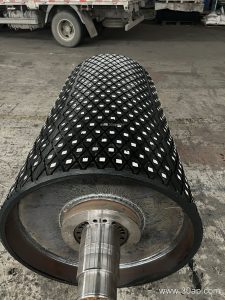
A typical troughing idler consists of a steel tube shell, a through shaft, two bearing housings, seals, and end caps. The shell may be plain steel, nylon-coated, ceramic-covered, or fitted with rubber rings for impact zones. Each choice changes the idler price because it changes machining time and material grade. Bearing selection matters too. Common sizes such as 6204, 6205, 6305, 6306, 6308, and 6310 appear across many roller diameters, and a larger bearing cavity or a heavier seal usually adds cost without changing the outer dimensions.
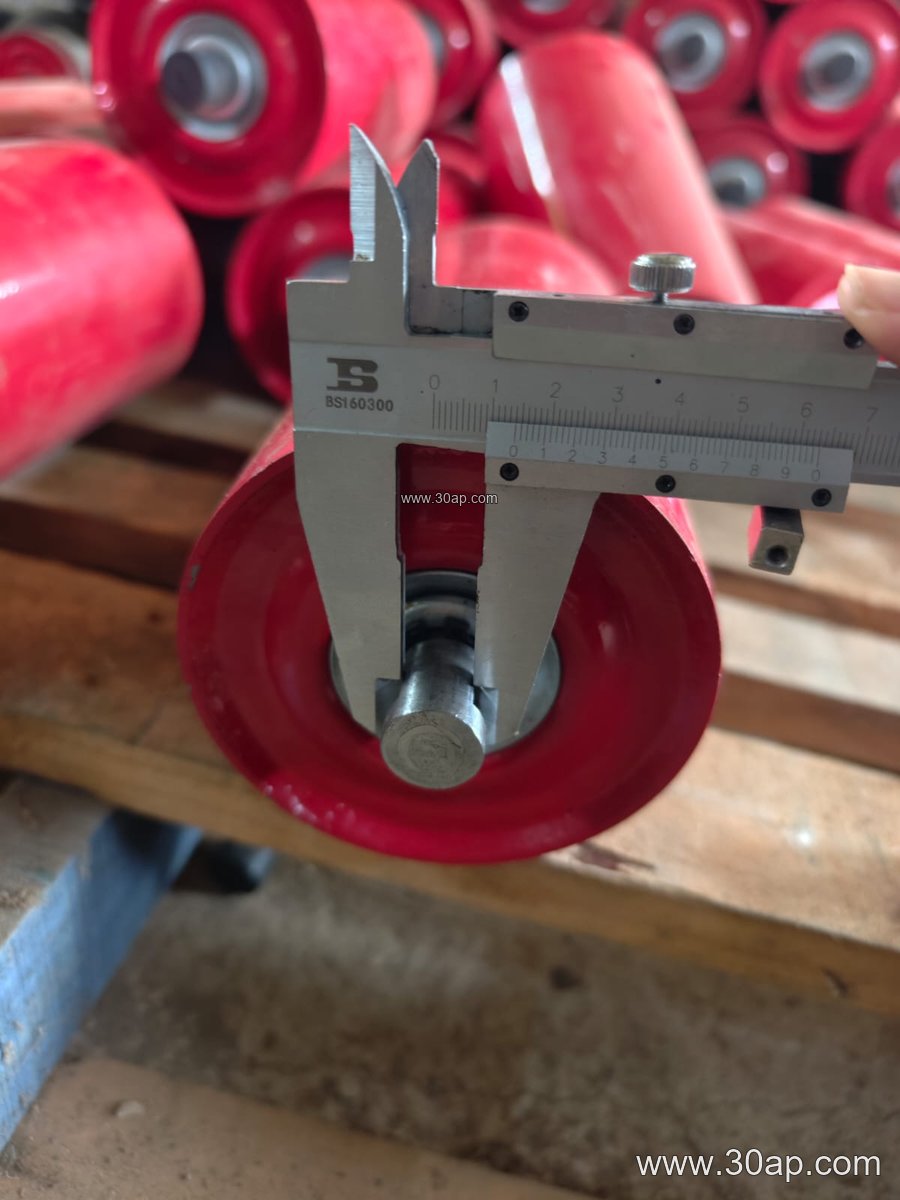
Sealing is often the hidden variable. A dusty cement plant or a wet aggregate line punishes poor labyrinth seals, so a roller that looks identical from outside may carry a very different price when the seal package is specified for long service.
Where Idlers Sit on the Conveyor and What That Means for Price
Carrying idlers support the loaded strand; return idlers hold up the empty belt. Impact idlers with rubber rings sit under crusher discharge, while self-aligning types correct belt drift on long overland runs. Because these positions see different loads, the idler price for a heavy-duty impact station is naturally higher than for a plain return roller on a short transfer.
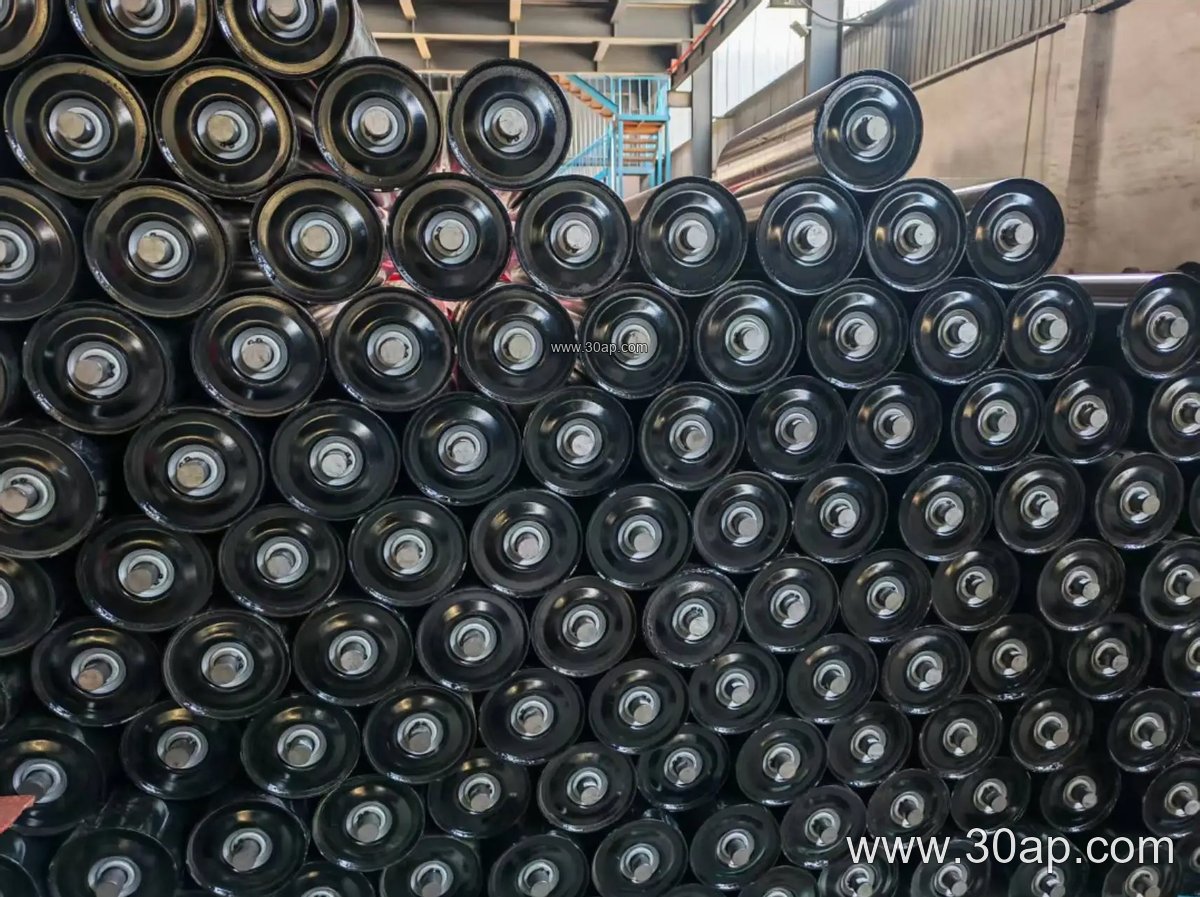
Belt width and trough angle also feed into cost. A three-roll 35-degree set for a B1200 conveyor uses longer rolls than a B650 set, and roll length changes with belt width, trough angle, and roll arrangement. Common examples include roughly 200 mm rolls for B500, 315 mm for B800, 465 mm for B1200, and 600 mm for B1600 in three-roll troughing sets, but side rolls and center rolls can differ, and these are reference examples rather than fixed matches. A wider belt does not lock a roller to one diameter, and a given belt width does not dictate a single shaft size.
Reference Dimensions That Shape the Quotation
| Parameter | Common Reference Values |
|---|---|
| Roller diameter | Ø63, Ø76, Ø89, Ø102, Ø108, Ø127, Ø133, Ø159, Ø178, Ø194, Ø219 |
| Belt width | B400 to B2400 |
| Trough angle | 20, 30, 35, 45 degrees |
| Roll surface | Steel, nylon, ceramic, rubber ring |
| Bearing | 6204, 6205, 6305, 6306, 6308, 6310 |
These values are reference data for discussion, not a universal specification or a supply promise. Actual selection follows the conveyor design, belt speed, load, and environment.
Industries Where the Price Question Comes Up
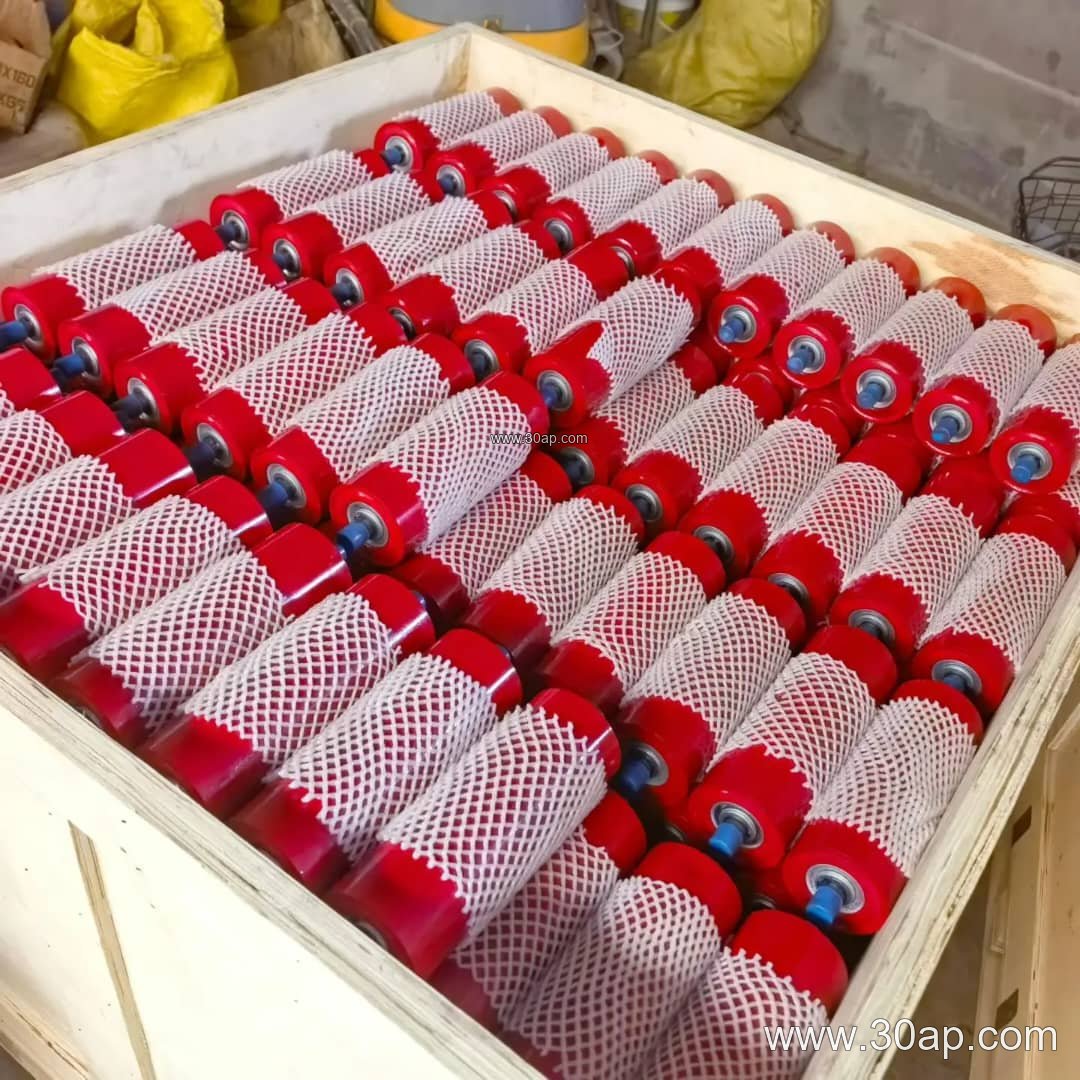
In an iron ore terminal, rollers face abrasive dust and heavy loads, so abrasion resistant conveyor belt paired with robust idlers is normal. In a coal washing plant, flame retardant conveyor belt and sealed rollers reduce risk. A cement plant may combine heat resistant conveyor belt near the kiln with standard troughing idlers elsewhere, while a power plant coal yard often uses a steel cord conveyor belt on the main trunk line and asks for idler pricing by station. Each setting shifts the balance between purchase cost and service life.
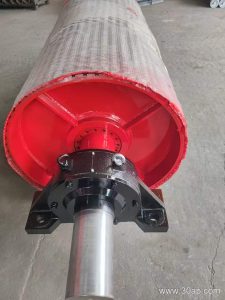
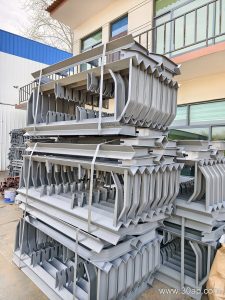
Buyers should also consider how the idler interacts with the conveyor pulley and conveyor bracket. A misaligned bracket or a worn bend pulley can shorten roller life, making a cheap idler expensive in the long run.
What a Buyer Should Check Before Comparing Idler Price
- Confirm roller diameter, roll length, and trough angle against the actual frame drawing.
- State the environment: dust, moisture, temperature, or oil exposure.
- Ask which bearing and seal arrangement is quoted, not just the roller size.
- Clarify whether the price covers a single roller, a complete idler set, or the frame.
- Check that spare rollers match the existing conveyor bracket and shaft end type.
A fair idler price reflects fit, sealing, and expected service interval. For more on matching rollers with conveyor belt and conveyor pulley choices, review the full conveyor component range before requesting a quotation.