Why the Conveyor Pulley is the Heart of Your System
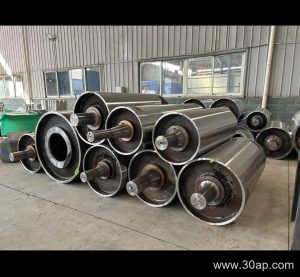
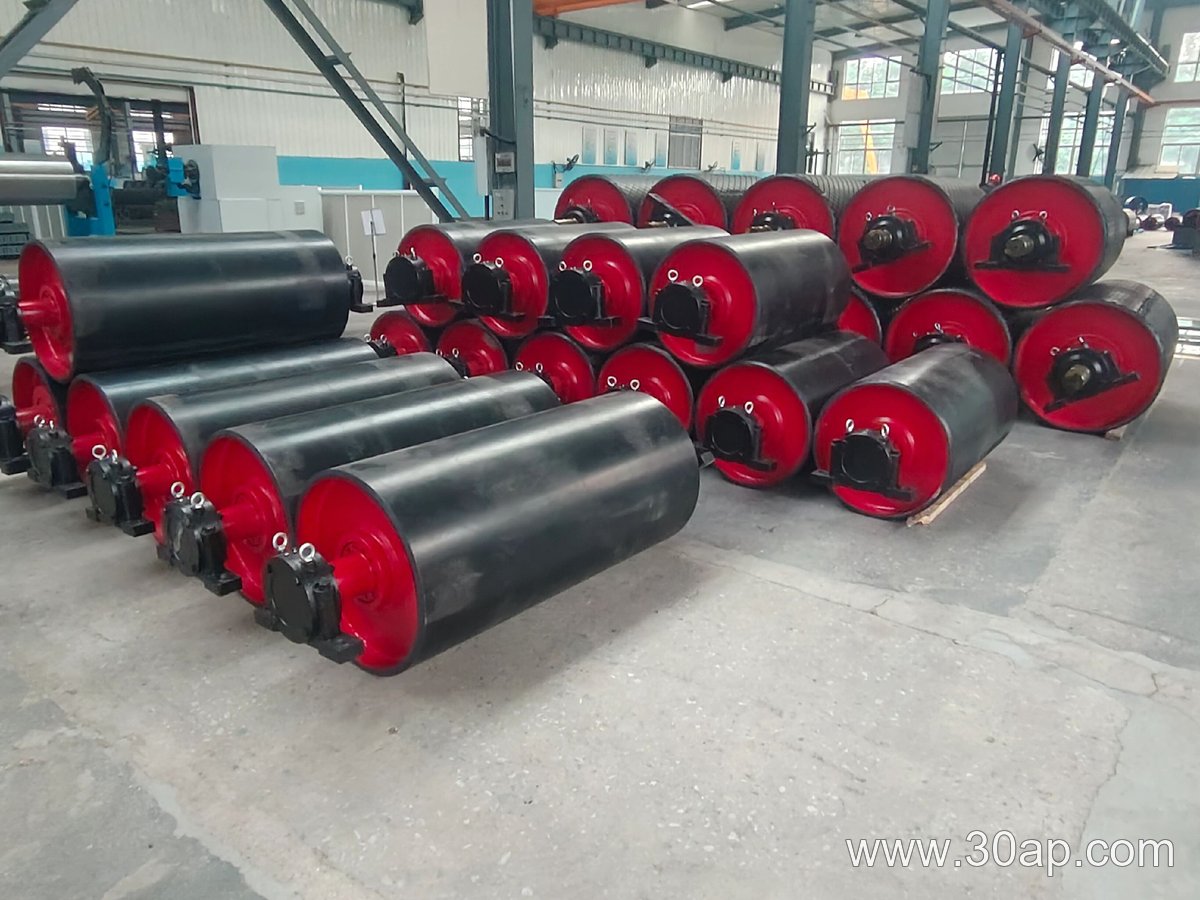
The conveyor pulley is not a passive roller; it is the primary driver of belt tension, tracking, and torque transmission. Choosing the wrong unit causes slippage, misalignment, and premature belt failure.
Core Types and Their Applications
- Drive pulley: Lagged surface for high friction; placed at the head end.
- Bend pulley: Redirects belt wrap; lower load, smaller diameter acceptable.
- Snub pulley: Increases contact angle on the drive pulley.
- Tension pulley: Maintains belt slack side force; use with take-up frames.
Critical Selection Parameters
Load, Diameter, and Shaft Design
Calculate the effective belt tension (Te) and the shaft deflection limit. A larger pulley diameter reduces belt flex fatigue but adds cost. For heavy ores, use steel C/D grade shafts with keyed hubs, never set-screw only.
Lagging and Shell Thickness
- Ceramic lagging for wet or high-slip conditions.
- Rubber lagging (8–15 mm) for standard dry abrasive media.
- Minimum shell thickness: 10 mm for 500 mm diameter; scale up with load.
Purchasing Checklist for Engineers
- Request the CEMA or DIN standard compliance certificate.
- Verify crown profile on the shell (0.5–1 mm taper) for belt centering.
- Specify bearing type (spherical roller) and sealing (labyrinth plus V-ring).
- Always order a spare end-disc and shaft for critical drive pulleys.
- Check balancing grade – G16 for speeds above 2 m/s.
Final advice: never size a pulley from the belt width alone. Provide the conveyor designer with load, speed, and wrap angle to receive a certified drawing.
Why the Conveyor Bracket Matters More Than You Think
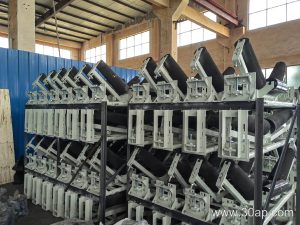
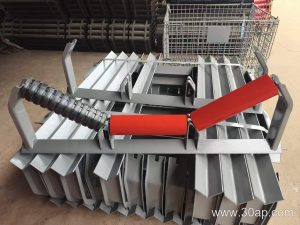
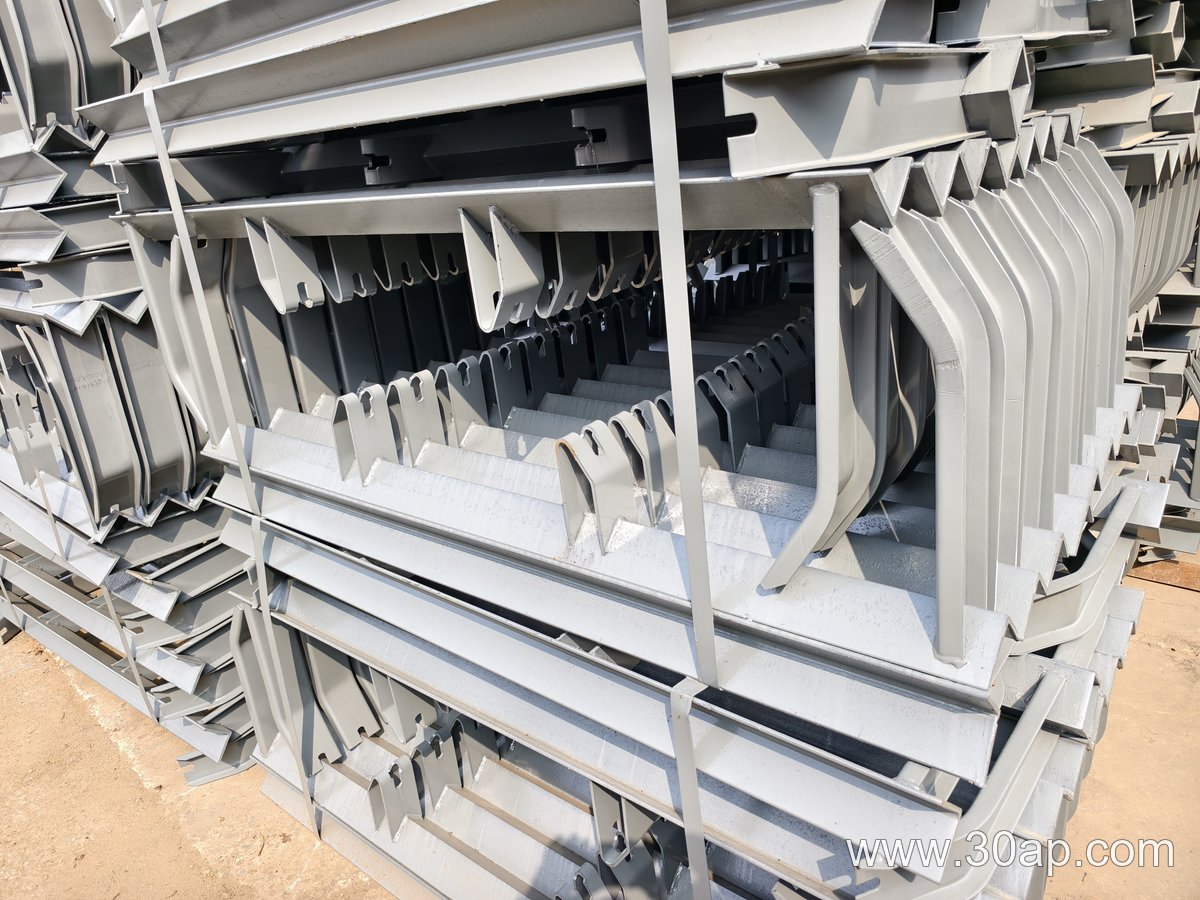
A conveyor bracket is not a generic metal clip—it is the precise interface that holds rollers, idlers, or drives to your frame. Poor bracket choice leads to misalignment, vibration, and premature bearing failure.
Critical Selection Criteria
- Load rating: Match dynamic and static capacity to your actual belt tension and product weight, not just nominal specs.
- Material & coating: For washdown or corrosive environments, select stainless steel or zinc-plated brackets with sealed bearings.
- Adjustability: Look for slotted holes or shim kits to fine-tune roller height and belt tracking on site.
- Compatibility: Verify shaft diameter, frame channel width, and bolt pattern against your existing conveyor series.
Purchasing Advice
Always request a dimensional drawing and test a sample bracket on your actual rail before bulk ordering. Check weld quality or casting integrity—no burrs or cracks. Buy from manufacturers who offer replacement inserts, not just the outer housing, to reduce lifetime cost.
Why the Conveyor Belt Is the Backbone of Material Flow
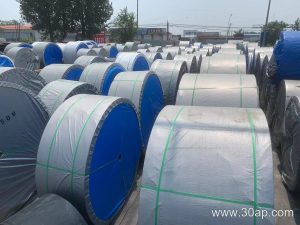
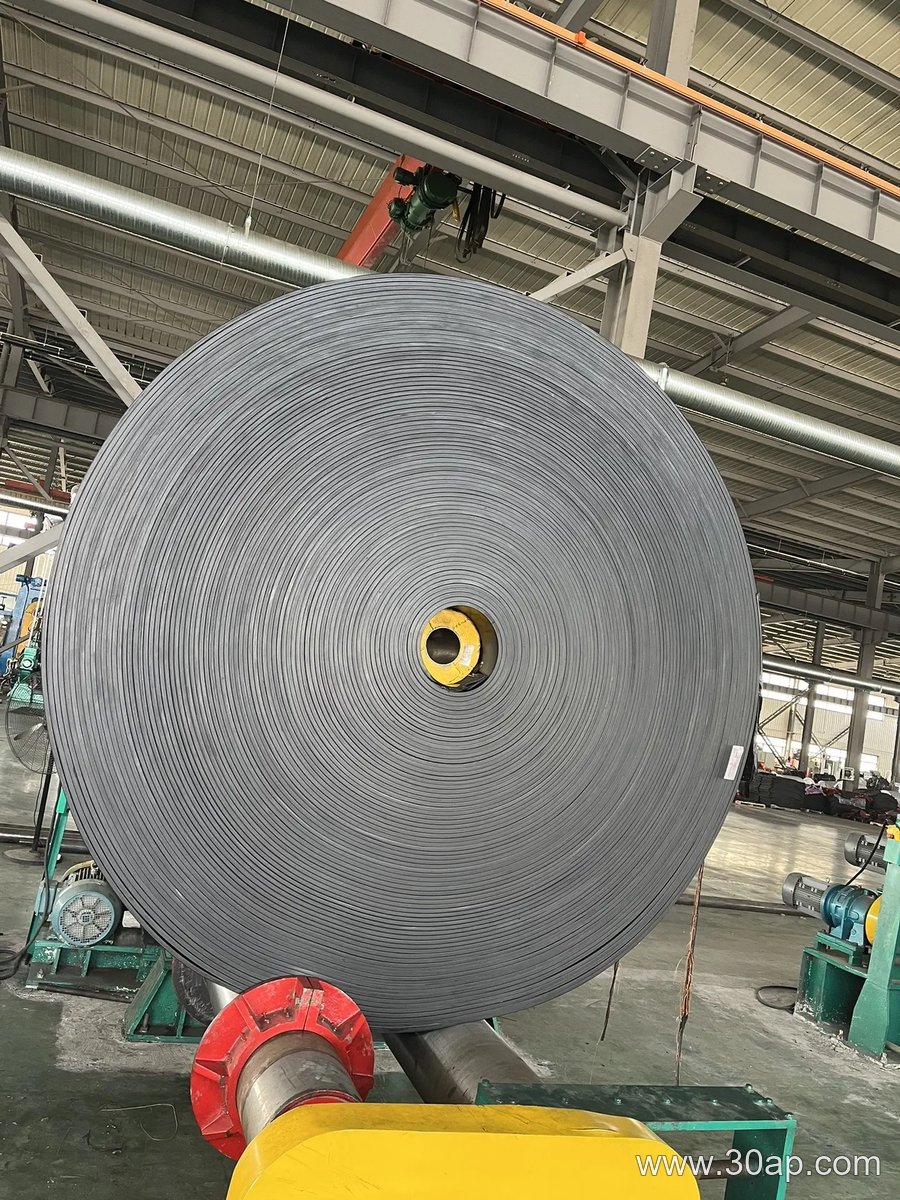
Every efficient production line depends on a reliable conveyor belt. This single component moves raw materials, finished goods, and bulk loads across facilities, reducing manual labor and cycle times. Selecting the wrong belt causes downtime, product damage, and costly maintenance.
Key Selection Factors
- Material compatibility: Match belt surface to product weight, abrasiveness, and temperature (e.g., heat-resistant rubber for molten parts, oil-resistant PVC for food processing).
- Tensile strength: Calculate peak load and start-up torque; use multi-ply or steel-cord belts for high-tension applications.
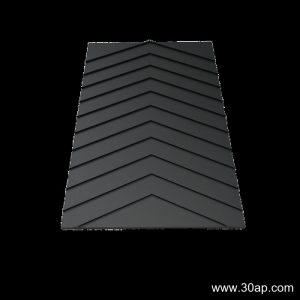
- Environment: For dusty or wet areas, choose sealed edges and cleated profiles to prevent slippage and spillage.
Purchasing Advice
Always request a belt sample and test it under real operating speeds. Verify belt thickness, pulley diameter compatibility, and splice type (mechanical vs. vulcanized). Order 5–10% extra length for tensioning adjustments. Work with suppliers who offer onsite lacing tools and warranty on belt carcass failure. Finally, schedule quarterly tracking inspections to extend service life and avoid emergency replacements.
Understanding the Role of the Idler Roller
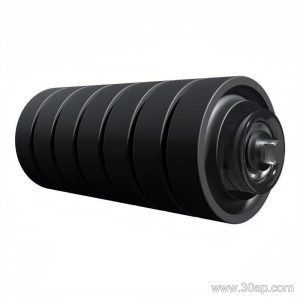
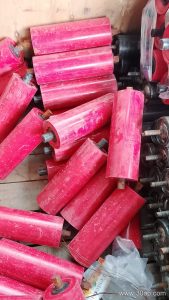
The idler roller is the unsung workhorse of any bulk material conveyor. It supports the belt and cargo, shapes the belt into a trough, and minimizes friction. Without properly chosen idler rollers, you risk belt misalignment, premature wear, and costly downtime.
Key Selection Criteria
- Belt width and speed: Match roller length and diameter to your belt’s specifications.
- Load capacity: Calculate the maximum tonnage per hour and choose rollers with adequate dynamic load ratings.
- Environment: For dusty, wet, or corrosive conditions, specify sealed bearings and corrosion-resistant shells (e.g., galvanized or rubber-coated).
Purchasing Advice
Always verify the idler roller’s runout tolerance (below 0.5 mm is ideal) and check the bearing class (C3 or higher) for reliable operation. Request samples for real-world testing before bulk ordering. Also, prioritize rollers with replaceable bearings and end caps to simplify maintenance and extend service life.
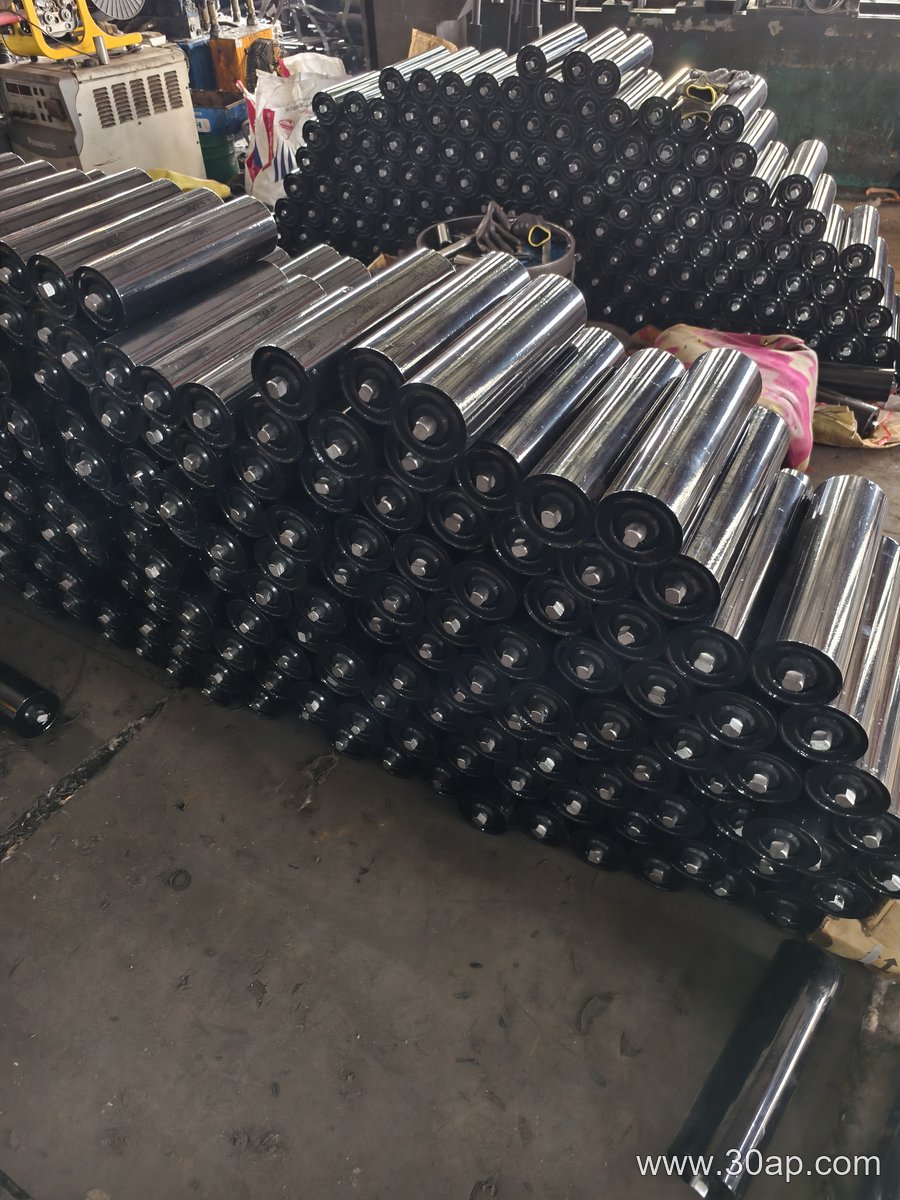
Finally, consult your conveyor manufacturer’s recommended spacing, but adjust for heavy impacts at loading zones—install impact idler rollers there to absorb shock and protect the belt.