Idler Roller Fundamentals and Their Critical Role in Bulk Handling
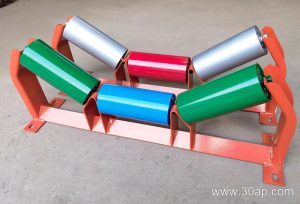
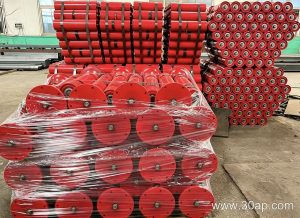
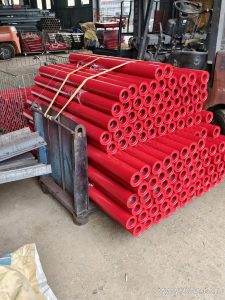
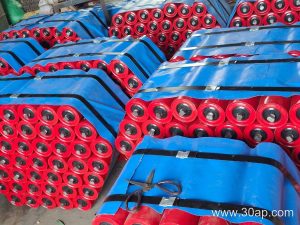
The idler roller is the unsung workhorse of any belt conveyor system. These cylindrical components support the belt and material load along the carrying and return sides, minimizing friction, maintaining belt alignment, and absorbing impact. Without properly specified idler rollers, even the most robust conveyor will suffer from premature belt wear, increased energy consumption, and costly downtime.
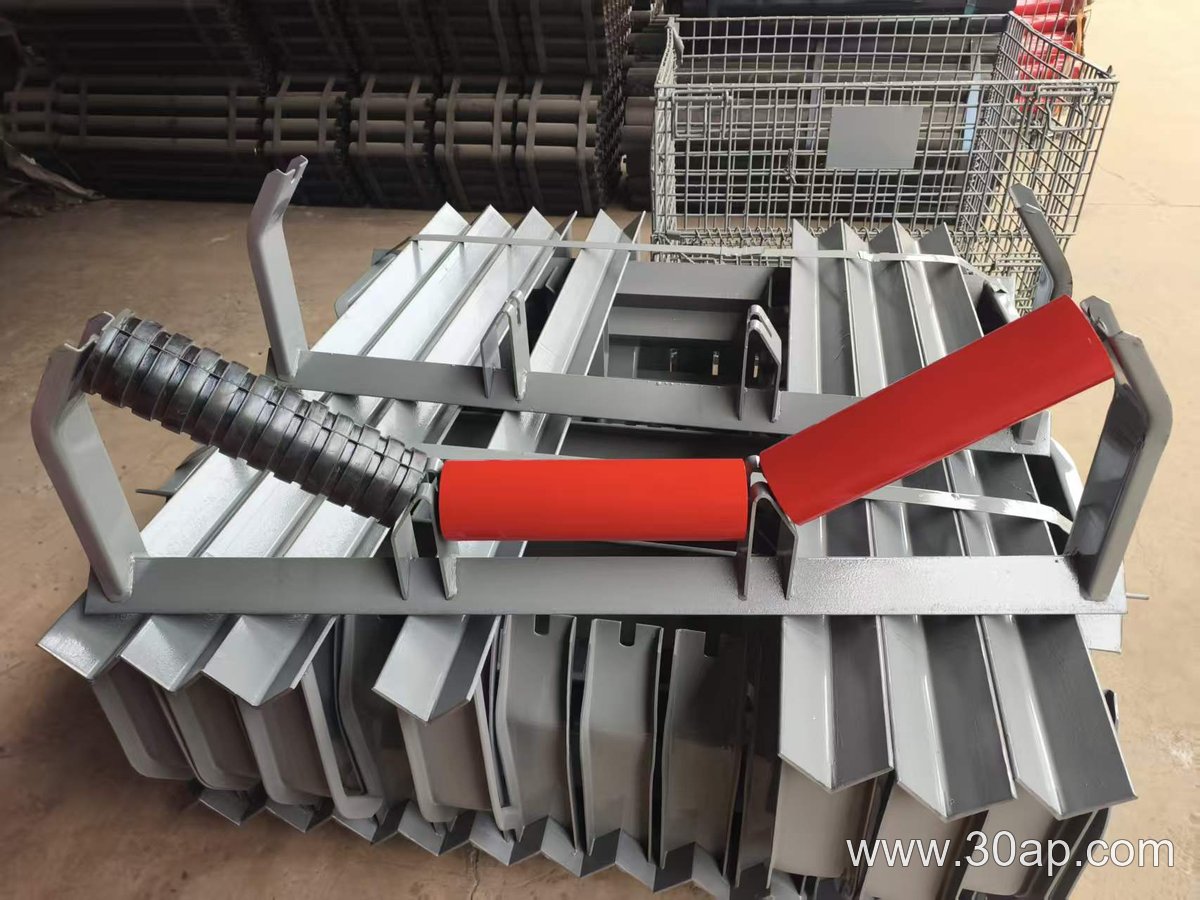
Key Factors to Evaluate When Choosing an Idler Roller
- Load and impact resistance: Assess the maximum lump size and material density. For heavy or abrasive loads, choose a reinforced idler roller with thicker wall tubing and heavy-duty bearings.
- Roller diameter and belt speed: Match the roller diameter to the belt width and speed to ensure proper troughing and minimal flex fatigue. Smaller diameters may cause belt sag; larger ones increase cost and inertia.
- Sealing and environmental conditions: For dusty, wet, or corrosive environments, select an idler roller with labyrinth seals or contact seals that prevent contamination. Consider stainless steel or polymer coatings where chemical exposure is a risk.
- Frame type and mounting: Verify the idler roller’s frame (cushion, offset, or standard) fits your existing conveyor structure. Ensure the center roll length and trough angle (typically 20°, 35°, or 45°) align with your belt profile.
Practical Purchasing Advice for Idler Rollers
Always request a detailed specification sheet, including radial run-out and bearing load ratings. Test samples before bulk ordering, and prioritize manufacturers that offer interchangeable parts with common standards (CEMA or ISO). Additionally, factor in lifecycle cost—cheaper idler rollers often lead to more frequent replacements and higher maintenance labor. Buy from suppliers that provide technical support for installation and alignment, as correct roller spacing and frame leveling are vital to achieving the intended service life.
Conveyor Pulley Fundamentals for Industrial Buyers
The conveyor pulley is the critical load-bearing component that drives belt movement and maintains tension in bulk material handling systems. Choosing the wrong pulley leads to belt slippage, premature wear, and costly downtime.
Key Selection Criteria
- Belt width and speed: Match pulley face length to belt width plus 2–4 inches for proper tracking.
- Shaft diameter and bearing load: Calculate resultant radial loads from belt tension and material weight to avoid shaft deflection.
- Lagging type: Use ceramic lagging for high-slip, wet, or abrasive environments; rubber lagging suits general duty.
Purchasing Advice
Always specify the pulley’s crown profile (standard 10 mm) for self-centering. Request finite element analysis (FEA) reports for welded end discs on pulleys above 500 mm diameter. Verify that the manufacturer offers balancing to ISO 1940 G6.3 grade to reduce vibration. For replacement, measure the existing pulley’s hub bore, keyway, and overall length precisely.
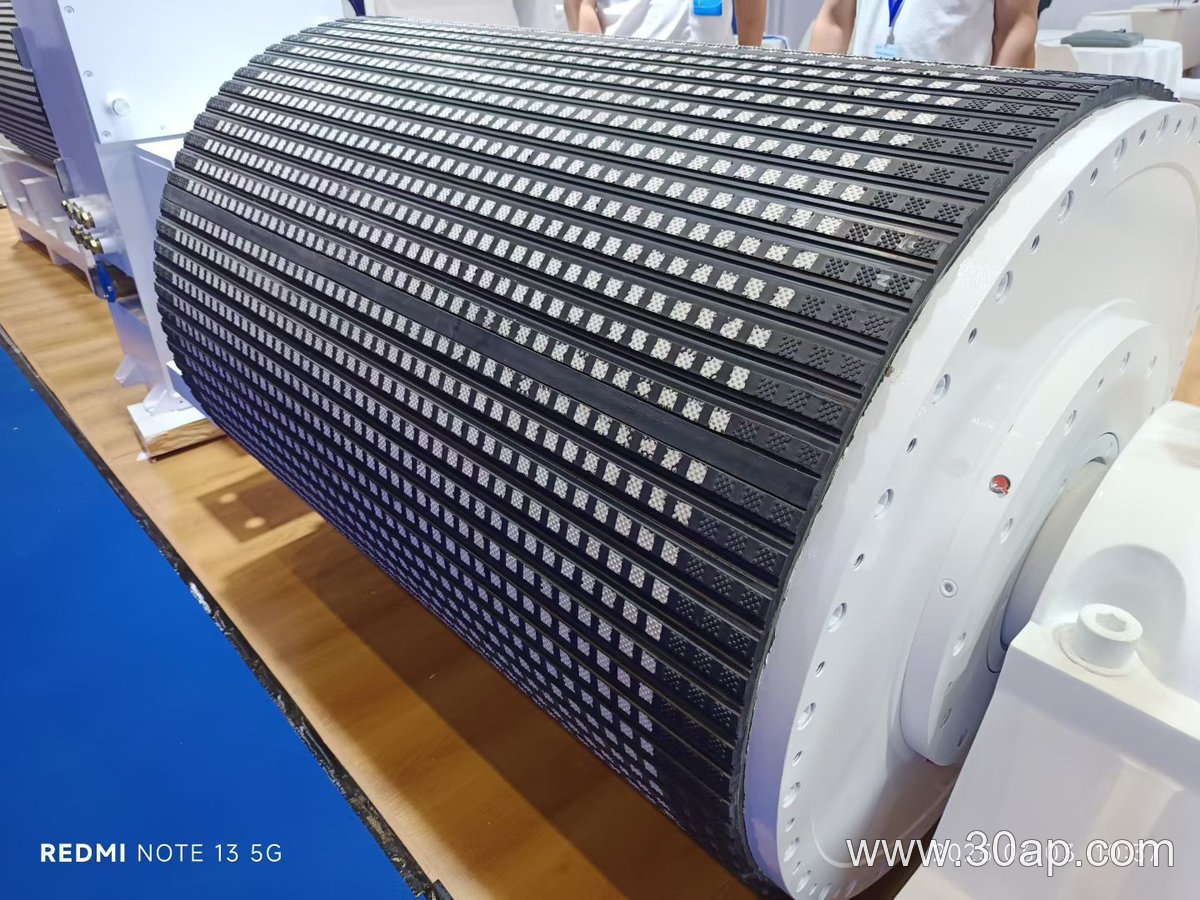
Finally, compare total cost of ownership—not just unit price. A heavier-duty pulley with sealed-for-life bearings reduces maintenance frequency and increases belt life, especially at high-tension take-up locations.
Why Conveyor Brackets Define System Integrity
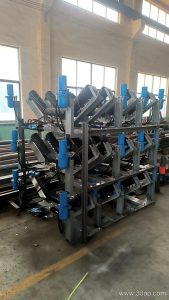
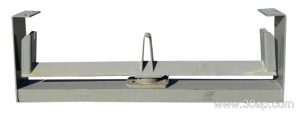
Every conveyor line depends on its brackets to maintain alignment, absorb vibration, and secure critical rollers or drives. A poorly chosen conveyor bracket causes mis-tracked belts, premature bearing wear, and costly downtime.
Material and Coating Selection
Choose galvanized steel for humid or washdown environments, stainless steel for corrosive or food-grade lines, and powder-coated carbon steel for dry, abrasive settings. Verify weld quality and slot tolerances before ordering.
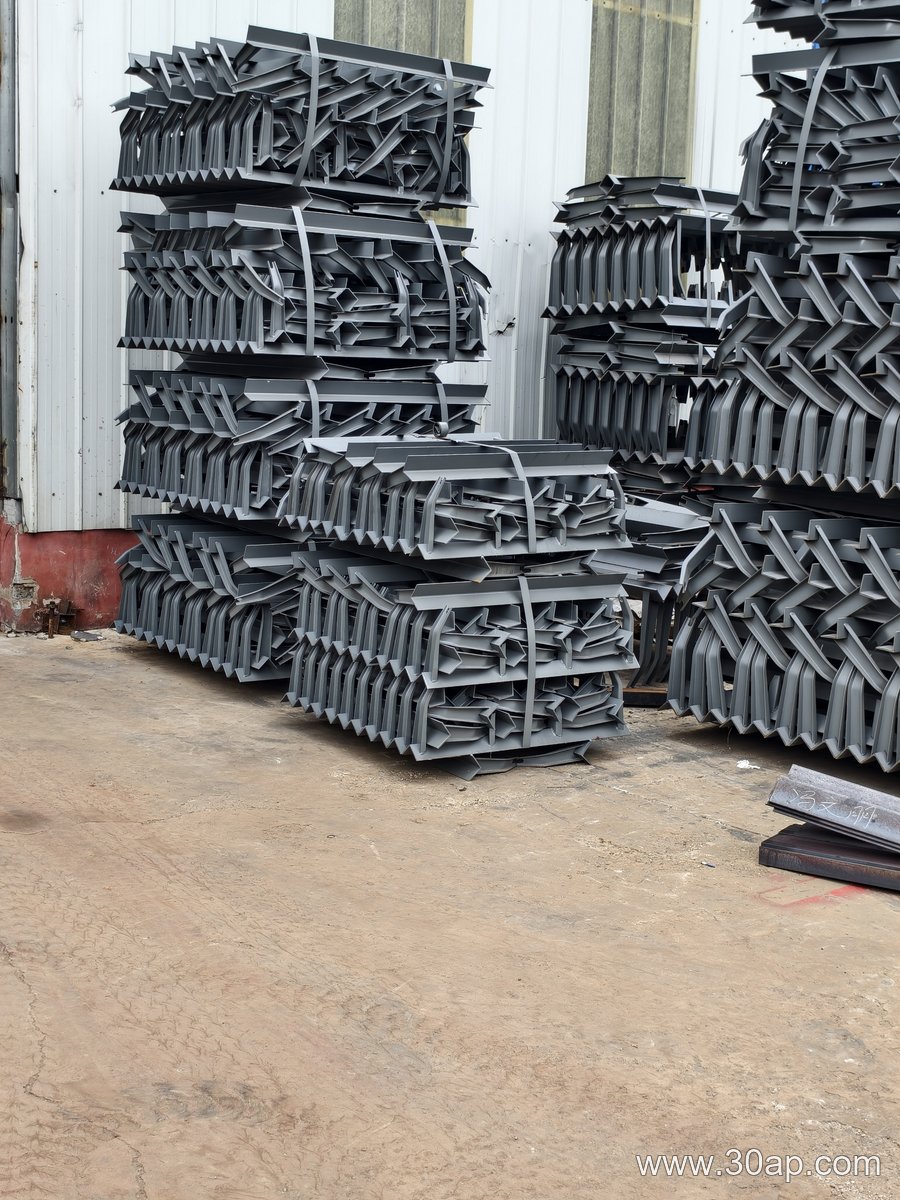
Load and Geometry Ratings
- Match dynamic load ratings to your belt tension and product weight.
- Measure bolt-hole patterns and bracket width against existing frames.
- Confirm adjustable slots allow ±5° idler tilt for tracking corrections.
Purchasing Advice for Bulk Orders
Request a sample bracket for fit testing. Ask for fatigue test data, and ensure suppliers provide replacement fasteners and shims. Always stock 5% spares to reduce line stoppage risk.
Why the Conveyor Belt Defines Your Material Handling Efficiency
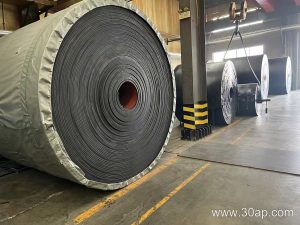
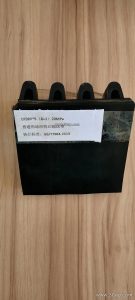
The conveyor belt is the silent workhorse of any industrial operation. Its tensile strength, surface friction, and splice quality directly determine throughput and downtime. Choosing a belt without analyzing your material’s abrasiveness and operating temperature leads to premature failures.
Key Selection Criteria for Conveyor Belts
- Identify the belt carcass: multi-ply polyester for general use, steel cord for high-tension long hauls.
- Match the cover rubber grade: wear-resistant (abrasive ores), oil-resistant (food processing), or heat-resistant (slag handling).
- Verify belt width and speed against your conveyor’s drive capacity and idler spacing.
Purchasing and Maintenance Advice
Always request a splice kit and certified tension data from the manufacturer. For replacements, measure the belt’s exact running length and take-up travel before ordering. Inspect edge wear monthly; a frayed edge indicates misalignment that will shorten belt life by 40%.
Invest in a belt with a reinforced top cover if you use impact loading chutes. Compare cost per ton moved, not just upfront price, and demand a warranty that covers both delamination and fastener pull-out.