What a Ceramic Pulley Is and Why It Matters
A ceramic pulley is a conveyor pulley whose outer surface is covered with wear-resistant ceramic tiles bonded to a rubber or polymer base. In many plants it is simply called a ceramic lagged pulley or ceramic-coated drum. The ceramic layer is not a cosmetic upgrade; it is a traction solution. When a conveyor belt carries wet, sticky, or abrasive material, a smooth or plain rubber surface can slip. The ceramic studs or tiles bite into the belt cover and push water and fines away from the contact zone, so the drive can transmit torque more reliably.
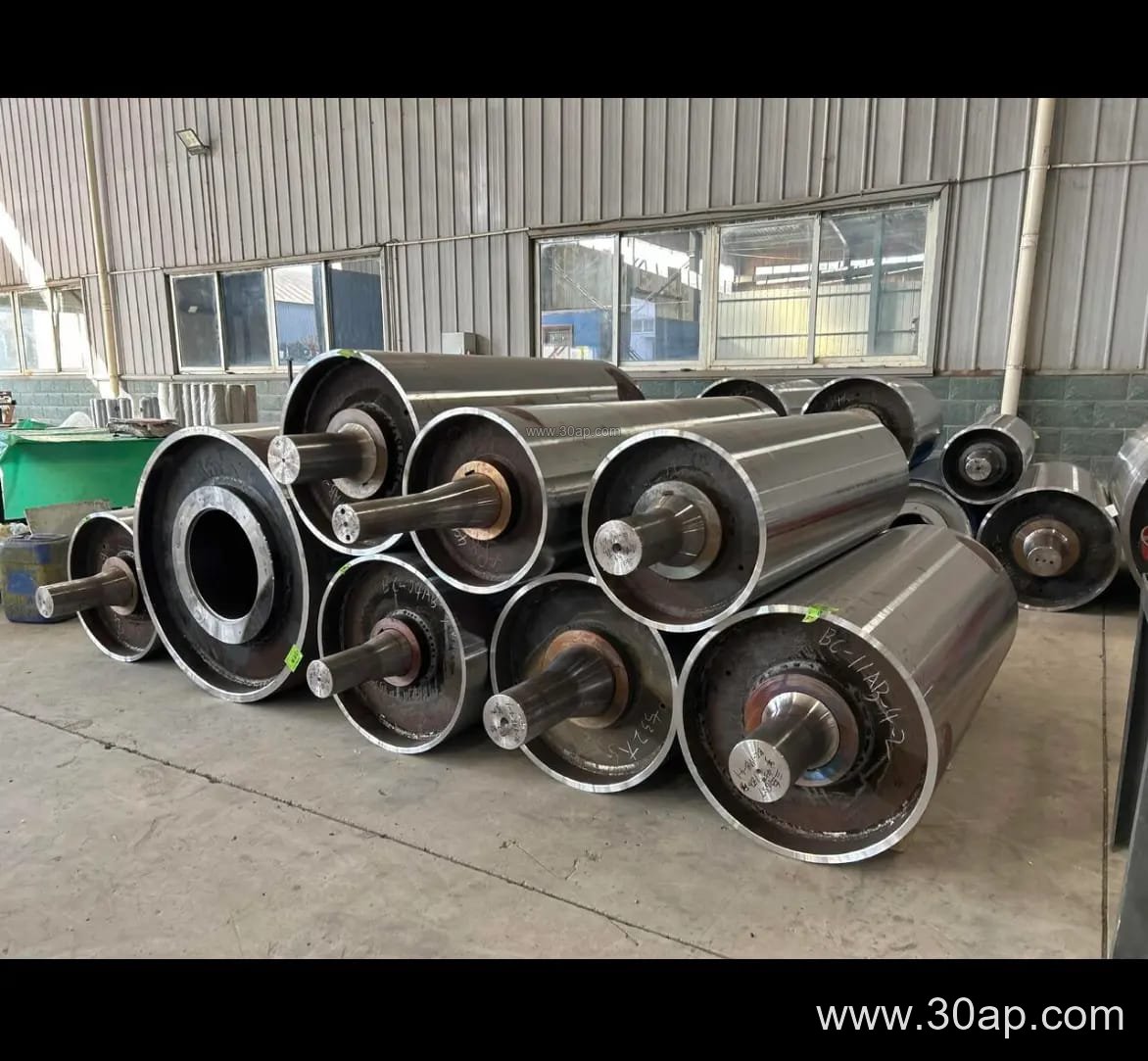
This pulley is still a drum: a cylindrical shell, two end discs, a shaft, and bearing housings. What changes is the surface. The ceramic pieces are usually embedded in a rubber lagging that is vulcanized or cold-bonded to the shell. The result is a hard, rough surface that keeps grip even when the belt is muddy or dusty. In a quarry, a coal preparation plant, or a cement clinker line, that difference can reduce belt slip and extend belt life.
How It Is Built and Where It Fits
The build starts with a steel shell, often machined to a slight crown so the belt trains toward the center. The shaft is sized by torque and load, not by belt width alone. Common shaft diameters include Ø50, Ø60, Ø70, Ø80, Ø90, Ø100, Ø120, Ø140, Ø160, Ø180, and Ø200 mm. The lagging is applied in a workshop, then the ceramic tiles are set in a pattern. A typical ceramic lagging thickness may be 8, 10, 12, 15, or 20 mm, but the final choice depends on the duty.
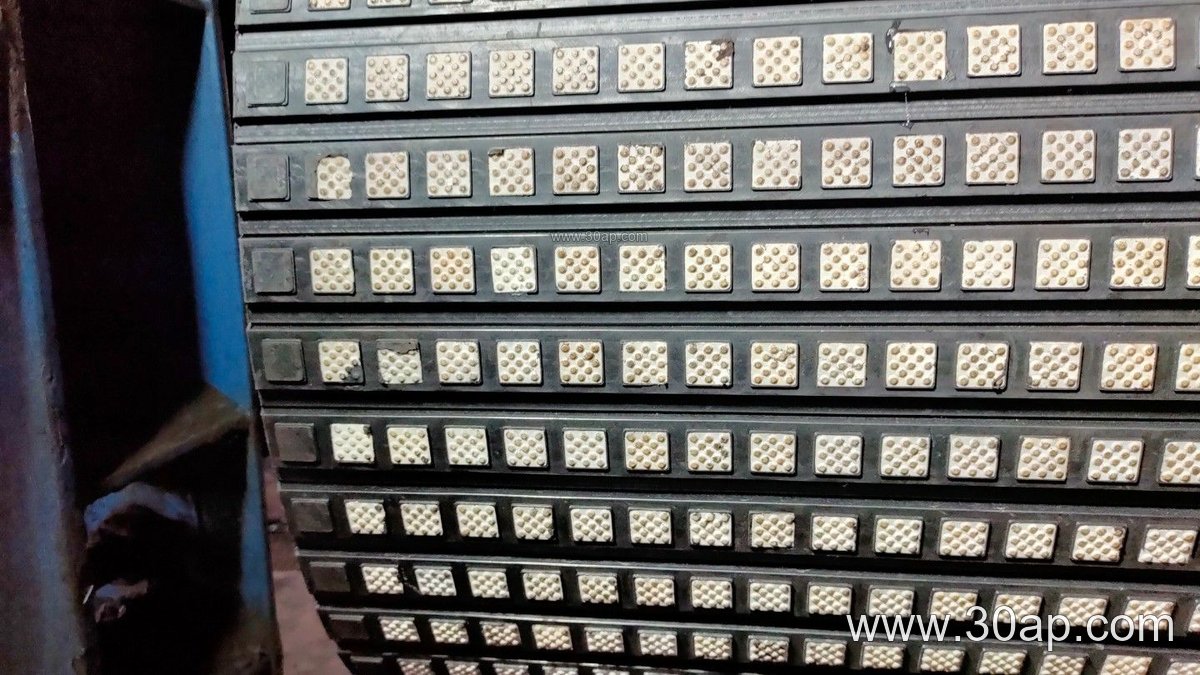
Ceramic pulleys are most often used as drive pulleys, also called head pulleys, where the belt leaves the carrying side and the highest traction is needed. They can also appear on tail pulleys or bend pulleys in wet or abrasive service, but these positions are not interchangeable. A tail pulley may need a different surface and diameter than a drive pulley. A bend pulley only changes belt direction, so it usually does not need the same aggressive ceramic grip. If you are comparing options, mention the exact position: drive, tail, or bend.
Typical Dimensions and Surface Forms
Belt width and pulley diameter are selected together with the conveyor profile, belt tension, and material. The table below gives common reference values, not fixed combinations. A B800 belt may run on a Ø500 pulley in one conveyor and a larger diameter in another.
| Belt width | Typical pulley face width | Common diameter range |
|---|---|---|
| B400 | about 500 mm | Ø200 to Ø400 |
| B500 | about 600 mm | Ø250 to Ø500 |
| B650 | about 750 mm | Ø315 to Ø630 |
| B800 | about 950 mm | Ø400 to Ø800 |
| B1000 | about 1150 mm | Ø500 to Ø1000 |
| B1200 | about 1400 mm | Ø630 to Ø1250 |
| B1400 | about 1600 mm | Ø800 to Ø1400 |
| B1600 | about 1800 mm | Ø1000 to Ø1600 |
| B1800 | about 2000 mm | Ø1250 to Ø1800 |
| B2000 | about 2200 mm | Ø1400 to Ø1800 |
Surface forms for a ceramic pulley are usually described by the ceramic pattern, such as ceramic tiles or ceramic studs, often on a rubber base. Do not confuse this with plain rubber lagging, diamond lagging, or herringbone lagging. Those are different surface choices. A ceramic surface is chosen when slip and wear are the main concerns.
Applications and Selection Notes
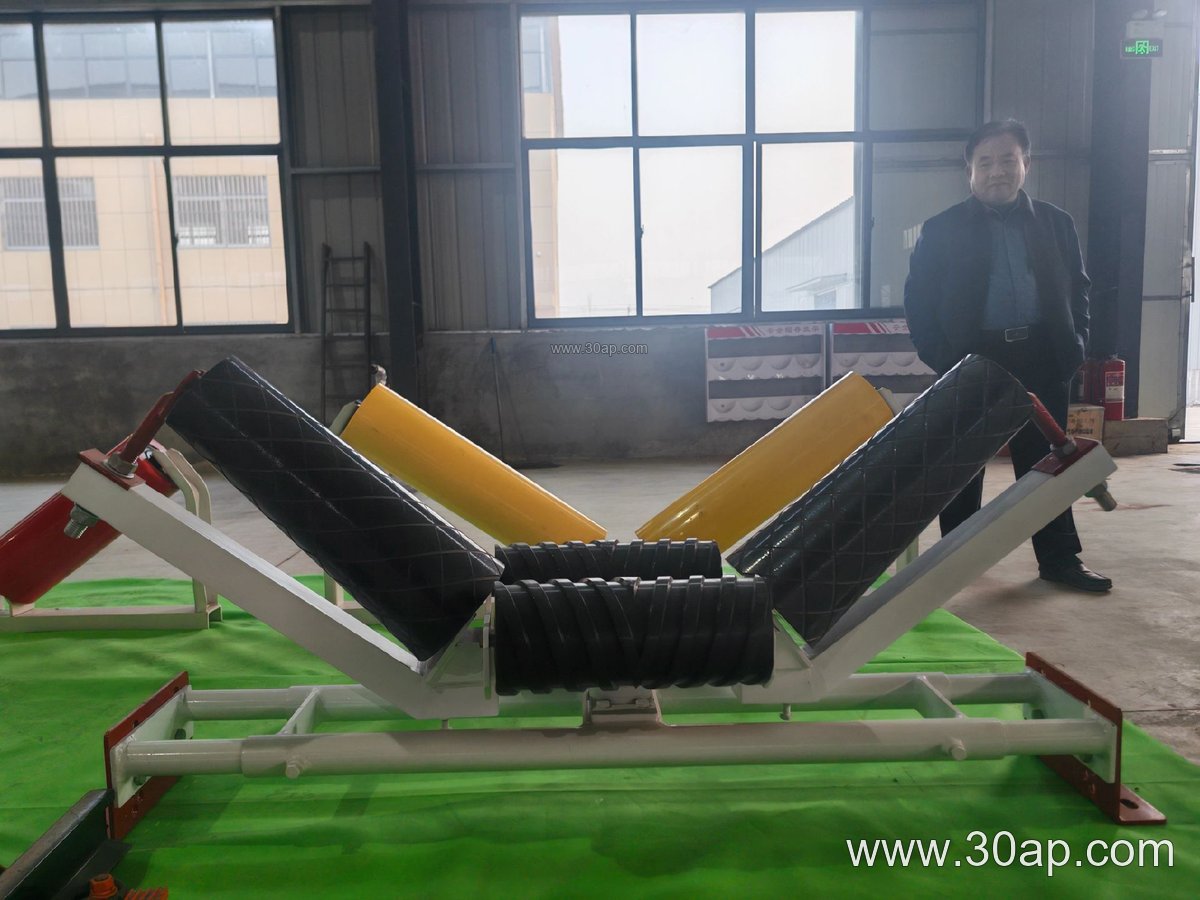
You will see ceramic pulleys in sand and gravel lines, iron ore and copper ore handling, coal washing plants, cement plants, and power station coal conveying. They also suit tunnel muck removal and fertilizer or grain terminals where moisture can make a belt slick. In these places, a conveyor belt, idler roller, and conveyor bracket all work together. A ceramic pulley only helps if the belt tension and alignment are correct.
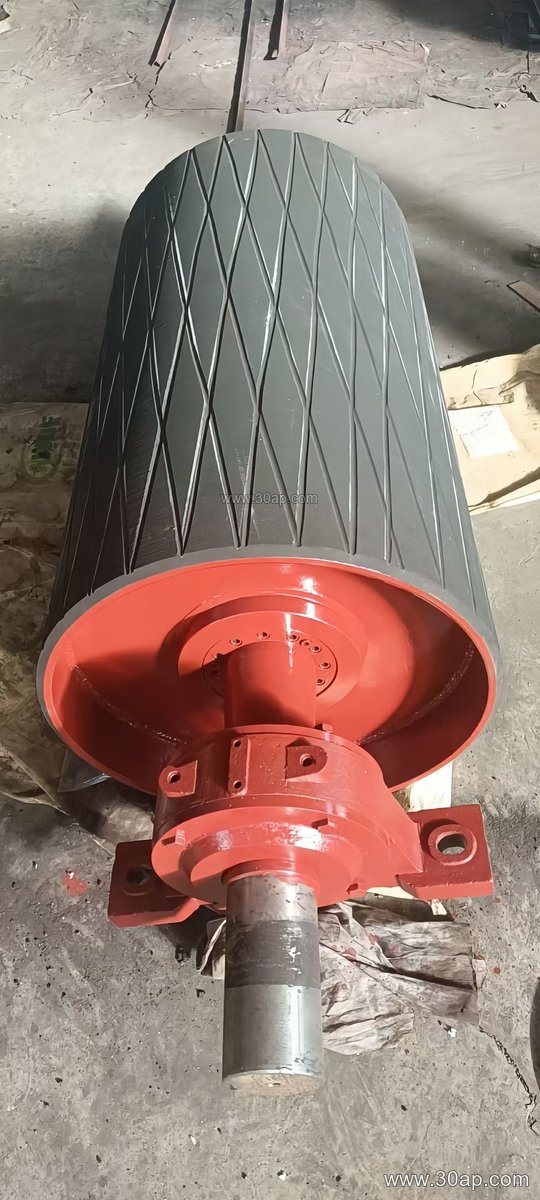
When specifying, give the conveyor duty, belt width, belt speed, material, and whether the pulley is a drive, tail, or bend position. Ask for the shaft diameter to be calculated from torque and load. Do not assume a shaft size from belt width. Check the face width, lagging thickness, and ceramic pattern. For a drive pulley, ceramic lagging can improve grip; for a bend pulley, a plain or rubber surface may be enough. Keep spare conveyor pulleys and brackets compatible with the existing frame.
Maintenance and Buyer Checks
- Inspect ceramic tiles for cracks or missing pieces. A broken tile can damage the belt cover.
- Check lagging bond and edge lift, especially after wet or abrasive service.
- Verify belt tracking and skirt rubber condition, because misalignment wears the ceramic surface unevenly.
- Confirm that the shaft, bearings, and bearing housings match the conveyor bracket and load.
- Keep the idler roller and conveyor belt clean; material build-up can reduce traction.
A ceramic pulley is a wear part and a traction part. Buy it by position, duty, and dimensions, not by a single catalog number. The right ceramic surface can keep a conveyor running in wet, dirty conditions, while the wrong surface or wrong diameter can waste power and shorten belt life.