Why the Conveyor Bracket Determines System Reliability
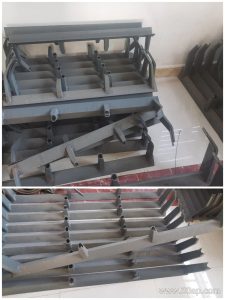
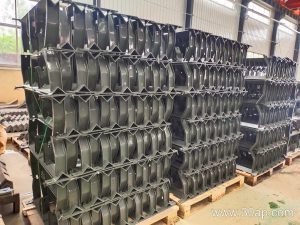
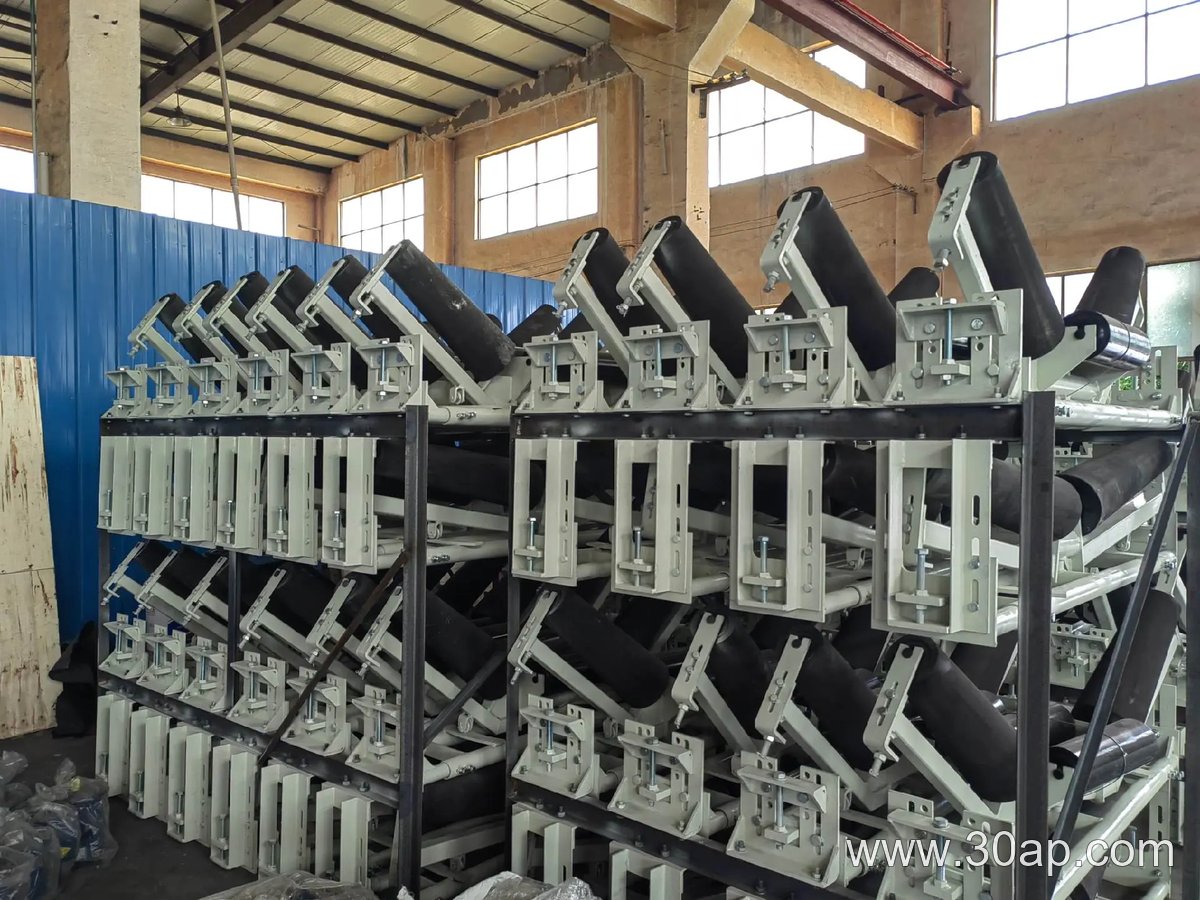
The conveyor bracket is the structural interface between your belt frame and its load-bearing rollers, idlers, or return pulleys. A poorly chosen bracket causes misalignment, vibration, and premature bearing failure. For industrial exporters, matching bracket geometry to the actual rail profile and dynamic load is non-negotiable.
Material and Finish Choices
Select steel brackets (Q235 or SS304) for heavy aggregates; aluminum suits food-grade or low-weight lines. Hot-dip galvanizing resists corrosion in washdown or coastal plants. Always verify the bracket’s thickness against the idler shaft diameter—undersized units deform under peak surge loads.
Critical Purchase Criteria
- Measure the rail flange width and slot spacing before ordering—do not assume universal fit.
- Confirm the bracket’s working angle (0°, 20°, 35°, 45°) matches your troughing idler set.
- Check for slotted bolt holes to allow field adjustment of belt tracking.
- Request load-test certificates for brackets rated above 200 kg per pair.
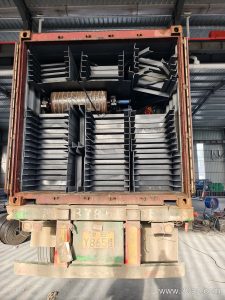
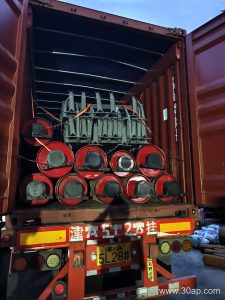
- For export, verify weld quality (no spatter) and anti-rust oil coating to survive humid shipping.
Remember: a conveyor bracket is not a commodity. Request a dimensional drawing and a sample weld coupon before bulk purchase, and always match the bracket’s fixing pitch to your existing stringer holes.
Understanding Conveyor Belt Fundamentals
The conveyor belt is the silent workhorse of modern manufacturing, mining, and logistics. Its primary function is to move materials reliably over distance, but its true value lies in matching the belt’s construction to your specific load, speed, and environment.
Key Selection Factors
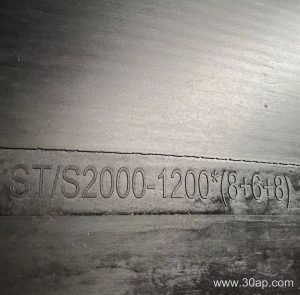
- Material type: Rubber for abrasive ores, PVC for food handling, and steel cord for heavy tension.
- Surface texture: Smooth for general use, chevron for inclined transfer, and rough-top for package grip.
- Temperature and chemical exposure: Choose heat-resistant or oil-resistant compounds to avoid premature cracking.
Purchasing Advice
Always measure belt thickness, width, and belt carcass strength against your pulley diameter and motor power. Request a splice test report from the supplier to verify joint durability. For long-term cost, compare total cost of ownership—not just price per meter—including downtime and replacement frequency.
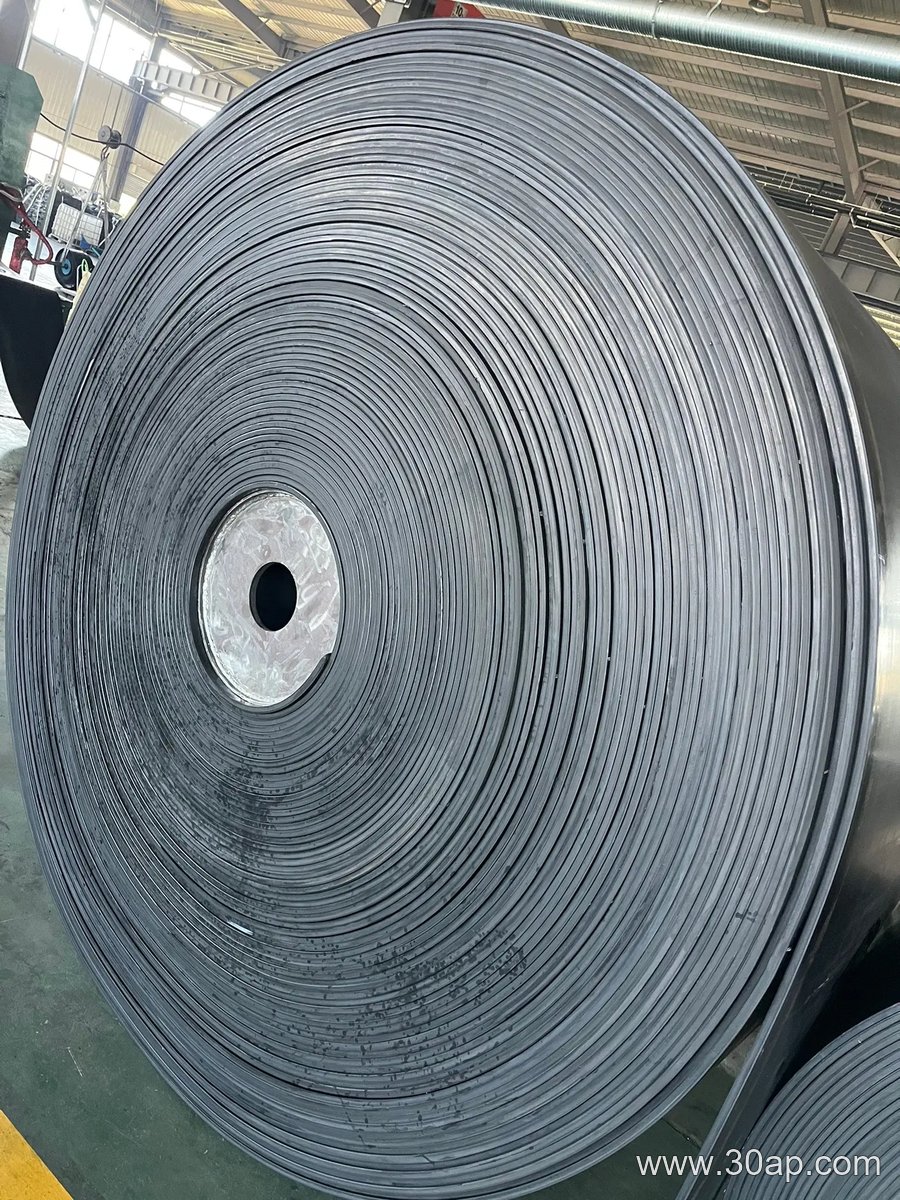
Finally, ask for a trial run under full load. A quality conveyor belt should show minimal stretch and no edge fraying within the first 48 hours of operation.
Idler Roller: The Backbone of Efficient Bulk Handling
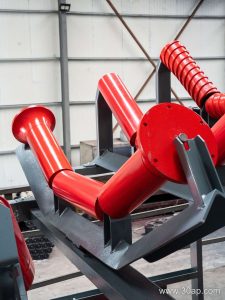
An idler roller is a non-powered cylindrical component that supports conveyor belts and transported materials, reducing friction and preventing belt sagging. Choosing the right idler roller directly impacts operational uptime, energy consumption, and maintenance costs.
Key Selection Criteria
When specifying idler rollers, evaluate these factors to match your application:
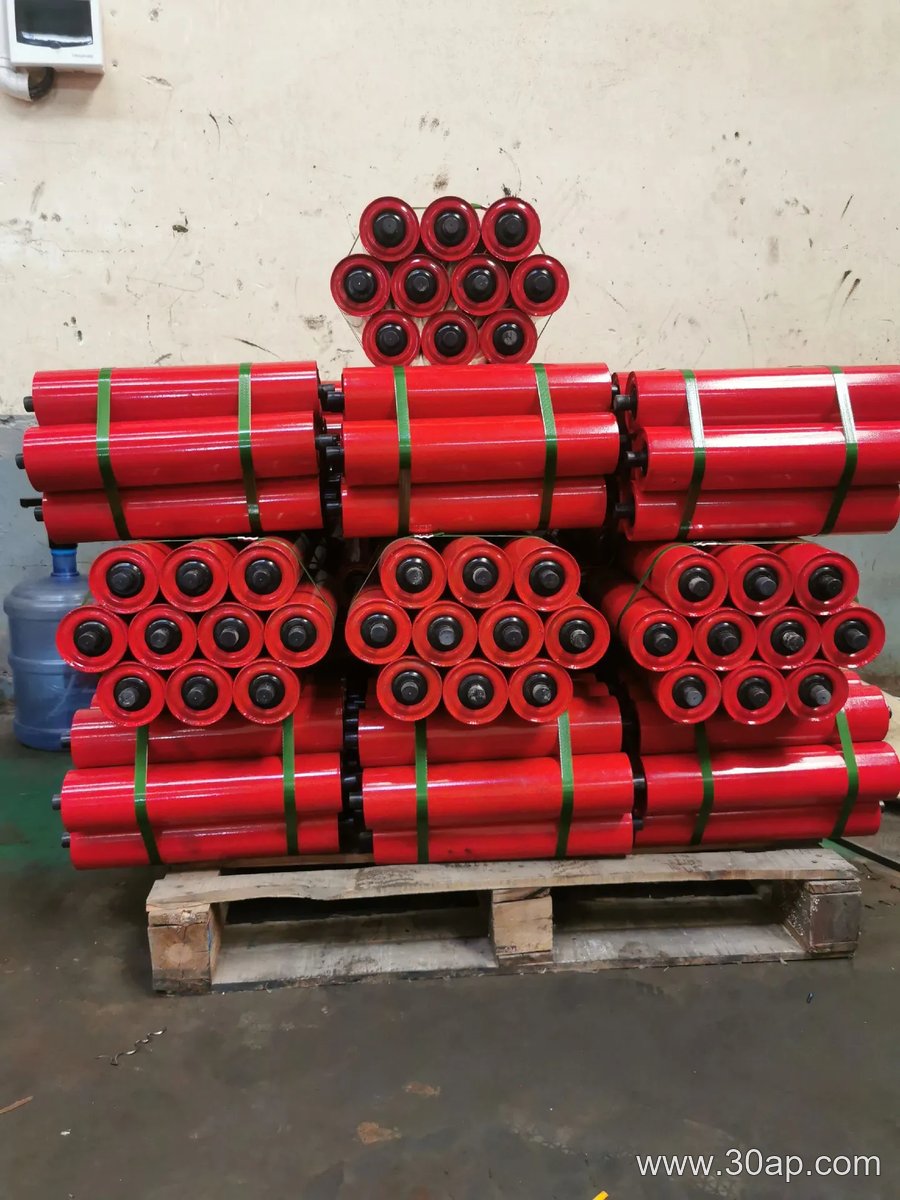
- Load capacity: Calculate the maximum belt load and impact force, especially at loading zones.
- Belt speed and width: Ensure roller diameter and length align with your conveyor’s speed and belt width to avoid premature wear.
- Material handled: Abrasive or corrosive materials require sealed bearings and robust shell materials like steel or HDPE.
- Environment: For dusty or wet conditions, choose rollers with labyrinth or contact seals and corrosion-resistant coatings.
Buying and Maintenance Advice
Invest in rollers with a minimum shell thickness of 3–4 mm for heavy-duty use, and verify that bearings meet C3 or C4 clearance for thermal expansion. Always request a spare set for critical conveyors, and inspect rollers monthly for misalignment or uneven wear—replacing worn units early prevents belt damage and costly downtime. Consider troughing angles (20°, 35°, 45°) to match your belt’s carrying capacity, and consult the manufacturer’s load rating chart before finalizing your purchase.
Why the Conveyor Pulley Dictates System Reliability
The conveyor pulley is not just a rotating cylinder—it is the load-bearing anchor that drives belt tension, tracking, and torque transfer. A poorly chosen pulley leads to belt slippage, premature idler wear, and costly downtime.
Key Specifications to Evaluate Before Purchase
Match the pulley diameter to belt speed and carcass flexibility. Oversized pulleys reduce bending stress; undersized ones cause fatigue cracks. Verify the shaft diameter and hub connection against your calculated peak torque, not average load.
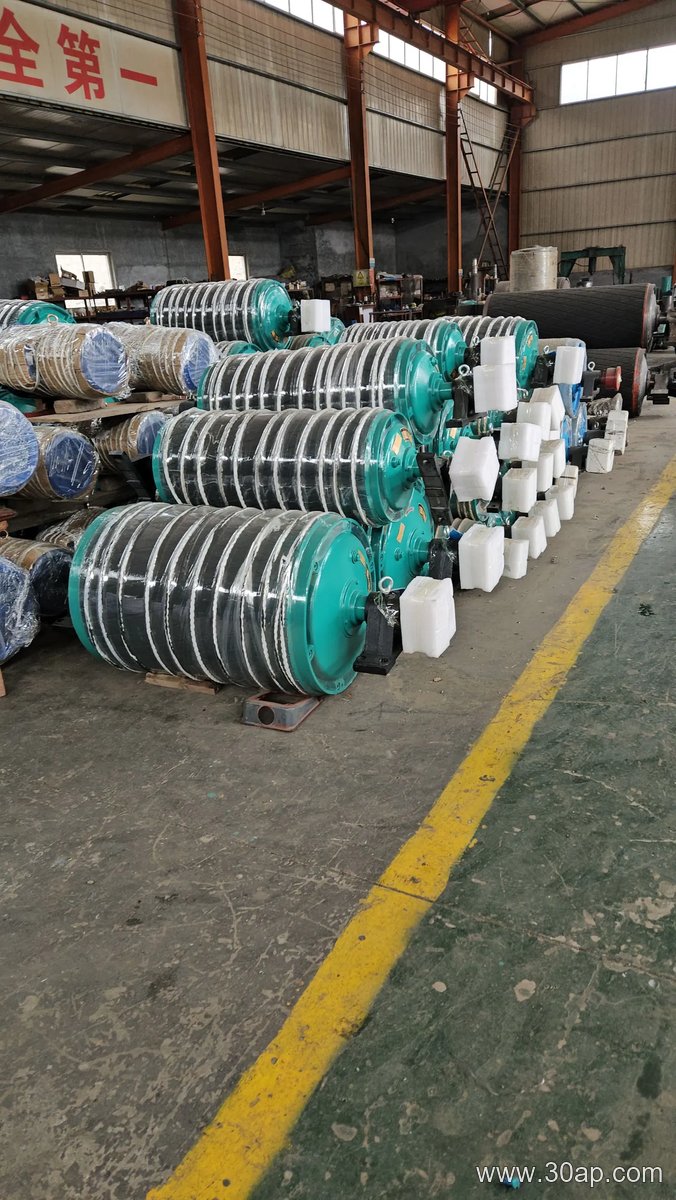
- Shell thickness: Choose 10–25 mm based on material abrasiveness and impact zones.
- Lagging: Ceramic lagging for wet, high-slip conditions; rubber for general duty.
- Bearing housing: Opt for self-aligning spherical roller bearings on head and tail pulleys.
- Crown profile: A 0.5–1% crown assists belt centering, but avoid over-crowning on short belts.
Selection and Purchasing Advice
Request a finite element analysis (FEA) report from the supplier for shaft deflection under full load. Always specify the pulley face width 150–300 mm wider than the belt, and confirm balancing grade—G6.3 or better for speeds above 4 m/s. Compare total cost of ownership, not just unit price: a premium pulley with sealed bearings and replaceable lagging often pays back within 18 months of operation. Finally, insist on a dimensional inspection certificate and a two-year warranty against weld failure.