What a Quarry Conveyor Belt Does
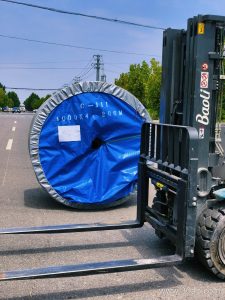
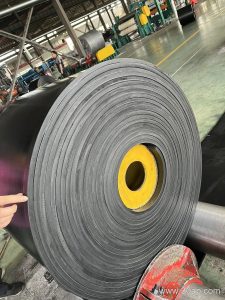
A quarry conveyor belt is the load-carrying element of a bulk handling system that moves crushed rock, sand, gravel, and screened aggregate between the pit, the crusher, the stockpiles, and the loadout area. Unlike a belt used in a clean warehouse, this one works in a hostile setting. Sharp stone edges, abrasive dust, rain, and repeated impact from drop points all push the rubber and the carcass to their limits.
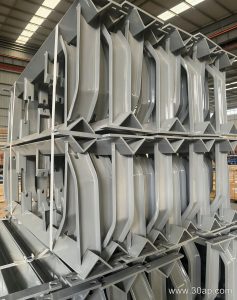
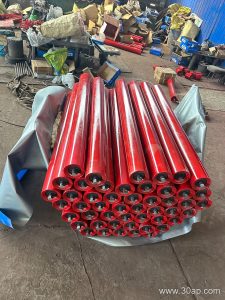
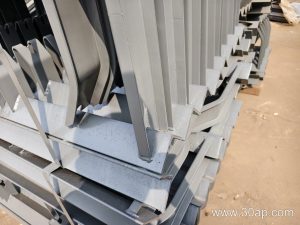
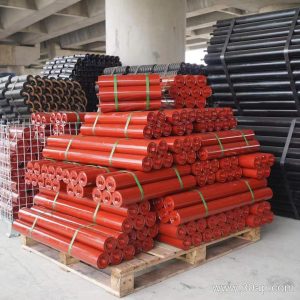
The belt runs over a series of components: a drive pulley that supplies motion, a tail pulley at the loading end, bend pulleys that redirect the path, carrying and return idler rollers, and the steel frame supported by a conveyor bracket at each connection point. The belt itself is the part that wears first, so matching it to the duty is the single most important decision.
How the Belt Is Built
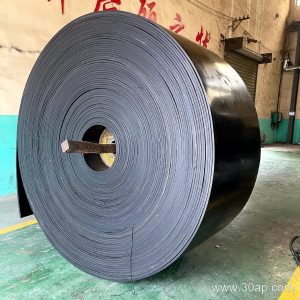
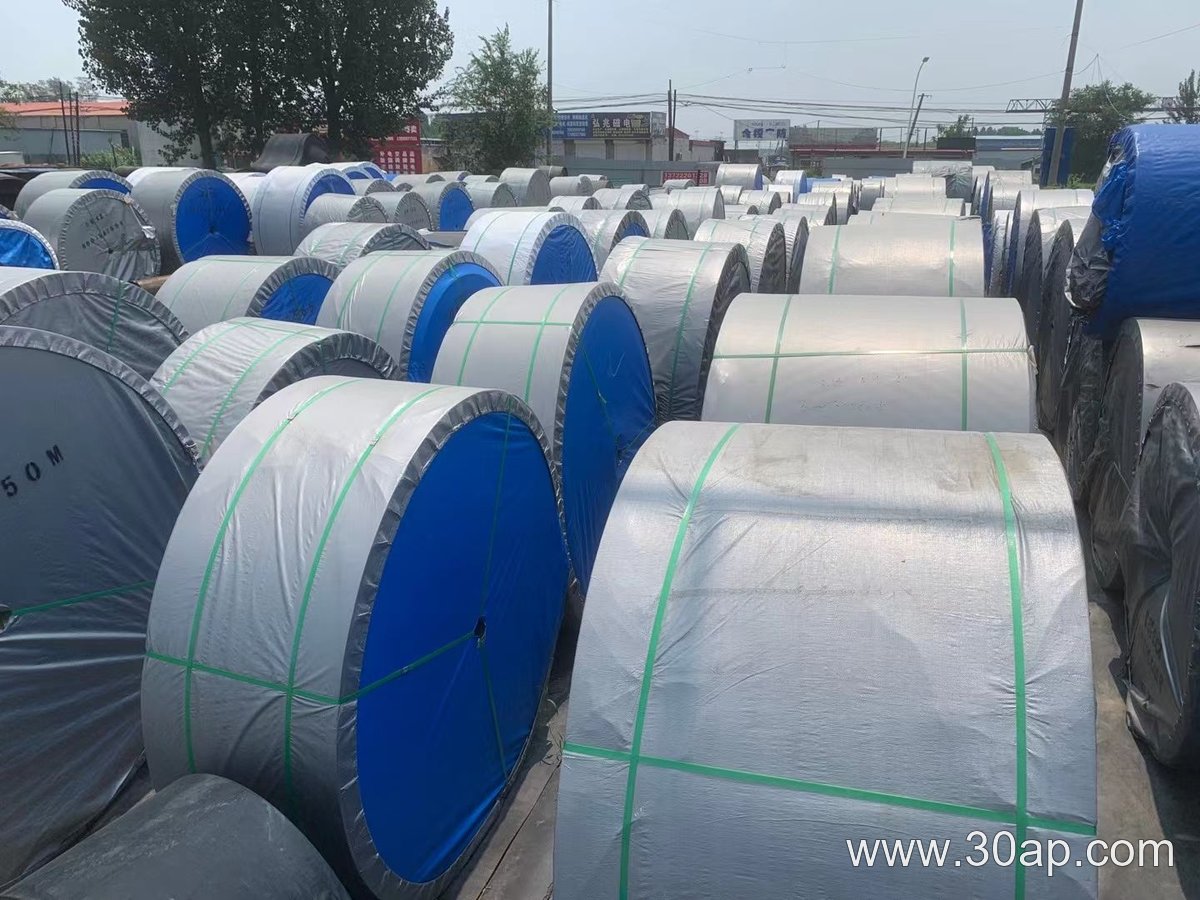
The structure is a sandwich. A tension-bearing carcass sits in the middle, covered top and bottom with rubber compounds. In quarry work the carcass is usually fabric-reinforced or steel-cord.
- EP conveyor belt – polyester warp with polyamide weft, the common workhorse for medium and long haulage.
- NN nylon conveyor belt – nylon warp and weft, offering high elongation and excellent impact resistance at transfer points.
- Steel cord conveyor belt – steel wires running lengthwise, chosen for very long runs and high tension.
Fabric belts are normally built with 2 to 6 plies. Common strength grades include EP200, EP315, EP400, EP500, EP630, EP800, EP1000, EP1250, EP1600 and EP2000. Cover gauge is written as top plus bottom, for example 4+2, 5+2, 6+2 or 8+3 mm. A primary crusher discharge line usually needs a thicker top cover than a finished-product stacker, because the rock is still coarse and angular.
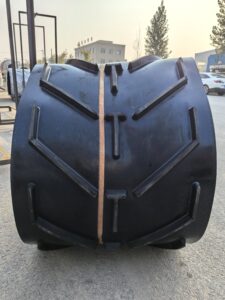
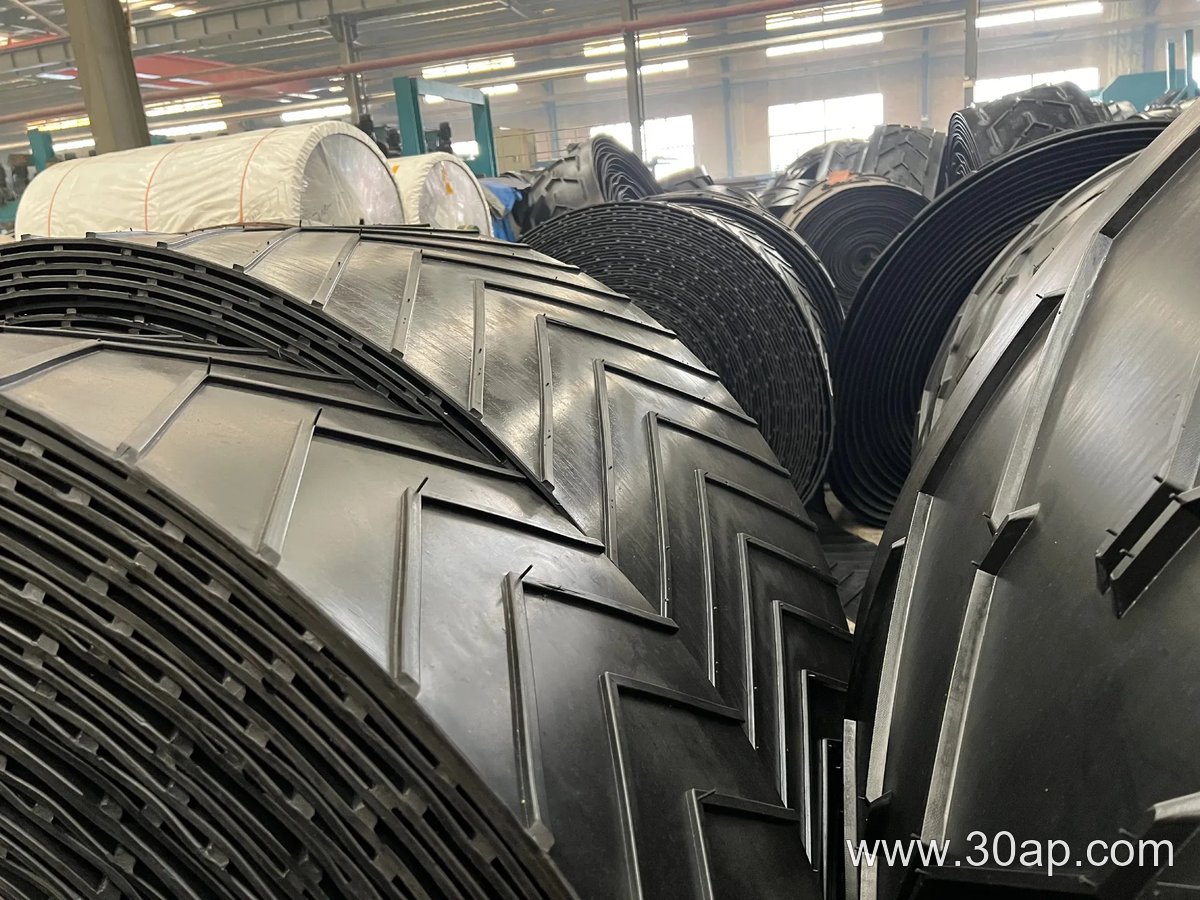
Special compounds extend service life where conditions demand it: abrasion-resistant for dry, sharp stone, heat-resistant behind a hot clinker or asphalt feed, oil-resistant near lubricated machinery, flame-retardant and anti-static in enclosed tunnels, cold-resistant in winter operations, and acid or alkali resistant where wash water is aggressive. Patterned surfaces such as chevron or herringbone, and sidewall belts with corrugated flanges, solve slope and containment problems rather than wear problems.
Where It Is Used in a Quarry
The same product appears in several duties, and each duty changes the specification. A primary jaw or gyratory discharge belt takes large lumps and severe impact. A secondary screening feed belt handles smaller but still abrasive material. A stockpile belt may need a chevron pattern to climb a steep incline without rollback. A reclaim tunnel belt often runs in a confined, dusty space where anti-static and flame-retardant properties matter.
PVC and PVG belts are sometimes chosen for lighter or underground-adjacent duties, but they are a different construction family. They are not a drop-in replacement for a heavy-duty rubber belt on a high-tension quarry trunk line. Similarly, a belt with a smooth cover should not be swapped for a patterned one merely to gain traction on a flat run.
Widths, Strength and the Rest of the Line
Belt widths are commonly quoted as B500, B650, B800, B1000, B1200, B1400, B1600, B1800 and B2000. Width is set by the required tonnage, the lump size, and the troughing angle, not by a single rule. A wider belt is not automatically better; it adds weight and cost, and it demands matching pulleys, idlers, and frame dimensions.
It is a common mistake to assume one belt width locks in one pulley diameter. Pulley diameter follows the belt carcass, the number of plies or cord construction, and the tension, and it must be confirmed by the conveyor designer. The same applies to shaft diameter, which depends on torque and bending load, not on belt width alone. Drive, tail, and bend pulleys serve different functions and are not interchangeable, even when they look similar.
Idler roller spacing, trough angle, and the transition distance from the last idler to the pulley all affect how the belt tracks. Poor alignment at a conveyor bracket or a seized roller can destroy an otherwise correct belt in a few weeks.
What a Buyer Should Check
- Material type, maximum lump size, and drop height at the loading point.
- Required capacity in tonnes per hour and the belt speed the system is designed for.
- Belt width, ply or cord construction, and strength grade that match the calculated tension.
- Top and bottom cover thickness, and whether a special compound is needed.
- Splice type – vulcanized or mechanical – and whether the site can perform it.
- Pulley diameters, idler spacing, and take-up arrangement already installed.
Ask for the carcass data, cover compound, and recommended minimum pulley diameter in writing. A quarry conveyor belt is only as good as the conveyor it runs on, so the specification should be reviewed together with the pulleys, idlers, and structure rather than as an isolated purchase.