What a High-Friction Lagged Pulley Does
A high-friction lagged pulley is a conveyor pulley whose shell is covered with a rubber or ceramic lagging layer to raise the coefficient of friction between the drum surface and the conveyor belt. In practice, this is the same product many plants call a rubber-lagged pulley or friction-lagging pulley, and the two names describe one item. The added grip matters most where the belt must transmit high torque without slipping, such as a head drive position on a heavily loaded bulk handling line.
Without adequate friction, a drive pulley can slip under start-up load, polish the belt cover, and force the motor to draw excessive current. A properly lagged drum transfers torque more consistently across the full belt width and helps keep belt tension within the range the take-up system was designed for.
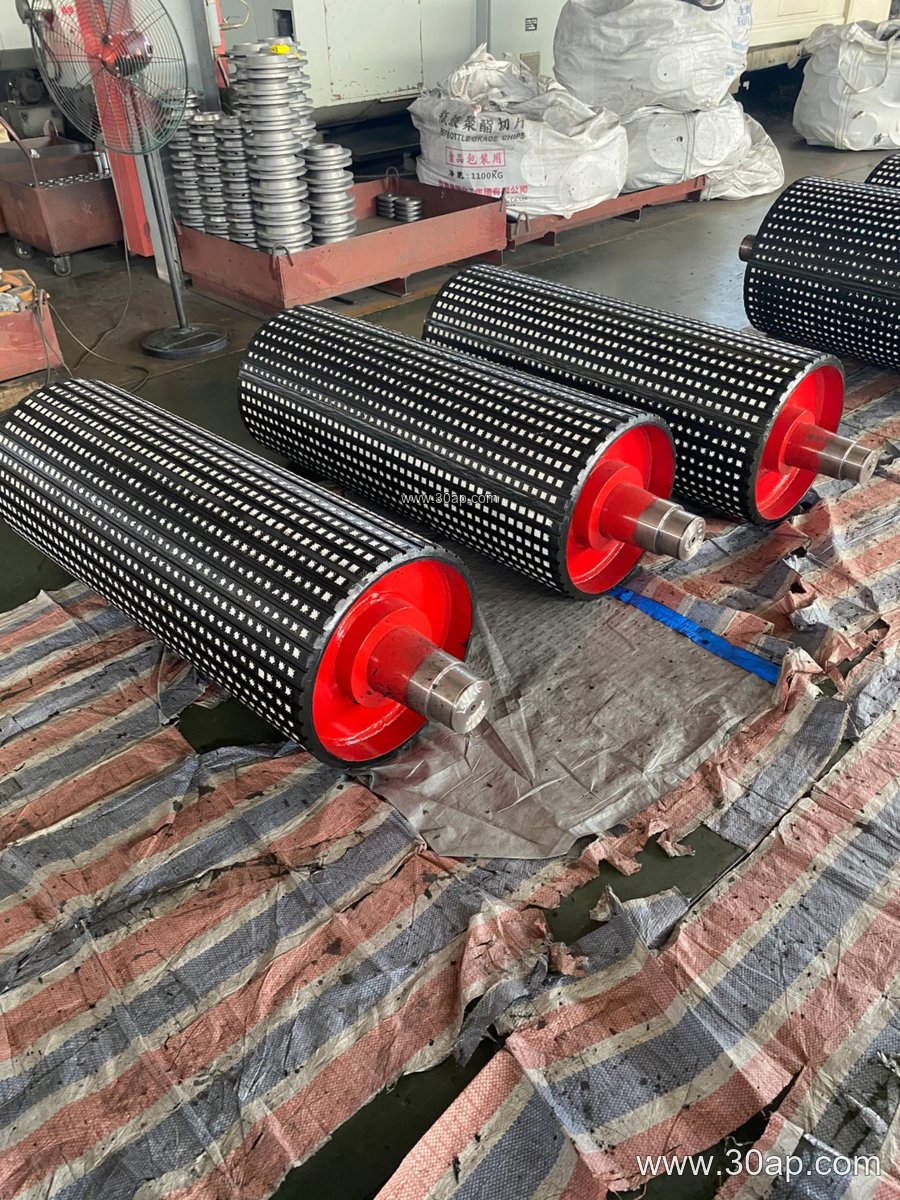
How the Lagging Is Built
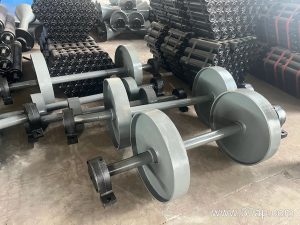
The pulley body usually starts as a welded steel shell with end discs, hubs, and a shaft. Lagging is then bonded to the shell in one of several ways. Cold-bonded rubber is common for general duty, while hot-vulcanized rubber offers a stronger bond for continuous heavy service. Ceramic tiles embedded in a rubber matrix are chosen where abrasive carryback and wet conditions shorten plain rubber life.
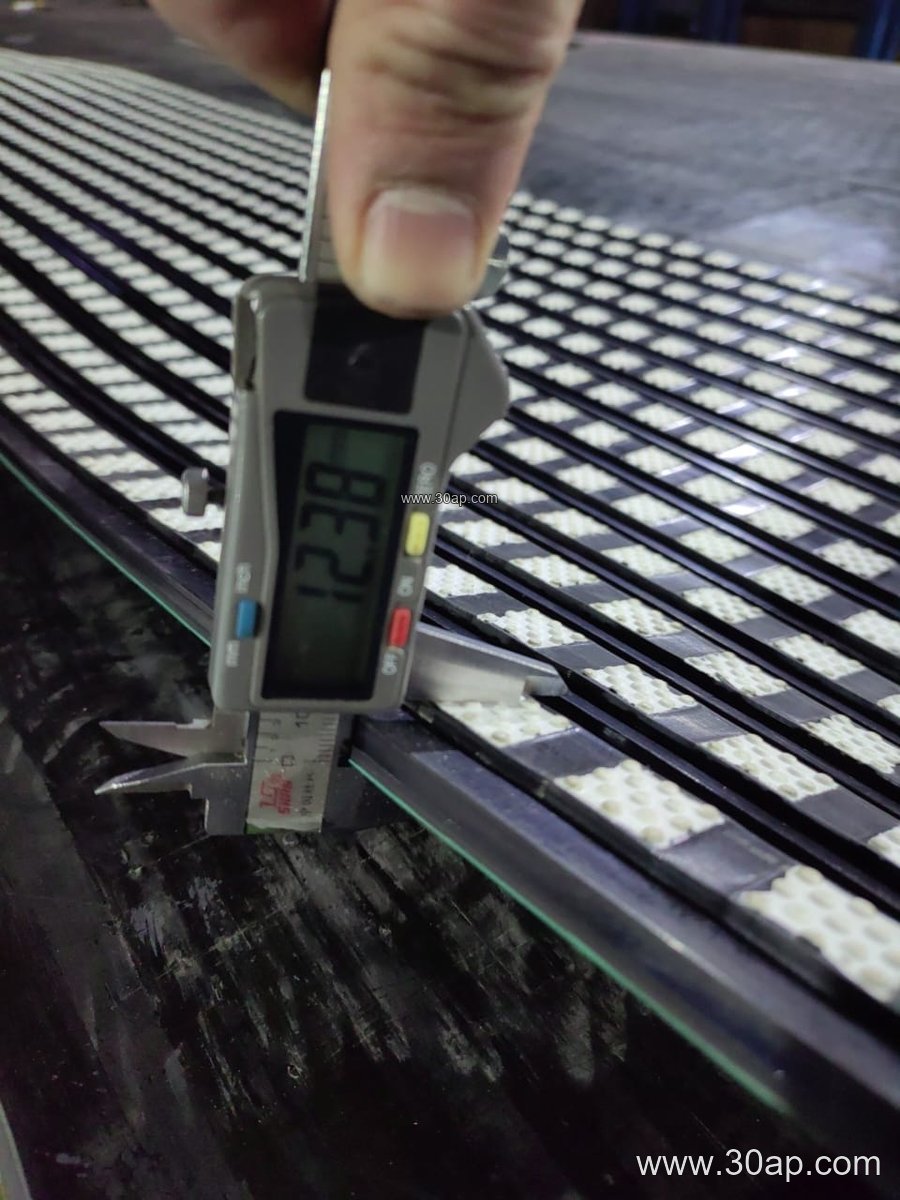
Surface form is a design decision, not a fixed rule. Plain lagging suits many clean, dry applications. Diamond grooving improves water evacuation, and herringbone patterns help center the belt on wider drums. Lagging thickness commonly falls between 8 mm and 20 mm, with 10 mm and 12 mm frequently specified for medium-duty drives and 15 mm or 20 mm used on larger, higher-torque installations.
Typical Reference Dimensions
The values below are common reference points only. Final dimensions follow the conveyor design, belt tension, and torque calculation.
- Belt width B500 with shell face around 600 mm
- Belt width B800 with shell face around 950 mm, often paired with Ø500 or Ø630
- Belt width B1000 with shell face around 1150 mm
- Belt width B1200 with shell face around 1400 mm, sometimes specified as B1200 × Ø1000
- Belt width B1400 with shell face around 1600 mm and diameters such as Ø800 or Ø1000
- Belt width B1600 with shell face around 1800 mm
Shaft diameter is not derived from belt width alone. It is selected from torque, bearing span, and load, with common sizes including Ø80, Ø100, Ø120, Ø140, and Ø160. A larger drum diameter increases belt wrap contact but also raises cost and space requirements, so the drive pulley diameter should be confirmed against belt construction and minimum pulley diameter recommendations.
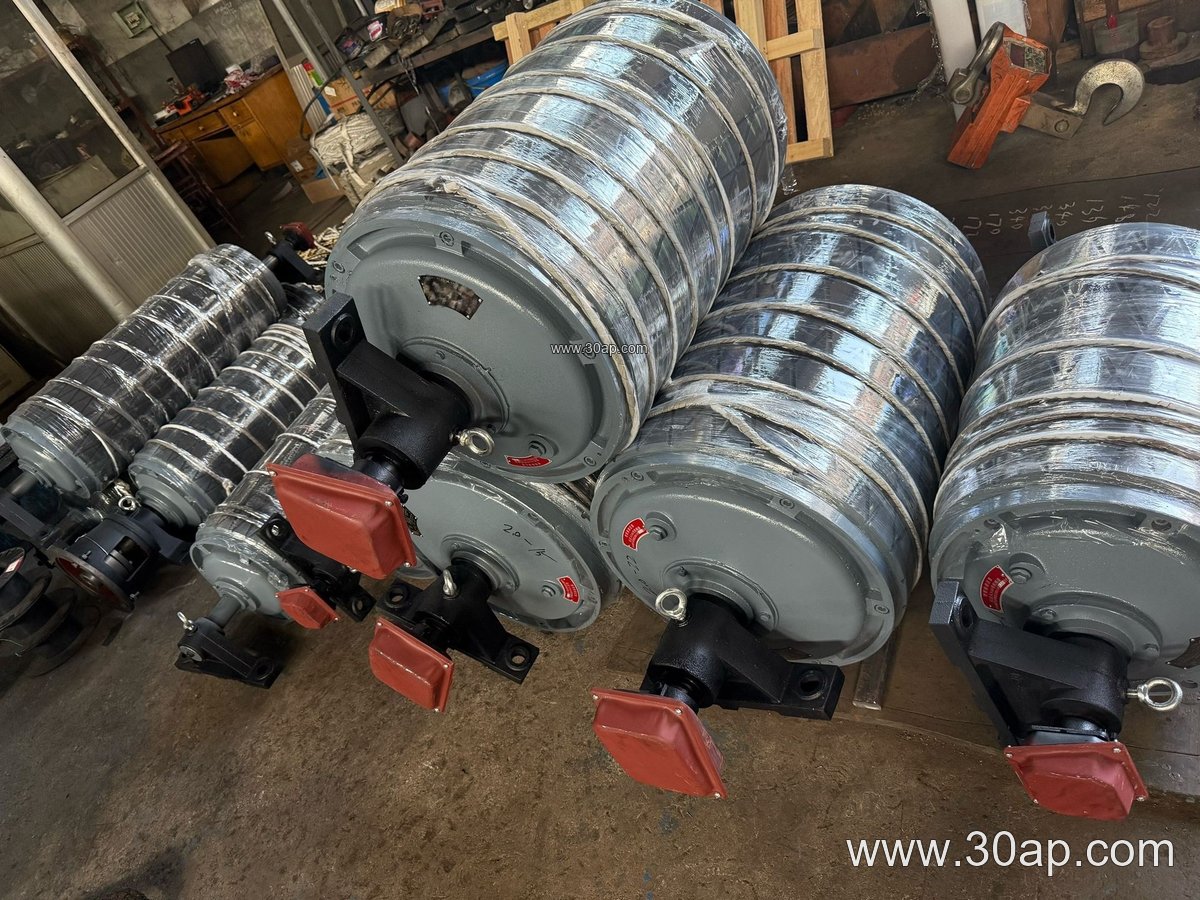
Where It Fits in the Conveyor
Friction lagging is most valuable at the drive pulley, whether that is a head pulley at the discharge end or an intermediate drive. In a quarry or aggregate line feeding a crusher, slip at the head drum can stall the whole circuit. In a coal handling system at a power plant, a lagged drive pulley helps maintain grip when the belt is damp. Cement plants moving clinker and limestone also rely on lagged drums where dust and fine grit reduce natural friction.
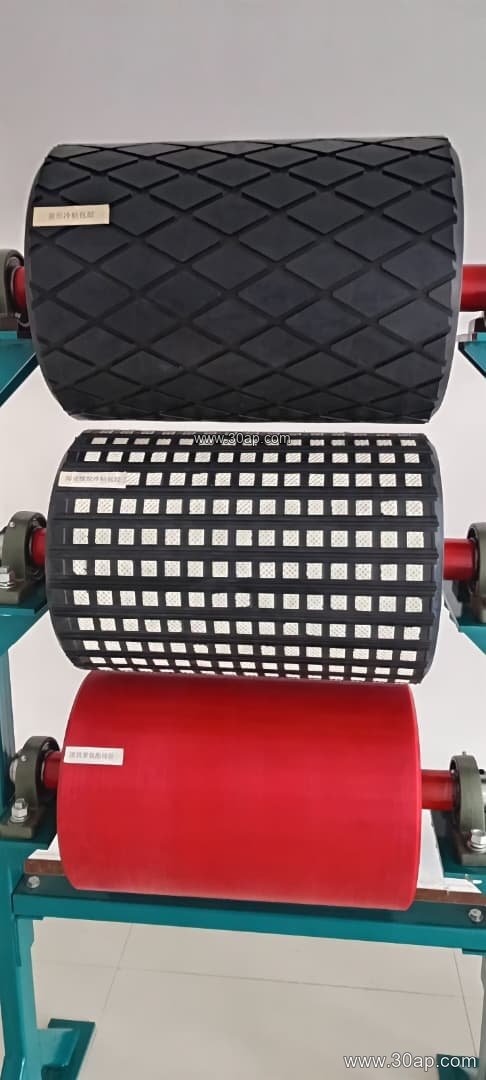
Tail pulleys and bend pulleys serve different roles and are not interchangeable with the drive drum. A tail pulley primarily guides and supports the belt at the loading point, and a bend pulley changes belt direction. Lagging may appear on these positions for wear protection, but the friction requirement is generally lower. When specifying, keep the position clear so the supplier can size the lagging and bond method correctly.
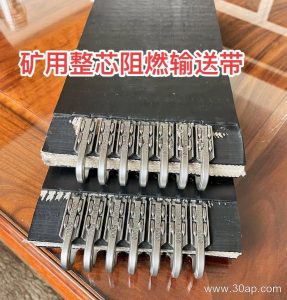
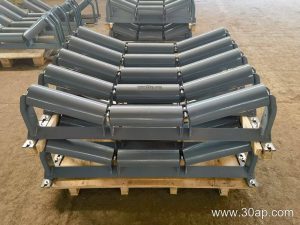
The pulley works together with the conveyor belt, idler roller sets, and conveyor bracket assemblies. Belt cover quality affects lagging performance: an abrasion resistant conveyor belt or a heavy-duty mining conveyor belt tolerates slip and impact better than a thin general-purpose cover. In underground coal mining, flame retardant conveyor belt and anti-static conveyor belt properties are usually required alongside the pulley specification.
Buyer Checklist
- Confirm the pulley position: drive, tail, bend, or take-up.
- State belt width, pulley diameter, shell face width, and shaft diameter.
- Choose lagging material and surface pattern for the actual material handled.
- Specify lagging thickness and bonding method, such as hot vulcanized rubber.
- Match the drum to the belt type, whether EP conveyor belt, NN conveyor belt, or steel cord conveyor belt.
- Check balancing, bearing type, and locking arrangement before ordering.
For harsh duty, a ceramic lagging on a high-friction lagged pulley often outlasts plain rubber where wet fines are present. For clean, high-torque drives, hot-vulcanized diamond rubber remains a practical choice. The right combination depends on the duty cycle, not on a single catalog number.