What Is an Adjustable Conveyor Bracket
An adjustable conveyor bracket is a mounting component that supports idler rollers and sets the trough angle of a conveyor belt. Unlike a fixed bracket, it allows the roller positions to be changed, so the same frame can handle different belt loads or material profiles. In a quarry or a coal handling system, this flexibility helps keep the belt centered and reduces spillage when conditions vary. The bracket works together with the conveyor belt, idler roller and conveyor pulley to form a stable conveying line.
Construction and Adjustment
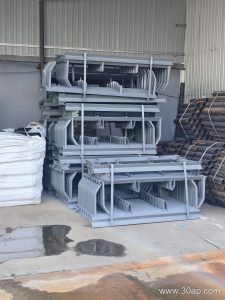
Most adjustable brackets are fabricated from angle steel, channel steel or folded steel plate. The adjustment mechanism may use slotted holes, pivoting arms or movable cross beams. Common trough angles include 20, 30, 35 and 45 degrees, and the bracket can be set to any of these positions. For belts that need extra guidance, a slight forward tilt of about 1.5 to 2 degrees is sometimes built into the design. The bracket is usually bolted to the conveyor frame, and the installation hole spacing and cross beam length are determined by the belt width and the chosen trough angle.
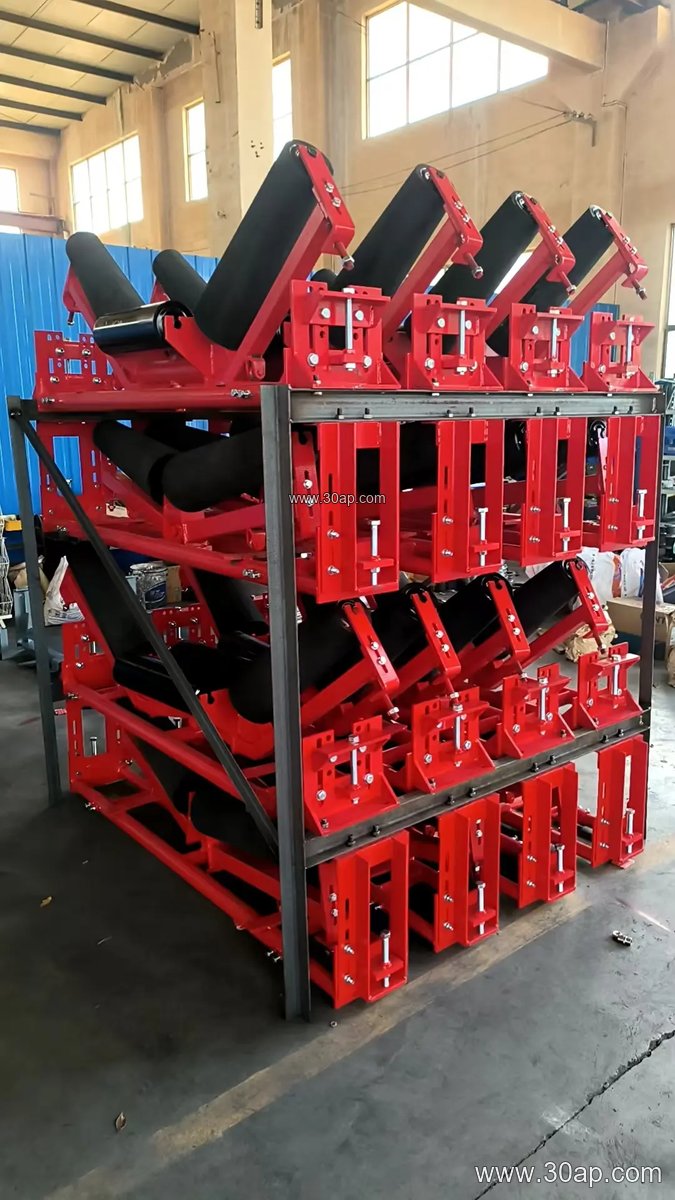
Common bracket types and typical uses
- Carrying bracket: supports the upper belt run and forms the trough.
- Return bracket: holds the lower belt run, often as a flat or V-shaped arrangement.
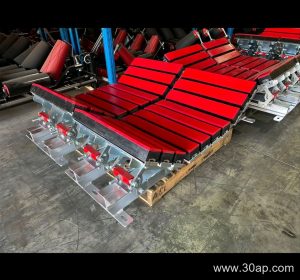
- Impact bracket: placed under loading points to absorb shock.
- Transition bracket: guides the belt from flat to troughed shape near pulleys.
- Self-aligning bracket: helps correct belt misalignment.
These are all bracket subtypes; they are not replacements for drive, tail or bend pulleys, which have different functions.
Where It Fits in a Conveyor System
Adjustable brackets are found in aggregate plants, cement works, power station coal yards and iron ore handling lines. In a stone crushing plant, they support the belt after the crusher and before screening. In a port or ship loading facility, they help maintain belt shape on long runs. The bracket must match the belt width and roller diameter, so a B800 belt might use Ø108 rollers at a 35 degree trough angle, while a B1200 line could use Ø133 rollers at 45 degrees. These are examples only; the final combination is set by the conveyor design.
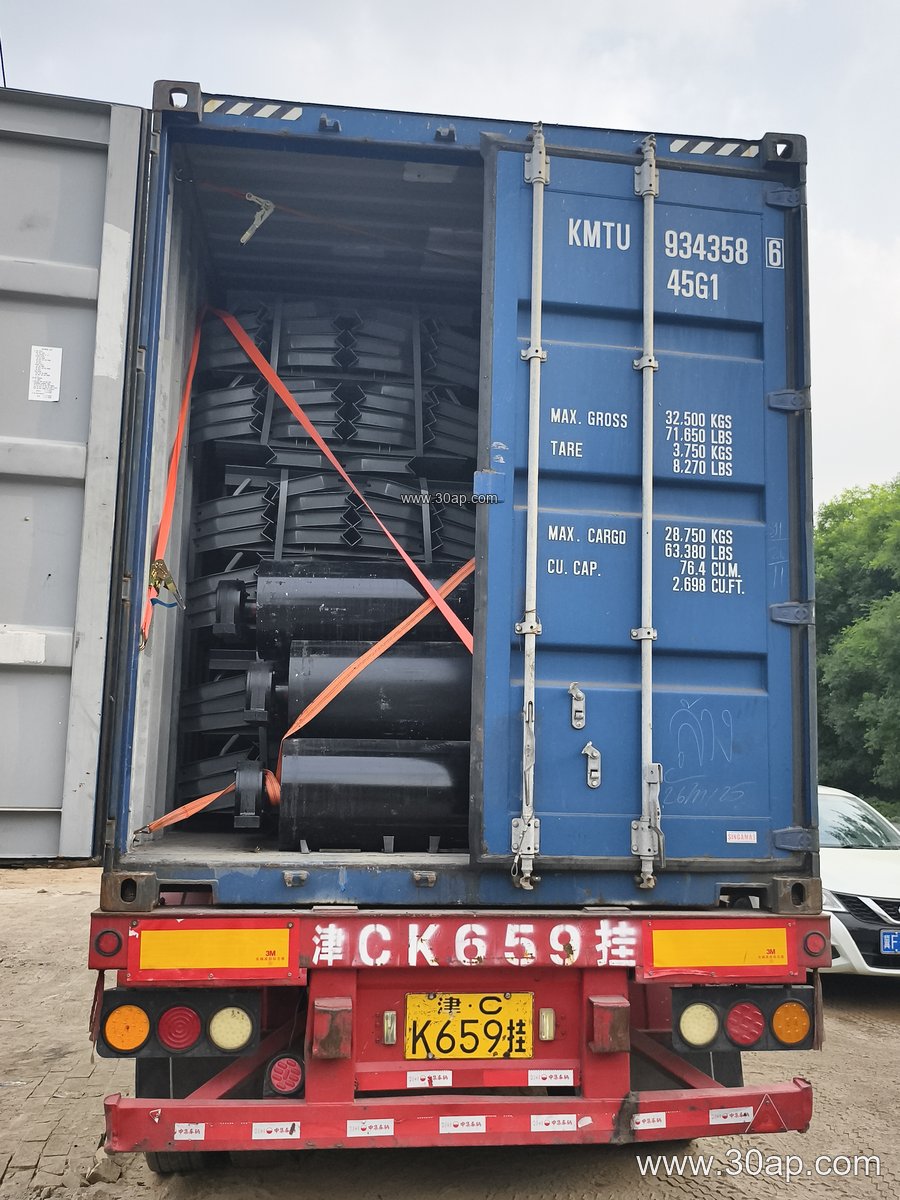
Matching Belt, Roller and Bracket
Belt width, roller diameter and trough angle are selected together. A wider belt such as B1400 or B1600 usually needs a larger roller diameter to carry the load, but the bracket adjustment range must also be checked. The bracket does not fix the belt width to a single roller size. When specifying, confirm the belt width, the idler roller diameter, the required trough angle and the mounting hole pattern. For heavy-duty mining conveyors, a reinforced adjustable bracket may be needed to withstand impact and vibration.
Buyer Checklist
- Confirm belt width (for example B650, B1000, B1800) and roller diameter (Ø89 to Ø194).
- Decide the trough angle range: 20, 30, 35 or 45 degrees.
- Check material and finish for the environment, such as dusty or wet conditions.
- Verify hole spacing and cross beam length against the conveyor frame.
- Consider whether a fixed bracket would be simpler where no adjustment is needed.
An adjustable conveyor bracket is a practical choice when a conveyor must handle changing loads or when fine tuning of belt tracking is expected. It works alongside the conveyor belt, idler roller and conveyor pulley, and should be selected with the same care as those components. For related conveyor components such as Rubber Conveyor Belt, EP Conveyor Belt and Steel Cord Conveyor Belt, check the full product range.