What a Vertical Guide Roller Does
A vertical guide roller is a small-diameter roller mounted upright, with its axis roughly perpendicular to the belt surface, to keep a conveyor belt on track. Instead of supporting the belt’s weight like a carrying idler, it works on the edges. Where a troughed idler roller trains the belt by tilting the trough, a vertical guide roller acts as a physical stop, limiting sideways drift at transfer points, loading zones, curves and inclined sections. In a quarry conveyor line, a cement plant clinker transport, or a power plant coal handling system, these rollers are often the simplest defense against belt edge damage and spillage.
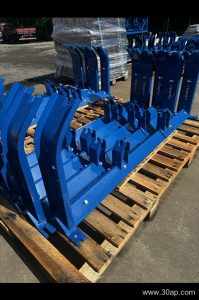
Construction and Mounting
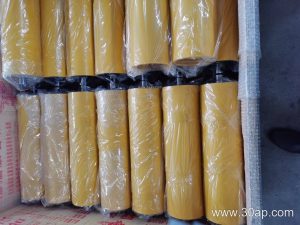
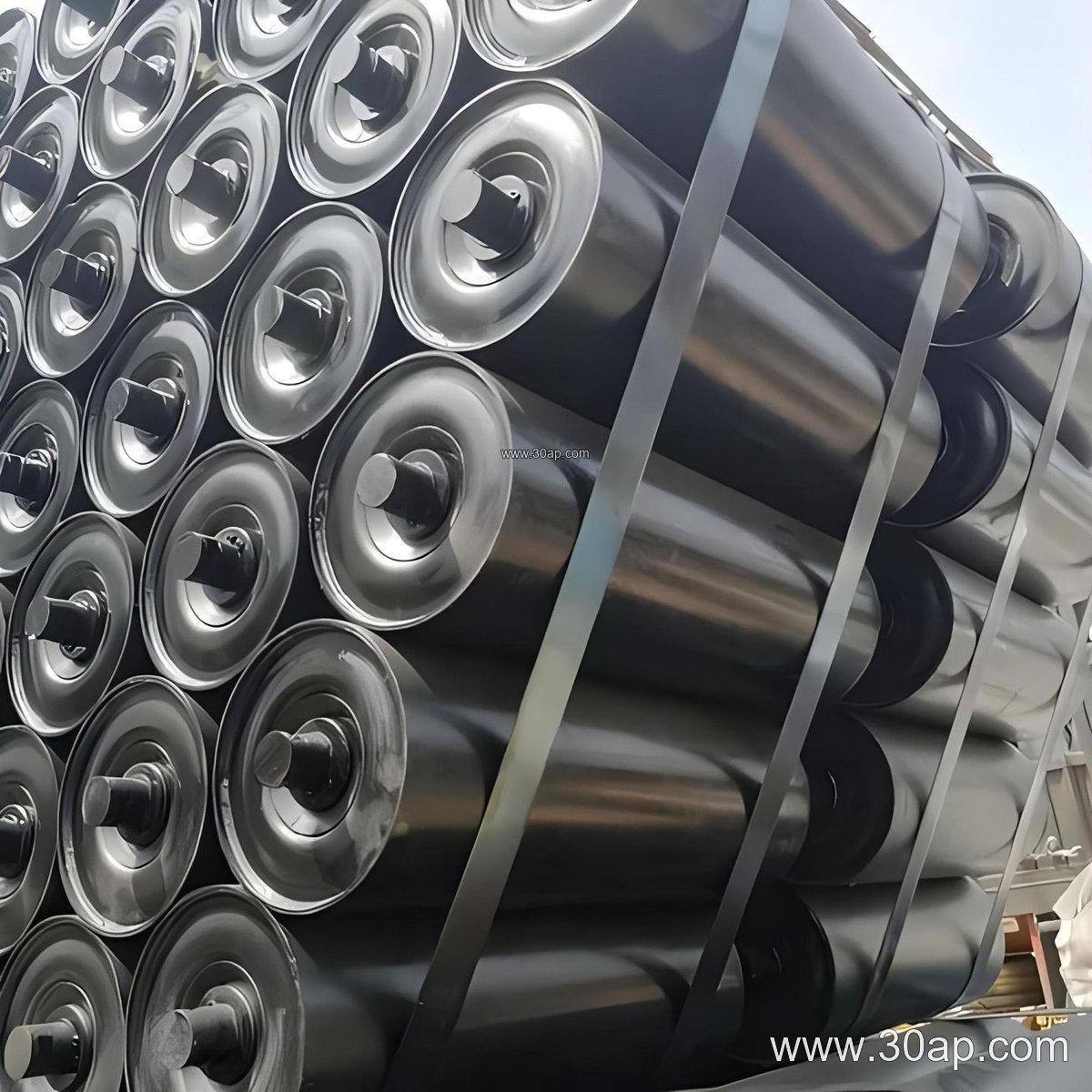
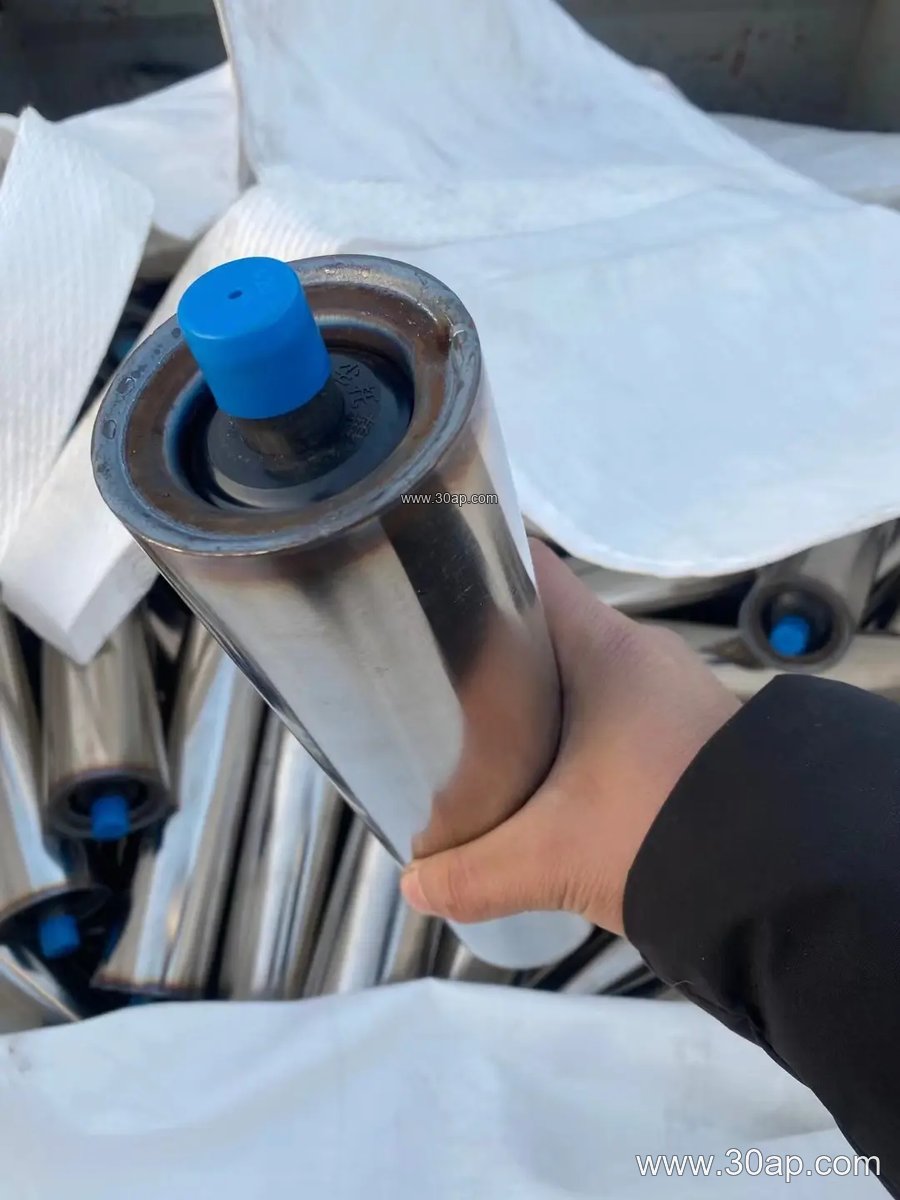
The body is usually a steel tube with a machined end cap and a sealed bearing housing. Common roller diameters for this style sit in the smaller range, typically Ø63 mm to Ø108 mm, because the roller is meant to contact the belt edge rather than carry the full load. The shaft is fixed to a bracket or frame member, and the roller spins freely on its bearings. Surface options matter: a plain steel shell is the standard, while a nylon or rubber-covered face reduces wear on the belt edge and improves grip in wet conditions. Bearing selection usually follows the shaft size rather than a fixed rule, and 6204, 6205 or 6305 bearings appear in many light-duty guide roller assemblies.
Where It Fits on the Conveyor
Typical positions include:
- Both sides of a loading chute, where material impact can push the belt off center
- Entry and exit of a conveyor pulley, especially a drive pulley or bend pulley
- Curved or inclined runs in a stone crushing plant or aggregate conveyor line
- Transfer towers in a coal mining conveyor or underground mining conveyor
The roller should be mounted so the belt edge runs against the roller face with a small, controlled clearance. Too tight, and the roller grinds the belt edge; too loose, and it does nothing. A vertical guide roller is not a substitute for a self-aligning idler roller, and it is not a replacement for a return roller or impact roller. It complements them.
Sizing Notes for Buyers
Guide roller dimensions are usually chosen together with belt width and frame layout. The roller length and shaft length must suit the bracket and the clearance available. A few reference points, to be confirmed against the actual conveyor design:
| Belt width | Typical guide roller diameter | Common face length |
|---|---|---|
| B500 | Ø63 to Ø76 mm | About 100 to 150 mm |
| B650 | Ø76 to Ø89 mm | About 120 to 180 mm |
| B800 | Ø89 to Ø102 mm | About 150 to 200 mm |
| B1000 | Ø102 to Ø108 mm | About 180 to 250 mm |
| B1200 | Ø108 to Ø133 mm | About 200 to 300 mm |
These figures are common examples, not fixed pairings. Belt width alone does not determine shaft diameter, and one belt width can accept more than one roller size. For heavier service, such as a heavy-duty mining conveyor carrying iron ore or copper ore, the bracket and shaft are usually upsized rather than the roller diameter alone.
Matching the Roller to the Belt
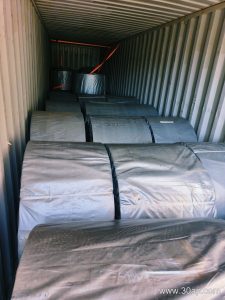
The belt itself influences how hard the guide roller has to work. A thick, stiff belt such as a steel cord conveyor belt or a high-strength EP conveyor belt tracks differently from a thin fabric core belt. Abrasion resistant conveyor belts and heat resistant conveyor belts may need a rubber-faced guide roller to avoid edge scuffing, while a flame retardant conveyor belt in a coal mining application calls for compatible roller materials. In food or clean environments, a smooth, easy-to-clean roller face is preferred. If the conveyor uses a corrugated sidewall conveyor belt or a skirted conveyor belt, the guide roller must clear the cleat or skirt profile, so check the profile before ordering.
Installation and Maintenance Checklist
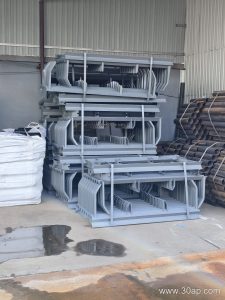
- Confirm the bracket and frame hole spacing before mounting; conveyor bracket styles vary widely.
- Set the roller so the belt edge makes light contact, not heavy pressure.
- Check alignment after the first few hours of running, then at routine inspections.
- Watch for a seized bearing, which will flat-spot the roller and wear the belt edge quickly.
- Replace a worn rubber or nylon sleeve before it exposes the steel shell.
On a long overland or port conveyor, a small guide roller failure can lead to belt edge damage that costs far more than the roller. Keeping a few spare assemblies on site is practical, and matching them to the actual belt width and frame type avoids downtime. Buyers should ask for the roller diameter, face length, shaft size, bearing number and mounting dimensions in writing, and confirm that the supplied units suit the conveyor belt and pulley arrangement on their line.