What a High-Capacity Conveyor Idler Does
A high-capacity conveyor idler is the rotating support that carries a loaded conveyor belt in mines, coal preparation plants, cement works, power station coal yards, and aggregate lines. Where tonnage is heavy and the belt runs wide, this idler roller must hold the belt profile, keep friction low, and survive dust and impact. It is not a drive pulley or a tail pulley; it sits between them, supporting the belt along the carry and return sides.
Construction and Common Forms
The body is usually a steel tube with welded end caps, a shaft, and bearing housings. Roller surfaces may be plain steel, nylon, ceramic, or rubber rings depending on wear and impact. Bearing sizes commonly include 6204, 6205, 6305, 6306, 6308, and 6310, selected with the load and speed rather than fixed to one roller diameter.
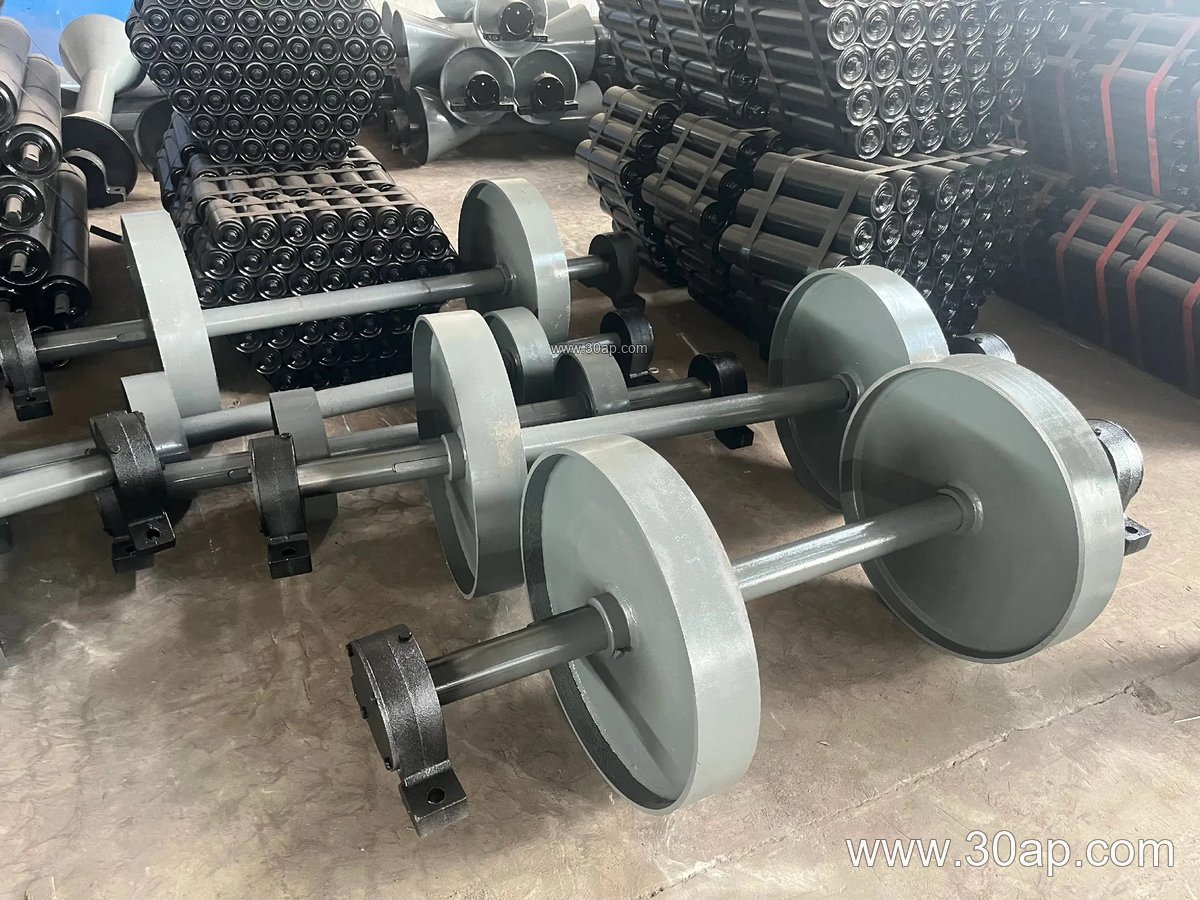
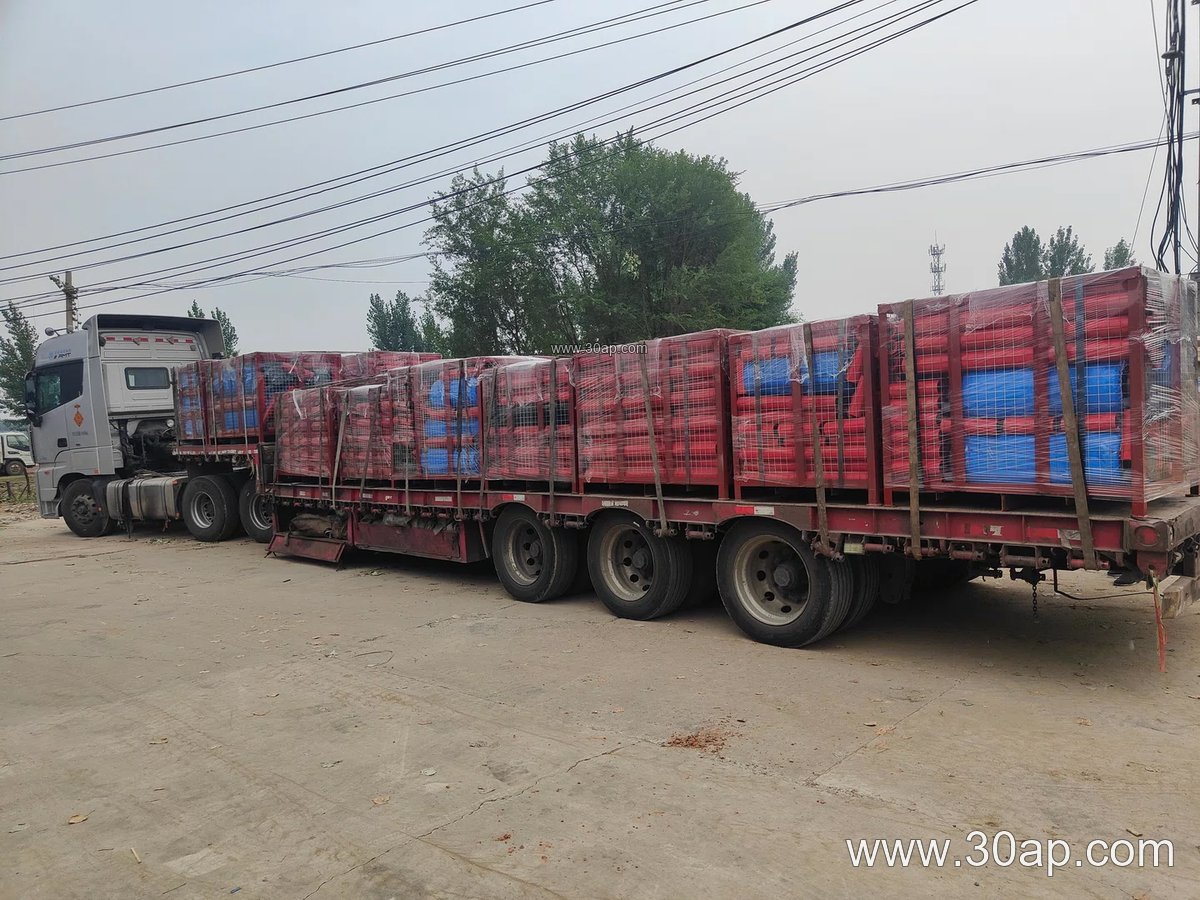
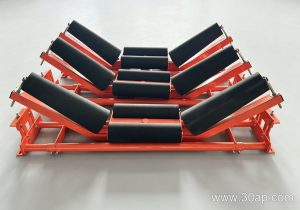
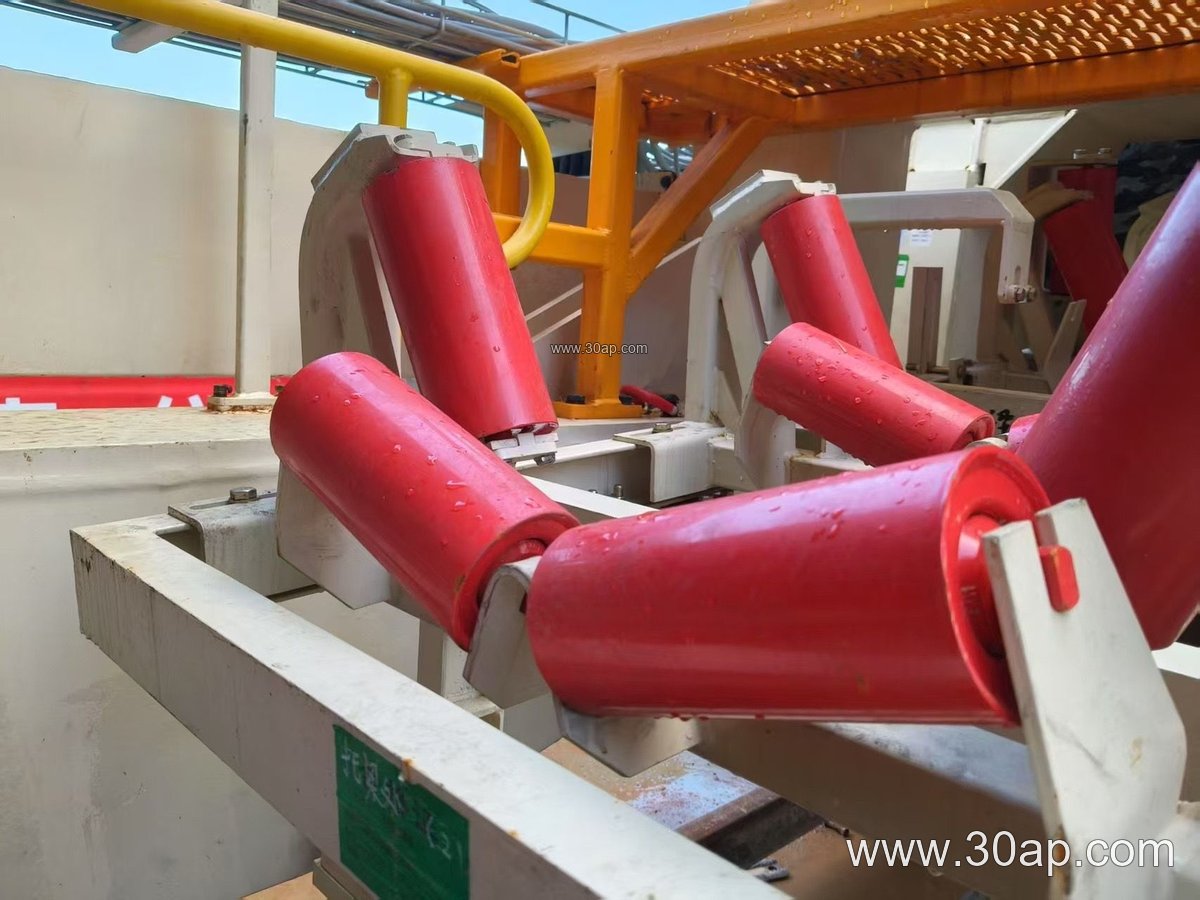
For high-capacity duty, troughing idlers are often arranged as three-roll sets at 20, 30, 35, or 45 degrees. Transition idlers ease the belt from flat to troughed, while impact idlers or rubber-ring buffer idlers protect the belt at loading points. Return idlers may be flat or V-shaped, and self-aligning idlers help keep the belt centered on long runs.
Typical Dimensions and Arrangements
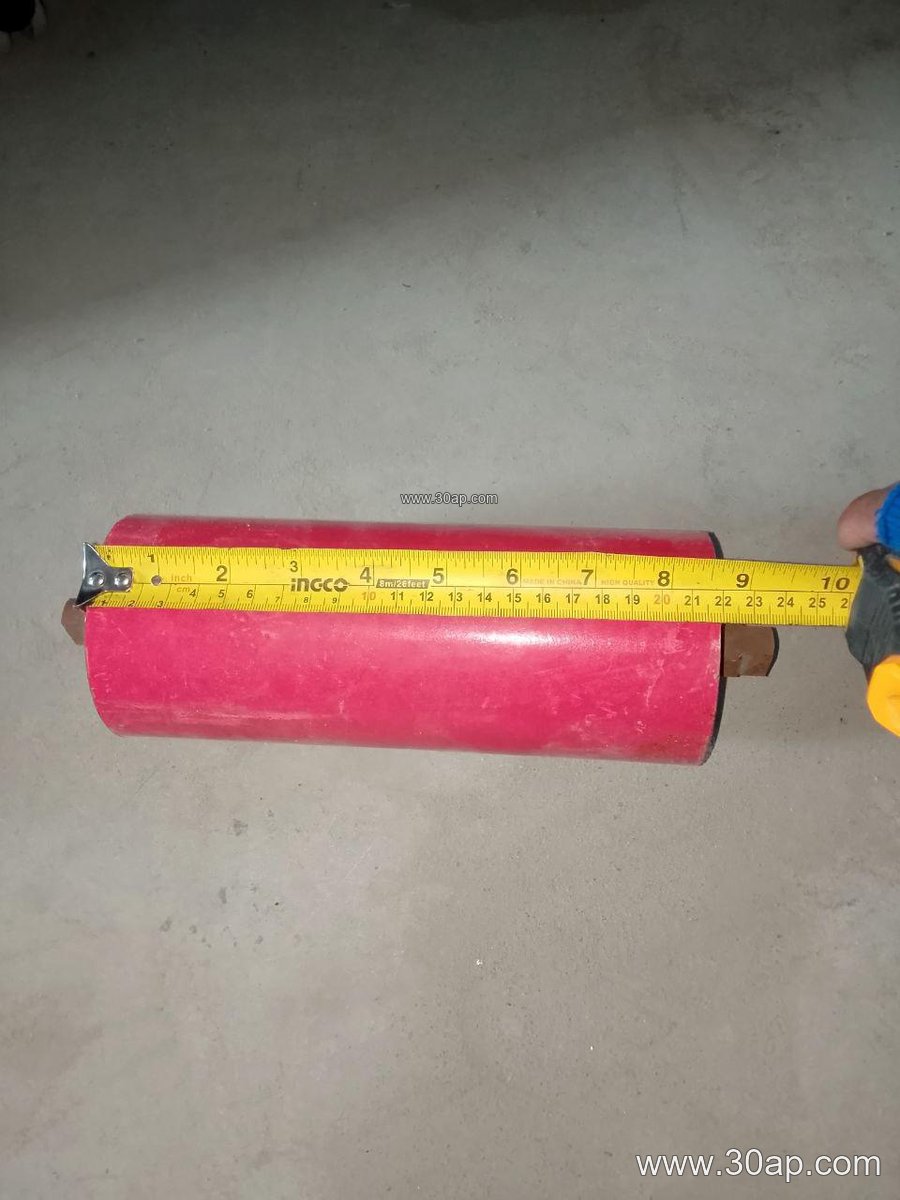
Roller diameter and belt width are chosen together. The table below gives common reference values, not a universal specification.
| Belt width | Common three-roll troughing idler roll length (example) | Common roller diameters |
|---|---|---|
| B500 | 200 mm | Ø63, Ø76, Ø89 |
| B650 | 250 mm | Ø76, Ø89, Ø102 |
| B800 | 315 mm | Ø89, Ø102, Ø108 |
| B1000 | 380 mm | Ø102, Ø108, Ø127 |
| B1200 | 465 mm | Ø108, Ø127, Ø133 |
| B1400 | 530 mm | Ø127, Ø133, Ø159 |
| B1600 | 600 mm | Ø133, Ø159, Ø178 |
| B1800 | 670 mm | Ø159, Ø178, Ø194 |
| B2000 | 750 mm | Ø178, Ø194, Ø219 |
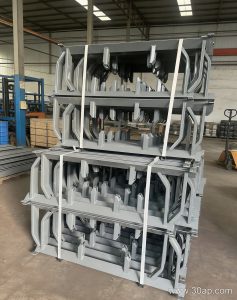
Side rolls and center rolls can differ in length, and the final shaft diameter is set by the idler frame and load calculation, not by belt width alone. A conveyor bracket or idler frame must match the shaft and the trough angle.
Where High-Capacity Idlers Are Used
In an iron ore or copper mine, a high-capacity conveyor idler supports a wide belt carrying dense, abrasive material. In a coal washing plant, sealed bearings resist fine dust and moisture. In a cement plant or limestone quarry, impact idlers at the transfer point absorb falling lumps. The same idler roller family also appears in port bulk terminals and power plant coal handling, always matched to the conveyor belt speed and loading.
Selection and Maintenance Notes
Buyers should confirm belt width, trough angle, roll length, roller diameter, shaft size, bearing type, and surface form before ordering. Check that the idler frame and conveyor bracket fit the chosen shaft, and that impact or transition positions are specified separately from standard carry idlers.
- Match bearing protection to dust and water exposure.
- Use impact-rated rollers under chutes and loading points.
- Keep spare idlers for the most heavily loaded troughing stations.
- Inspect for seized bearings, worn shells, and belt misalignment.
Drive pulleys, tail pulleys, and bend pulleys are separate components with different duties; they are not replacements for a high-capacity conveyor idler. A well-chosen idler roller keeps the conveyor belt stable, reduces power loss, and extends service life in abrasive bulk handling.