What a Heavy-Duty Welded Pulley Is
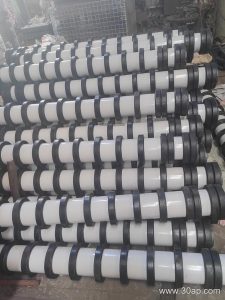
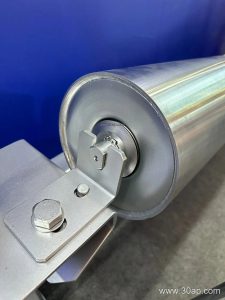
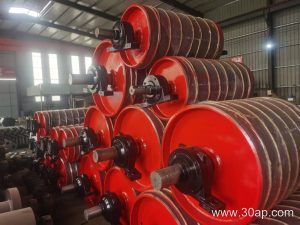
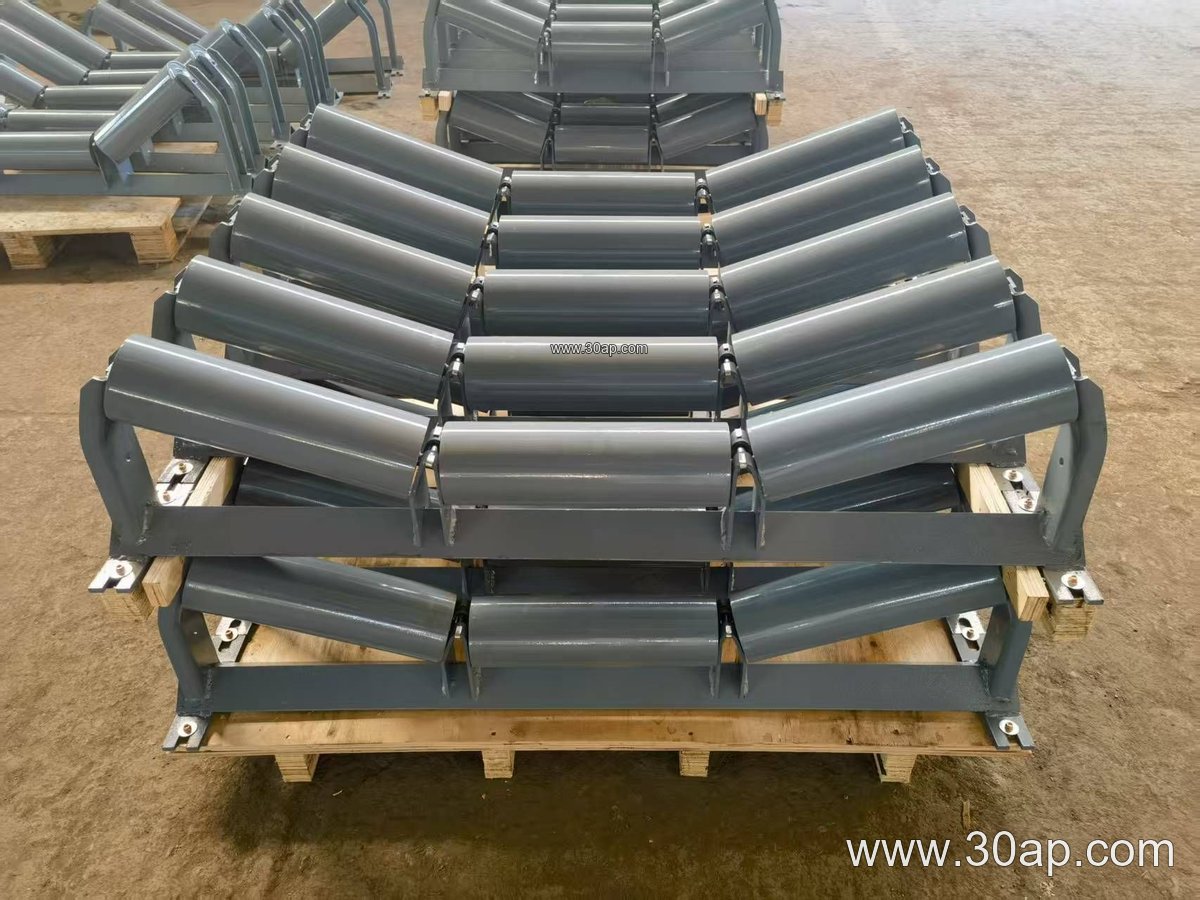
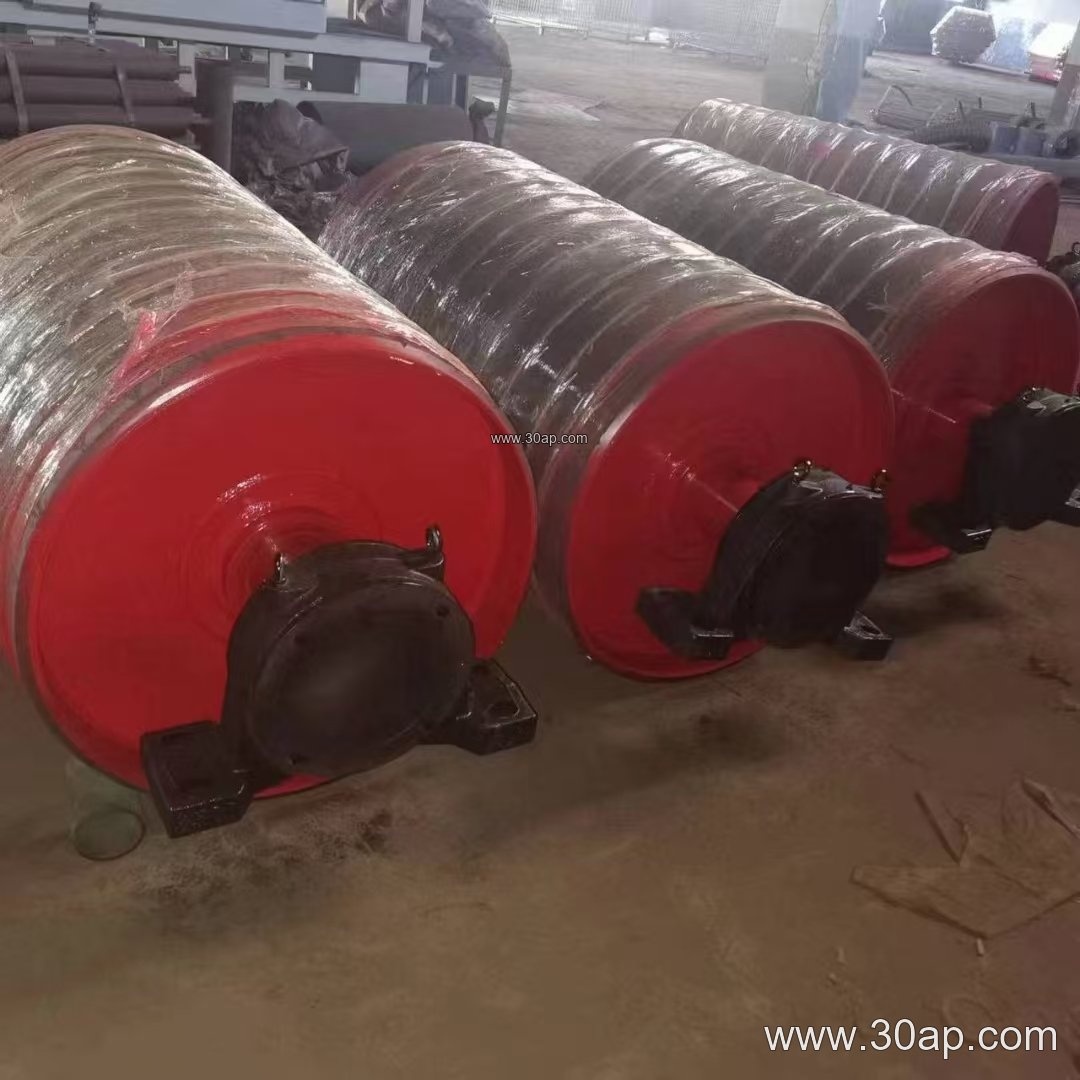
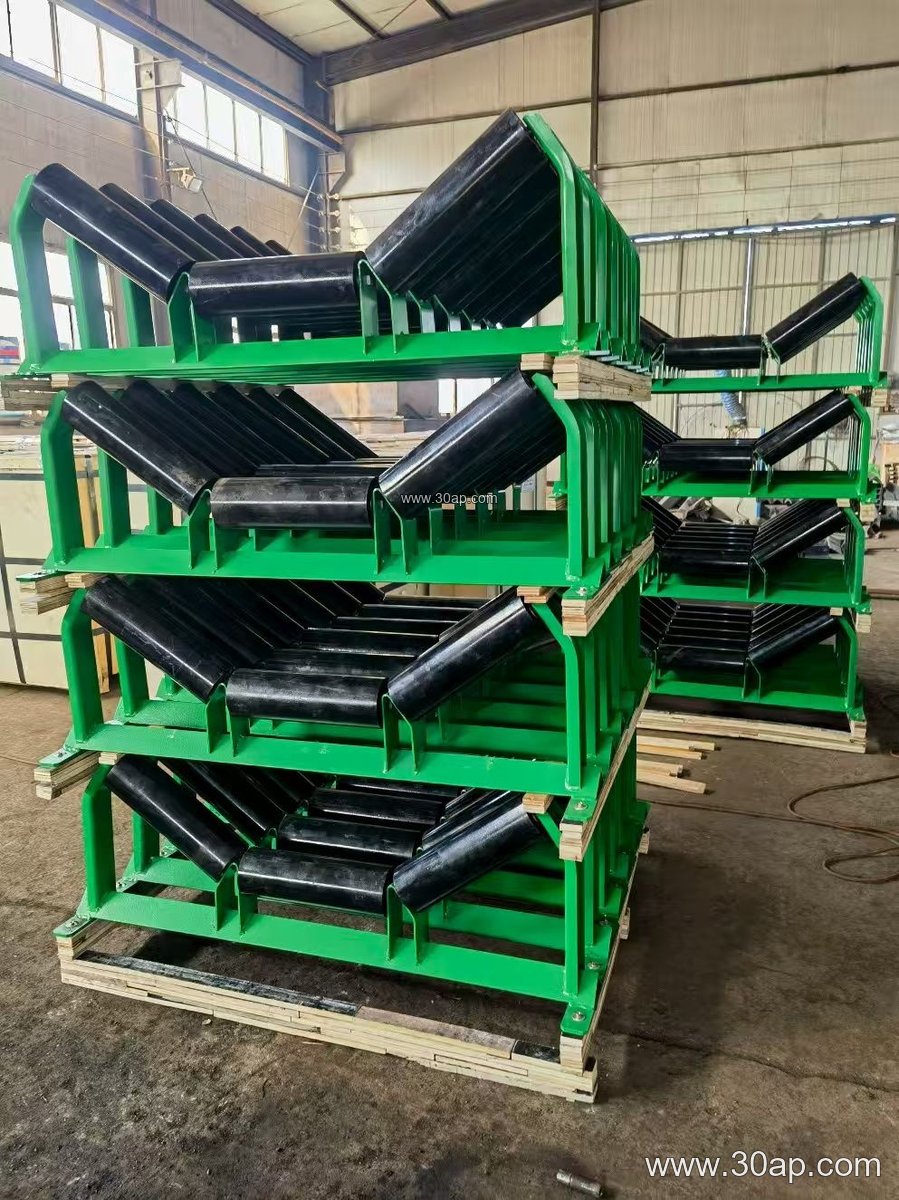
A heavy-duty welded pulley is a conveyor pulley built from steel plate and pipe that are cut, fitted, and joined by welding. Instead of a cast or light fabricated shell, the welded construction gives the drum the stiffness and fatigue resistance needed for continuous operation under high tension and impact. This type of pulley is often specified as a conveyor pulley, drum pulley, or welded drum pulley, and it serves as the rotating component that supports and drives the conveyor belt. In a typical bulk handling line, it works alongside idler rollers and conveyor brackets to keep the belt aligned and moving.
Welded Construction and Key Components
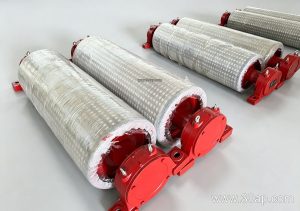
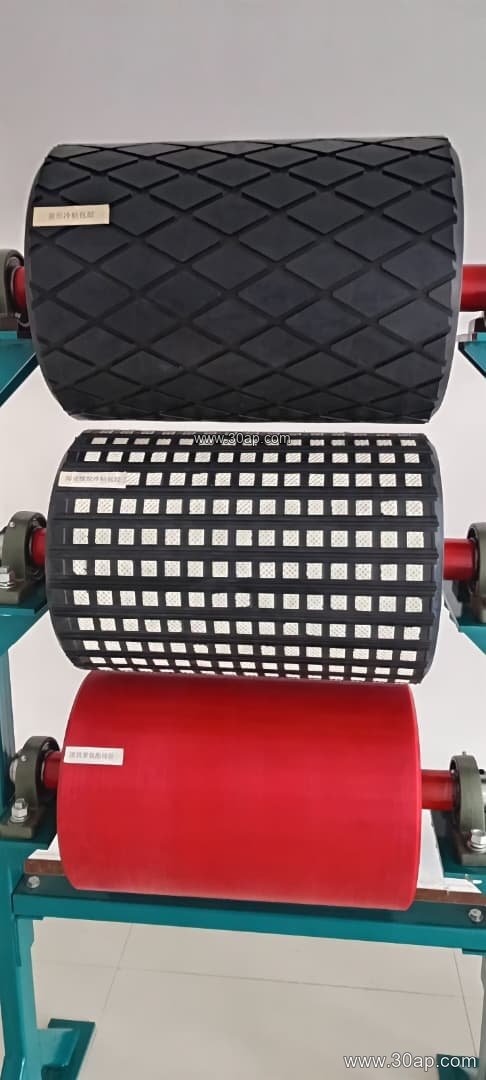
The welded design starts with a rolled steel shell, end discs, and a shaft that is keyed or shrink-fitted into the hub assembly. The shell is usually machined after welding to keep the outside diameter concentric with the shaft, which reduces vibration and belt tracking problems. Common surface options include plain finish, rubber lagging applied by cold bonding or hot vulcanizing, diamond grooving, herringbone pattern, and ceramic lagging. Lagging thickness is often 8, 10, 12, 15, or 20 mm depending on the duty. The pulley face width is normally slightly wider than the belt, for example a B800 belt may use a pulley face around 950 mm, while a B1200 belt may call for roughly 1400 mm. These are reference relationships, not fixed rules, and the final face width and diameter are set by the conveyor designer.
Where It Fits in the Conveyor
Drive pulleys transmit torque to the belt, tail pulleys return the belt at the loading end, and bend pulleys redirect the belt around tensioning or take-up zones. A heavy-duty welded pulley can be used in any of these positions, but it is most often chosen for drive and tail duties where belt tension and load are highest. In a quarry or aggregate line, it may handle abrasive rock and dust; in a coal mining or underground mining conveyor, flame retardant and anti-static belt grades are common, and the pulley must be built to tolerate fine coal dust and moisture. In a cement plant or power plant coal yard, heat and abrasion may both be present, so lagging selection and shell thickness matter. The pulley does not replace the conveyor belt, but it must match the belt’s tension rating and width so that the belt runs without slippage or edge damage.
Matching the Pulley to the Belt and Duty
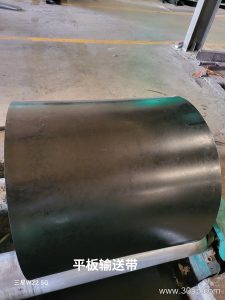
Belt construction influences pulley choice. A heavy-duty conveyor belt with a fabric core, such as an EP conveyor belt or NN conveyor belt, may require a different pulley diameter than a steel cord conveyor belt of the same width because of differences in flexibility and tension. Abrasion resistant conveyor belt, heat resistant conveyor belt, oil resistant conveyor belt, and flame retardant conveyor belt each place different demands on the lagging and shell. For example, a chevron conveyor belt or corrugated sidewall conveyor belt may need a larger pulley diameter to accommodate the cleat height, while a pipe conveyor belt has its own geometry. Buyers should share the belt type, belt width, belt speed, and expected tension with the pulley supplier. Common belt widths include B400, B500, B650, B800, B1000, B1200, B1400, B1600, B1800, B2000, B2200, and B2400, and pulley diameters may range from Ø200 up to Ø1800 or more. Shaft diameter is determined by torque and load, not by belt width alone, so a B1200 belt might use a shaft anywhere from Ø100 to Ø180 depending on the drive arrangement.
Buyer Checklist and Maintenance Notes
Before ordering a heavy-duty welded pulley, confirm the pulley position, the belt width and type, the required diameter, the lagging surface and thickness, and the shaft size. Ask for the balancing grade and the runout tolerance if the conveyor runs at high speed. During operation, check lagging wear, weld condition, and shaft alignment at regular intervals. Worn lagging reduces grip and can cause belt slip, especially on drive pulleys. Keep the area around the pulley free of buildup, and inspect the conveyor bracket and idler roller alignment so the belt does not mistrack. For harsh sites such as an iron ore terminal or a limestone quarry, a ceramic lagging may extend service life, while a rubber lagging may be preferred where impact is high. The right welded pulley is one that matches the conveyor duty, not simply the largest size available.