What the EP1500 Conveyor Belt Is
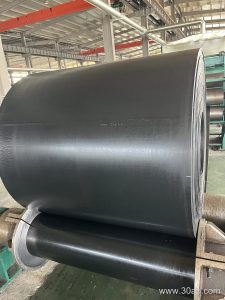
An EP1500 Conveyor Belt is a fabric-core rubber belt built around polyester-polyamide (EP) carcass plies. The number 1500 refers to the nominal tensile strength of the carcass, commonly expressed in newtons per millimeter of belt width. In practical terms, this is a high-strength, multi-ply fabric belt positioned near the top of the EP range, above EP1000 and EP1250, and it is chosen when a conveyor must move large tonnages over long distances without stepping up to a steel cord design.
The product is also described accurately as an EP1500 rubber conveyor belt or an EP fabric core conveyor belt. Those names point to the same article; they are not different belt types. Within the wider family of fabric-core belts, NN conveyor belts use nylon warp and weft, while EP carcasses combine polyester warp with polyamide weft to limit stretch and resist impact.
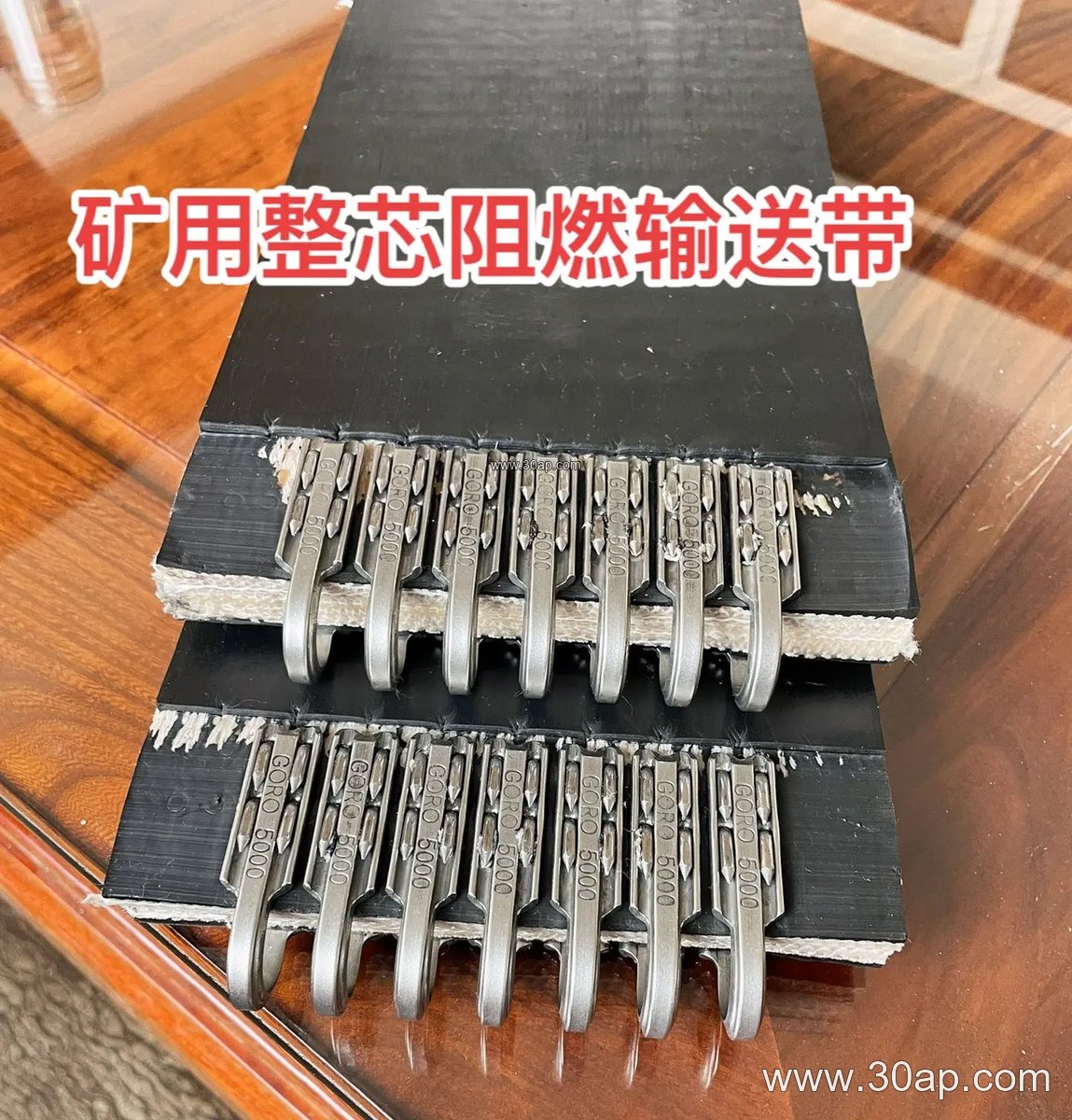
Construction and Typical Build
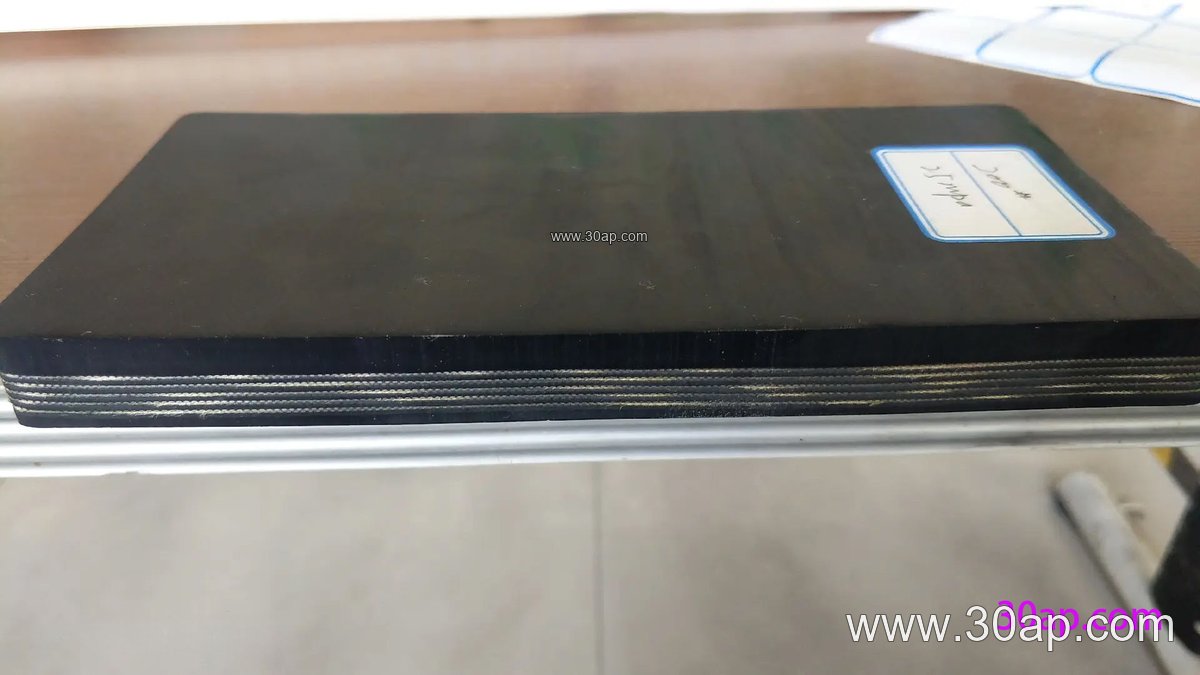
The carcass usually consists of several EP plies bonded under heat and pressure, with rubber covers on both faces. Cover thickness and compound are selected for the duty: abrasion resistant, heat resistant, oil resistant, flame retardant, anti-static, or cold resistant grades are all available around an EP1500 core. Buyers should treat the figures below as reference ranges, not fixed specifications, because build details vary between manufacturers and are confirmed per order.
| Parameter | Common reference range |
|---|---|
| Carcass type | EP fabric, multi-ply |
| Nominal strength | EP1500 |
| Ply count | Usually 3 to 6 plies, depending on design |
| Belt width | B800, B1000, B1200, B1400, B1600, B1800, B2000 |
| Cover thickness | 4+2, 5+2, 6+2, 8+3 mm typical combinations |
| Surface options | Smooth, chevron, skirted or corrugated sidewall |
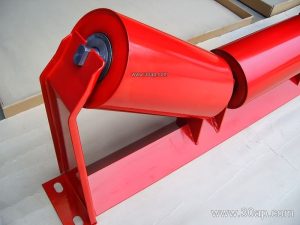
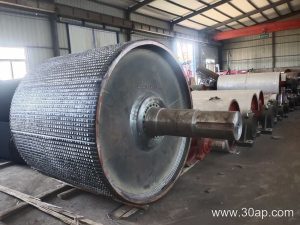
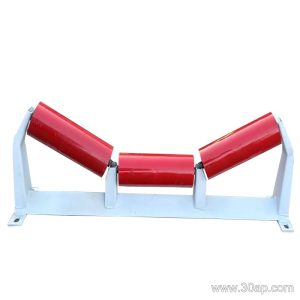
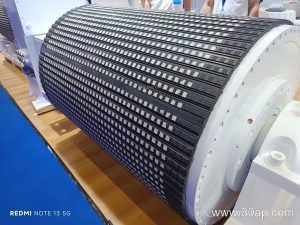
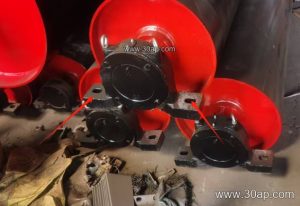
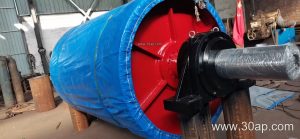
Edge construction, splice method and cover grade are agreed at the design stage. A wider belt does not dictate one pulley diameter; drum sizing follows belt tension, wrap angle and carcass flexibility, so the conveyor pulley, idler roller and conveyor bracket layout should be engineered together with the belt specification.
Where It Fits in the Plant
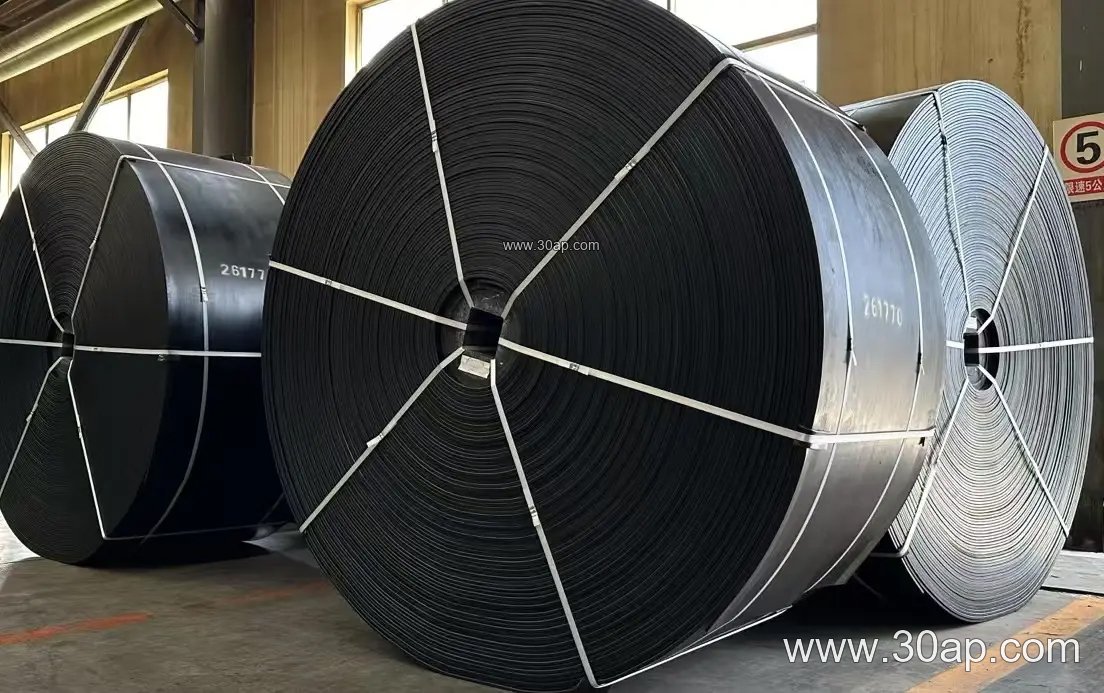
High-strength fabric belts suit primary and secondary haulage in mines, quarries, cement works, power plants, steel plants, ports and sand and gravel yards. An EP1500 conveyor belt is often found on main line conveyors carrying crushed rock, ore, clinker, coal or aggregate where abrasion is severe and shock loading at transfer points is expected. In coal mining and underground coal mining, flame retardant and anti-static versions are normally specified, sometimes as PVG or PVC belts where regulatory practice calls for them.
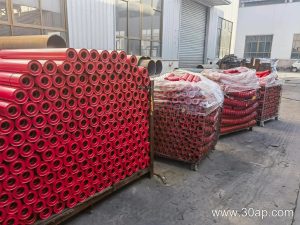
Related equipment matters as much as the belt. Troughed idler rollers shape the load, the drive and tail pulleys transmit and tension it, and conveyor brackets keep the whole frame aligned. For steep inclines, a chevron conveyor belt or corrugated sidewall belt may be preferred; for dusty or enclosed routes, a pipe conveyor belt is an alternative. These are comparisons, not substitutes for the EP1500 carcass itself.
Selection Points for Buyers
- Confirm the required tensile grade against the calculated maximum belt tension, not against tonnage alone.
- Match the cover compound to the material: abrasive rock, hot clinker, oily scrap or food-grade service each need a different cover.
- State the belt width, cover thickness and ply count clearly, for example EP1500, B1200, 6+2 mm, and note the splice type.
- Check pulley diameters and idler spacing with the belt supplier so carcass fatigue stays within limits.
- Ask for the actual datasheet rather than assuming a standard build; values such as strength, cover thickness and ply count are design-dependent.
Installation and Care
Correct tracking starts with square frames, aligned pulleys and evenly set idlers. Keep the belt tensioned to the manufacturer’s recommendation, inspect splices and edges regularly, and remove trapped material from tail pulleys. Storage away from ozone, sunlight and oils extends service life. For harsh duties, an abrasion resistant or impact resistant cover usually pays back faster than a general-purpose compound.
Whether the project is a quarry conveyor, a cement plant line or a ship loading system, the EP1500 conveyor belt is a workhorse choice when fabric construction, high strength and reasonable flexibility are all needed at once.