What a Return Idler Bracket Does on a Conveyor
A return idler bracket, also called a return roller support bracket, is the structural component that holds the return-side idler rollers in place beneath the conveyor belt. While the carrying side gets most of the attention, the return strand needs stable support too, and this bracket provides it. In a limestone quarry or a coal washing plant, a loose or misaligned return bracket can cause the belt to train poorly, wear prematurely, or even slip off the pulley. The bracket itself is simple, but its role in keeping the whole conveyor system aligned is critical.
Construction and Materials
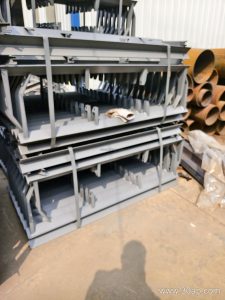
Most return idler brackets are fabricated from angle steel, channel steel, or folded steel plate. The choice depends on the load and the environment. In a cement plant where dust is heavy, a folded plate design with fewer crevices is easier to clean. In an iron ore mine, channel steel offers extra rigidity against impact and vibration. The bracket usually includes mounting slots or holes that allow slight adjustment during installation. Welds should be continuous and free of undercut, because a cracked bracket can drop a roller and damage the belt.
Surface treatment matters as well. Painted or galvanized brackets resist corrosion in wet conditions, such as a port conveyor handling bulk material in humid air. For underground coal mining, flame-retardant coatings may be specified, though the bracket itself is steel and non-combustible.
Common Types and Configurations
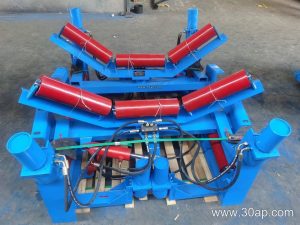
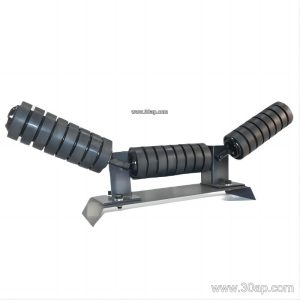
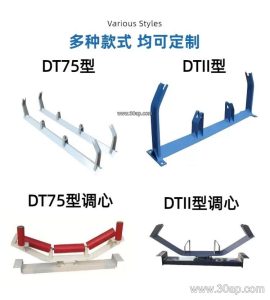
Return brackets come in several forms. The flat return bracket supports a single flat roller under the belt. The V-type return bracket uses two rollers in a V shape to help center the belt and shed material. Adjustable brackets allow the roller position to be fine-tuned for belt tracking. There are also transition brackets for the area near the tail pulley, where the belt changes from flat to troughed. Each type suits a different part of the conveyor, and mixing them up can lead to poor belt training.
Typical Size Reference
The table below shows common combinations of belt width, roller diameter, and bracket type. These are reference values, not fixed rules; actual selection depends on the conveyor design and load.
| Belt Width | Common Roller Diameter | Typical Bracket Type |
|---|---|---|
| B500 | Ø89 | Flat return |
| B650 | Ø89 | Flat or V-return |
| B800 | Ø108 | V-return |
| B1000 | Ø108 | V-return or adjustable |
| B1200 | Ø133 | V-return |
| B1400 | Ø133 | V-return |
| B1600 | Ø159 | Heavy-duty V-return |
| B1800 | Ø159 | Heavy-duty V-return |
| B2000 | Ø194 | Heavy-duty flat or V-return |
Note that a wider belt does not automatically require a larger roller diameter; the load and speed determine that. The bracket must match the roller end shaft and the mounting hole spacing, which varies with belt width and trough angle.
Where Return Idler Brackets Are Used
These brackets appear in any conveyor that handles bulk material. In a sand and gravel line, they support the return belt under the crusher discharge. In a power plant coal yard, they keep the return strand stable through long horizontal runs. In a fertilizer plant, corrosion-resistant brackets are preferred because of chemical exposure. The bracket works together with the conveyor belt and the idler roller to maintain proper belt sag and alignment.
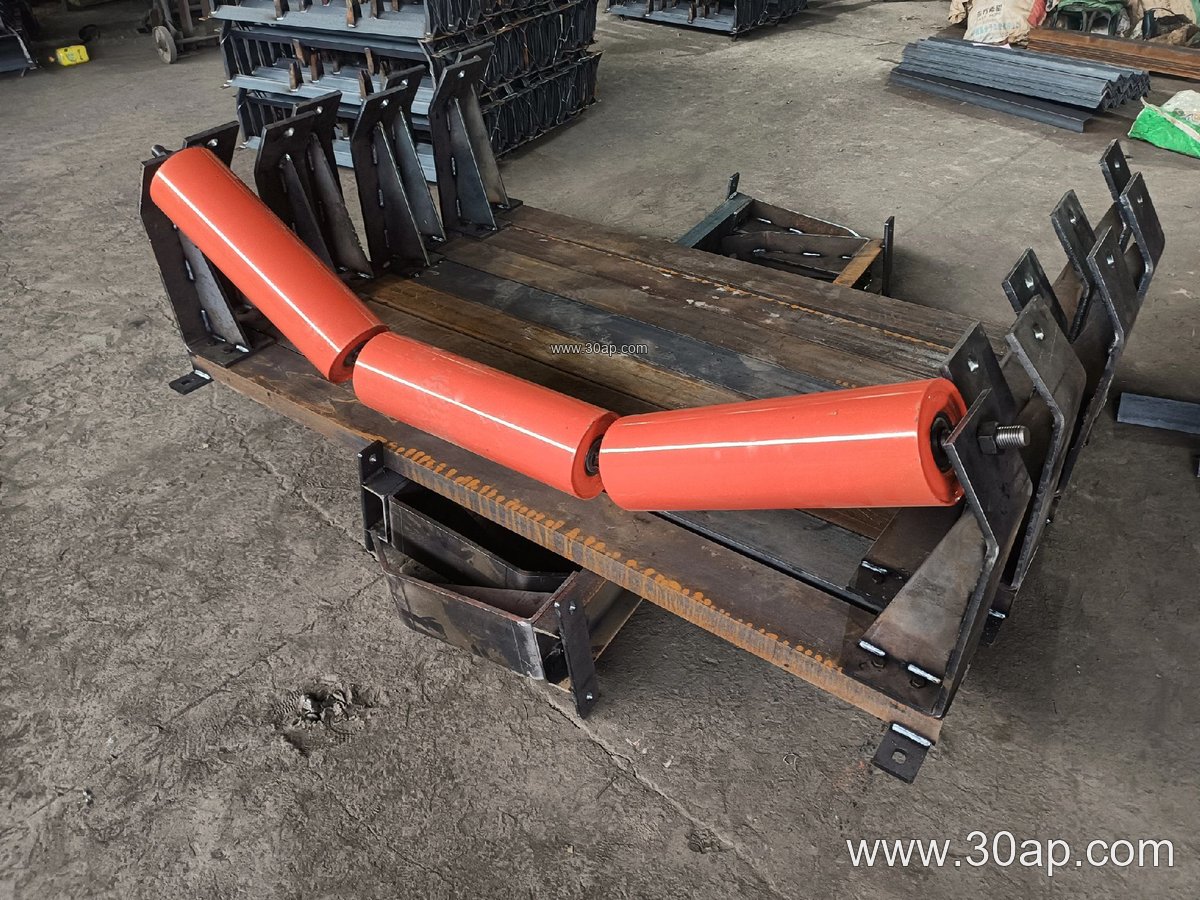
For high-tonnage operations, such as a copper ore conveyor, the return bracket must be robust enough to handle the weight of a thick, heavy-duty conveyor belt and any material that clings to it. In such cases, a heavy-duty V-return bracket with reinforced gussets is often used.
Selection Tips for Buyers
- Match the bracket to the roller. Check the roller shaft diameter and the bracket slot size. A Ø108 roller will not fit a bracket designed for Ø89 without an adapter.
- Consider the environment. For a coal mining conveyor belt system, choose brackets with good corrosion protection and, if underground, flame-retardant properties where required.
- Check adjustability. If belt tracking is a concern, an adjustable return bracket can save time during commissioning.
- Look at the mounting. Bolt holes should align with the conveyor frame. Hole spacing is not universal; it depends on belt width and bracket design.
- Think about maintenance. A bracket that allows easy roller replacement without removing the frame saves downtime.
When specifying, provide the belt width, roller diameter, and the desired trough angle if the bracket is for the carrying side (though this article focuses on return side). For return brackets, the angle is usually flat or V-shaped, not troughed.
Maintenance and Troubleshooting
Regular inspection of return idler brackets is part of good conveyor maintenance. Look for loose bolts, bent brackets, or worn mounting holes. In a dusty environment like a cement plant, material buildup on the bracket can cause the belt to rub. Clean as needed. If a bracket is bent, replace it rather than straightening, because fatigue cracks may develop. A well-maintained return bracket extends the life of the conveyor belt and reduces the risk of belt mistracking.
For operators using an EP conveyor belt or a steel cord conveyor belt, the return bracket plays a supporting role in keeping the belt flat and stable. In a quarry conveyor belt system, a misaligned return bracket can lead to edge damage on the belt, which is costly to repair. So, attention to these small components pays off.