What an Idler Bracket Does on a Conveyor
An idler bracket is the structural support that holds conveyor idlers in the correct position under the belt. It carries the weight of the belt and the material, keeps the idler at the right angle and spacing, and allows the rollers to spin freely. In a quarry, a cement plant, or a coal handling line, these brackets are often the quiet workhorses that determine how well the belt tracks and how long the idlers last. A well-chosen conveyor bracket also makes maintenance faster, because the idler can be lifted out or adjusted without cutting into the frame.
How the Bracket Is Built
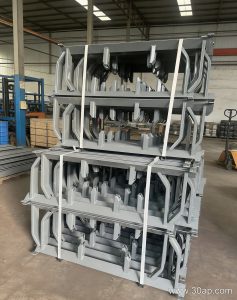
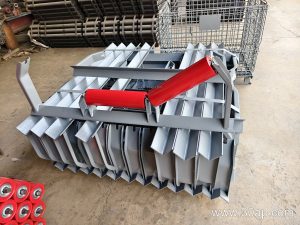
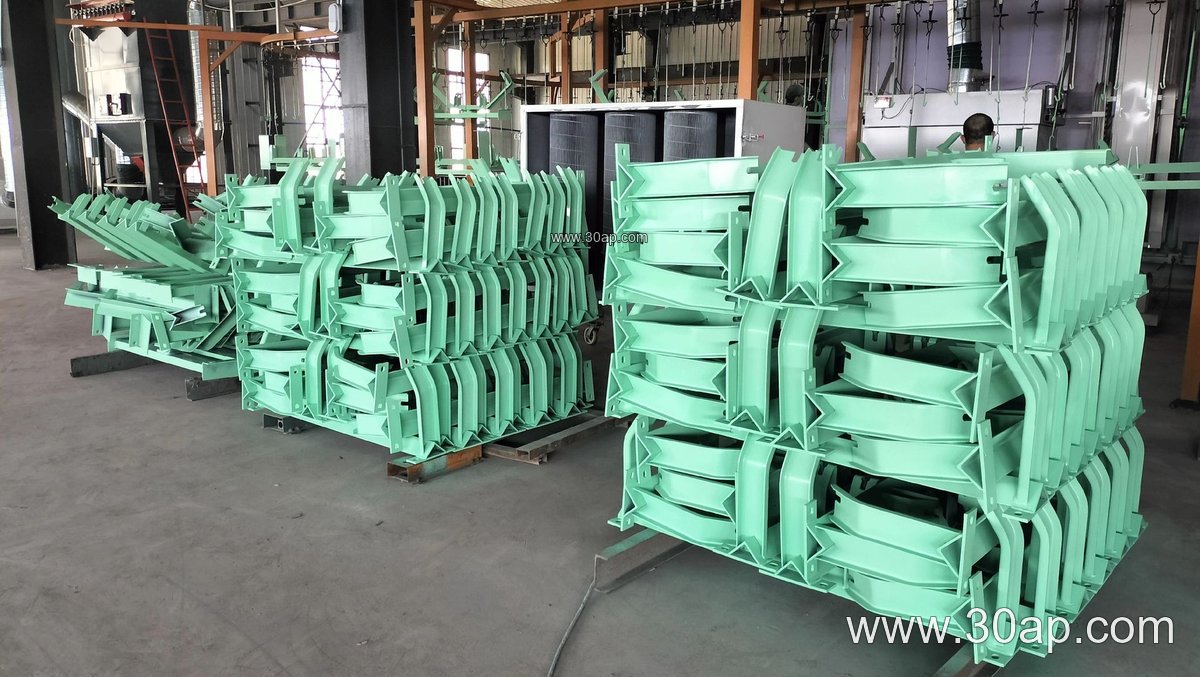
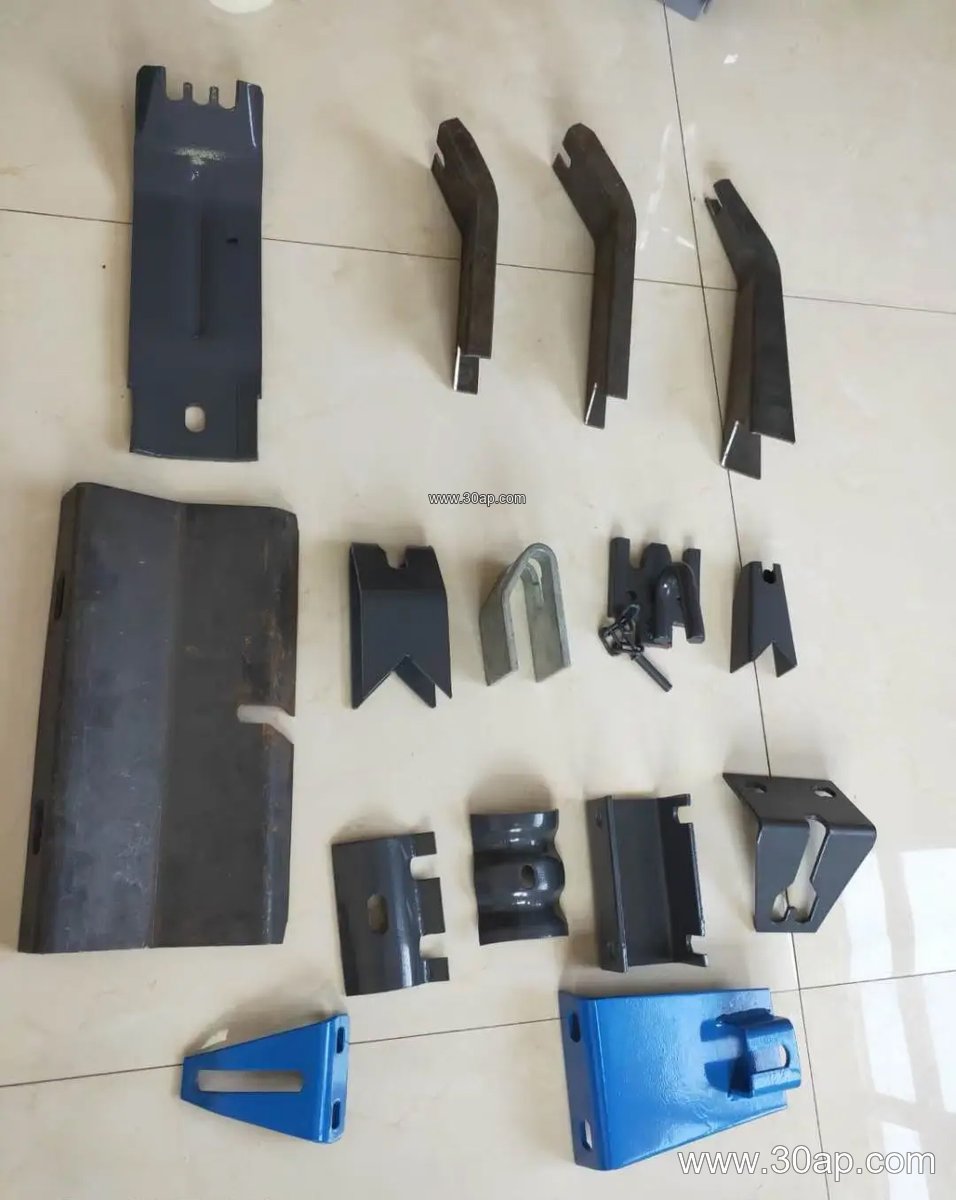
Most idler brackets are fabricated from angle steel, channel steel, or folded steel plate. The material is selected to match the load and the environment—heavier sections for wide belts and high tonnage, lighter sections where space or weight matters. The bracket has mounting holes or slots that accept the idler shaft, and its crossbeam length and hole spacing are determined by belt width and trough angle. Common belt widths include B500, B800, B1200, and B1800, with trough angles of 20, 30, 35, or 45 degrees. These values are design references, not fixed combinations; an adjustable bracket may cover a range of angles, while a fixed bracket is built for one setting.
Where It Fits in the Conveyor Line
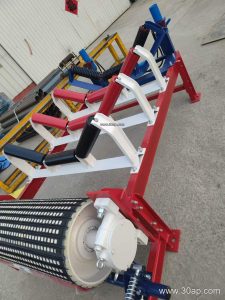
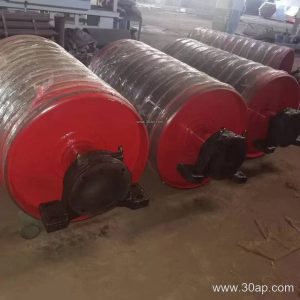
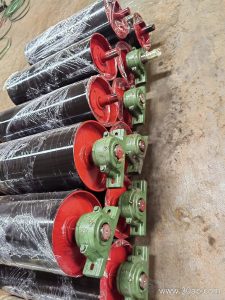
On the carrying side, a troughing idler bracket sets the three-roll trough that shapes the belt into a channel, which helps contain bulk material such as ore, clinker, or aggregate. On the return side, a flat return bracket or a V-return bracket supports the empty belt and helps with belt training. Transition brackets are used near the head and tail to guide the belt from flat to troughed and back. In a port or a power plant coal yard, these brackets work together with the conveyor pulley and the belt to keep the system aligned. The bracket does not move the belt—that is the job of the drive pulley—but it creates the geometry that lets the belt and idler roller do their work efficiently.
Common Types and Their Roles
- Troughing bracket (carrying side): supports three idlers at a set trough angle; common in mining and aggregate duty.
- Return bracket (flat or V-return): supports the belt on the return run and aids tracking.
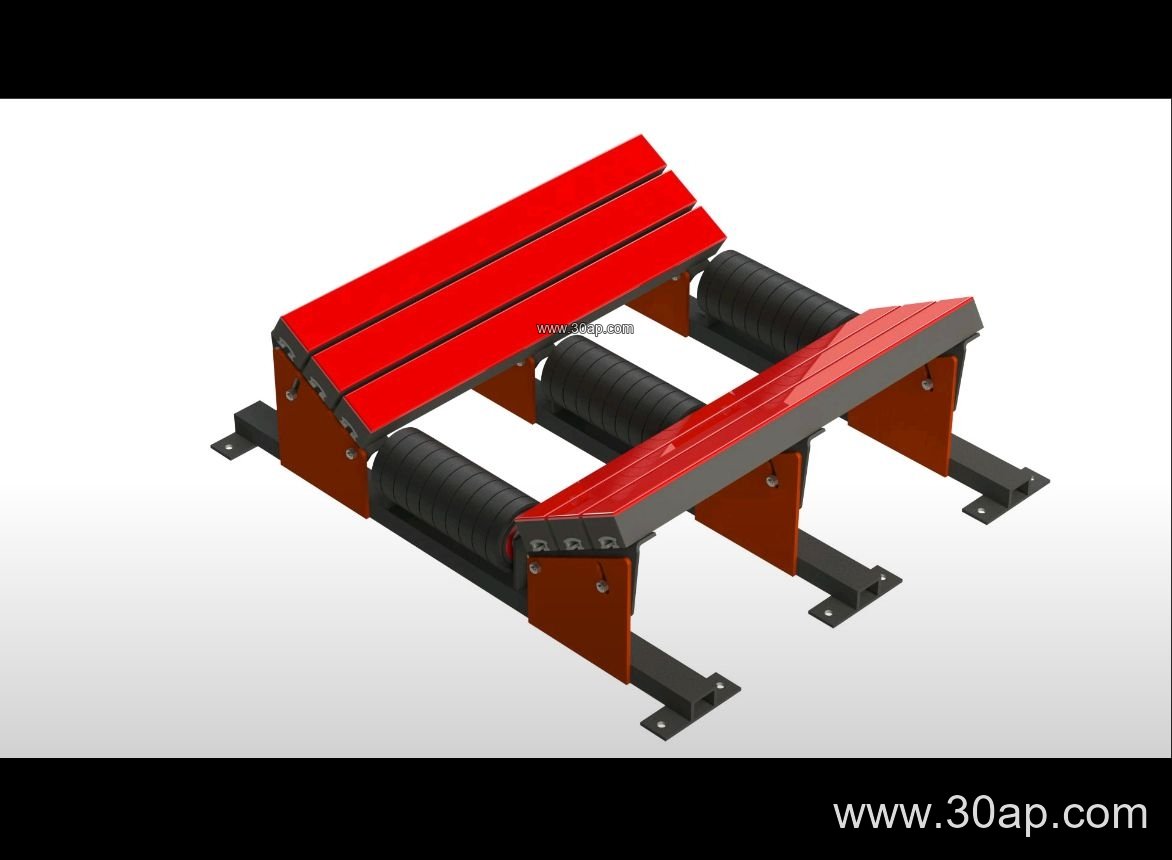
- Impact bracket: used at loading points where material falls onto the belt; often paired with impact idlers.
- Transition bracket: eases the belt between flat and troughed sections near pulleys.
- Self-aligning bracket: helps correct belt misalignment on long or uneven routes.
- Adjustable bracket: allows the trough angle or position to be changed on site.
These are different support functions, not interchangeable names. A tail pulley and a bend pulley, for example, are not replacements for an idler bracket—they serve different mechanical roles in the conveyor.
Matching Bracket, Idler, and Belt
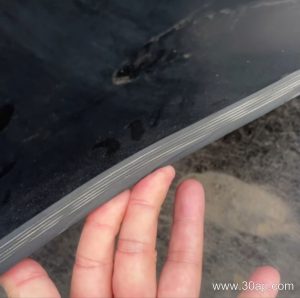
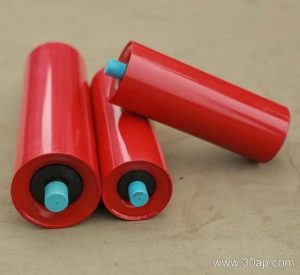
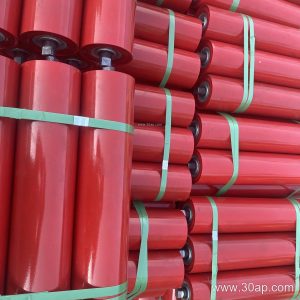
Belt width, trough angle, and idler diameter should be selected together. Typical idler roller diameters include Ø89, Ø108, Ø133, Ø159, and Ø194. A B800 belt might run with a 35-degree trough and Ø108 idlers in one plant, while a B1200 line in a cement plant could use a 45-degree trough and Ø133 idlers. The bracket must match the idler shaft and the frame, and the crossbeam length changes with belt width. For heavy-duty mining conveyor belt applications, the bracket and idler should be sized for the belt tension and material load, not just the belt width. When the belt is a steel cord conveyor belt or a thick abrasion resistant conveyor belt, the support geometry still follows the same design logic, but the loads are higher.
Buyer Checklist
- Confirm belt width and the required trough angle before ordering.
- Check idler shaft diameter and mounting hole spacing against the existing frame.
- Decide between fixed and adjustable brackets based on whether the trough angle may change.
- Match material thickness and finish to the environment—dust, moisture, or washdown.
- Ask for drawings showing crossbeam length and hole positions; do not assume one size fits all.
Whether the plant handles iron ore, limestone, or grain, the idler bracket is a small but critical part of the conveyor structure. Choosing it with the idler roller and the belt in mind keeps the line running smoothly and reduces unexpected downtime.