What a Conveyor Bracket Is and Why Its Price Varies
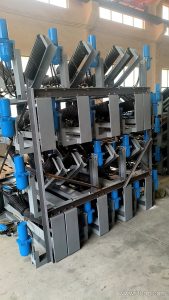
A conveyor bracket is the structural support that holds the idler roller in place and sets the trough angle of the conveyor belt. In a quarry, a coal handling plant, or a cement line, these brackets carry the full weight of the loaded belt, so their design and material directly affect both service life and cost. When buyers ask about conveyor bracket price, the honest answer is that one figure cannot cover every case. The price depends on the bracket type, the belt width it serves, the material, the surface treatment, and the order quantity.
The same item is also sold as a conveyor idler bracket or idler support bracket. These are accurate equivalent names for the same product, and a supplier should be able to quote under any of them without changing the specification.
How a Conveyor Bracket Is Built
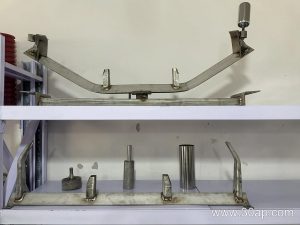
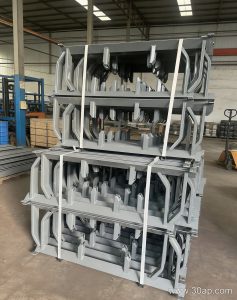
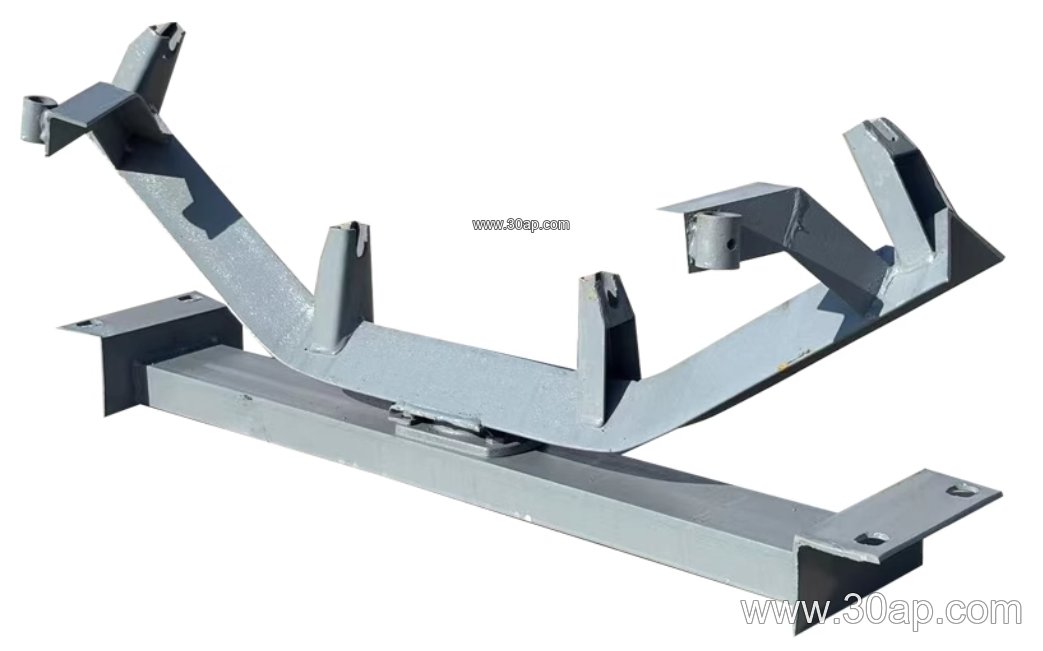
Most brackets are fabricated from angle steel, channel steel, or folded steel plate. The frame is cut, punched for mounting holes, welded, and then painted or galvanized. The hole spacing and crossbeam length are not fixed numbers; they change with belt width and trough angle, so each bracket is made to match the conveyor design.
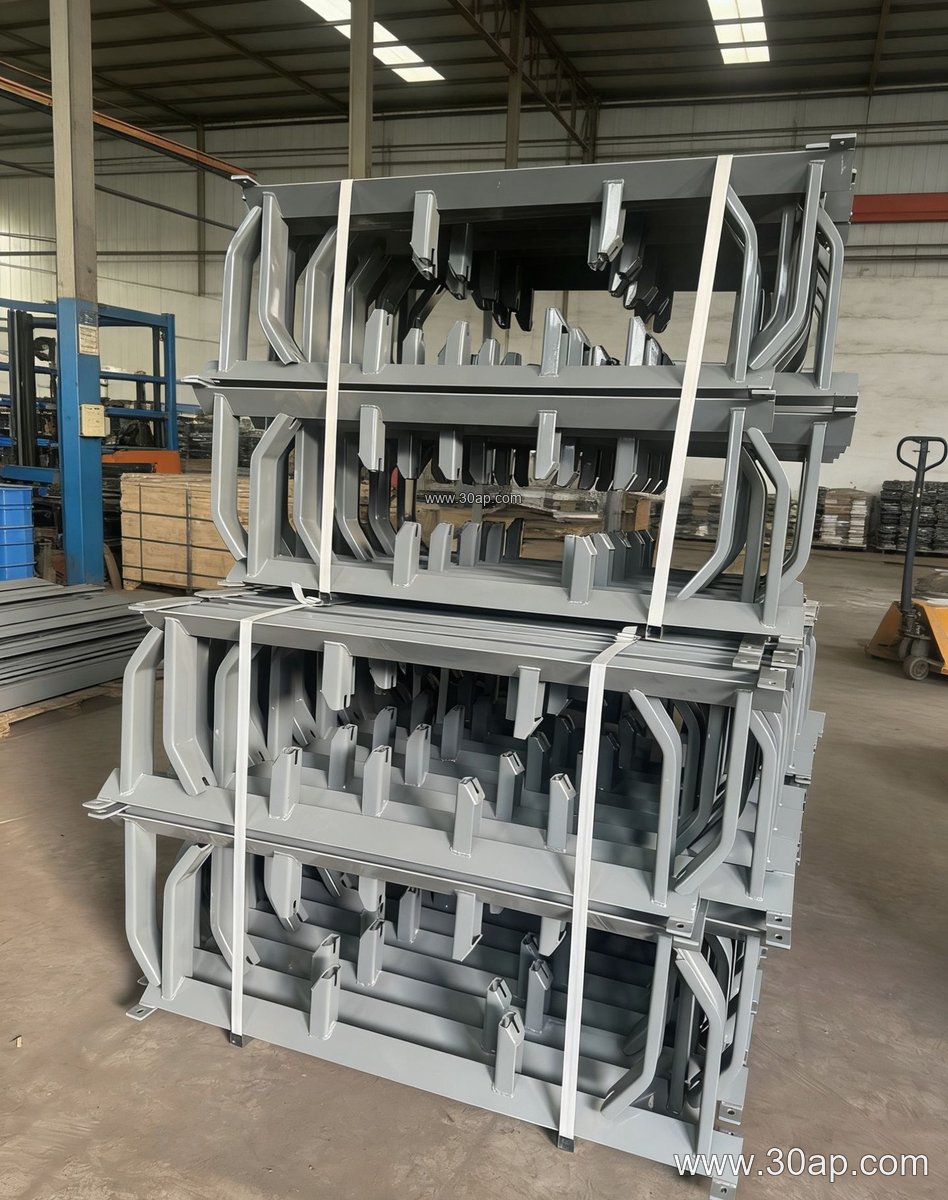
- Carrying side brackets set the trough angle, commonly 20, 30, 35, or 45 degrees.
- Return brackets support the belt on the lower run, often in a flat or V-shaped arrangement.
- Impact brackets sit under the loading point to absorb material drop.
- Self-aligning brackets help correct belt drift on long runs.
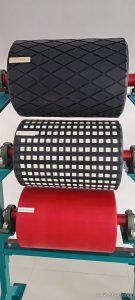
Adjustable versions allow the trough angle to be changed within a range after installation. Forward-tilted designs, usually around 1.5 to 2 degrees, are used where belt tracking needs extra help. A bracket is not a drive pulley, tail pulley, or bend pulley, and none of those can be substituted for it, because each plays a different role in the conveyor.
Common Reference Combinations
The table below shows typical pairings used in design discussions. These are reference examples, not fixed rules. A given belt width can work with more than one trough angle or roller diameter depending on the load and the conveyor layout.
| Belt Width | Trough Angle | Idler Roller Diameter | Typical Bracket |
|---|---|---|---|
| B500 | 20 degrees | Ø89 | Carrying bracket |
| B650 | 30 degrees | Ø89 | Carrying bracket |
| B800 | 35 degrees | Ø108 | Carrying bracket |
| B1000 | 35 degrees | Ø108 | Carrying or transition bracket |
| B1200 | 45 degrees | Ø133 | Carrying bracket |
| B1400 | 35 degrees | Ø133 | Carrying bracket |
| B1600 | 45 degrees | Ø159 | Heavy carrying bracket |
| B1800 | 35 degrees | Ø159 | Carrying bracket |
| B2000 | 45 degrees | Ø194 | Heavy carrying bracket |
| B2200 | 35 degrees | Ø194 | Heavy carrying bracket |
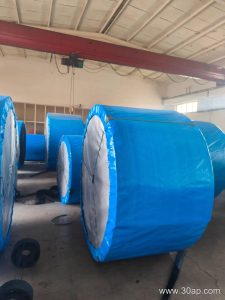
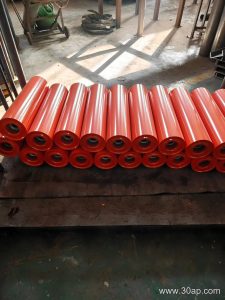
Larger roller diameters usually mean heavier brackets and a higher unit price, because more steel is required. The same applies when the bracket must suit a wide belt such as a 1200mm or 1800mm conveyor belt running in a stone crushing or iron ore line.
Where the Bracket Is Used
Conveyor brackets appear wherever a belt conveyor moves bulk material. In a sand and gravel plant they support the carrying run through the screening section. In a power plant coal yard they hold idlers under a flame retardant conveyor belt on the transport gallery. In a limestone mine or a cement plant they keep the belt aligned through long inclines. The bracket must suit the belt and the idler roller it carries, so the specification is usually set together with those parts.
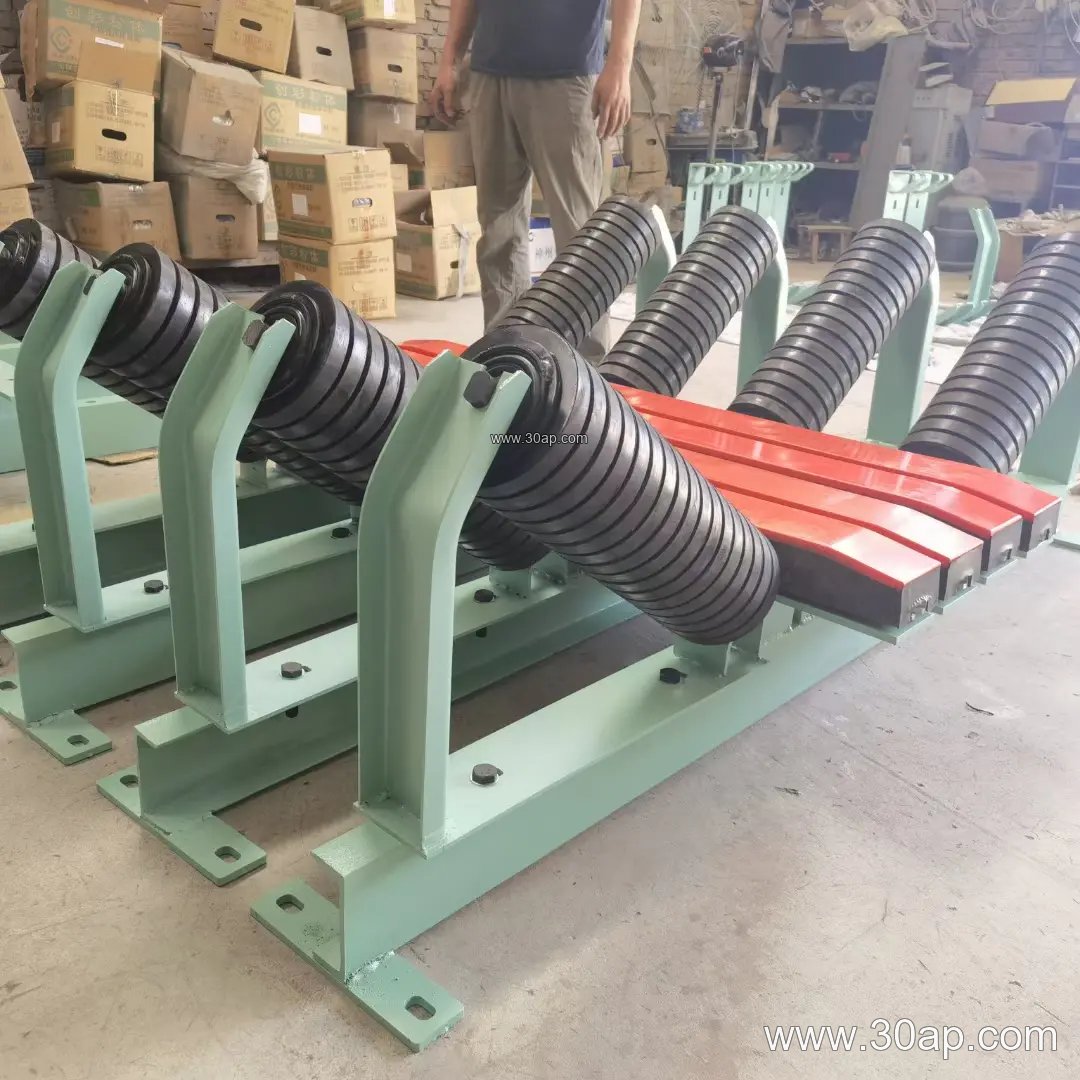
For example, a steel cord conveyor belt on a long overland run needs brackets that hold alignment under high tension, while a pipe conveyor belt calls for a completely different support arrangement. Similarly, an abrasion resistant conveyor belt in a crusher discharge area may be paired with impact brackets to reduce shock loading.
What Buyers Should Check Before Comparing Quotes
Price comparison only makes sense when the specification matches. Ask each supplier to state the bracket type, belt width range, trough angle, roller diameter, material, and surface treatment. Confirm whether the mounting hole spacing is made to your drawing or to a standard pattern. Check the steel thickness, since a light bracket may look similar but fail earlier under a heavy-duty conveyor belt load.
Order quantity also matters. A small batch of custom adjustable brackets will cost more per piece than a large run of standard carrying brackets. Delivery distance and packing method add to the landed cost. Buyers in mining, coal preparation, and aggregate operations should also ask about spare parts availability, because replacing a single bracket is far cheaper than replacing a damaged idler roller assembly.
For related components such as the conveyor belt, idler roller, and conveyor pulley, keep the same design data on file so that future bracket orders stay consistent.