What a Non-Standard Conveyor Bracket Really Is
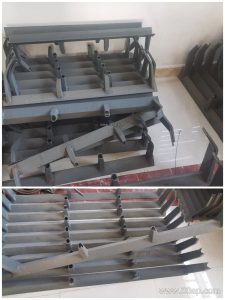
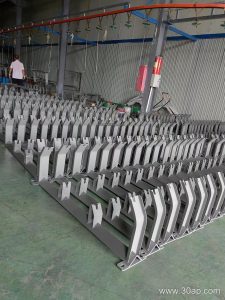
A non-standard conveyor bracket is a support component built to match a conveyor frame that does not follow common catalogue dimensions. Instead of forcing a standard bracket onto an existing structure, the bracket is made to the measured hole spacing, beam length, trough angle and roller position of that particular line. In practice, this custom conveyor bracket often becomes the quiet problem-solver in a quarry, a cement plant or a power plant coal yard, where frames are modified, extended or rebuilt over time.
The same product is also described as a bespoke conveyor support bracket or a custom conveyor bracket. All three names point to one thing: a bracket produced outside the usual size range, usually from a drawing or a site measurement.
How the Bracket Is Built
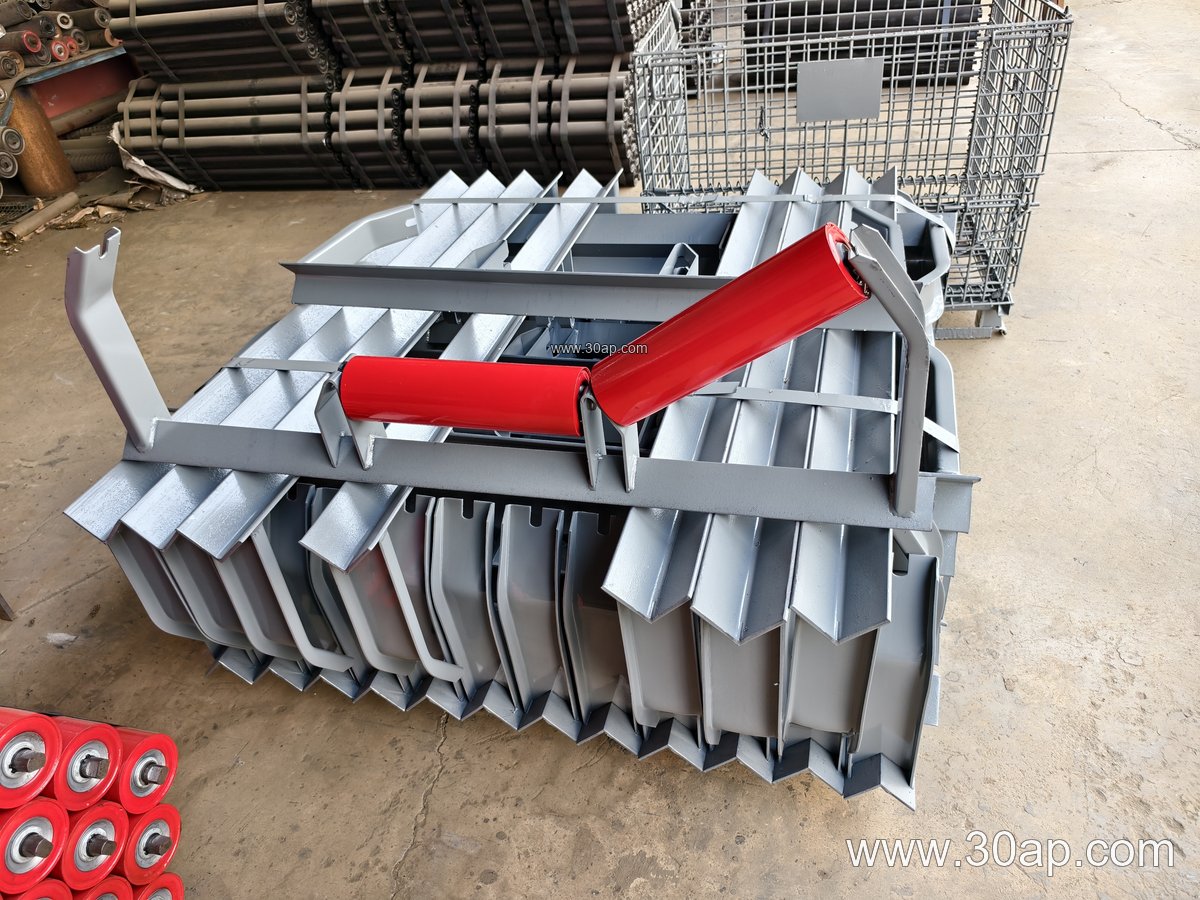
Most non-standard brackets are fabricated from angle steel, channel steel or folded steel plate, then drilled or punched to the required mounting pattern. A simple return bracket may be little more than a folded plate with two holes; a heavy troughing bracket for a B1200 line may need channel sections, gussets and a reinforced crossbeam.
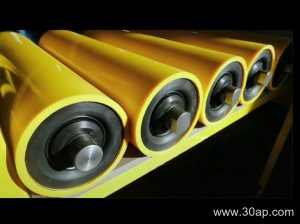
Because the frame decides the shape, two brackets with the same belt width can look completely different. The hole distance and crossbeam length change with belt width, trough angle and the roller diameter used. A bracket for B800 with a 35 degree trough and Ø108 rollers will not fit a frame built for B1000 and Ø133 rollers, even if both carry the same conveyor belt.
Common Reference Combinations
The values below are typical reference points, not fixed rules. Actual dimensions are always confirmed against the frame drawing.
| Belt width | Trough angle | Roller diameter | Typical use |
|---|---|---|---|
| B500 | 20-30 degrees | Ø89 | Small aggregate or sand lines |
| B650 | 30 degrees | Ø89-Ø108 | Crushing and screening circuits |
| B800 | 35 degrees | Ø108 | General bulk material handling |
| B1000 | 35-45 degrees | Ø108-Ø133 | Cement plants, coal yards |
| B1200 | 35-45 degrees | Ø133 | Iron ore, heavy-duty mining lines |
| B1400-B1600 | 35-45 degrees | Ø133-Ø159 | Ports, steel plants, large quarries |
| B1800-B2000 | 35-45 degrees | Ø159-Ø194 | High-capacity bulk terminals |
Where These Brackets Are Used
Custom brackets appear wherever a conveyor has been adapted rather than replaced. In a limestone mine, an old frame may be widened to accept a wider belt, leaving the original bracket positions unusable. In a coal washing plant, a transition section between two frame types often needs a bracket that matches neither side. A tunnel spoil line or a fertiliser silo discharge point may also require a one-off support because the available space is tight.
They are equally common in aggregate plants and crusher discharge lines, where impact and dust make sturdy, well-fitted supports important. A bracket that fits correctly keeps the idler roller square to the belt, which helps the conveyor belt track straight and reduces edge wear.
Adjustable Versus Fixed Designs
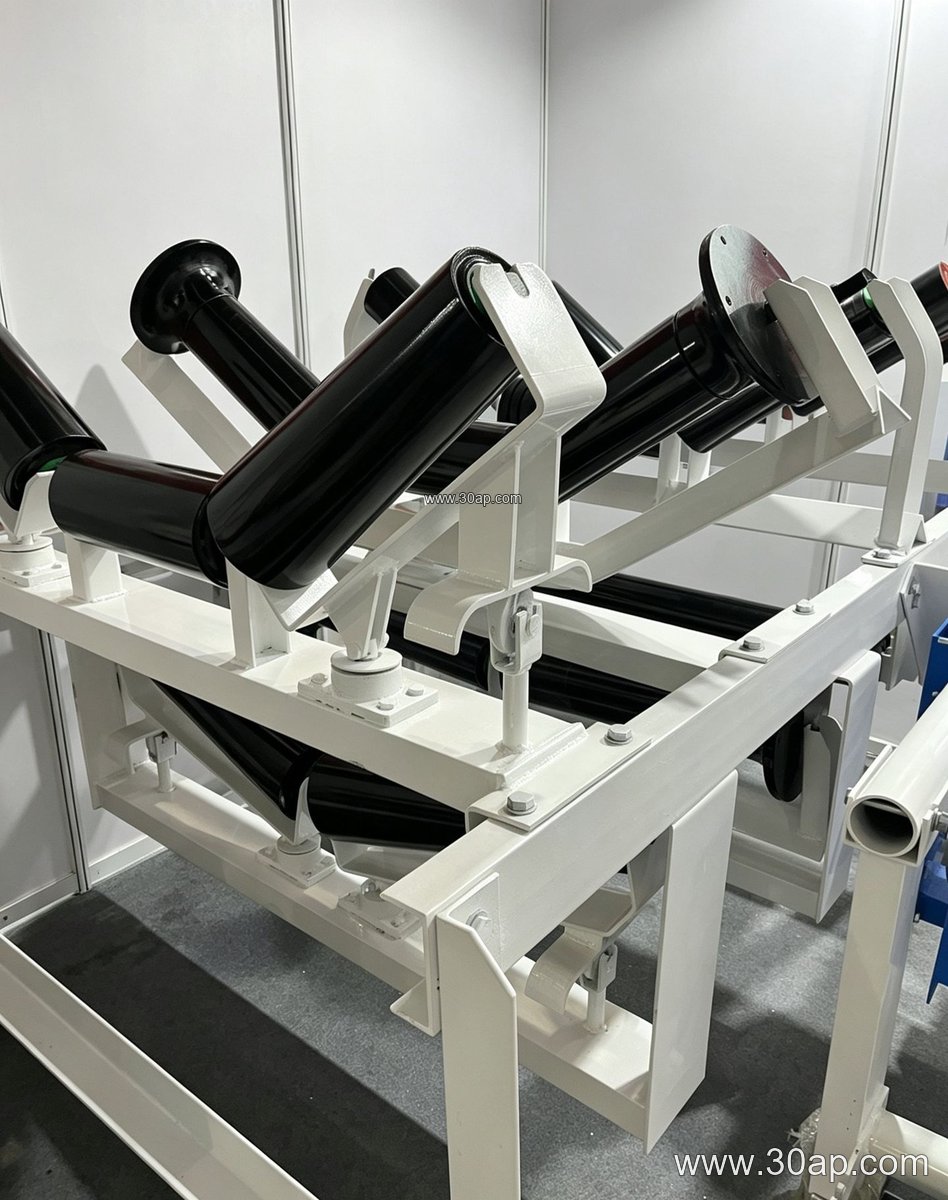
Some non-standard brackets are fixed, with the trough angle welded or bolted permanently. Others are adjustable, letting maintenance staff set the angle between 20, 30, 35 and 45 degrees, or correct small misalignments after the frame settles. Adjustable types are useful on transitional sections and on lines where the belt may be changed later. Fixed types are simpler and stiffer, and are often preferred on heavy-duty mining conveyor frames where movement is not wanted.
Forward-leaning brackets, usually set at about 1.5 to 2 degrees, are a separate design choice aimed at improving belt training; they should not be confused with the adjustable trough-angle bracket.
What Buyers Should Check
- Frame drawing or site measurement: hole spacing, crossbeam length, mounting height and bolt size.
- Belt width and roller diameter, since both affect bracket geometry.
- Trough angle, and whether adjustment is needed.
- Material thickness and surface treatment for dusty, wet or corrosive sites.
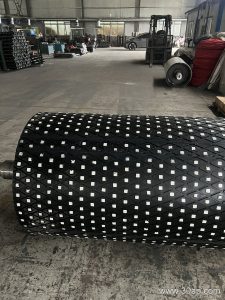
- Compatibility with the existing idler roller and conveyor pulley positions.
For a plant handling abrasive ore or a heat-resistant conveyor belt in a sintering area, the bracket material and coating deserve as much attention as the dimensions. A bracket that matches the frame but corrodes quickly will still cause downtime.
Ordering is straightforward when the drawing is clear. A sketch with the belt width, roller diameter, trough angle and hole pattern is usually enough for a fabricator to produce a non-standard conveyor bracket that fits the first time.