What a Turning Pulley Does on a Conveyor
A turning pulley is the drum that changes the path of the conveyor belt, guiding it around a bend or redirecting it at the head, tail, or tensioning station. In a coal handling plant or a limestone quarry, this component keeps the belt tracking correctly and maintains proper wrap on the drive pulley. Unlike a drive pulley that transmits power or a tail pulley that serves as the return terminal, a turning pulley primarily redirects belt travel without being the main power source.
Construction and Key Components
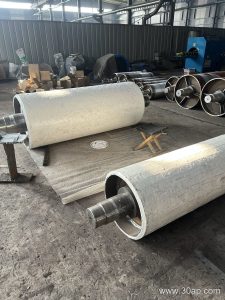
The turning pulley typically consists of a cylindrical shell, shaft, hub, and bearing assemblies. The shell may be smooth or covered with rubber, ceramic, or other lagging to improve grip and protect the belt. Common surface options include plain finish, hot vulcanized rubber, cold bonded rubber, diamond grooved lagging, and ceramic lagging. Lagging thickness often ranges from 8 mm to 20 mm depending on the application and belt tension.
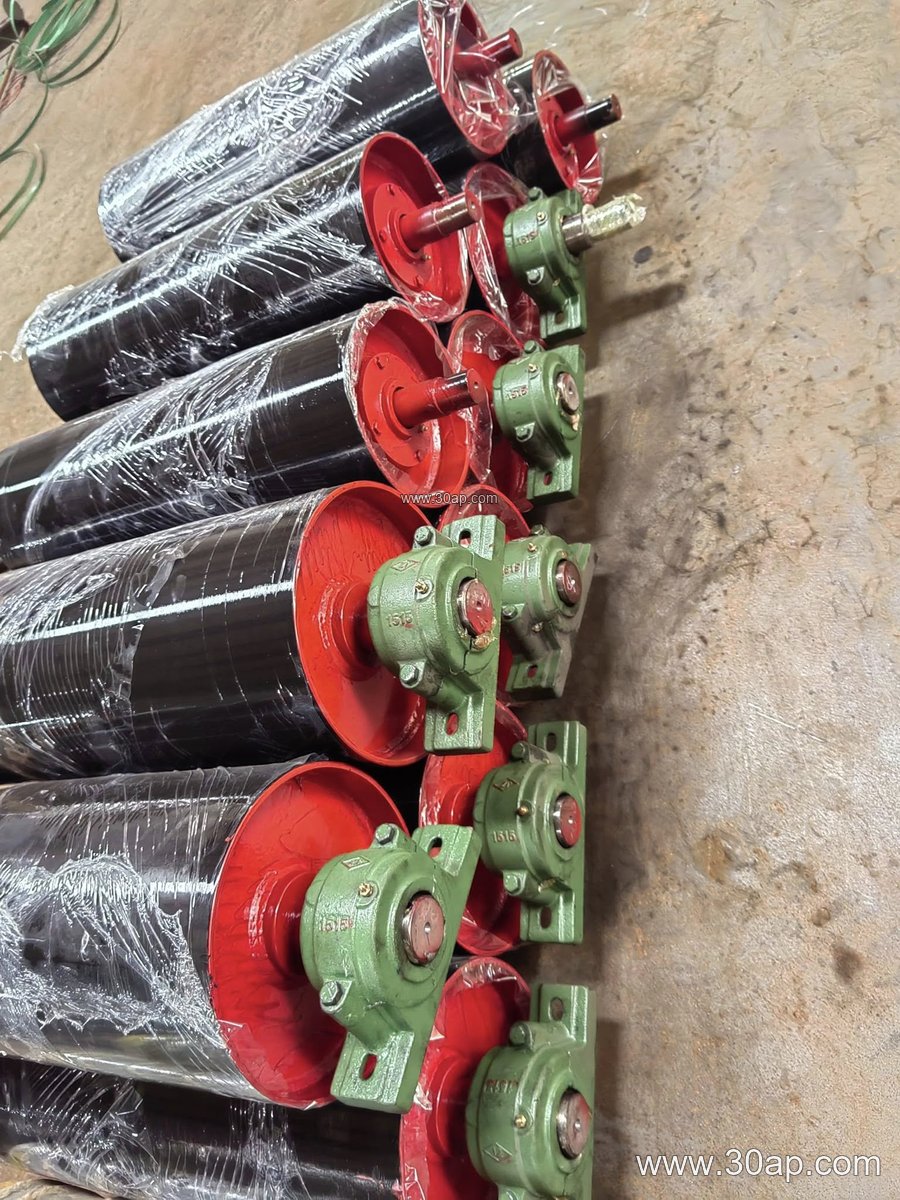
Consider a mid-sized aggregate line using a B800 belt. The turning pulley might have a shell width of about 950 mm and a diameter of Ø500 mm, with a shaft diameter determined by torque and load calculations rather than belt width alone. In a cement plant, a B1200 belt could pair with a Ø1000 turning pulley, but the exact combination is always set by the conveyor designer.
Where It Fits in the System
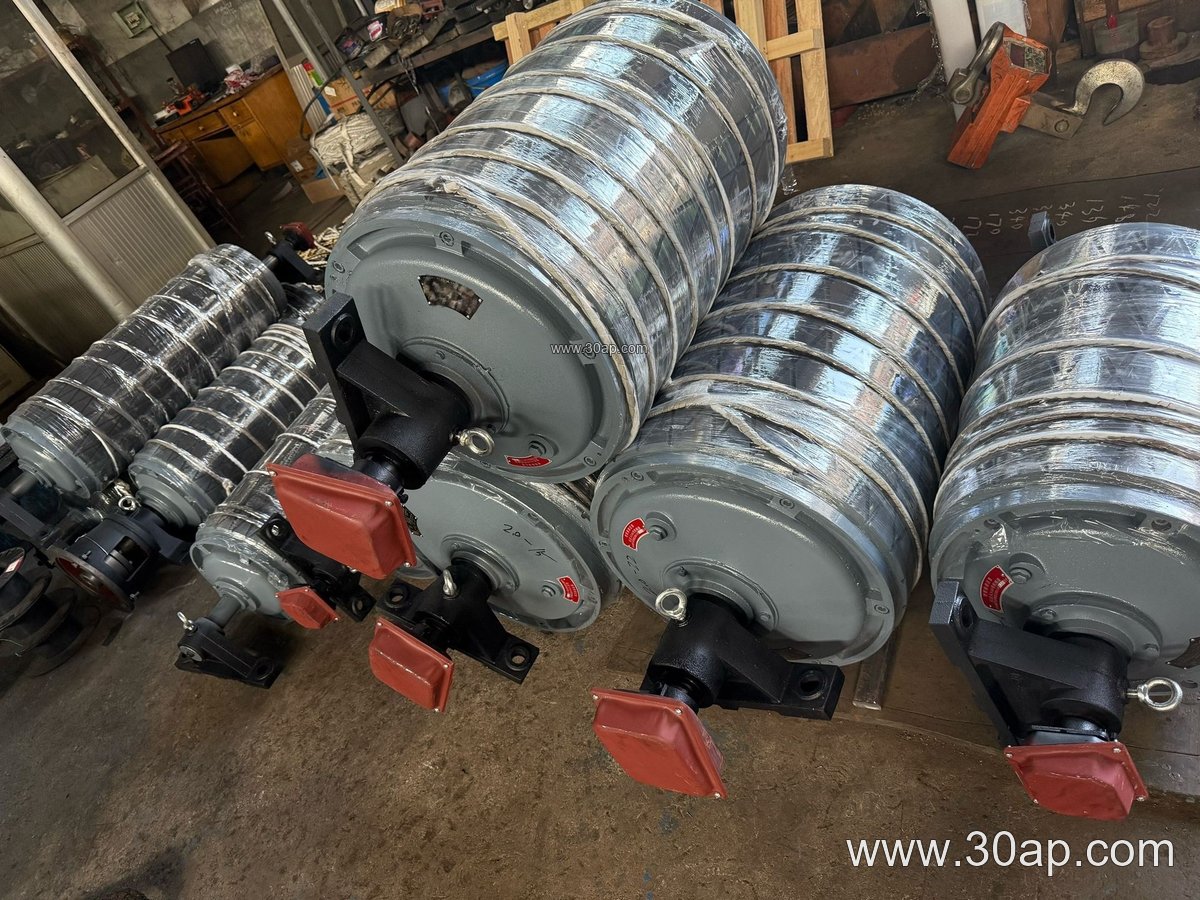
Turning pulleys appear in several locations. At the head end, they may assist in unloading; at the tail, they can help with belt training; and in tensioning stations, they guide the belt through take-up travel. A wing pulley is a specialized variant used for self-cleaning in sticky material, while an electric pulley integrates the motor inside the drum. These are distinct types, and a turning pulley is not a substitute for a drive or tail pulley in terms of function.
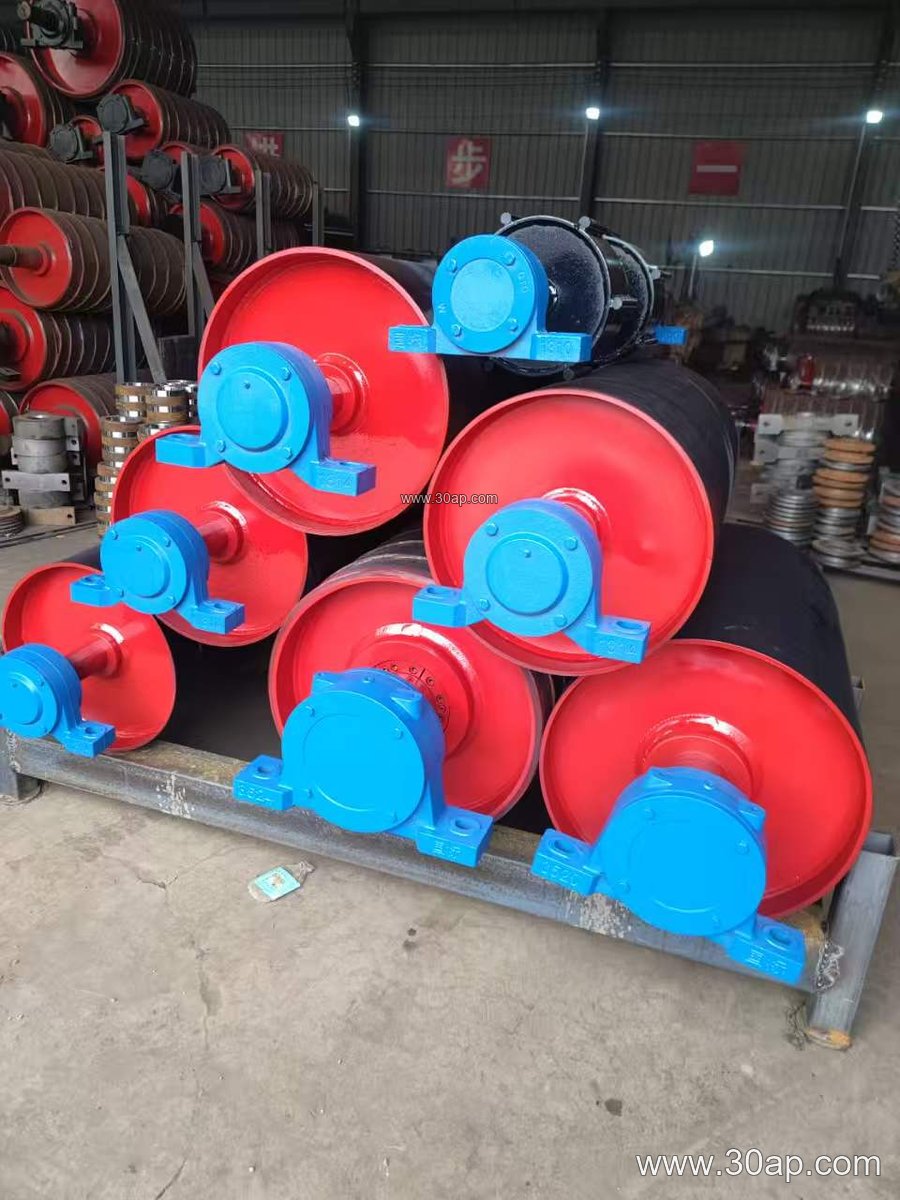
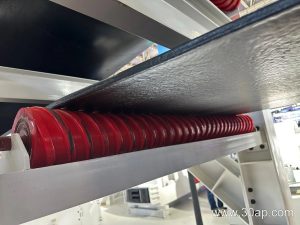
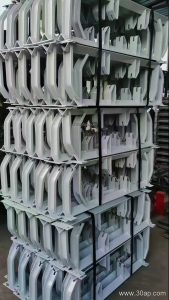
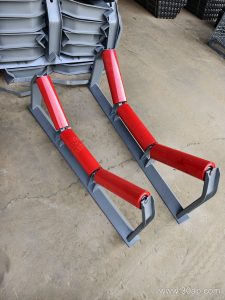
In a typical stone crushing and screening plant, you might find a turning pulley redirecting the belt after the primary crusher, working alongside conveyor idler rollers and sturdy conveyor brackets. The pulley must be sized to handle the belt width and the material load without causing excessive belt stress.
Specifications and Selection Factors
When selecting a turning pulley, engineers consider belt width, pulley diameter, shaft diameter, lagging type, and bearing capacity. The table below lists common reference values, but these are not universal specifications and should be confirmed with the pulley manufacturer.
| Parameter | Common Reference Range |
|---|---|
| Belt width | B400 to B2400 |
| Pulley diameter | Ø200 to Ø1800 |
| Shaft diameter | Ø50 to Ø200 (depends on torque and load) |
| Lagging thickness | 8, 10, 12, 15, 20 mm |
| Surface types | Plain, rubber lagging, diamond, ceramic, herringbone |
Note that belt width does not dictate a single pulley diameter; for example, a B650 belt might run on a Ø400 pulley in one conveyor and a Ø630 pulley in another, depending on belt speed, tension, and space constraints. Shaft diameter is always calculated from the actual torque and radial load, not from belt width.
Buyer Checklist for Turning Pulleys
- Confirm the pulley’s location and function (redirect, tension, or bend) to choose the right type.
- Check compatibility with the conveyor belt width and the required wrap angle.
- Specify lagging material and thickness based on material abrasiveness and belt slip risk.
- Verify shaft diameter and bearing size against the calculated loads and torque.
- Ensure the pulley shell width exceeds belt width appropriately, for instance B1000 with about 1150 mm shell.
- Consider environmental factors such as dust, moisture, and temperature in coal mines or cement plants.
In a fertilizer plant or a grain silo, a stainless or coated turning pulley may be needed for corrosion resistance. Always request detailed drawings and material certificates from the supplier to match your specific conveyor layout.
Maintenance and Longevity
Regular inspection of lagging wear, bearing condition, and shaft alignment helps prevent unplanned downtime. In a steel mill or sinter plant, turning pulleys should be checked for buildup and belt misalignment. Proper lubrication and timely replacement of worn lagging extend service life and protect the conveyor belt from damage.