What the Take-Up Pulley Does on a Conveyor
A belt conveyor take-up pulley is the drum that removes slack from the belt circuit and holds tension steady while the system runs. In most installations it sits at the tail end or on a separate tensioning carriage, and it moves along a short stroke as the belt stretches with load and temperature. Without a correctly sized take-up drum, a fabric core belt can sag between idlers, slip on the drive, or wander off the pulleys. The same drum is often called a tension pulley or take-up drum, and that equivalent name appears on many general arrangement drawings.
The take-up drum should not be confused with the drive pulley, the tail pulley, or a bend pulley. Each has its own job. The drive transmits torque, the tail redirects the returning belt, and a bend pulley changes direction where space is tight. Only the take-up drum is tied to the tensioning device, whether that is a screw, a gravity tower, or a hydraulic cylinder.
Construction and Surface Options
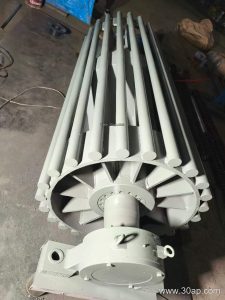
The drum body is usually a welded steel shell with machined end discs and a shaft that runs through the full face width. Larger units may use a stiffened shell to limit deflection under high tension. Bearing housings are bolted to the frame or to sliding blocks on the tensioning track.
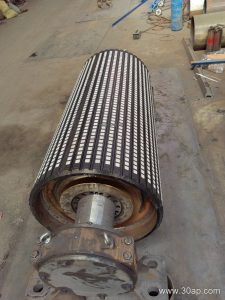
Surface finish matters because the take-up drum grips the belt on both the carrying and return sides. Common choices include plain finish, cold-bonded rubber, hot-vulcanized rubber, diamond grooving, and ceramic lagging. Rubber lagging in 8, 10, 12, 15, or 20 mm thickness is typical, and the choice depends on whether the belt is wet, dusty, or oily. On a quarry conveyor belt line handling damp aggregate, a grooved rubber surface helps shed water. In a cement plant where fine dust coats everything, a plain or lightly lagged drum may be easier to clean.
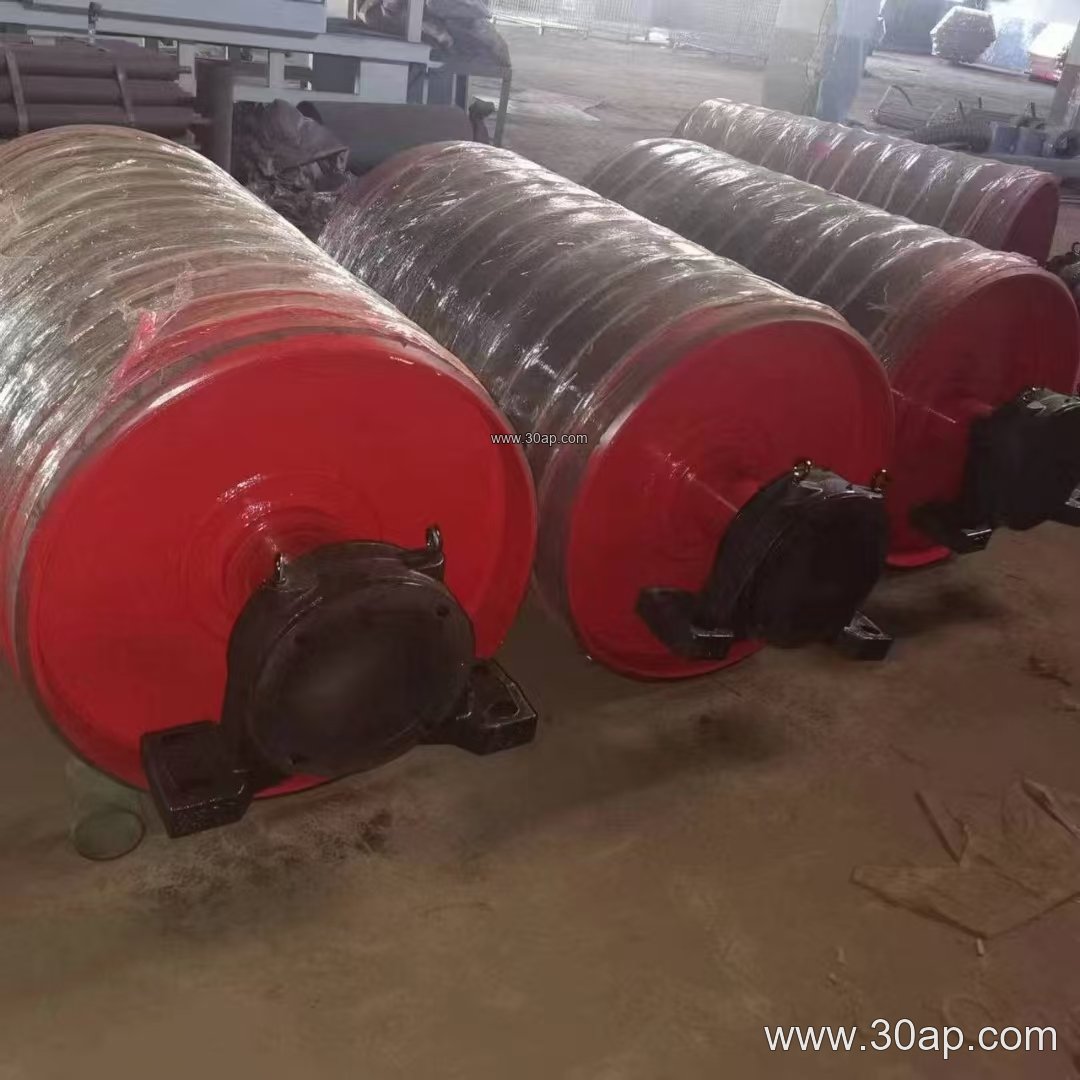
The pulley face is normally wider than the belt. For example, a B800 belt usually runs on a drum with roughly 950 mm face width, and a B1200 belt on about 1400 mm face width. These are reference relationships, not fixed rules, and the final face width follows the conveyor design.
Where Take-Up Drums Are Used
These drums appear wherever belt length changes during operation. In a coal mining conveyor system, a gravity take-up tower keeps tension constant as the belt stretches under load. In a power plant coal handling line, a screw take-up drum at the tail allows manual adjustment during scheduled maintenance. Sand and gravel plants often use a compact carriage-mounted tension pulley so the whole conveyor stays short. Port bulk terminals with long boom conveyors rely on hydraulic take-up drums that respond quickly to load swings.
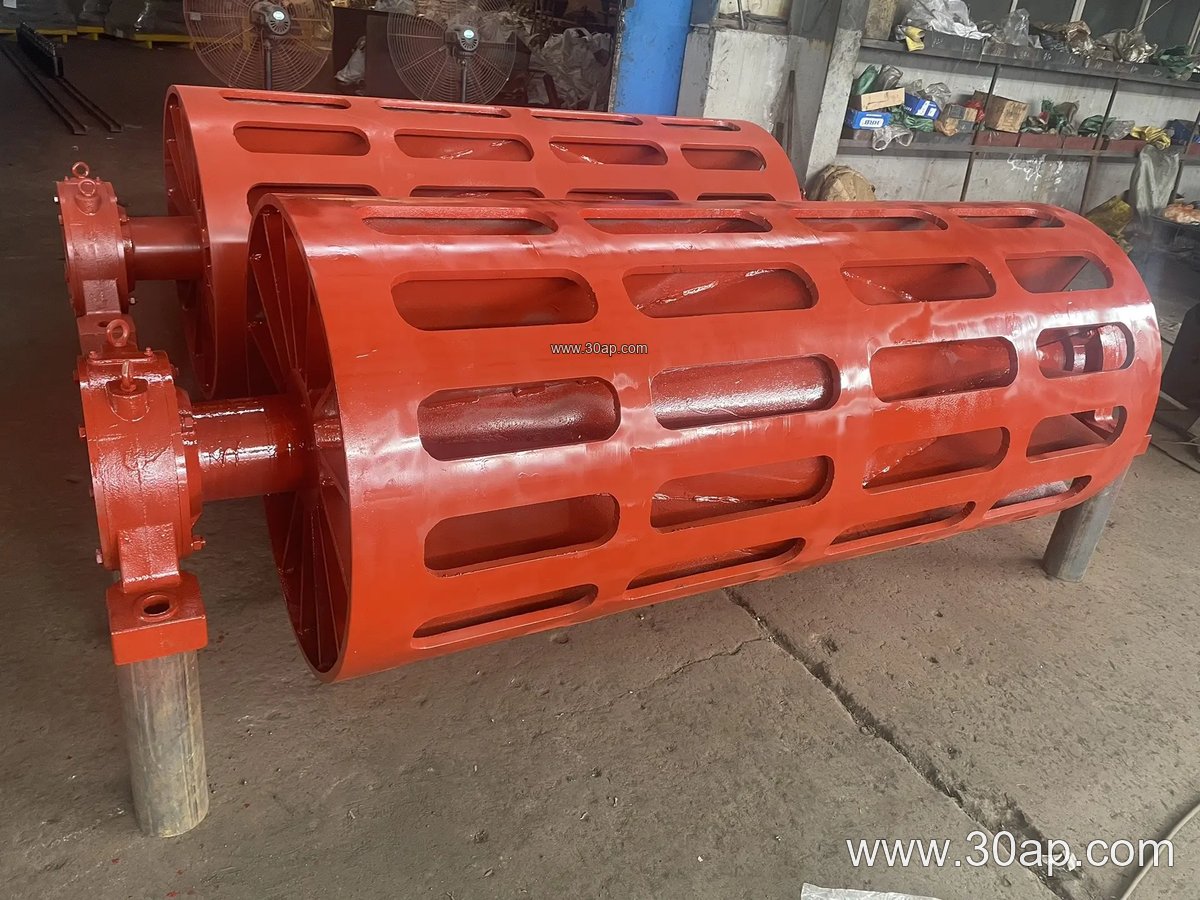
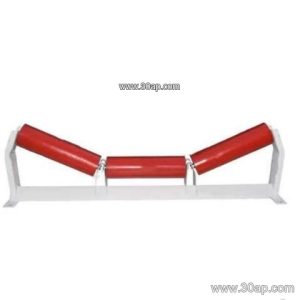
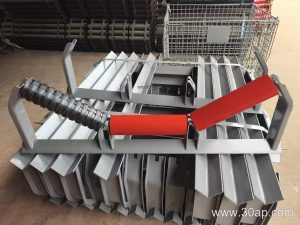
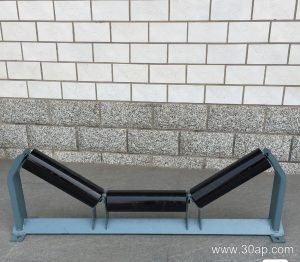
The take-up drum also works with the rest of the belt path. It must align with the conveyor pulley set, the idler roller frames, and the conveyor bracket that anchors the tensioning track. Misalignment here is a common cause of edge wear on a heavy-duty conveyor belt.
Matching the Drum to the Belt
There is no single diameter that fits every belt width. A B800 conveyor might use a Ø500 drum in a light duty aggregate line or a Ø630 drum where tension is higher. A B1400 belt in an iron ore plant could run with a Ø800 or Ø1000 take-up pulley depending on the calculated belt tension and shaft load. Shaft diameter is set by torque and bearing load, typically Ø80 to Ø160 on medium and large conveyors, and should never be picked from belt width alone.
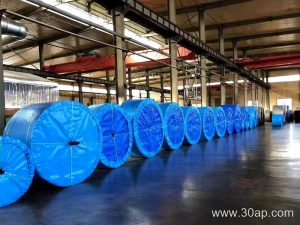
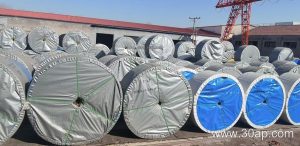
Belt construction also guides the choice. A steel cord conveyor belt needs a larger drum diameter relative to its thickness than a thin multi-ply fabric core belt, because bending stress affects cord fatigue. A heat resistant conveyor belt in a sinter plant may need a wider face and careful lagging selection so heat does not degrade the rubber. Where a pipe conveyor belt or corrugated sidewall belt is used, the take-up stroke and drum profile are designed around the belt’s specific cross-section.
What Buyers Should Check
- Confirm the tensioning method and required stroke before choosing the drum.
- State the belt type and thickness so the supplier can check bending radius.
- Ask for the calculated shaft diameter, not a guess based on belt width.
- Specify lagging type and thickness for the actual environment.
- Check bearing size, sealing, and lubrication access.
- Verify face width against the belt and the frame dimensions.
During operation, inspect the take-up drum for lagging wear, shell cracks, and bearing play. Keep the tensioning track clean so the drum slides freely. A take-up pulley that binds will cause tension spikes and can damage the conveyor belt or the drive. Regular checks of alignment with the idler roller line and the conveyor bracket save far more than they cost.