What the Tail Pulley Assembly Does at the Return End
A tail pulley assembly is the rotating package mounted at the loading or return end of a belt conveyor. It supports and guides the conveyor belt as it turns back toward the carrying run, and in many quarry and aggregate lines it also serves as the tensioning point that keeps the belt tracking correctly. Because it sits opposite the drive, this assembly sees continuous belt wrap, dust, and occasional impact from material falling onto the loading zone, so its construction and alignment matter as much as the head drive components.
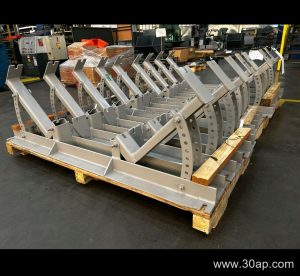
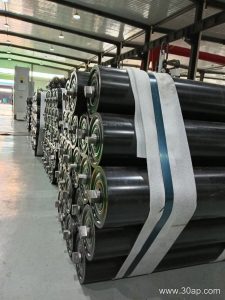
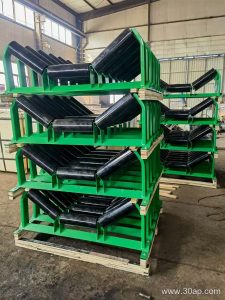
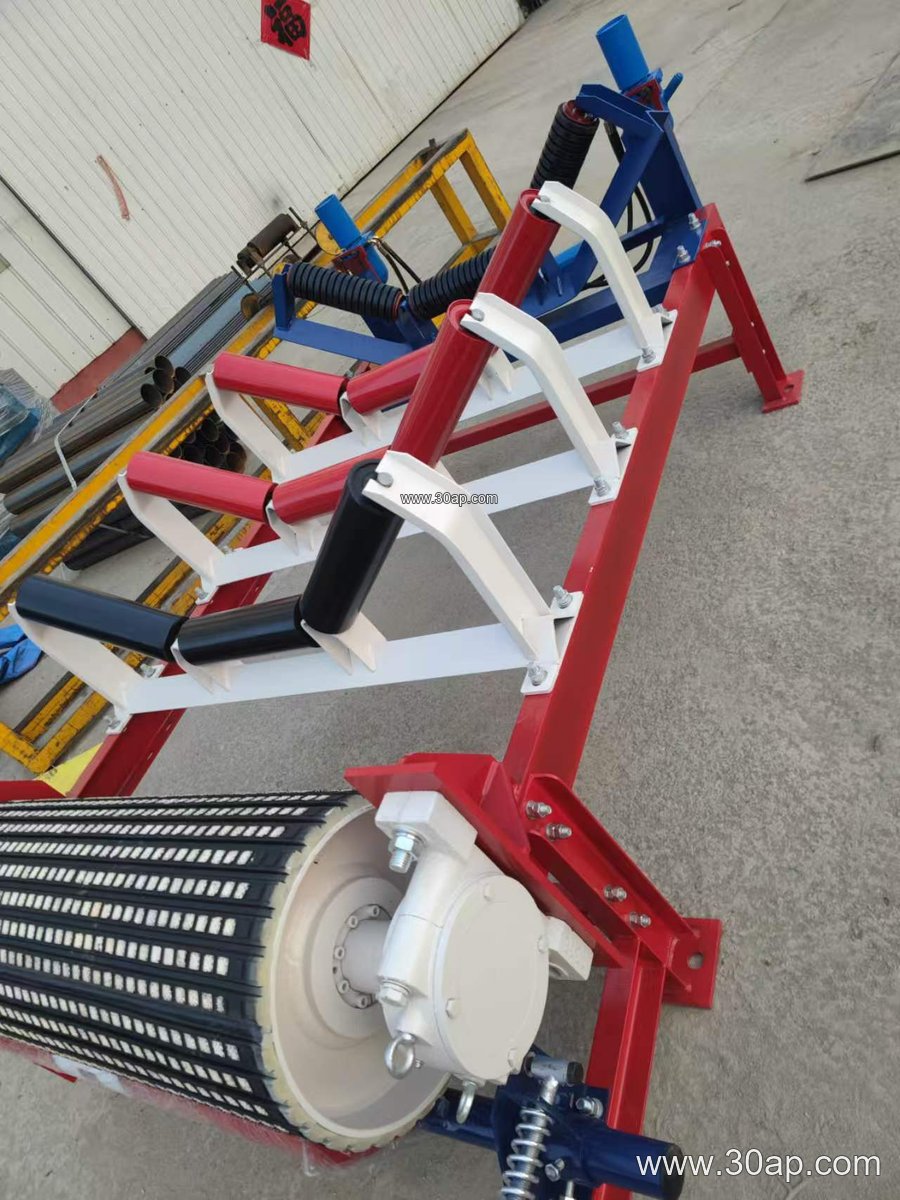
In a sand and gravel plant, a well-built tail pulley assembly helps the belt run centered through the troughing idler roller sets and reduces edge wear. When the assembly is misaligned or the lagging is worn, the belt tends to drift, spillage increases, and the conveyor pulley bearings work harder than they should.
How a Tail Pulley Assembly Is Built
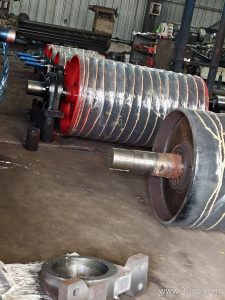
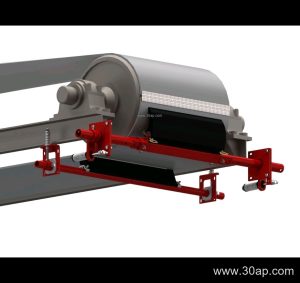
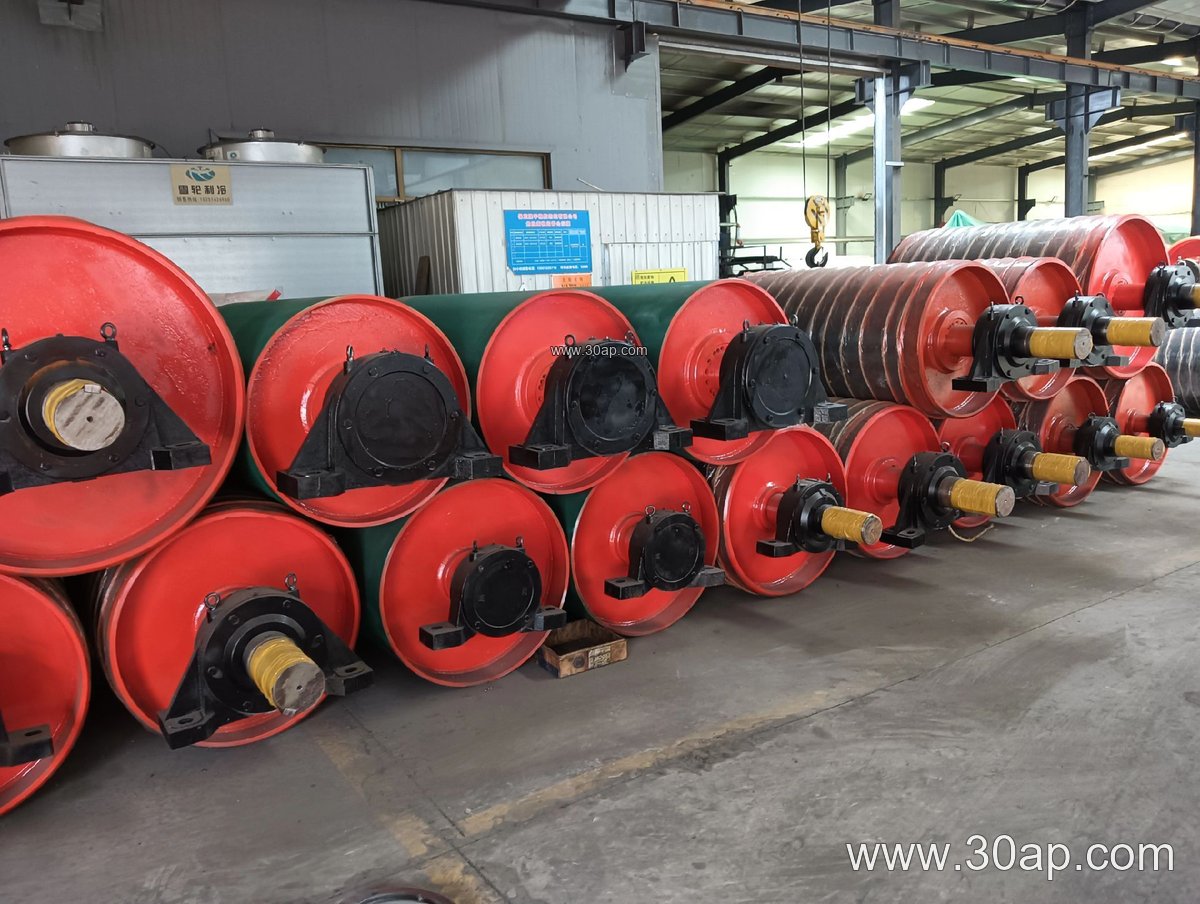
The assembly usually combines a cylindrical shell, end discs, a shaft, bearing housings, and a lagging surface. The shell is welded to the shaft or mounted through hubs, and the whole unit is carried in pillow block bearings fixed to the conveyor bracket or tensioning frame. A take-up mechanism, such as a screw or gravity tensioner, is often integrated into the tail position so belt slack can be removed without stopping production for long.
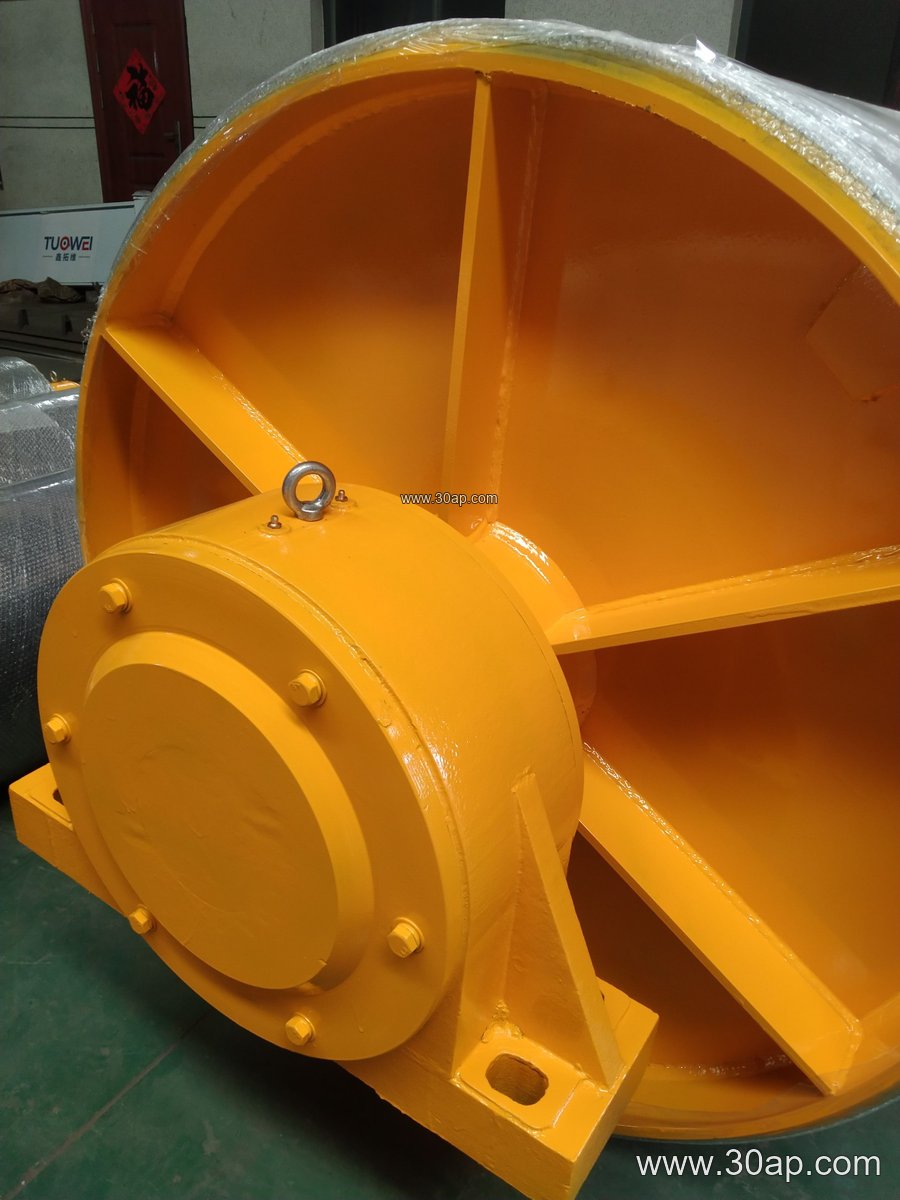
Surface options vary with the duty. Plain steel is common where material is dry and the belt does not slip. Rubber lagging, either cold-bonded or hot-vulcanized, improves grip and protects the shell from abrasive fines. Diamond or herringbone grooving helps shed water and fines in wet washing circuits, while ceramic lagging is chosen when abrasion is severe. Lagging thickness is commonly 8, 10, 12, 15, or 20 mm depending on the belt and load.
Typical reference dimensions
The table below shows common combinations seen in catalogues and design drawings. These are reference values, not fixed rules, and final selection depends on belt tension, shaft torque, and the conveyor layout.
| Belt width | Typical pulley face width | Example diameter | Common shaft range |
|---|---|---|---|
| B500 | about 600 mm | Ø250 to Ø400 | Ø50 to Ø80 |
| B650 | about 750 mm | Ø315 to Ø500 | Ø60 to Ø90 |
| B800 | about 950 mm | Ø400 to Ø630 | Ø70 to Ø100 |
| B1000 | about 1150 mm | Ø500 to Ø800 | Ø80 to Ø120 |
| B1200 | about 1400 mm | Ø630 to Ø1000 | Ø90 to Ø140 |
| B1400 | about 1600 mm | Ø800 to Ø1250 | Ø100 to Ø160 |
| B1600 | about 1800 mm | Ø1000 to Ø1400 | Ø120 to Ø180 |
A B1200 × Ø1000 tail unit and a B800 × Ø500 tail unit are both realistic, but the same belt width can pair with several diameters. Shaft diameter should be sized from torque and bearing load, never copied from belt width alone.
Where These Assemblies Are Used
Tail pulley assemblies appear wherever a conveyor returns its belt after discharge. In a limestone quarry they sit under the primary crusher discharge, where fines and sharp rock put the lagging under constant attack. In a coal washing plant they may be part of a tensioned return end that keeps a flame retardant conveyor belt tracking through wet, sticky conditions. Cement plants use them on clinker and raw meal lines, while power plant coal handling relies on robust tail units to hold belt tension on long inclined runs.
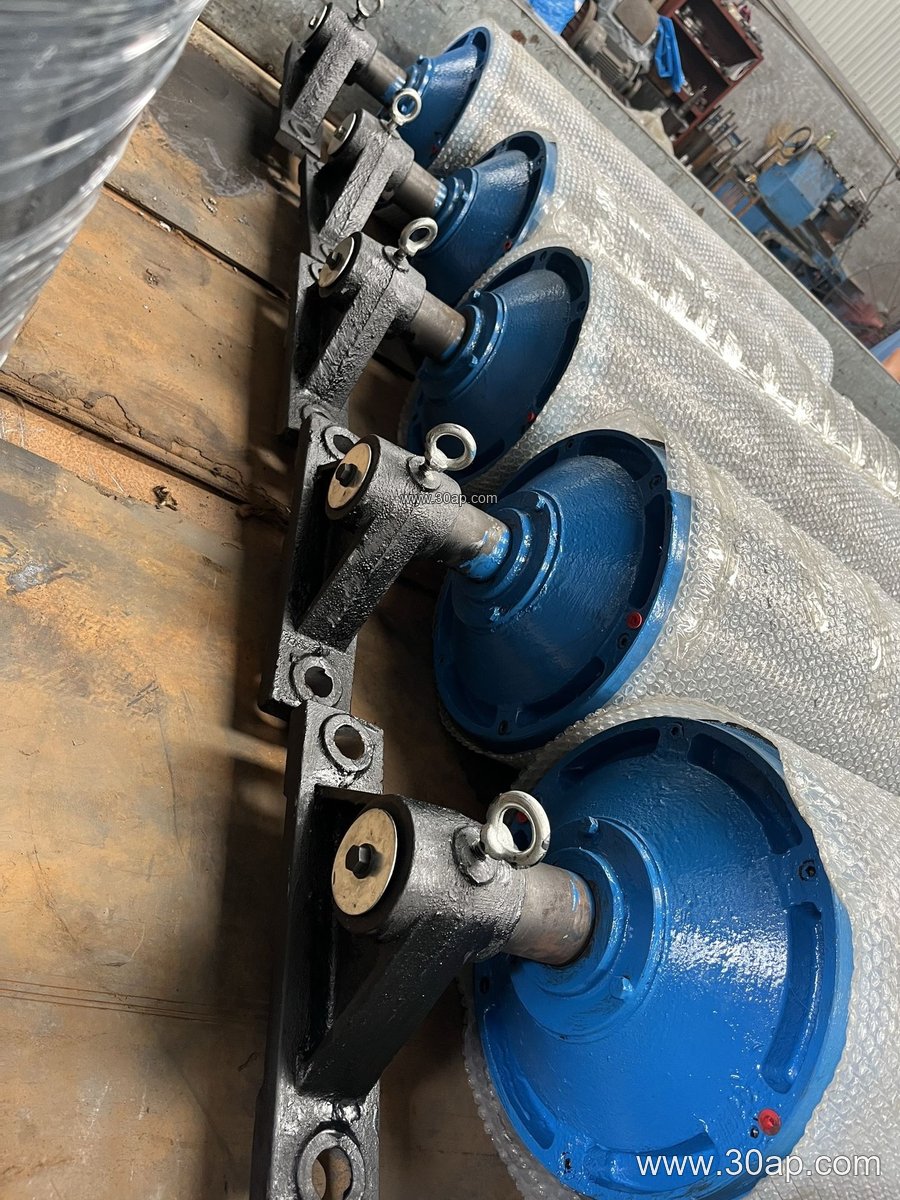
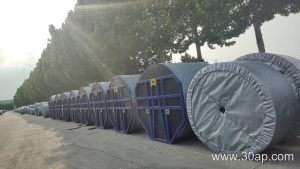
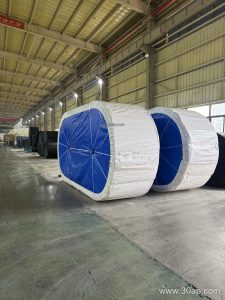
The choice of belt interacts with the pulley. A heavy-duty mining conveyor belt with a thick cover needs a larger diameter to limit bending stress, while a multi-ply fabric core conveyor belt may run on a smaller tail pulley. Where the belt carries hot sinter or cement clinker, a heat resistant conveyor belt is used, and the tail lagging should be selected to tolerate that temperature. In food or fertilizer handling, an oil resistant conveyor belt or a food grade conveyor belt may call for a clean, non-marking lagging surface.
Buyer Checklist Before Ordering
- Confirm belt width, pulley face width, and required diameter from the conveyor drawing, not from a generic chart.
- State the lagging type and thickness, for example 12 mm diamond rubber or plain finish.
- Provide shaft diameter, bearing type, and whether a take-up frame or conveyor bracket is included.
- Describe the material and environment: abrasive ore, wet coal, hot clinker, or oily grain.
- Ask how the assembly is balanced and whether the lagging is vulcanized or cold-bonded.
Regular inspection of lagging wear, bearing temperature, and belt tracking keeps the tail assembly working with the troughing idlers and frame instead of fighting them. For buyers sourcing through a supplier such as cnpulley.com, matching the tail pulley assembly to the actual belt tension and loading conditions is the surest way to avoid premature belt edge damage and unplanned downtime.