What an EP Rubber Conveyor Belt Is
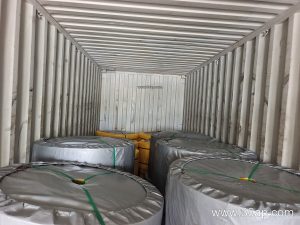
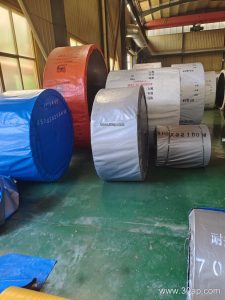
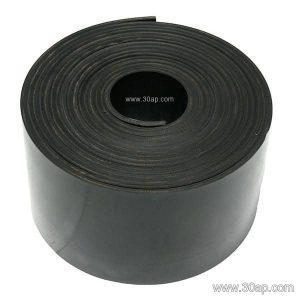
An EP Rubber Conveyor Belt is a fabric-core belt built around polyester warp and nylon weft plies, wrapped in rubber covers. In the field you may hear it called an EP fabric core conveyor belt, or simply an EP conveyor belt, and both names refer to the same product. It sits between cotton or nylon fabric belts and steel cord designs in the load-carrying range, which makes it a practical middle ground for stone crushing plants, cement works, and ore handling lines.
The polyester warp gives the belt low stretch and good tracking stability, while the nylon weft absorbs impact and helps the carcass flex around pulleys. That combination suits moderately long conveyors that still need to survive ragged feed from a crusher.
Construction and Cover Grades
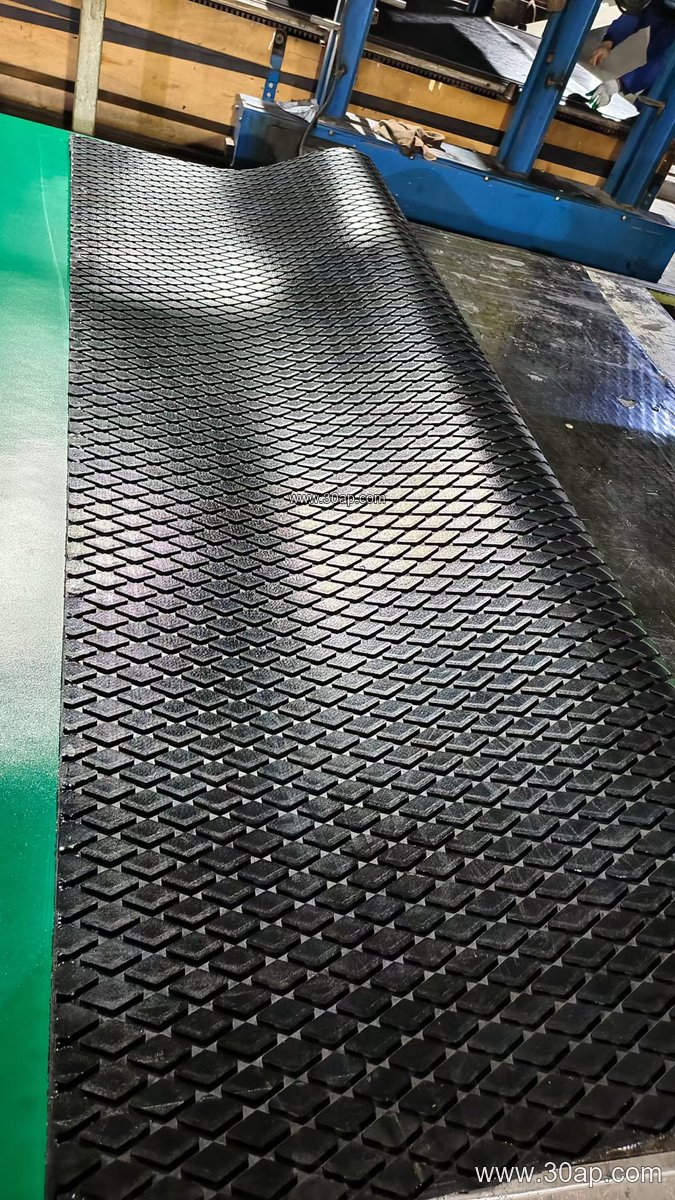
A typical build starts with two to six fabric plies, bonded with a rubber skim between layers, then topped and bottomed with cover rubber. Cover thickness is usually stated as top plus bottom, for example 4+2 mm or 6+2 mm, and the right value depends on lump size, drop height, and abrasion severity.
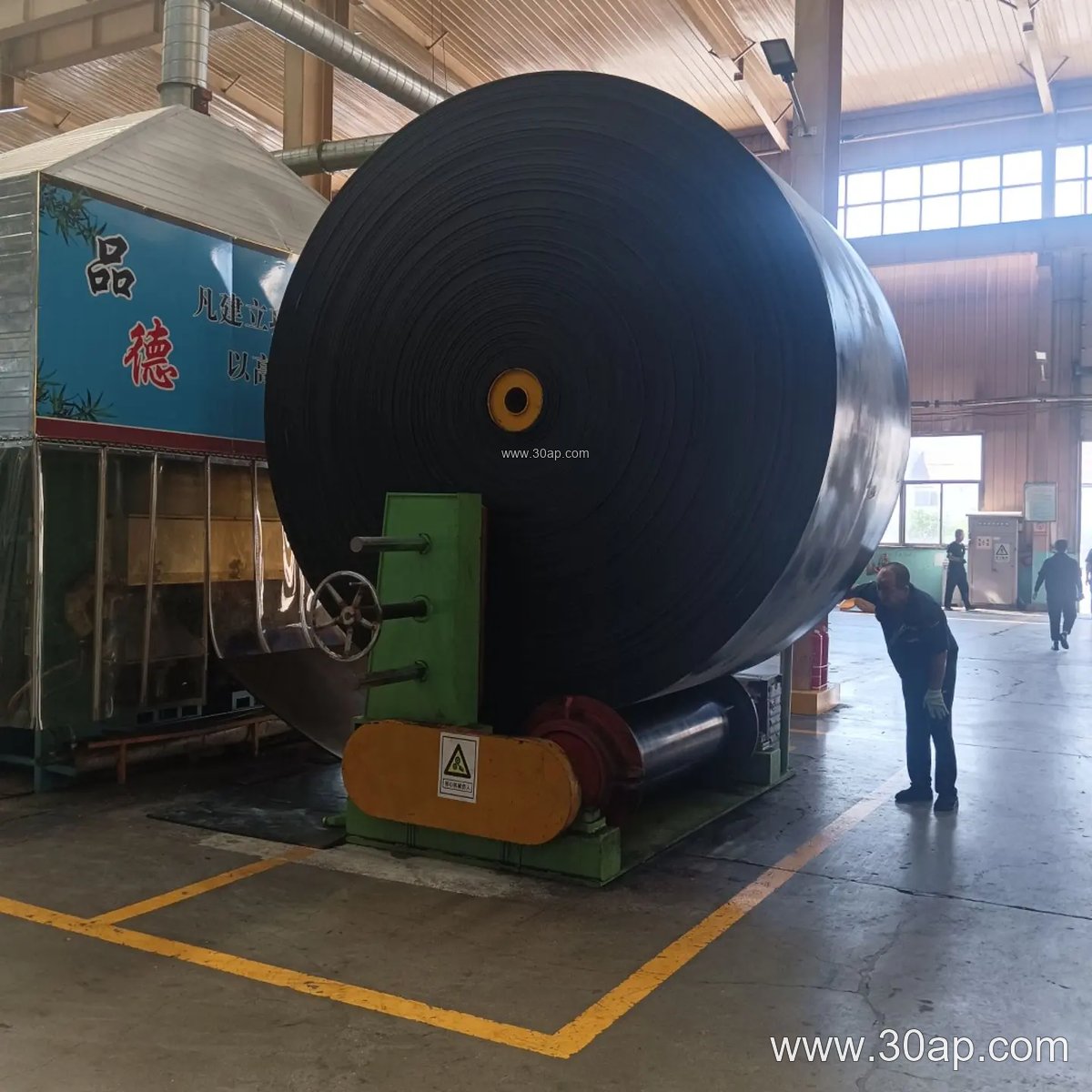
- Standard build: EP fabric plies with plain abrasion resistant covers for sand, gravel, and clinker.
- Heat resistant variants for cement kiln discharge and sinter lines, where surface temperature is the limiting factor.
- Flame retardant and anti-static versions for coal mining conveyor belts and underground coal mining conveyor belts.
- Oil resistant compounds for handling oily scrap, coke, or recycled material.
Cover grade selection matters as much as tensile grade. A high abrasion resistant conveyor belt with modest tensile rating will often outlast a stronger belt with a soft cover in a quarry conveyor belt duty.
Strength and Width Reference Data
Tensile grades are quoted in newtons per millimeter of belt width. The table below reflects common catalog values and is reference data, not a supply promise; confirm the final specification with the manufacturer for each project.
| Parameter | Common values |
|---|---|
| Tensile grades | EP200, EP315, EP400, EP500, EP630, EP800, EP1000, EP1250, EP1600, EP2000 |
| Belt width | B500, B650, B800, B1000, B1200, B1400, B1600, B1800, B2000 |
| Cover thickness (top + bottom) | 3+1.5, 4+2, 5+2, 6+2, 8+3 mm |
| Carcass plies | 2 to 6 layers, selected by load and pulley diameter |
Belt width and pulley diameter are matched through the conveyor design, not by a fixed rule. A 1200mm wide belt may run on very different pulley sizes depending on tension, trough angle, and belt construction, so pulley geometry should be checked against the belt supplier’s flexibility data.
Where It Fits in the Plant
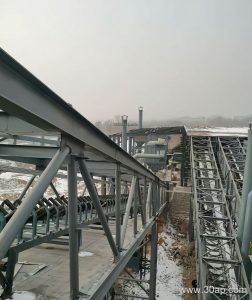
EP fabric belts appear across bulk material conveyor belt systems: primary and secondary crusher discharge, screen feed, stockyard transfer, and ship loading conveyors at ports. In a quarry conveyor belt line they carry blasted rock and aggregate; in a cement plant they move limestone, raw meal, and clinker; at a power plant they handle coal and ash. Underground coal mining conveyor belts often use flame retardant grades, while iron ore and copper ore circuits lean on heavier abrasion resistant covers.
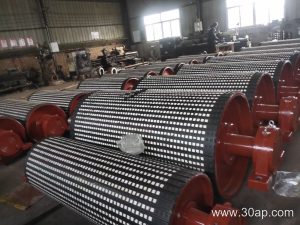
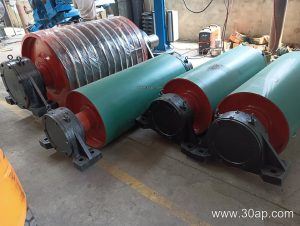
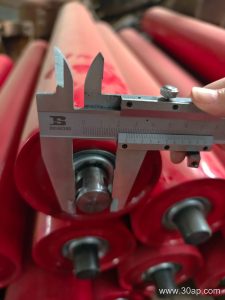
Surrounding hardware matters too. Idler roller alignment, conveyor pulley lagging, and conveyor bracket rigidity all influence belt life, and a well-supported trough section reduces edge damage on a heavy duty conveyor belt.
Buyer Checklist
- State the material, lump size, and drop height so the cover grade can be chosen.
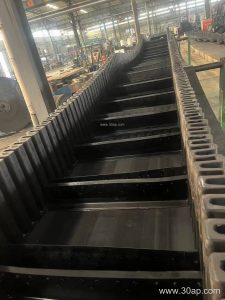
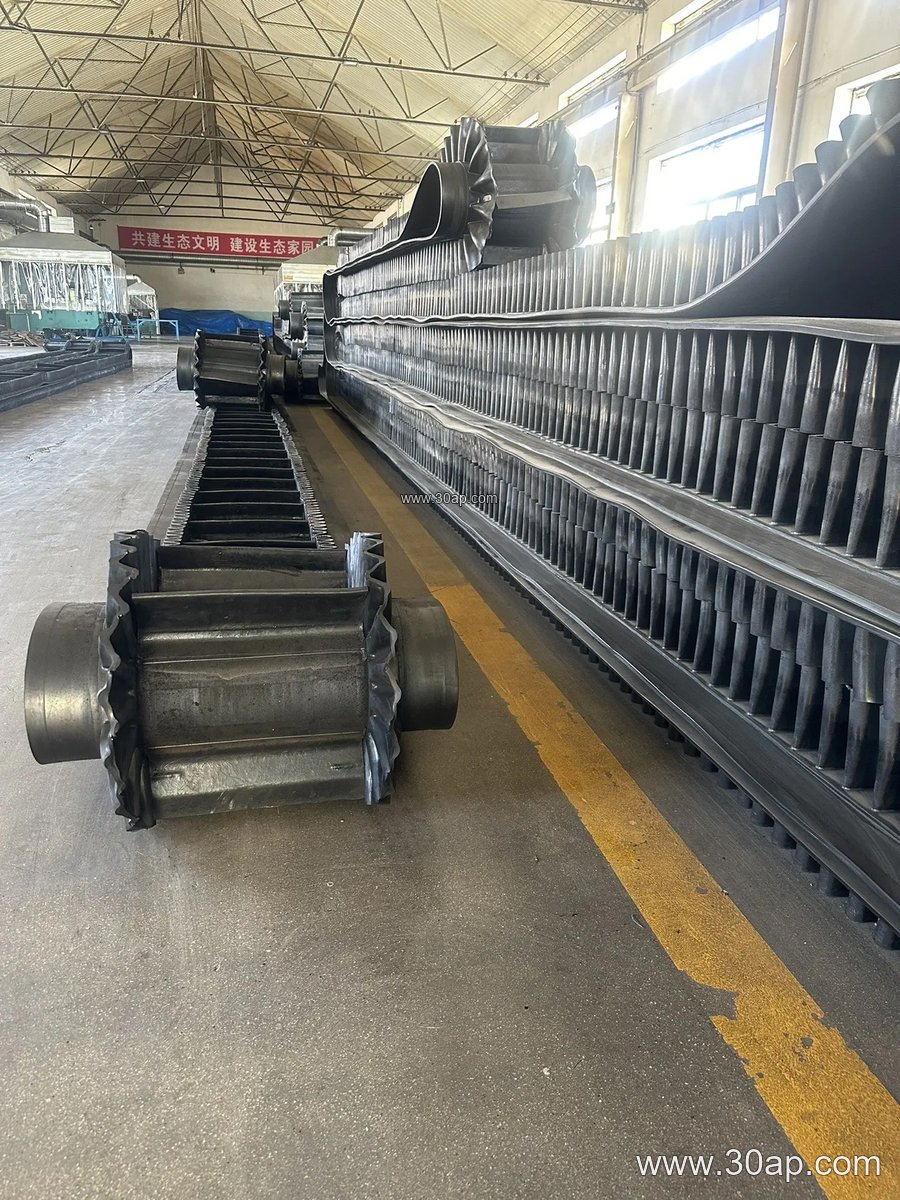
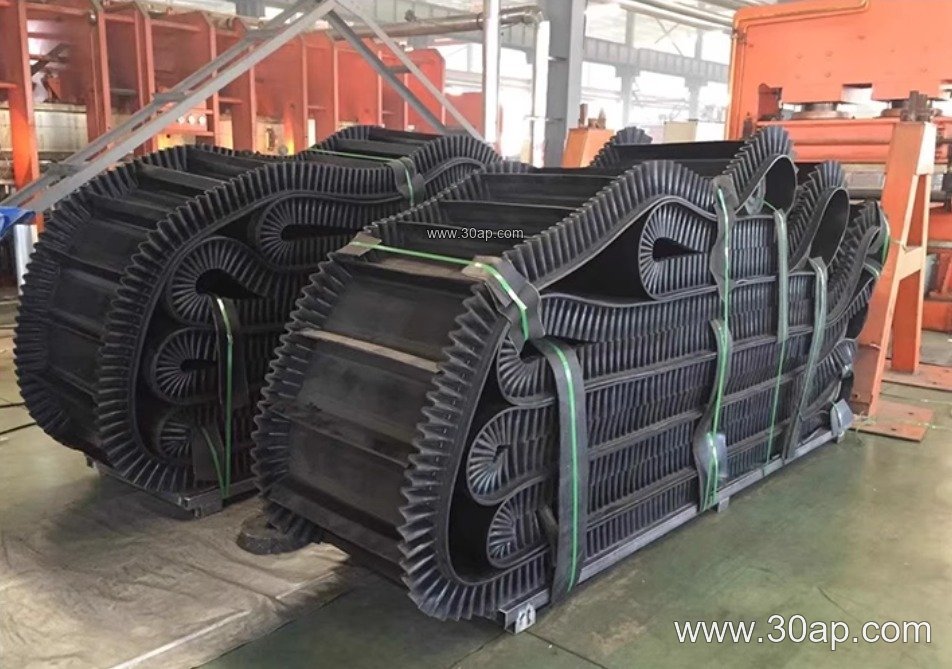
- Give center distance and incline; a chevron conveyor belt or corrugated sidewall conveyor belt may be needed if the angle is steep.
- Confirm ambient and material temperature before ordering a heat resistant conveyor belt.
- Ask about splice method, since an endless conveyor belt joint affects tension and tracking.
- Check whether the drive, tail, and bend pulleys are sized for the selected carcass flexibility.
- Keep spare idler rollers and pulley lagging on hand to avoid belt edge wear from misalignment.
For most aggregate and ore duties, an EP rubber belt with a 5+2 mm or 6+2 mm cover and EP400 to EP800 rating covers the working range; larger plants and long lifts move toward EP1000 and above. Buyers can review belt, roller, and pulley options at beltconveyorparts.com before finalizing a specification.