What a Mining Conveyor Belt Does in the Field
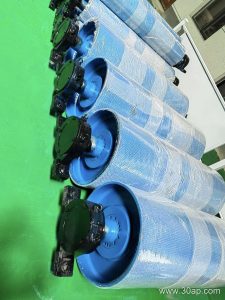
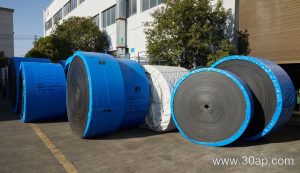
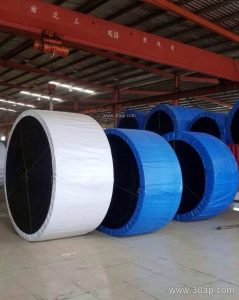
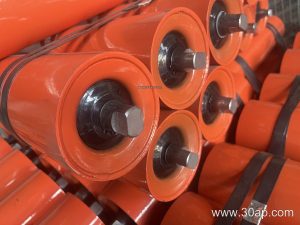
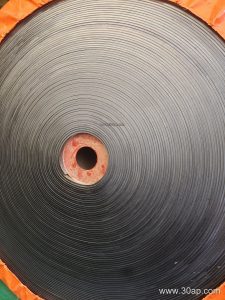
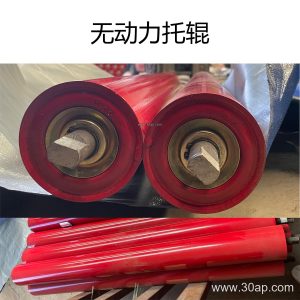
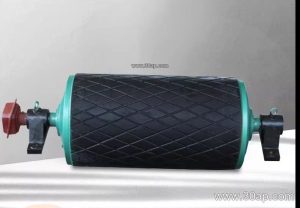
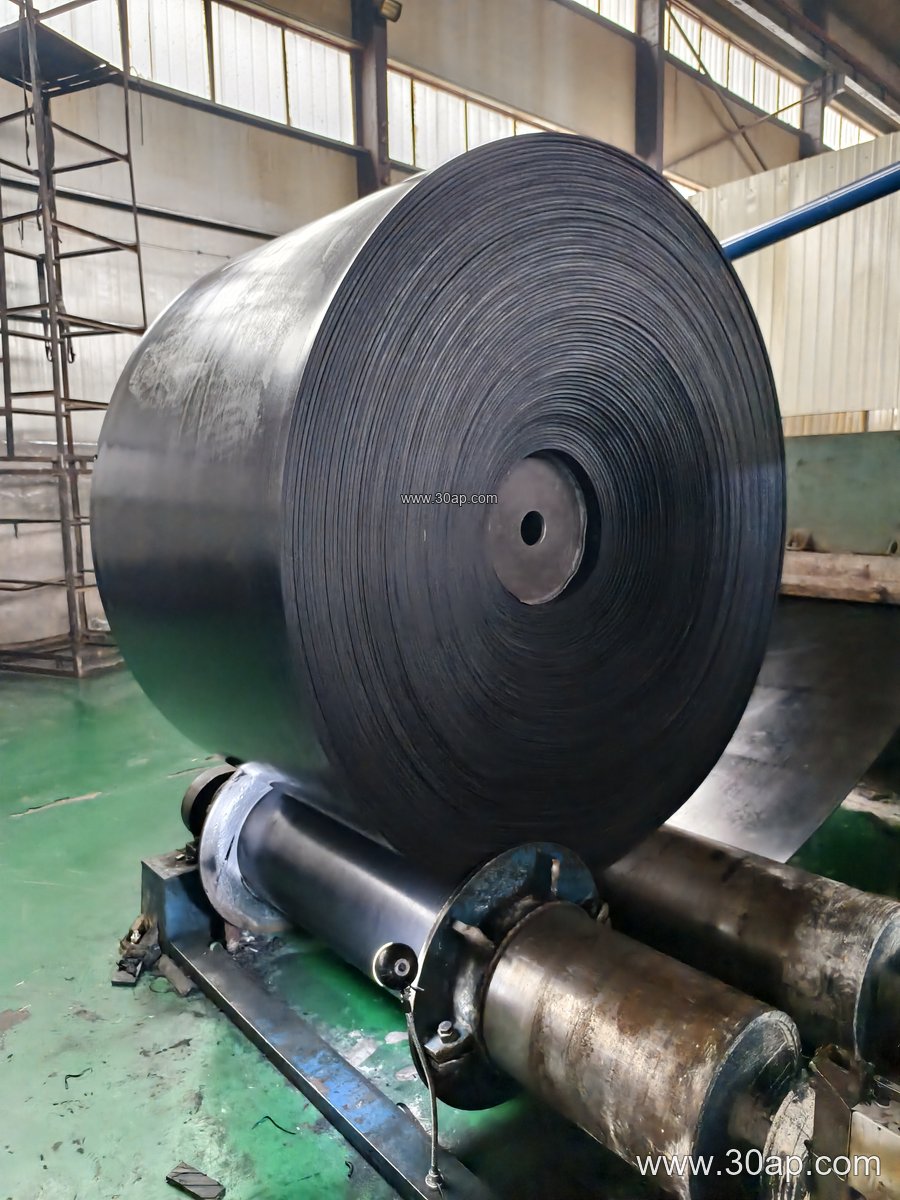
A Mining Conveyor Belt is the load-bearing loop that moves crushed rock, ore, coal, and other bulk materials between stages of a mine or processing plant. Unlike a general-purpose belt on a light assembly line, this product works under constant impact, sharp edges, dust, and often moisture. It is also a system component: the belt runs over idler rollers, wraps around a conveyor pulley at each end, and sits inside a conveyor bracket and frame structure that keeps alignment and tension stable. Choosing the right belt means matching the carcass, cover compound, and surface form to the actual duty.
Construction and Carcass Options
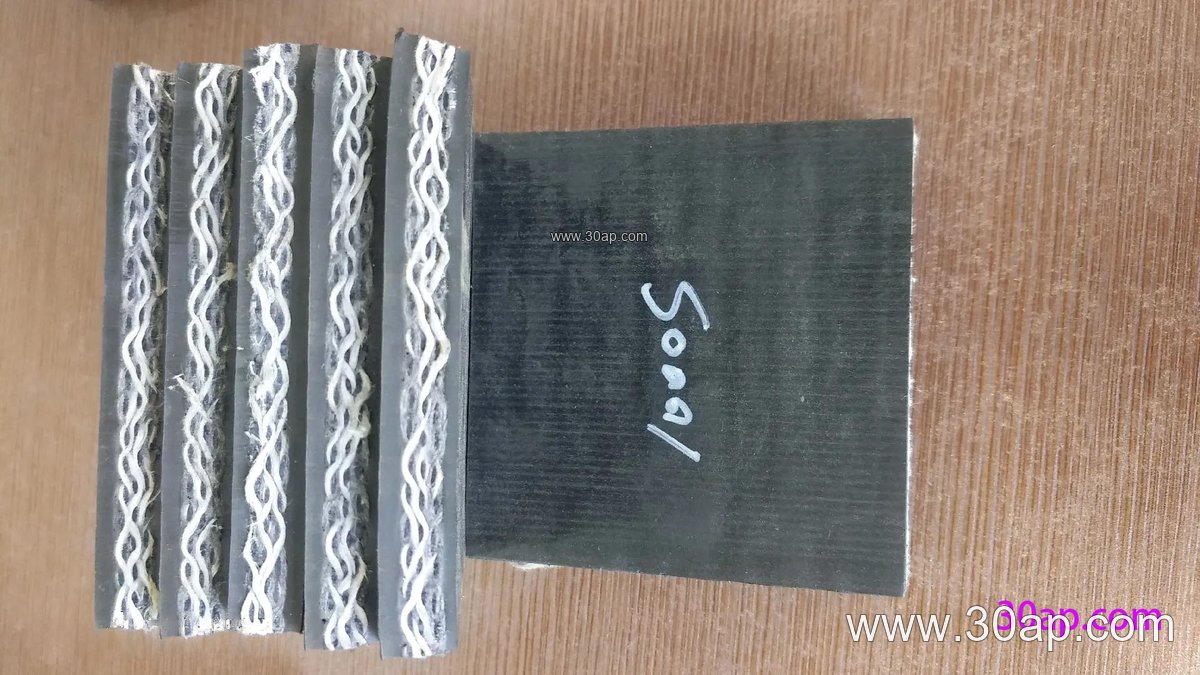
The belt is built from a tension-carrying carcass and rubber covers on both faces. The carcass choice drives strength, elongation, and splice behavior.
Fabric Carcass Belts
- EP Conveyor Belt: polyester warp and nylon weft fabric, common in medium and long overland runs.
- NN Conveyor Belt: all-nylon fabric, known for flexibility and impact absorption.
- Multi-Ply Fabric Core Conveyor Belt: several fabric plies bonded together, often used where a balance of strength and troughing is needed.
Steel Cord and Solid-Woven Belts
- Steel Cord Conveyor Belt: steel cables embedded in rubber for very high tension and long center distances.
- PVC Conveyor Belt and PVG Conveyor Belt: solid-woven carcass with PVC or PVC/nitrile covers, frequently seen in underground coal service.
Cover Compounds and Surface Forms
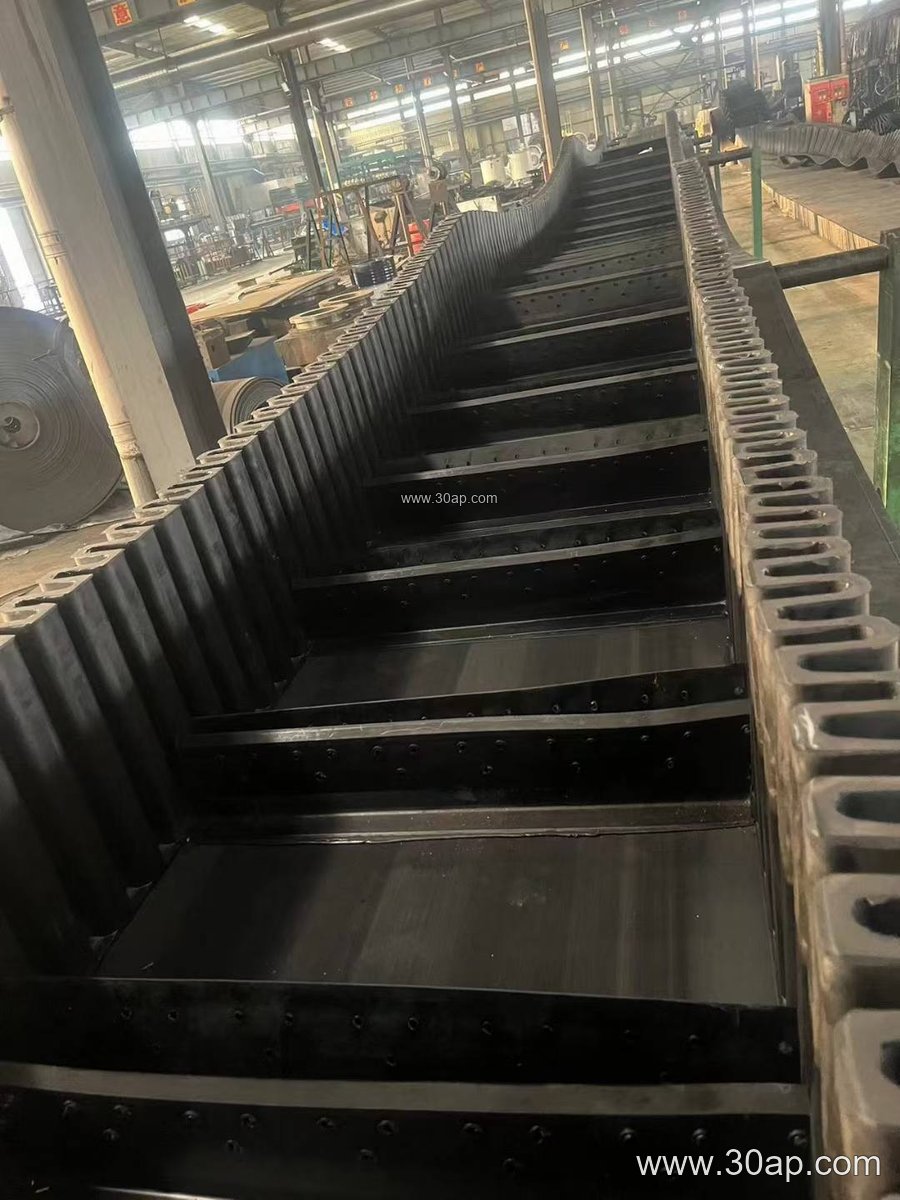
Cover rubber is selected for the environment. Common options include Abrasion Resistant Conveyor Belt for sharp aggregate, Heat Resistant Conveyor Belt near sinter or clinker, Oil Resistant Conveyor Belt for oily feedstock, Flame Retardant Conveyor Belt and Fire Resistant Conveyor Belt for coal and enclosed galleries, Cold Resistant Conveyor Belt for winter sites, and Anti-Static Conveyor Belt where static buildup is a concern. Surface forms include Chevron Conveyor Belt for inclined haulage, Corrugated Sidewall Conveyor Belt and Skirted Conveyor Belt for steep or contained paths, and Pipe Conveyor Belt for dust control on curved routes.
Typical Duty Points Across Industries
In a coal mine, a Coal Mining Conveyor Belt or Underground Coal Mining Conveyor Belt often needs flame resistance and anti-static properties. In a quarry or sand making plant, a Quarry Conveyor Belt or Crusher Conveyor Belt usually prioritizes abrasion resistance and impact strength. Cement plants, steel plants, power plants, and port ship loading facilities each present their own mix of heat, oil, dust, and incline. A Heavy-Duty Mining Conveyor Belt is the usual answer where lump size and tonnage are high, while an Underground Mining Conveyor Belt must also consider limited space and ventilation.
Common Reference Sizes
Values below are reference ranges only; final dimensions follow the conveyor design and supplier confirmation.
| Parameter | Common Reference |
|---|---|
| Belt width | B500, B650, B800, B1000, B1200, B1400, B1600, B1800, B2000 |
| EP strength grades | EP200, EP315, EP400, EP500, EP630, EP800, EP1000, EP1250, EP1600, EP2000 |
| Cover thickness (top + bottom) | 3+1.5, 4+2, 5+2, 6+2, 8+3 mm |
| Fabric plies | 2 to 6 layers, typical |
| Steel cord grades | ST1000 up to ST3150, by design |
Belt width and pulley diameter are separate design decisions; a given width does not lock in one pulley size, and shaft diameter should come from the conveyor engineer, not from the belt width alone.
Buyer Checklist Before Ordering
- Describe the material: lump size, moisture, temperature, oil content, and abrasiveness.
- State the conveyor layout: incline angle, trough angle, center distance, and whether the route curves.
- Confirm the fire and static requirements for the site, especially in coal or enclosed galleries.
- Specify the splice method, since fabric and steel cord belts need different preparation.
- Check that idler roller spacing, conveyor pulley condition, and conveyor bracket alignment suit the new belt.
- Ask for cover grade and carcass data in writing, and keep spare belt and splice materials on site.
For more details on belt, idler roller, and pulley matching, visit chinabeltconveyor.com and review the Mining Conveyor Belt range before finalizing the specification.
Installation and Maintenance Notes
Track alignment during installation, keep the belt centered on the tail pulley, and avoid over-tensioning. Inspect covers for cuts and edge wear, check splice integrity on a schedule, and clean buildup from return rollers and pulleys. A belt that is correctly matched to its duty, with abrasion resistant or heat resistant covers as needed, will usually outlast one chosen only by width and price.