What a Ship Loading Conveyor Belt Does
A ship loading conveyor belt is the heavy-duty belt used on the loading arm or boom conveyor that carries bulk cargo from the terminal stockyard, silo, or truck receiving hopper to the ship’s hold. It runs along a structure that may luff, slew, and telescope, so the belt must handle long center distances, tight transition zones, and constant changes in discharge position. In bulk ports, this belt is the last link before the cargo drops into the hatch, which makes its reliability and tracking behavior critical to the whole loading cycle.
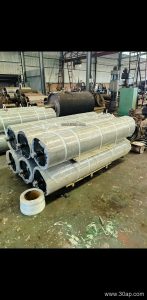
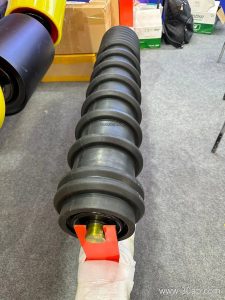
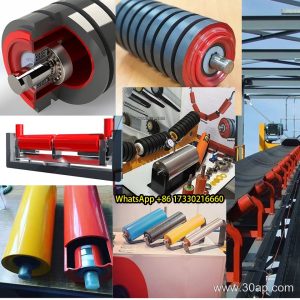
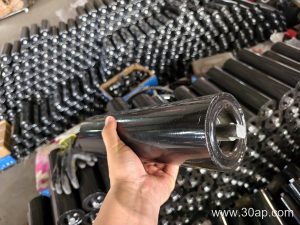
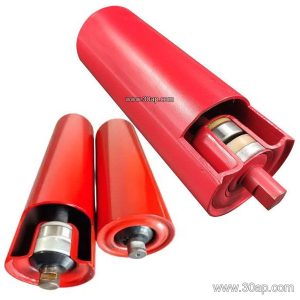
Although the belt itself is the core component, it works with conveyor pulleys, idler rollers, and conveyor brackets that support and guide the belt along the boom. Drive, tail, and bend pulleys each have a distinct role and are not interchangeable in layout or specification.
Construction and Common Belt Types
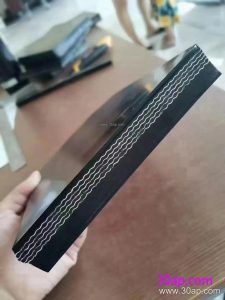
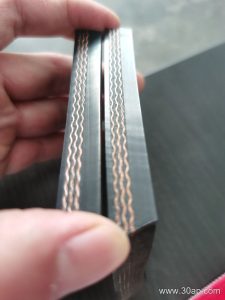
Ship loading belts are usually built with a fabric core or a steel cord carcass. The choice depends on the loading boom length, the required tension, and the material being handled.
- EP conveyor belt with polyester-nylon fabric plies for general bulk cargo.
- NN conveyor belt with nylon-nylon plies where higher flexibility is useful.
- Steel cord conveyor belt for long booms and high tension, such as ST1250 or ST1600 grades.
- Multi-ply fabric core conveyor belt with 2 to 6 plies for moderate tension.
- Flame retardant conveyor belt and fire resistant conveyor belt for coal and other combustible cargo.
- Abrasion resistant conveyor belt for sinter, ore, and sharp aggregates.
Cover compounds are selected for the cargo. Heat resistant conveyor belt grades suit clinker and hot sinter, while oil resistant belt compounds suit certain grain and chemical cargoes. A chevron conveyor belt or a corrugated sidewall belt is used where the incline is steep or spillage must be contained, but these are separate designs and are not the standard flat belt used on a typical ship loader boom.
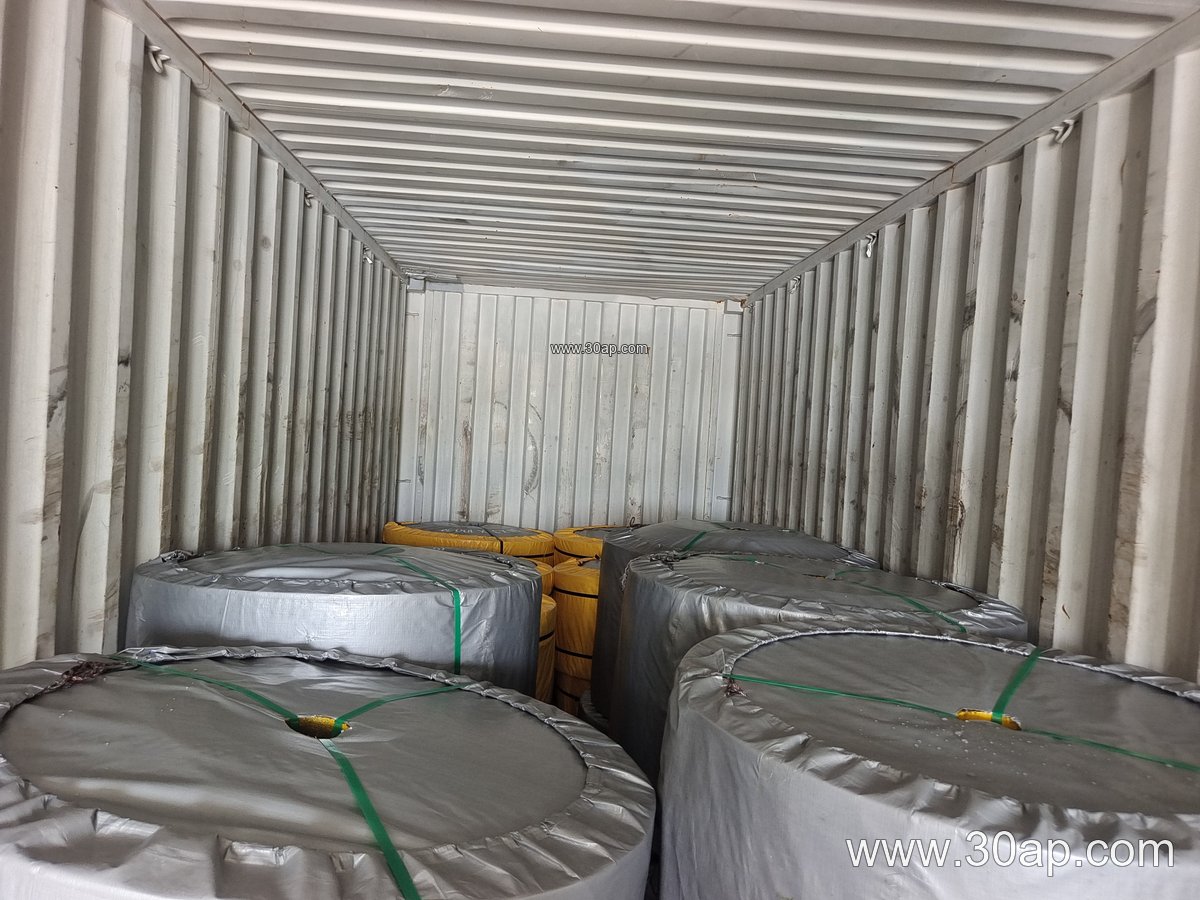
Common belt widths for port loaders include 1000mm, 1200mm, 1400mm, 1600mm, and 1800mm. Wider booms may use 2000mm or 2200mm belt. Cover thickness is often specified as 5+2 mm, 6+2 mm, or 8+3 mm, while the carcass and belt thickness are confirmed by the conveyor designer. A 1200mm wide conveyor belt with EP1000 or EP1250 tension rating is a frequent reference point, but final selection depends on the calculated working tension, not on width alone.
Where It Is Used
Ship loading belts appear in port conveyor belt systems, bulk material conveyor belt installations, power plant conveyor belt lines, cement plant conveyor belt plants, and steel plant conveyor belt yards. They also serve quarry conveyor belt and aggregate conveyor belt operations that load ships directly from a jetty. In mining regions, a mining conveyor belt may feed a port stockpile and then a ship loader, and an underground mining conveyor belt or coal mining conveyor belt can deliver coal to the surface transfer point before shipping.
Other industries that use similar heavy-duty belts include fertilizer and grain terminals, though the compound and belt construction must match the cargo. For abrasive ore, an abrasion resistant conveyor belt or high abrasion resistant conveyor belt is common; for cold climates, a cold resistant conveyor belt may be specified.
Selection and Maintenance Notes
Buyers should confirm the design tension, the boom geometry, the pulley diameters, and the material characteristics before choosing a belt. Pulley diameter is set by the belt carcass and the conveyor designer, and a given belt width does not fix a single pulley size. Likewise, shaft diameter is not derived from belt width alone.
| Item | Typical reference | Remark |
|---|---|---|
| Belt width | B1000, B1200, B1400, B1600, B1800, B2000 | Confirm with boom design |
| Fabric grade | EP200, EP315, EP400, EP500, EP630, EP800, EP1000 | Based on working tension |
| Steel cord grade | ST1000, ST1250, ST1600, ST2000 | Long booms and high tension |
| Cover thickness | 4+2, 5+2, 6+2, 8+3 mm | Match cargo abrasion and heat |
| Ply count | 2 to 6 plies | Fabric core belts |
During operation, check belt tracking at the drive and bend pulleys, inspect idler rollers for seized bearings, and verify that skirt rubber and chute liners do not rub the belt. A well-aligned ship loading conveyor belt reduces edge damage and extends splice life. Spare belt sections, splice materials, and a matching pulley lagging plan should be part of the maintenance strategy. For coal and combustible dust, a flame retardant and anti-static belt grade helps meet site safety requirements.
Finally, confirm the belt’s exact grade, cover thickness, and splice method with the conveyor designer before ordering, since the ship loader’s duty cycle and cargo mix determine the right specification.