What a 1200mm Conveyor Belt Is
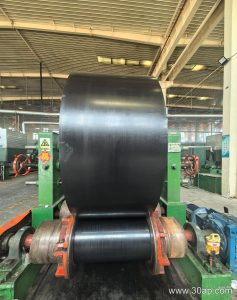
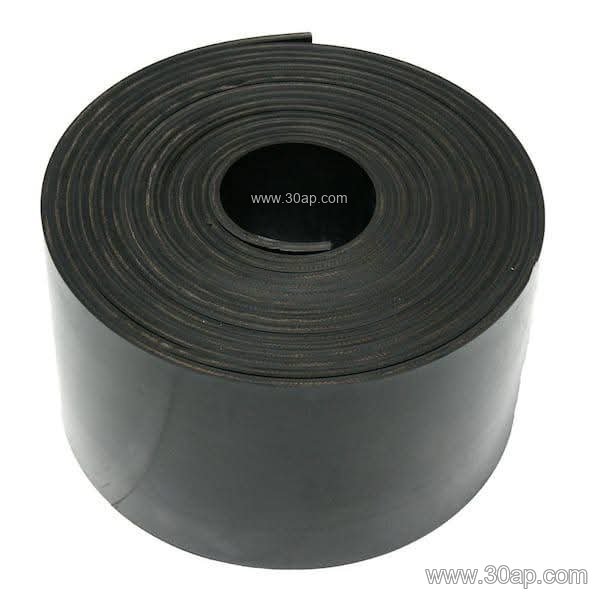
A 1200mm conveyor belt is a wide belt with a nominal width of 1200 millimeters, typically used in bulk material handling systems where high capacity and stability are required. This width is common in mining, coal preparation, cement plants, power stations, and large quarry operations. The belt itself is the load-carrying component of a conveyor, running over idler rollers and driven by a head pulley, with a tail pulley for tension and bend pulleys for routing. A 1200mm wide conveyor belt is often chosen when lump size, throughput, or belt tracking demands more surface area than narrower belts can provide.
Construction and Common Specifications
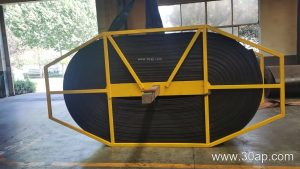
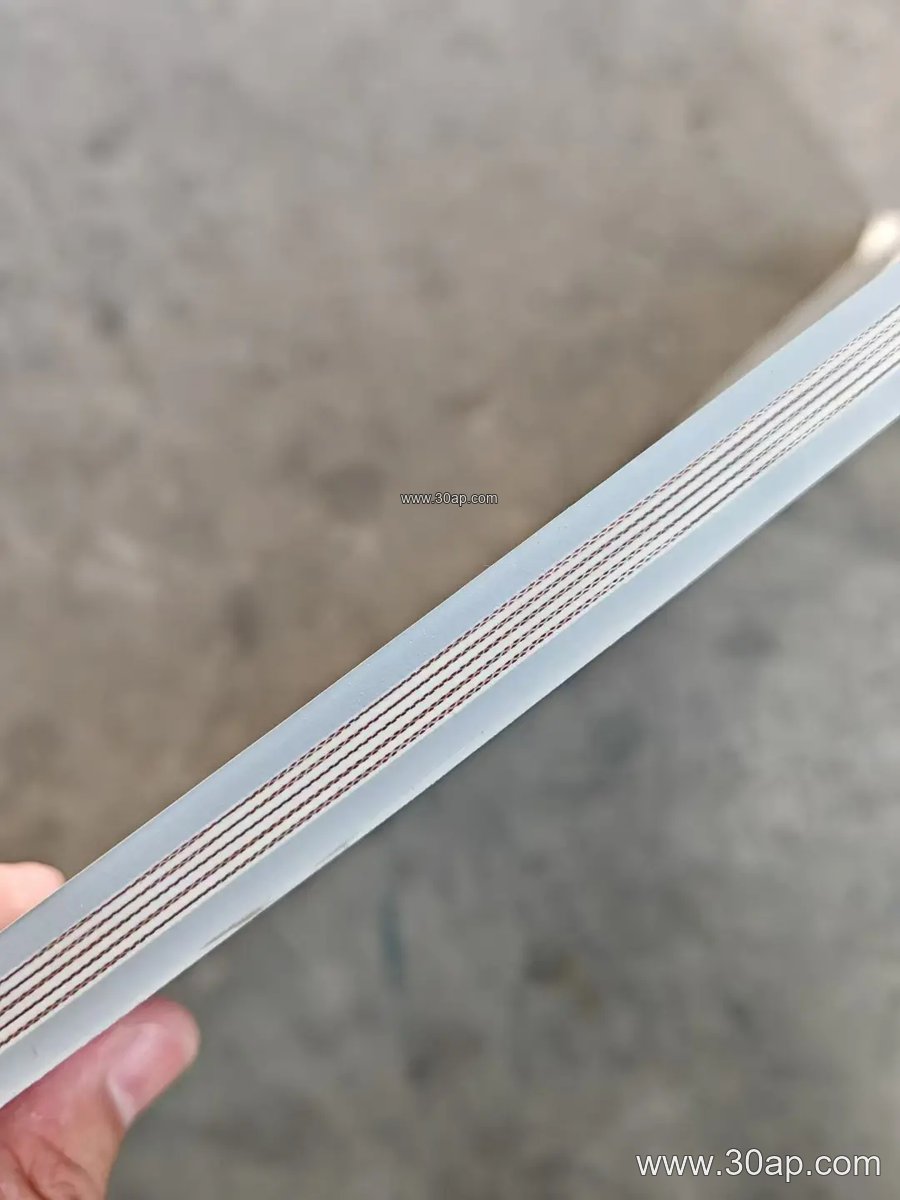
The construction of a 1200mm conveyor belt depends on the duty. Fabric-core belts use multiple plies of EP (polyester-cotton) or NN (nylon-nylon) fabric, while steel cord belts use brass-plated steel wires for high tension applications. Cover rubber grades are selected for abrasion, heat, oil, flame resistance, or cold conditions. Common strength classes for EP belts include EP200, EP400, EP630, EP800, EP1000, and EP1250, though actual selection follows the conveyor design. Belt thickness is often expressed as cover gauge plus carcass, for example 6+2 mm or 8+3 mm. A 1200mm conveyor belt may be supplied as an endless belt for permanent installations or as open length for mechanical splicing.
| Parameter | Typical range (reference only) |
|---|---|
| Belt width | 1200 mm (B1200) |
| Fabric core types | EP or NN, 2 to 6 plies |
| Strength classes (EP) | EP200 to EP1250 |
| Cover thickness | 4+2 mm, 5+2 mm, 6+2 mm, 8+3 mm |
| Steel cord classes | ST1000 to ST3150 (for high-tension duties) |
Specialty versions include chevron conveyor belt for inclined haulage, corrugated sidewall belt for steep angles, pipe conveyor belt for enclosed transport, and heat resistant or flame retardant conveyor belt for hot or hazardous materials. These variants are available in 1200mm width when the conveyor structure is designed accordingly.
Where It Is Used
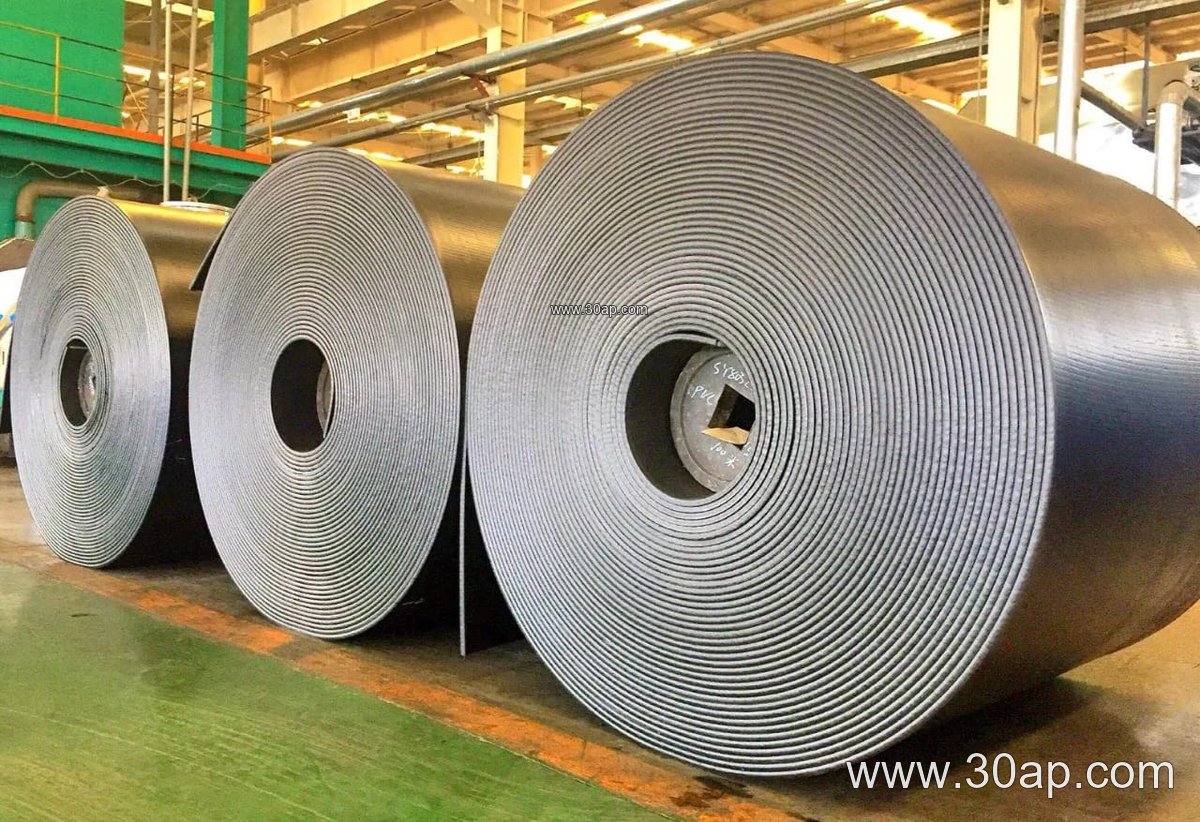
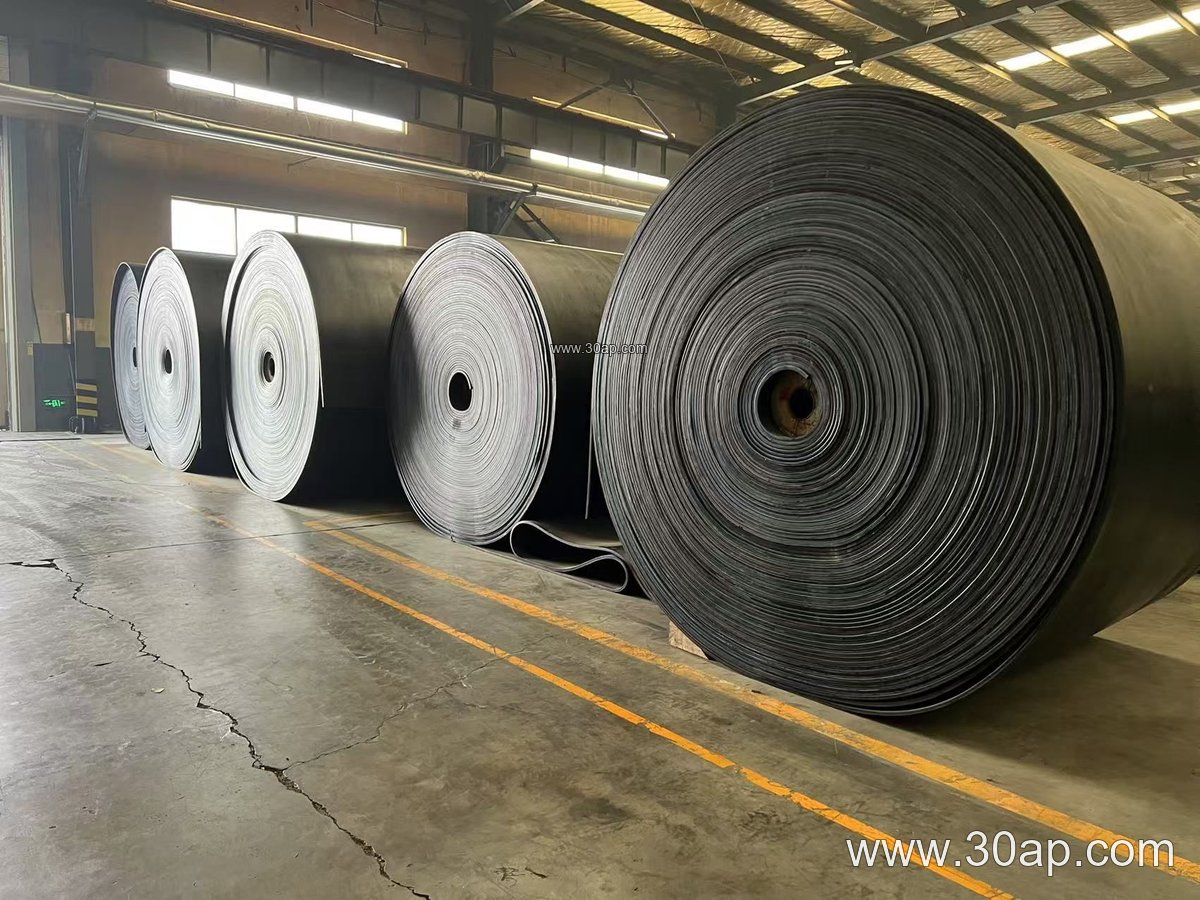
In mining and coal mining, a 1200mm conveyor belt often serves as a main haulage belt, carrying run-of-mine ore or coal from crusher to stockpile. Underground coal mining conveyors may require flame retardant and anti-static properties, sometimes with PVG covers. Cement plants use 1200mm belts for clinker, limestone, and additive transport, where abrasion resistant conveyor belt compounds help extend service life. Power plants rely on wide belts for coal feeding, while quarries and aggregate operations use them for crushed stone and sand. Ports and ship loading facilities also employ 1200mm wide conveyor belt systems for high-throughput bulk material handling.
Selection and Compatibility Notes
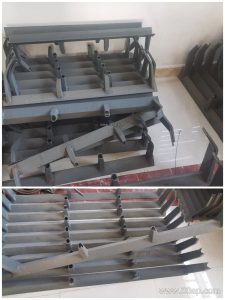
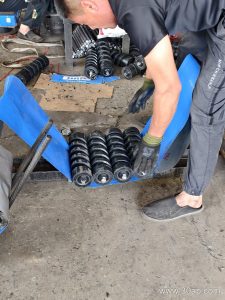
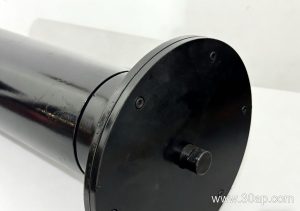
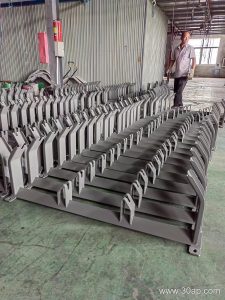
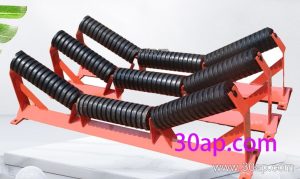
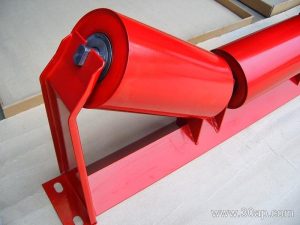
Choosing a 1200mm conveyor belt involves more than width. The belt must match the conveyor’s calculated tension, load support, and environmental conditions. A 1200mm belt does not dictate a specific pulley diameter or shaft size; those are determined by the conveyor designer based on belt strength, wrap angle, and required torque. Drive pulley, tail pulley, and bend pulley each have separate roles and should not be treated as interchangeable. Idler roller spacing and trough angle affect belt sag and tracking, and conveyor brackets must suit the selected idler frames. For abrasive ore or rock, a high abrasion resistant conveyor belt with thicker covers may be justified, while hot clinker favors heat resistant conveyor belt grades.
Maintenance and Buyer Checklist
Buyers should confirm the belt’s full specification: carcass type, number of plies, strength class, cover thickness and grade, and splice method. Ask for the belt’s recommended minimum pulley diameter and operating tension range, as these influence belt life. Check that the belt width suits the existing conveyor frame, idler rollers, and pulley face width. During operation, monitor belt tracking, cover wear, and splice integrity. Keeping idler rollers turning freely and pulleys aligned helps prevent edge damage on a 1200mm conveyor belt. For replacement, verify that the new belt’s strength and cover grade match or exceed the original design requirements, and confirm whether an endless belt or open-end belt is needed for the installation.