What the Sand Making Plant Conveyor Belt Does
A Sand Making Plant Conveyor Belt moves crushed stone, manufactured sand, and screened aggregate between the jaw crusher, cone or impact crusher, VSI sand maker, vibrating screen, and stockpile. The belt is the continuous link in a circuit where material is sharp, abrasive, and often wet. It must resist cutting and gouging from freshly broken rock while keeping tension stable over long centres and multiple transfer points.
Because the duty is severe, most plants specify an abrasion resistant conveyor belt as the baseline. The compound is chosen for high abrasion resistance, and the carcass is selected for the load and the pulley centres. A quarry conveyor belt and an aggregate conveyor belt share much of this duty, so buyers often compare the same constructions across sand and stone lines.
Construction and Belt Types Used in Sand Plants
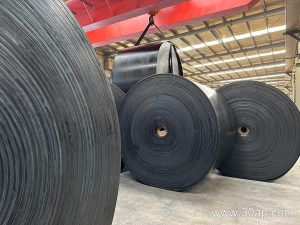
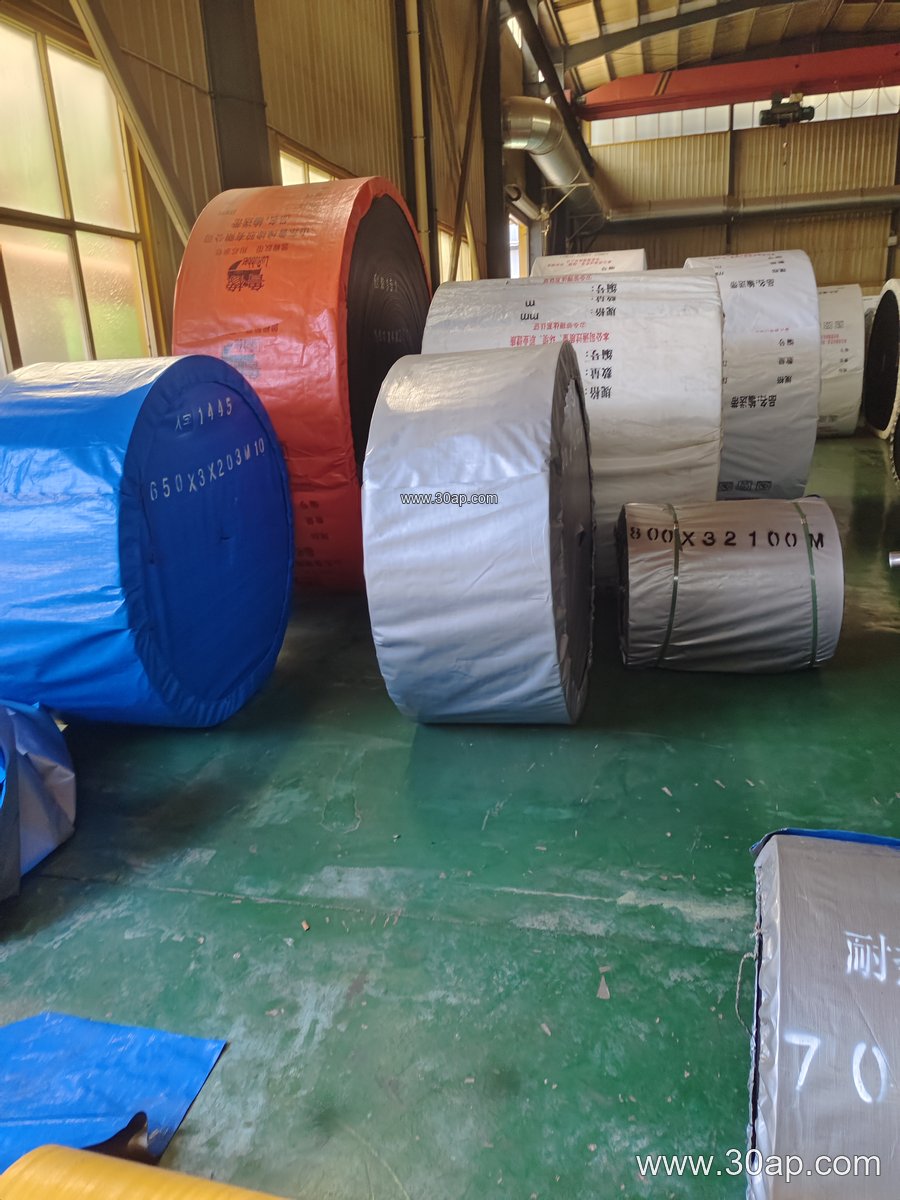
The belt body normally combines a fabric or steel carcass with top and bottom rubber covers. Fabric carcasses are built from EP or NN plies; steel cord is used where tension and distance are large. Cover thickness and compound grade are selected from the material size, drop height, and moisture.
- EP Conveyor Belt with polyester-nylon plies, common where moderate tension and good troughability are needed.
- NN Conveyor Belt with nylon-nylon plies, often chosen for impact absorption at transfer points.
- Steel Cord Conveyor Belt for high-strength, long-distance runs.
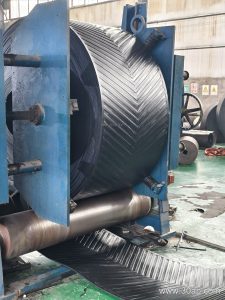
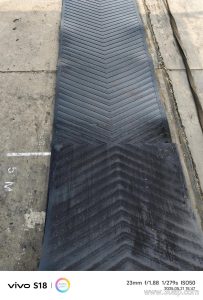
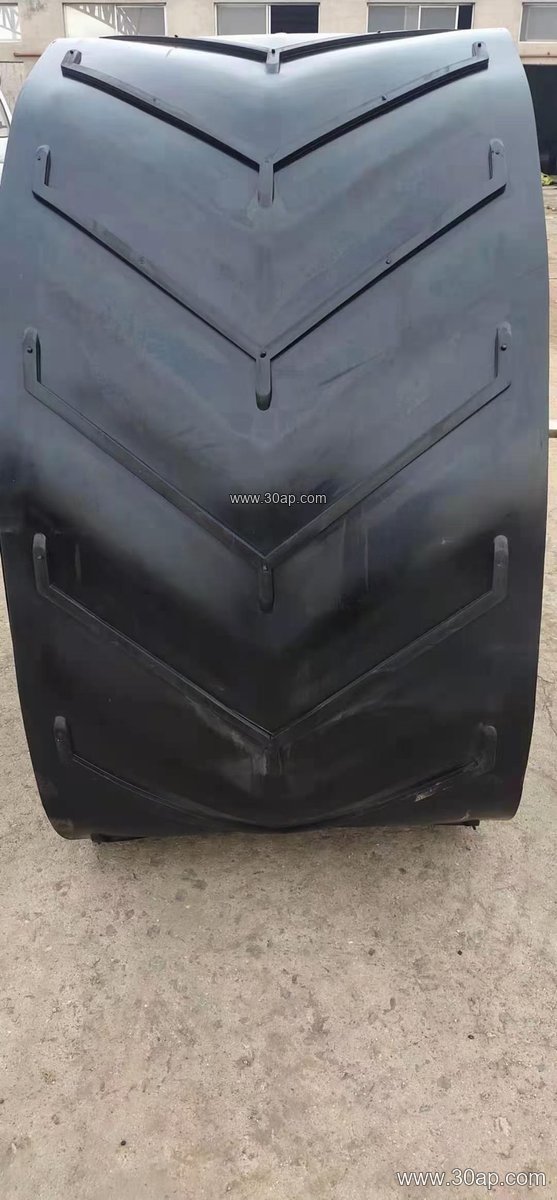
- Chevron Conveyor Belt where the incline exceeds what a smooth belt can hold.
- Corrugated Sidewall Conveyor Belt or a skirted conveyor belt for steep, confined transfers.
For dusty, potentially explosive areas such as coal handling, a flame retardant conveyor belt or anti-static conveyor belt may be required; that is a different duty from sand making and should be selected separately.
Typical Specifications
The values below are common reference ranges, not fixed supply promises. Final figures are confirmed by design.
| Parameter | Common reference values |
|---|---|
| Belt width | B500, B650, B800, B1000, B1200, B1400, B1600 |
| EP strength grades | EP200, EP315, EP400, EP500, EP630, EP800, EP1000, EP1250 |
| Cover thickness (top + bottom) | 3+1.5, 4+2, 5+2, 6+2, 8+3 mm |
| Fabric plies | 2 to 6 layers, by design |
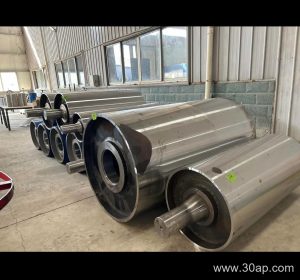
Width is matched to the tonnage and the largest lump, not to a single pulley size. A wider belt and a smaller pulley can work together if the carcass flexibility allows it, so the drive pulley, tail pulley, and bend pulley are each checked against the belt’s minimum pulley diameter rather than assumed from width alone.
Supporting Components Around the Belt
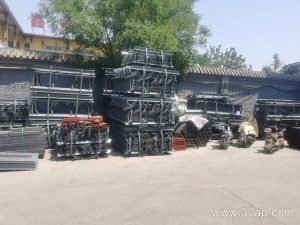
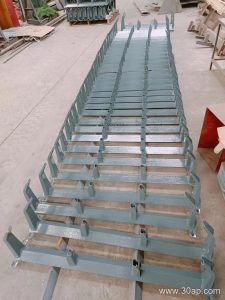
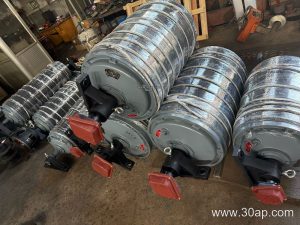
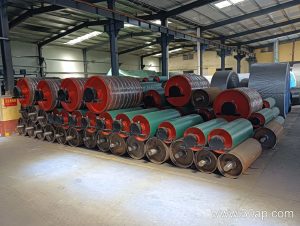
A conveyor belt works as a system. The idler roller set controls trough shape and keeps material centred; the conveyor pulley at the head drives the belt, while the tail and bend pulleys guide it. The conveyor bracket carries the idlers and frames. On a sand line, return-side idlers and skirt rubber take heavy wear, so inspection should include them, not just the belt surface.
Selection Points for Buyers
Start with the material: size, shape, moisture, temperature, and abrasiveness. Then set the required tension from the layout and throughput, and choose the carcass. Match the cover to the wear mode: impact resistant conveyor belt for large drops, heat resistant conveyor belt near dryers, oil resistant conveyor belt near lubricated drives, and cold resistant conveyor belt in winter operations.
Ask for the belt’s minimum pulley diameter, splice method, and recommended take-up travel. Confirm whether an endless conveyor belt is preferred to reduce splice failures on a critical circuit. For inclined sections, compare chevron and sidewall options before adding a transfer tower.
Installation and Maintenance Notes
- Align the frame and pulleys before tensioning; misalignment shortens belt life.
- Keep skirt rubber and chute lips from pressing on the belt.
- Check idler roller rotation and replace seized rollers early.
- Inspect splices after the first week, then on a fixed schedule.
- Store spare belt off the ground and away from heat and sunlight.
Many operators keep a spare roll of rubber conveyor belt and a set of wear parts on site, because a stopped sand circuit costs more than the belt itself. Buyers can review belt and component options at www.example.com/conveyor-belt and www.example.com/idler-roller.