Understanding Flame Retardant Conveyor Belts
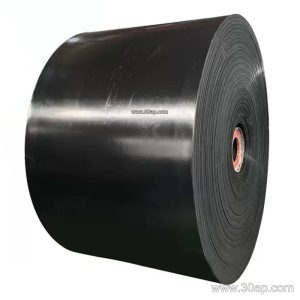
A flame retardant conveyor belt is a specialized rubber conveyor belt designed to resist ignition and slow the spread of fire. It is commonly used in industries where combustible materials or dusty environments create fire risks, such as coal mining, power plants, cement kilns, and grain handling. Unlike standard rubber belts, these belts incorporate flame retardant additives in the rubber compound, and sometimes in the fabric or steel cord carcass, to meet safety requirements. This product is also known as a fire resistant conveyor belt, and both terms refer to the same type of belt engineered for fire safety.
Construction and Materials
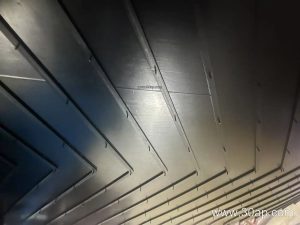
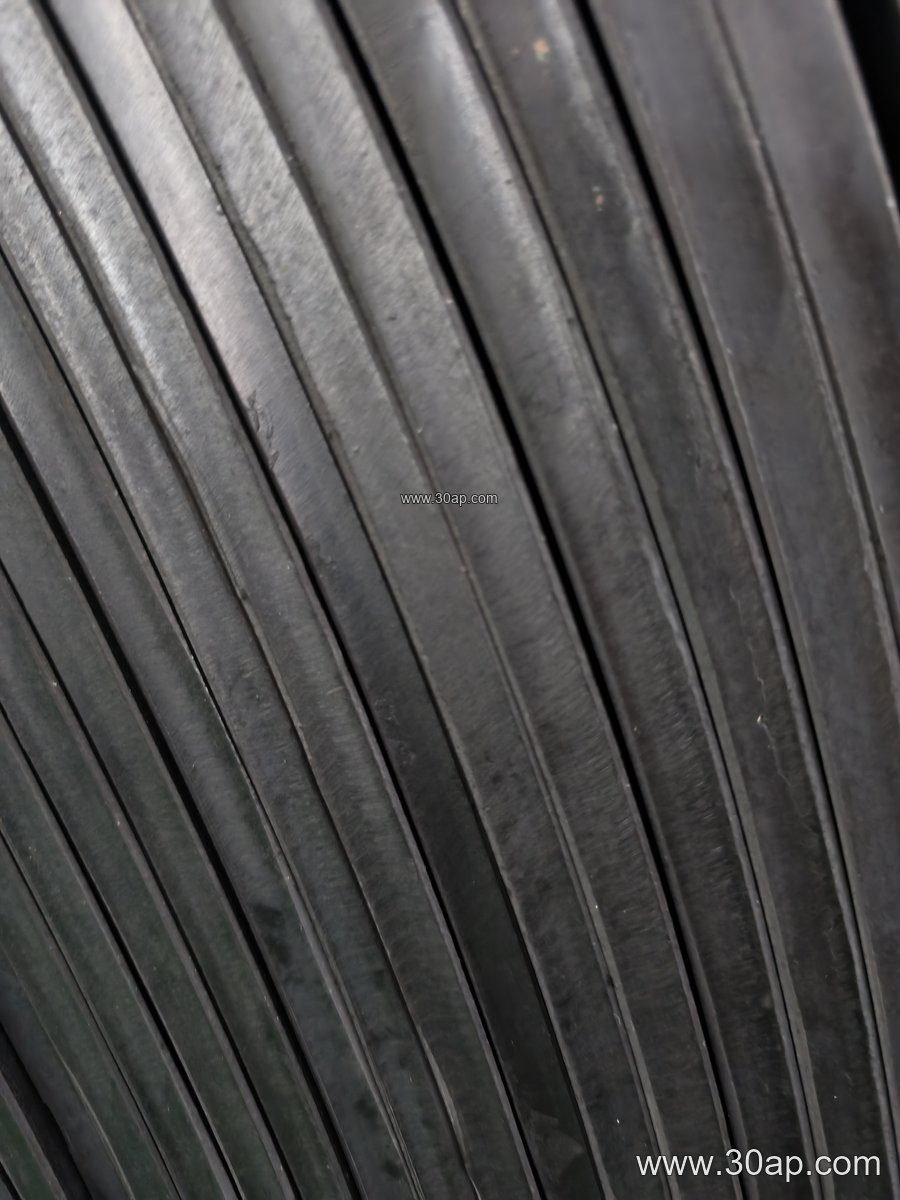
The construction of a flame retardant conveyor belt typically involves a fabric core (such as EP or NN) or a steel cord core, covered with rubber layers that contain flame retardant chemicals. The cover rubber grades often include anti-static properties to prevent sparks. Common carcass types include multi-ply fabric core, with EP conveyor belts being popular for their balance of strength and flexibility. Steel cord conveyor belts are chosen for high tension applications. The belt may also feature chevron or corrugated sidewall designs for specific handling needs, but the flame retardant property remains the key focus. Below is a reference table of common specifications for flame retardant belts (values are indicative and should be confirmed with the manufacturer):
| Property | Common Range |
|---|---|
| Belt width | B500 to B2000 mm |
| Cover thickness | 3+1.5 mm to 8+3 mm |
| Carcass type | EP, NN, steel cord |
| Number of plies | 2 to 6 (fabric core) |
| Strength grades | EP200 to EP2000, ST1000 to ST3150 |
These parameters are typical references; actual specifications depend on the application and supplier.
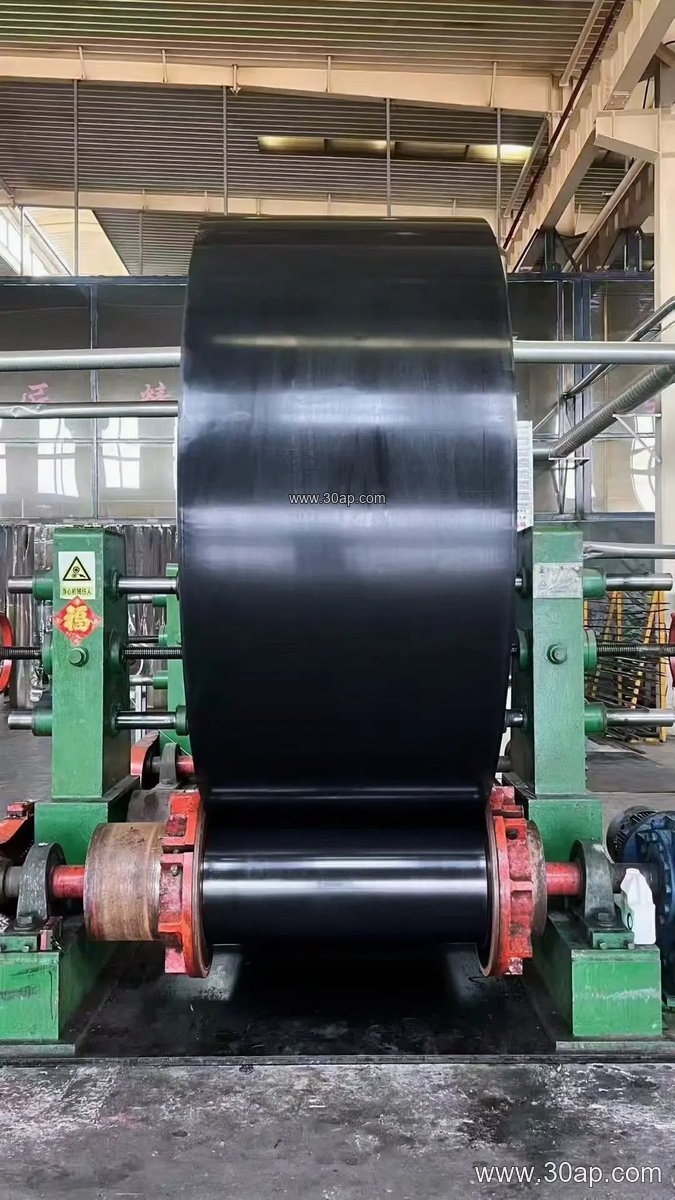
Where Flame Retardant Belts Are Used
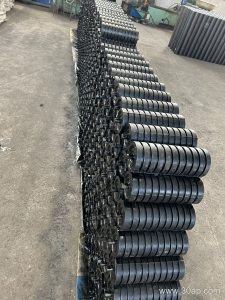
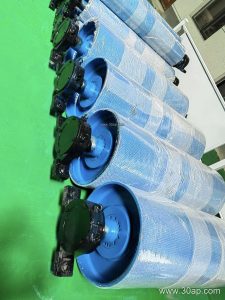
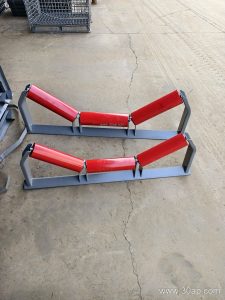
Flame retardant conveyor belts are essential in underground coal mining, where methane and coal dust pose explosion risks. They are also found in power plants handling coal, cement plants transporting raw materials and clinker, and steel mills moving coke and sinter. Other applications include port facilities, sand and gravel plants, and recycling centers where fire safety is a concern. In these environments, the belt works alongside conveyor pulleys, idler rollers, and conveyor brackets to form a complete handling system. For instance, a coal mining conveyor belt must meet strict flame resistance standards, and using a fire resistant conveyor belt is often a legal requirement.
Key Selection Factors
When choosing a flame retardant conveyor belt, consider the following:
- Application environment: Underground mining requires higher flame resistance and anti-static properties compared to surface plants.
- Material being conveyed: Abrasive materials like coal or ore may require a abrasion resistant cover in addition to flame retardancy.
- Belt strength: Calculate the maximum tension to select the appropriate carcass, such as EP1000 or ST1600.
- Belt width and speed: Match the belt width to the conveyor capacity; common widths include 800mm, 1000mm, and 1200mm.
- Compatibility with components: Ensure the belt works with existing conveyor pulleys (drive, tail, bend) and idler rollers without excessive wear.
It is important not to assume that a specific belt width corresponds to a particular pulley diameter; these are independent design parameters.
Maintenance and Safety Notes
Regular inspection of the flame retardant conveyor belt is critical to maintain its fire safety properties. Check for wear, cuts, and exposed carcass that could compromise flame resistance. Keep the belt clean and free of combustible dust. Ensure that idler rollers rotate freely and conveyor pulleys are aligned to prevent friction heating. Replace any damaged sections promptly. While flame retardant belts reduce fire risk, they do not eliminate it entirely; proper housekeeping and fire detection systems remain necessary.
Related Equipment and Considerations
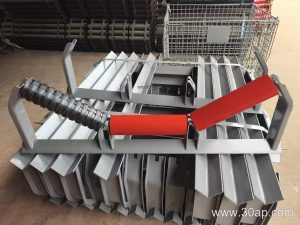
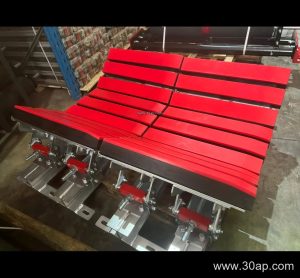
Flame retardant belts are often part of a larger conveyor system that includes idler rollers, conveyor pulleys, and conveyor brackets. In coal mining, for example, the entire system must be designed for safety. When specifying a belt, consider the compatibility with these components. Also, note that other belt types like heat resistant or oil resistant belts serve different purposes and should not be substituted when flame resistance is required. For high-temperature environments, a heat resistant conveyor belt might be needed, but it may not offer flame retardancy unless specifically designed to do so.
In summary, selecting the right flame retardant conveyor belt involves understanding the fire safety requirements, the material being handled, and the conveyor system design. Always consult with manufacturers for specific product data and certifications relevant to your industry.