What a Mining Conveyor Bracket Does
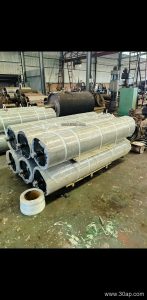
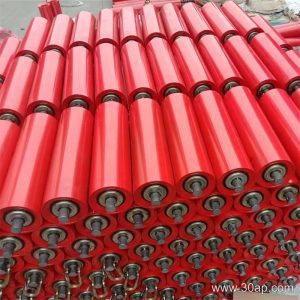
A mining conveyor bracket is the structural support that holds the idler rollers in position along a conveyor system. In a quarry, limestone mine, or iron ore operation, these brackets keep the belt profile stable, absorb impact, and guide the belt as it moves material. The bracket works together with the conveyor belt and the conveyor pulley to maintain proper alignment under heavy loads. Without a well-matched bracket, even a high-quality abrasion resistant conveyor belt can drift or wear unevenly.
Common Bracket Types and Their Roles
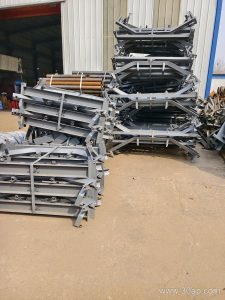
Brackets are not a single product. They are selected by function and position. Here are the common forms you will see in bulk material handling:
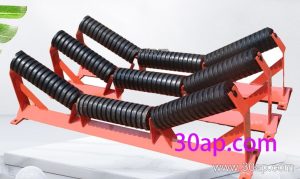
- Troughing bracket (carrying side): Supports three-roller sets that form the belt into a trough. Often called an upper trough bracket.
- Transition bracket: Placed where the belt changes from flat to troughed, easing stress on the belt edges.
- Return bracket (bottom side): Holds flat or V-shaped return rollers that support the empty belt.
- Impact bracket: Reinforced to carry buffer rollers under a loading point, common in crusher discharge and transfer chutes.
- Self-aligning bracket: Mounted on a pivot to correct belt tracking. A forward-tilted version is sometimes used for the same purpose.
- Adjustable bracket: Allows the trough angle to be changed on site, typically between 20 and 45 degrees.
Each bracket type is fixed in its function. A return bracket cannot substitute for a troughing bracket, and an impact bracket is not a replacement for a standard carrying bracket. Mixing them up leads to poor belt support and premature wear.
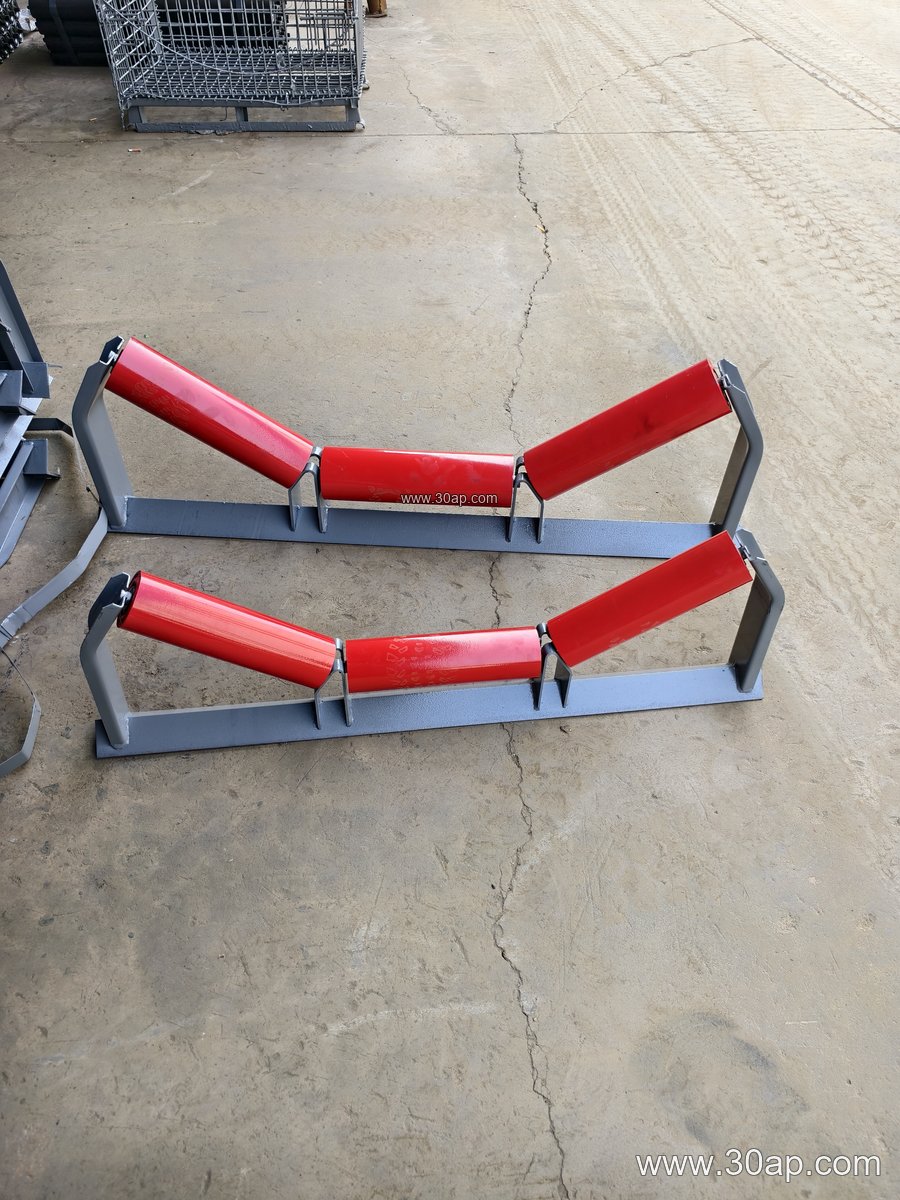
Construction and Materials
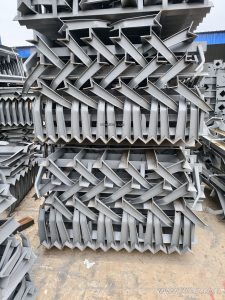
Most mining conveyor brackets are fabricated from angle steel, channel steel, or folded steel plate. The material thickness and weld quality matter in a coal mine or cement plant where dust and vibration are constant. A heavy-duty mining conveyor bracket may use thicker channel sections and reinforced gussets at the mounting points. Surface treatment, such as painting or galvanizing, helps resist corrosion in wet or chemical environments. When specifying a bracket, confirm the roller diameter it will accept and the mounting hole spacing required for your conveyor frame.
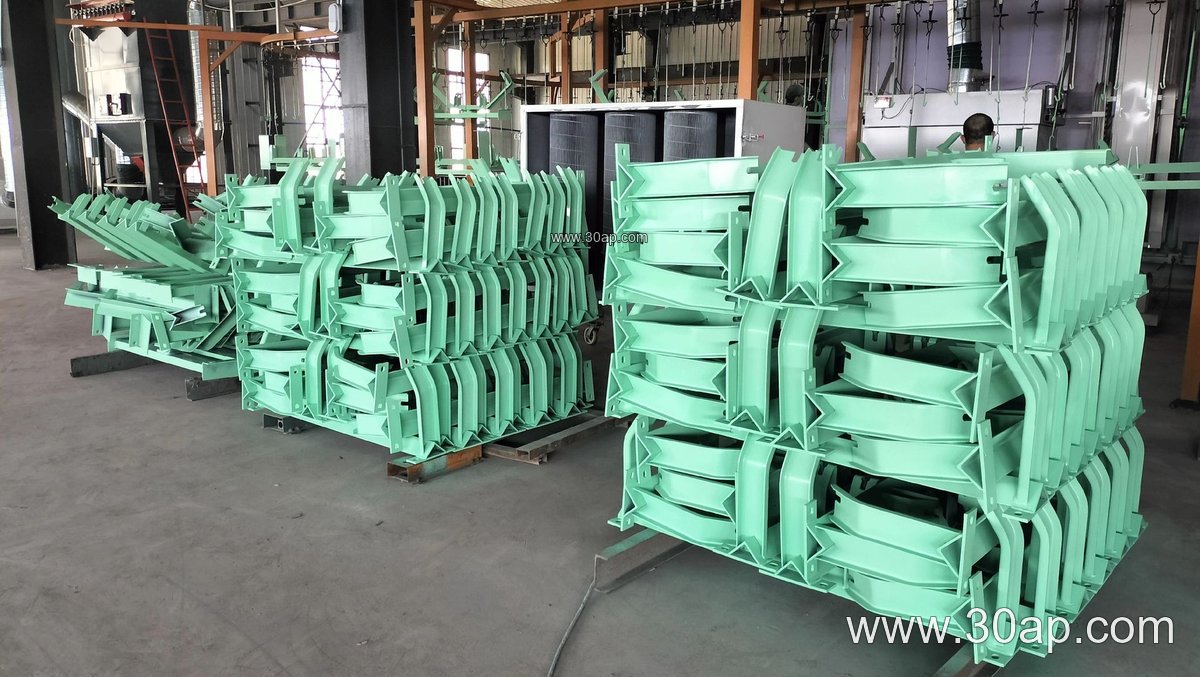
Matching Bracket to Belt Width and Roller Diameter
Bracket dimensions follow the belt width and the idler roller size. Common belt widths include B500, B650, B800, B1000, B1200, B1400, B1600, B1800, B2000, B2200. Roller diameters are typically Ø89, Ø108, Ø133, Ø159, Ø194. Trough angles are commonly 20, 30, 35, or 45 degrees; adjustable brackets can be set within this range. Forward tilt for self-aligning brackets is usually about 1.5 to 2 degrees.
The table below gives examples of reference combinations. These are illustrative, not fixed rules. A B800 belt can be used with different trough angles and roller diameters depending on the load and belt stiffness. Do not assume one belt width locks you into a single bracket size.
| Belt Width | Typical Trough Angle | Common Roller Diameter | Bracket Note |
|---|---|---|---|
| B650 | 30 degrees | Ø89 | Light to medium duty |
| B800 | 35 degrees | Ø108 | Standard quarry use |
| B1000 | 35 degrees | Ø133 | Adjustable versions available |
| B1200 | 45 degrees | Ø133 | Heavy-duty mining bracket |
| B1400 | 35 degrees | Ø159 | Impact bracket near transfer |
| B1800 | 45 degrees | Ø194 | Reinforced channel frame |
Installation hole spacing and crossbeam length vary with belt width and trough angle. Always confirm these dimensions against your conveyor drawing before ordering. For wider belts, such as a 1200mm wide conveyor belt or a 1500mm wide conveyor belt, the bracket span increases, and the roller load capacity must be checked.
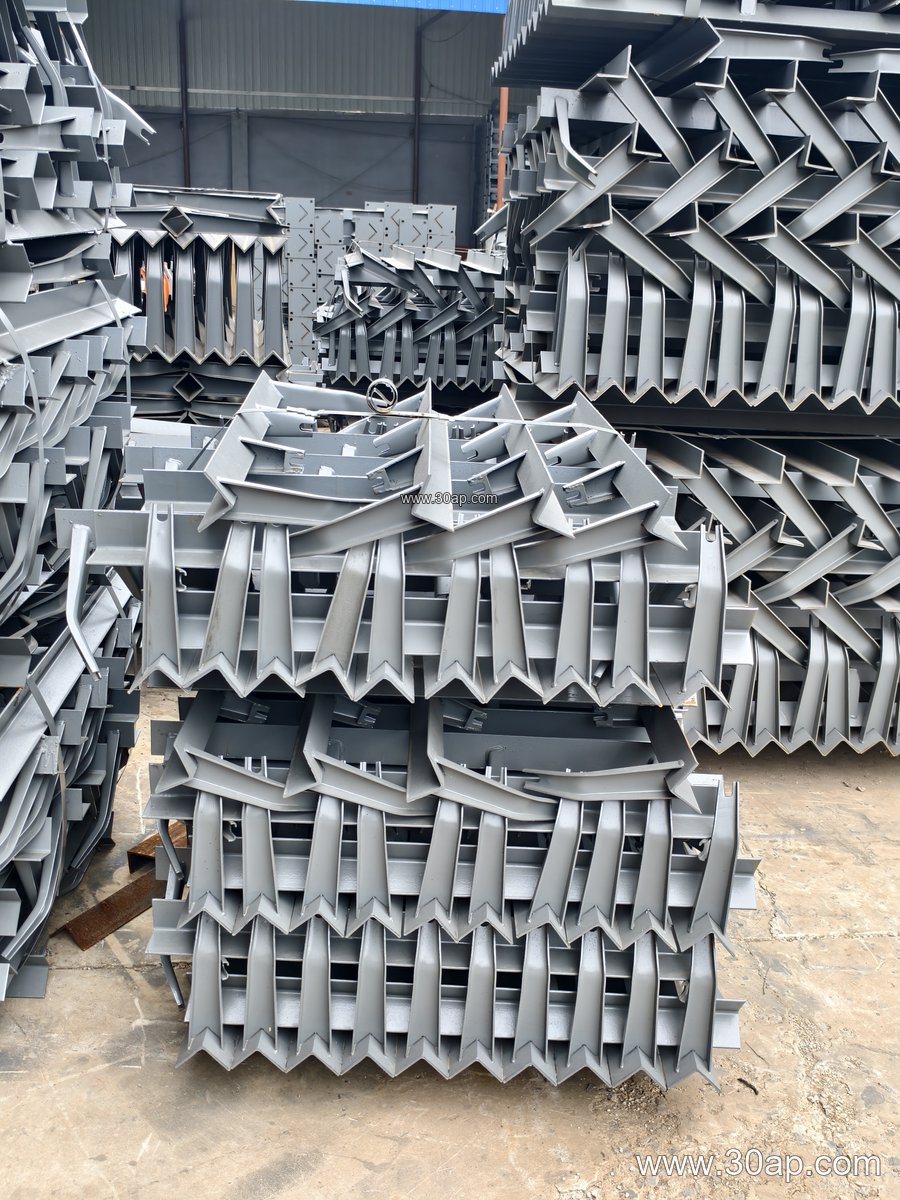
Where These Brackets Are Used
You will find mining conveyor brackets in many bulk handling settings. In a coal washing plant, flame retardant conveyor belt and anti-static conveyor belt are common, and the brackets must support the belt through wet, dusty conditions. In a power plant coal yard, the brackets hold idlers under a steel cord conveyor belt carrying high tonnage. In a cement plant, heat resistant conveyor belt may be used near the kiln, and the brackets near that section need to tolerate elevated temperatures. Aggregate operations use abrasion resistant conveyor belt on troughing brackets through the crushing and screening line. The same basic bracket designs serve these industries, but material and coating choices differ with the environment.
What Buyers Should Check
Before purchasing, confirm the bracket type matches its position on the conveyor. Check the roller diameter, the trough angle, and the mounting hole dimensions. Ask for the material grade and surface treatment if the conveyor runs outdoors or in a corrosive area. For a self-aligning or adjustable bracket, verify the adjustment range and the locking method. Also consider the belt speed and load: a heavy-duty mining conveyor bracket may be needed where standard brackets would flex. Finally, review the bracket together with the conveyor pulley and belt specification as a system, not as isolated parts. A bracket that fits the frame but mismatches the roller will cause tracking problems regardless of belt quality.
For more information on conveyor components and belt selection, visit mysite.com/conveyor-bracket or mysite.com/mining-conveyor-bracket. Related equipment such as the conveyor pulley and idler roller should be specified alongside the bracket for reliable operation.