What the Ø89 Conveyor Idler Does on a Conveying Line
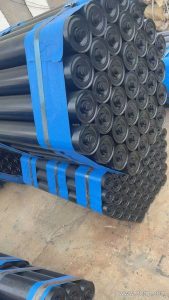
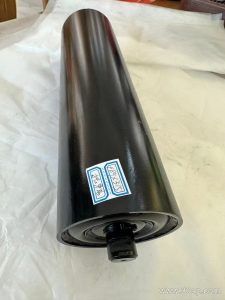
The Ø89 conveyor idler is a carrying or return roller with an 89 mm outside diameter, a size that sits in the middle of the common idler range and suits many medium-capacity belt conveyors. Its job is simple but demanding: hold the conveyor belt in a stable trough, keep the belt tracking reasonably straight, and let the loaded belt roll with low resistance instead of dragging over fixed supports. In a quarry, a cement plant or a power plant coal yard, a train of these rollers runs for hours under grit, dust and vibration, so the build quality of each idler roller matters as much as the belt itself.
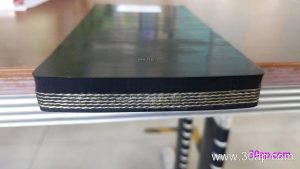
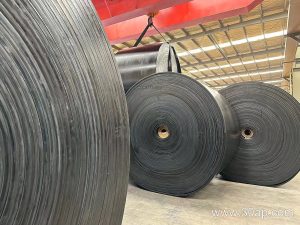
The 89 mm diameter is often paired with belt widths from around 650 mm to 1200 mm, but that is a design choice rather than a rule. Belt width, trough angle, belt speed, load and the number of plies in the conveyor belt all influence the final selection. A heavy-duty mining conveyor belt moving dense ore may call for a larger roll, while a lighter aggregate line can work well with Ø89 units.
How a Ø89 Idler Roller Is Built
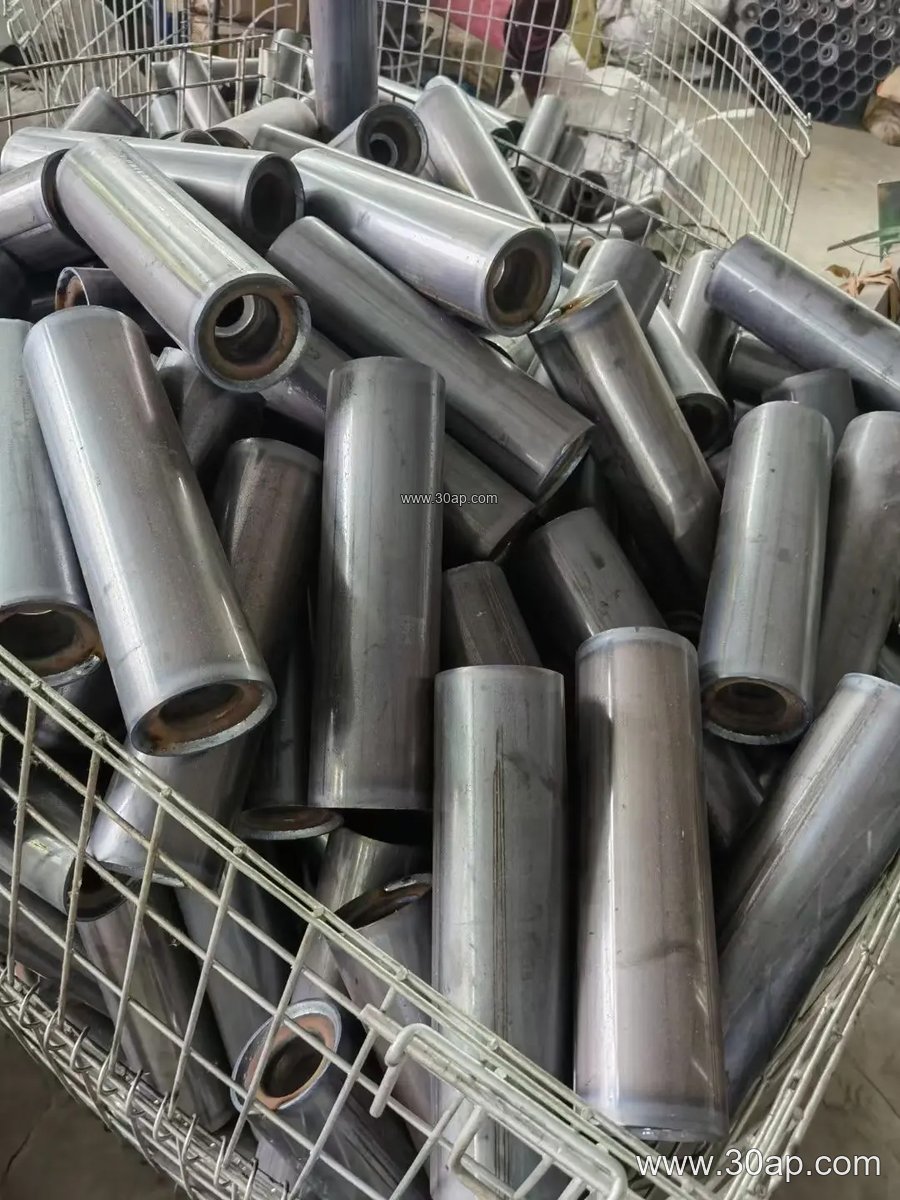
Most Ø89 idlers use a steel tube shell, machined bearing housings at each end, and a shaft that locks into the conveyor bracket. Seals are the quiet heroes here: a good labyrinth or multi-stage seal keeps fine dust out of the bearing, and that is what separates a long-life roller from one that seizes within months. Common bearing sizes in this diameter class include 6204 and 6205, though the correct bearing depends on load rating and shaft design rather than diameter alone.
- Shell options: plain steel tube, nylon-coated, ceramic-coated or rubber-disc covered.
- Bearing housing: pressed or machined, with grease retention features.
- Shaft ends: flat or grooved to suit the bracket fixing.
- Sealing: contact and non-contact combinations for dusty or wet service.
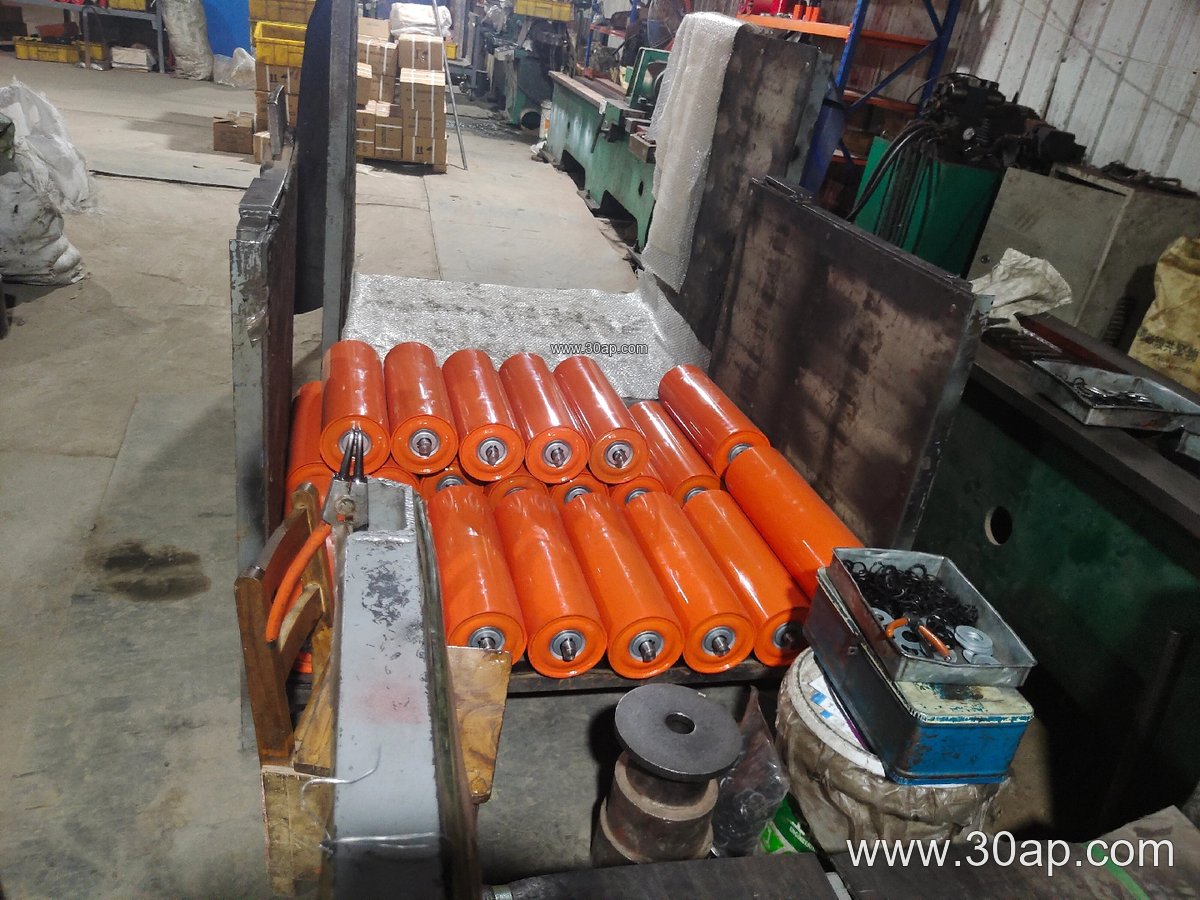
Shell surface choice changes behaviour. Rubber-disc rollers absorb impact at transfer points and reduce belt wear, while ceramic or nylon surfaces help in sticky or abrasive service. For a crusher discharge or a rocky quarry line, an impact-resistant roller under the loading zone protects both the roller and the belt.
Where Ø89 Idlers Fit in Real Installations
These rollers appear in three-roll troughing sets on the carrying side and as single or V-shaped rollers on the return side. Trough angles of 20, 30, 35 and 45 degrees are all used; a 35-degree trough is a frequent choice for bulk material because it centres the load without over-compressing the belt edges. Transition idlers near the head and tail help the belt move smoothly from flat to troughed shape, which reduces edge stress on a thick conveyor belt.
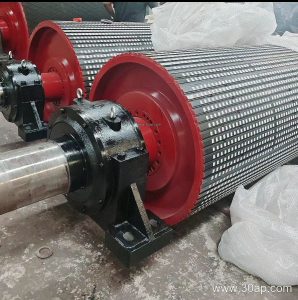
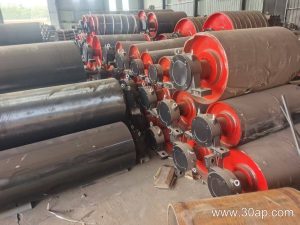
Typical settings include sand and gravel plants, limestone mines, coal washing plants, cement clinker lines and tunnel spoil handling. In these places the idler works alongside a conveyor pulley at the drive and tail, plus the conveyor bracket that ties everything to the frame. Where fine material is carried, self-aligning or friction-aligning rollers may be added on the return run to correct minor belt drift. For very dusty coal service, a flame retardant conveyor belt and anti-static roller components are often specified together for safety.
Common Ø89 Idler Reference Data
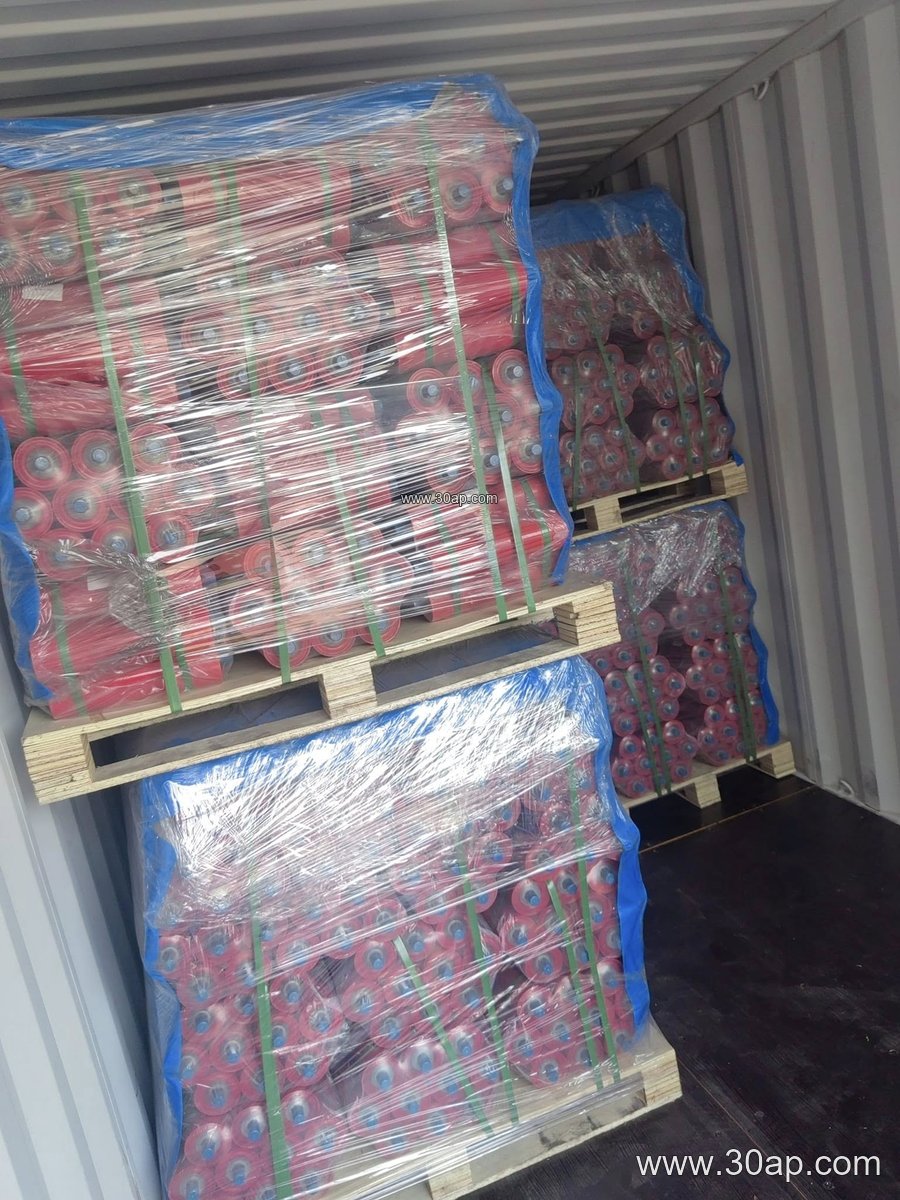
The table below gives typical reference values, not fixed supply commitments. Roller length varies with belt width and trough configuration, and side rollers may differ from centre rollers.
| Item | Typical Reference |
|---|---|
| Outside diameter | Ø89 mm |
| Roller length (three-roll trough, examples) | B650 about 250 mm; B800 about 315 mm; B1000 about 380 mm; B1200 about 465 mm |
| Trough angle | 20°, 30°, 35°, 45° |
| Bearing sizes | 6204, 6205 (selection by load) |
| Shell surface | Steel, nylon, ceramic, rubber disc |
| Idler set form | Single roll, two-roll, three-roll trough |
Buying Notes for Ø89 Conveyor Idlers
A buyer should confirm four things before ordering: the belt width and trough angle, the required roller length, the bearing and seal class for the site conditions, and the bracket fixing style. Ask how the seal handles dust and water, because premature bearing failure is the most common idler complaint. Check that the shaft end matches existing frames; a roller that fits perfectly on the bench but not on the conveyor bracket costs downtime.
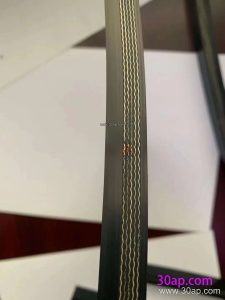
Also match the idler to the belt it supports. A heavy EP conveyor belt or steel cord conveyor belt under high tension needs rollers with adequate load rating, and a high abrasion resistant conveyor belt in a gold mining or iron ore operation benefits from wear-resistant shell surfaces. Keep spare rollers in stock for critical lines, and inspect for seized or wobbling idlers during routine walk-throughs. For more on matching rollers, belts and pulleys, see beltconveyorparts.com and review the conveyor idler range at idler-roller.com before finalising specifications.