What the Ø159 Impact Idler Does
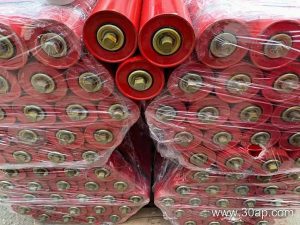
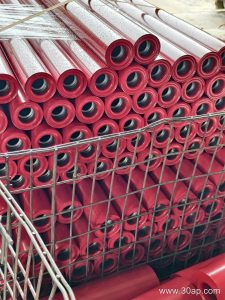
A Ø159 impact idler is a heavy-duty idler roller with a nominal diameter of 159 mm, designed to sit under the loading point of a conveyor belt. Its job is to absorb the energy of falling material and protect the belt from impact damage, while still supporting the belt as it moves. You will often hear it called a 159mm buffer roller or rubber-disc impact roller. Those are accurate equivalent names for the same product. The Ø159 figure refers to the roller shell diameter; it is not a belt width, and it does not dictate a single pulley size or shaft diameter.
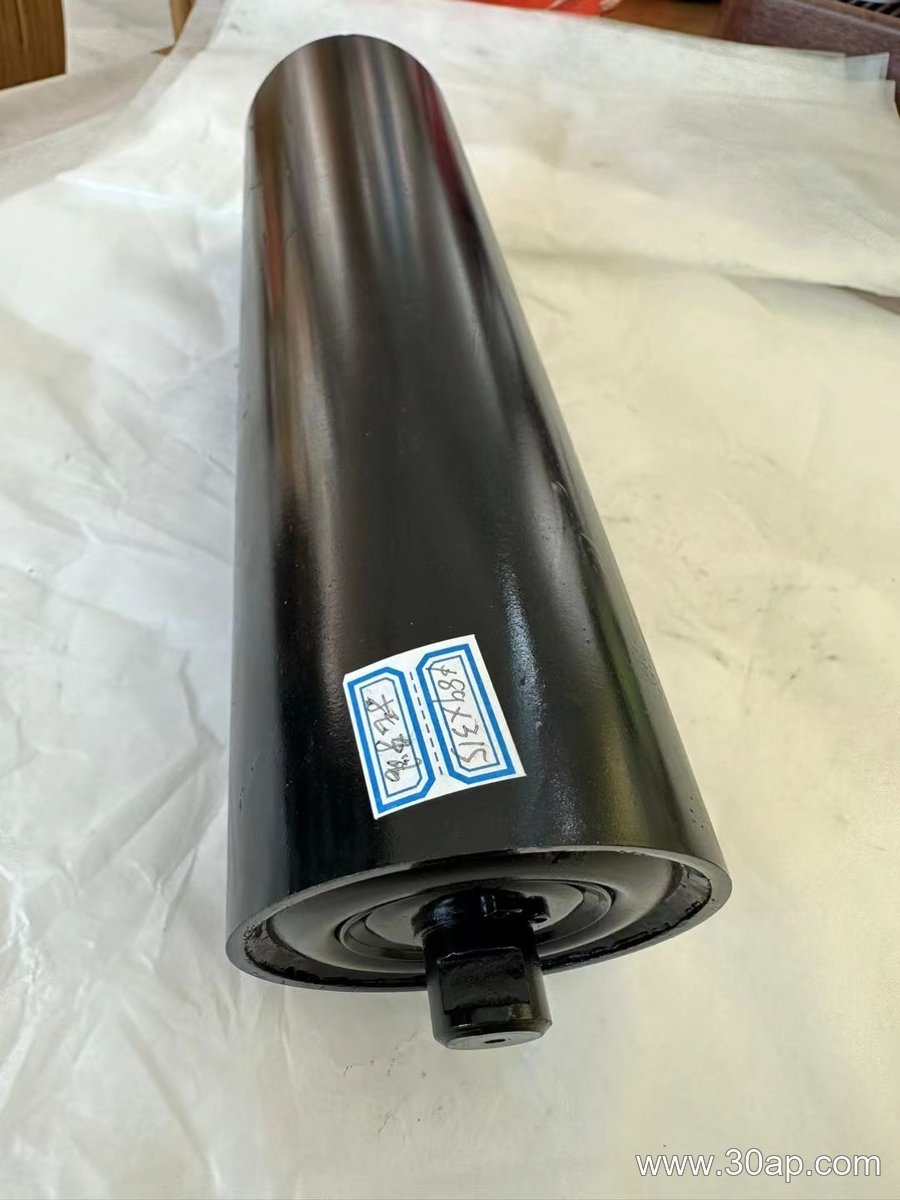
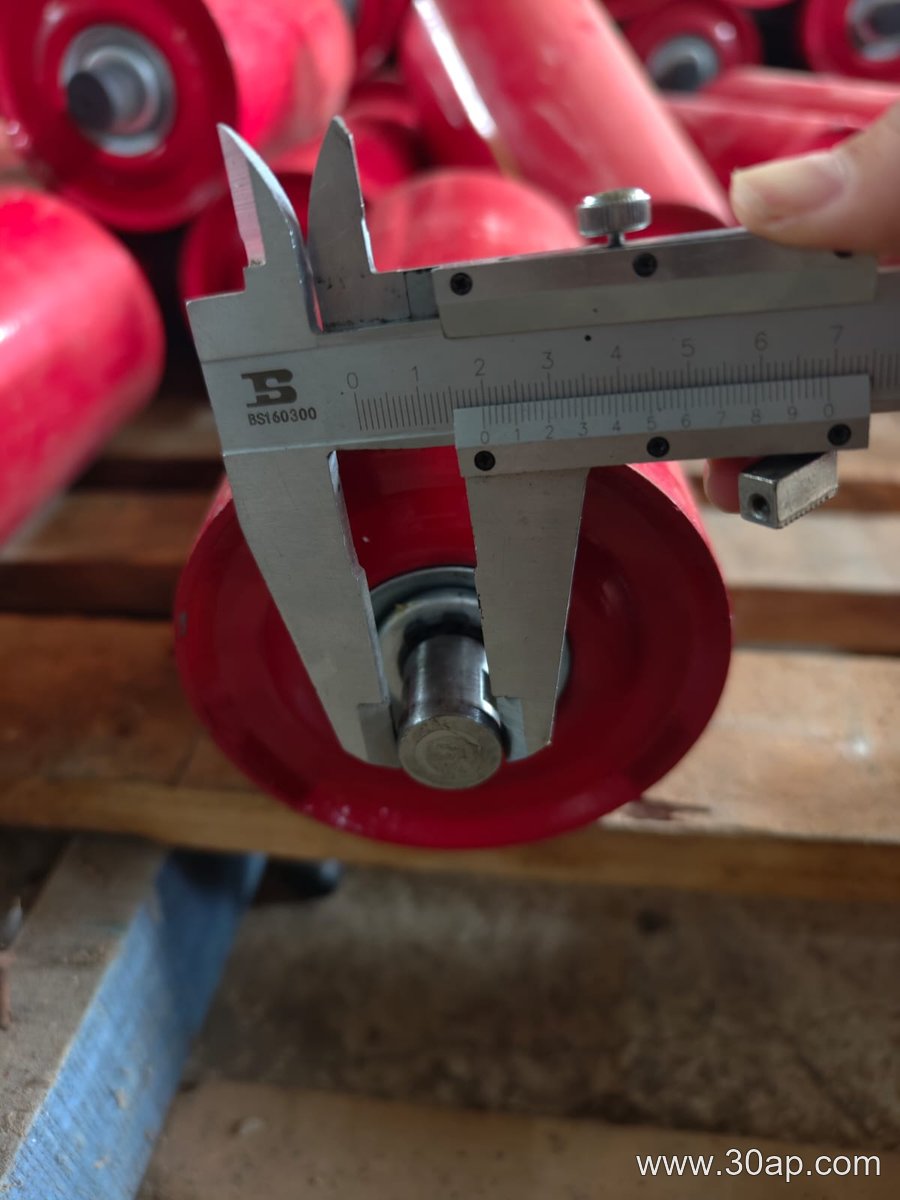
Construction and Materials
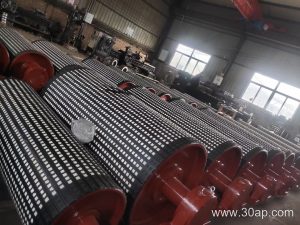
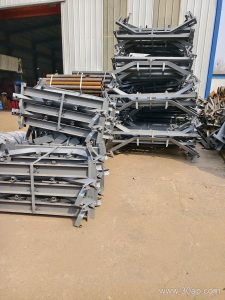
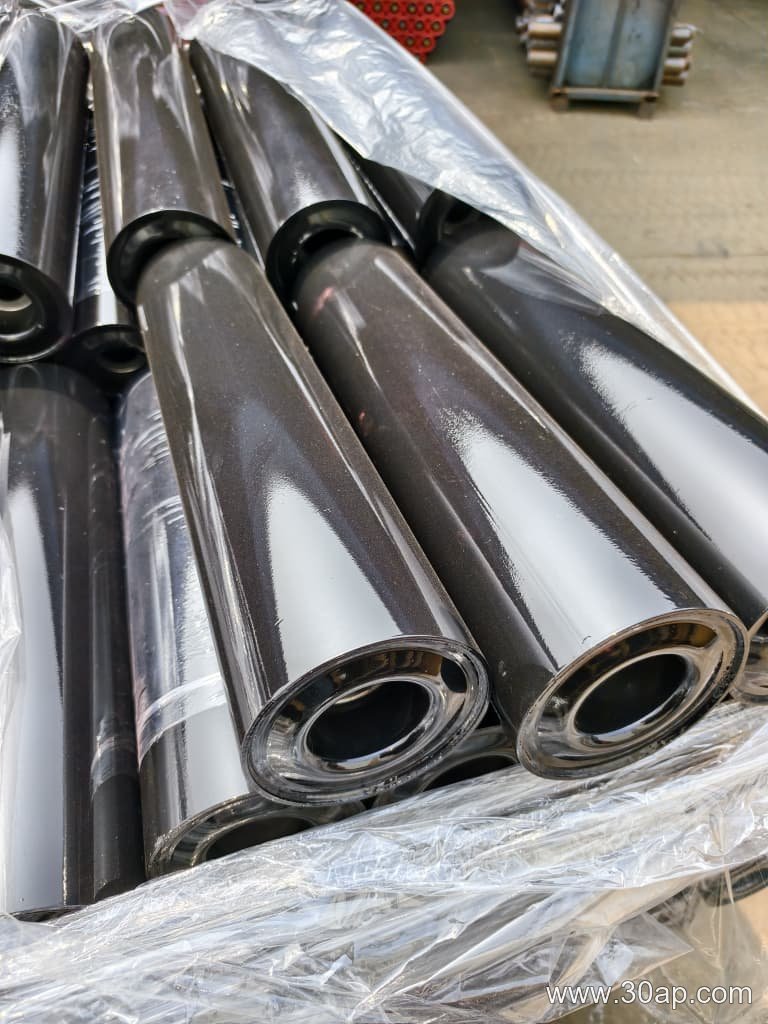
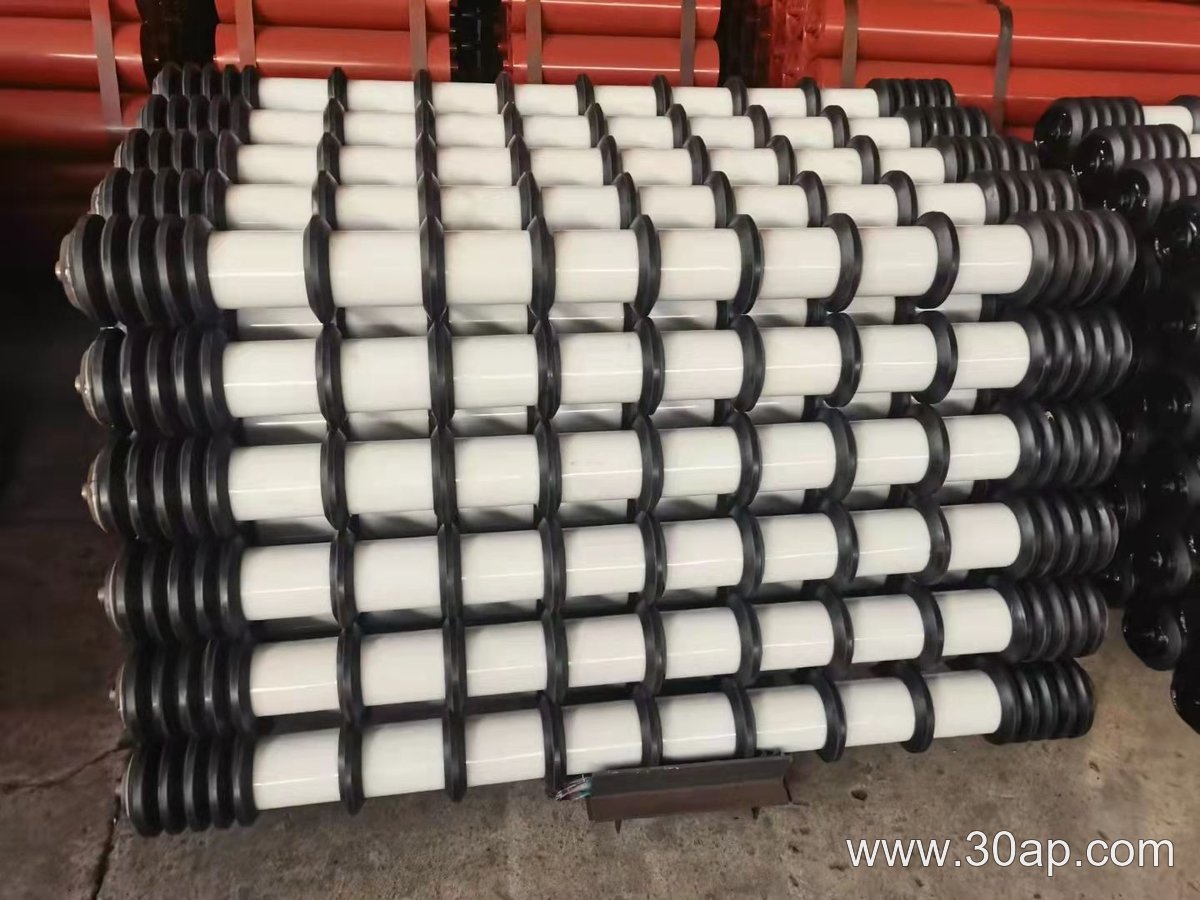
The core of this impact idler is a steel tube shell, usually fitted with a series of rubber discs or rings along its length. These rubber rings are the key difference from a standard carrying idler. When coarse rock or heavy lump material drops onto the belt, the rubber compresses and spreads the force, reducing the shock that reaches the belt carcass and the roller bearings. Common bearing sizes for this class of idler include 6205, 6305, 6306, and 6308, but the final choice depends on load, speed, and the idler manufacturer’s design. Seals are equally important: a good labyrinth or contact seal keeps dust and fine grit out of the bearing housing. The shaft ends are normally mounted in a conveyor bracket or frame, so the impact idler fits into the same general support structure as other troughing idlers.
Where It Fits on the Conveyor
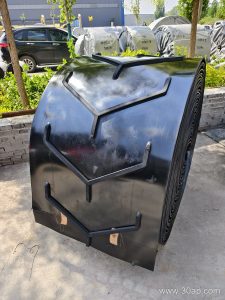
Impact idlers are placed at transfer points, crusher discharge, screen feed, and any location where material falls onto the belt. In a three-roll troughing set, the centre roll often takes the direct hit, but side rolls can also be impact-rated when the load spreads. A Ø159 impact idler is typically used on wider, heavier-duty belts where a smaller roller would wear out too quickly. For comparison, a standard troughing idler in the same position may use a smaller diameter and a plain steel shell; the impact version trades a slightly higher rotating mass for much better shock absorption. It is not a replacement for a drive pulley, tail pulley, or bend pulley—those are different components with different functions. The impact idler is a carrying roller, not a pulley.
Applications and Site Conditions
You will find these rollers in primary crushing stations at a limestone quarry, where run-of-mine rock drops from a truck or feeder onto the belt. They also appear in a coal handling system at a power plant, especially after a crusher where lump size is still variable. In both cases, the rubber-disc design helps control belt damage and reduces the chance of punctures or edge tears. A Ø159 impact idler can also be used in a sand and gravel plant, but the exact choice depends on lump size, drop height, and throughput. For fine, light material, a standard idler may be sufficient; the impact version is most valuable where the falling stream is heavy or jagged.
What Buyers Should Check
When specifying a Ø159 impact idler, ask for the roller length, bearing type, seal design, and rubber disc hardness. Roller length must match the belt width and trough angle. For example, a three-roll 35-degree troughing set on a B1200 belt often uses a centre roll around 465 mm, but side rolls and other belt widths will differ. Do not assume that one belt width automatically pairs with one pulley diameter or one shaft size. The shaft diameter is determined by the bracket and load requirements, not by the 159 mm roller diameter alone. Also confirm the mounting dimensions and whether the idler is a single roll, two-roll, or three-roll arrangement. Finally, check that the rubber rings are suitable for the material temperature and that the bearings are protected against dust. A well-chosen impact idler reduces downtime and belt replacement cost, but it must be matched to the actual loading conditions rather than selected by diameter alone.