What a Rock Conveyor Belt Is
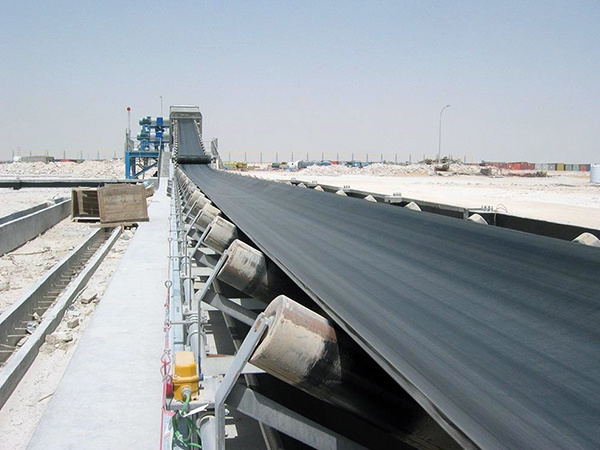
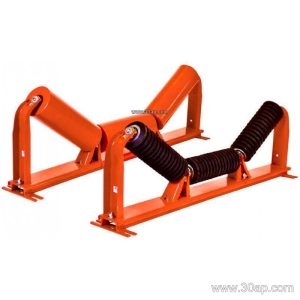
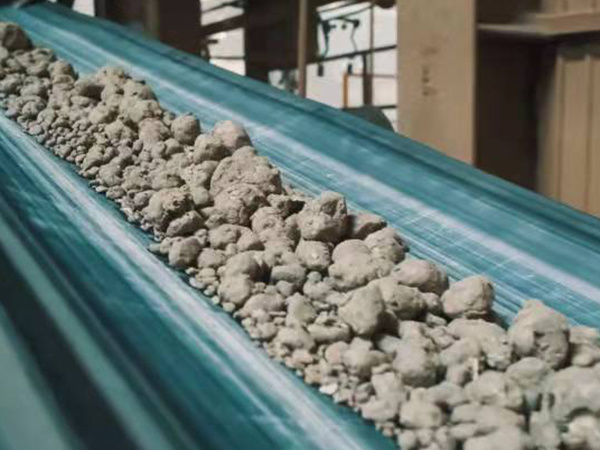
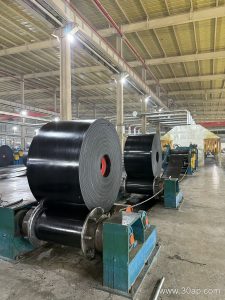
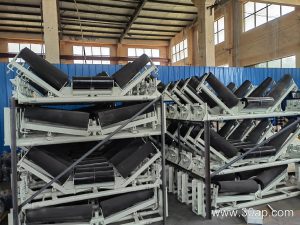
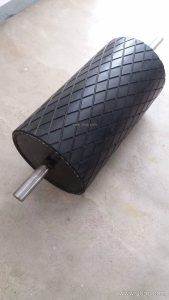
A rock conveyor belt is a heavy-duty rubber conveyor belt engineered to carry abrasive, lumpy, and high-impact materials such as crushed stone, ore, gravel, and quarry run. It is the load-carrying component of a belt conveyor system, working together with idler rollers, conveyor pulleys, and conveyor brackets to move bulk material efficiently. While the term is common in mining and aggregate operations, the same product is often specified as a mining conveyor belt or quarry conveyor belt, depending on the industry. The core function remains the same: transport heavy, sharp-edged rock without premature wear or belt failure.
Construction and Material Options
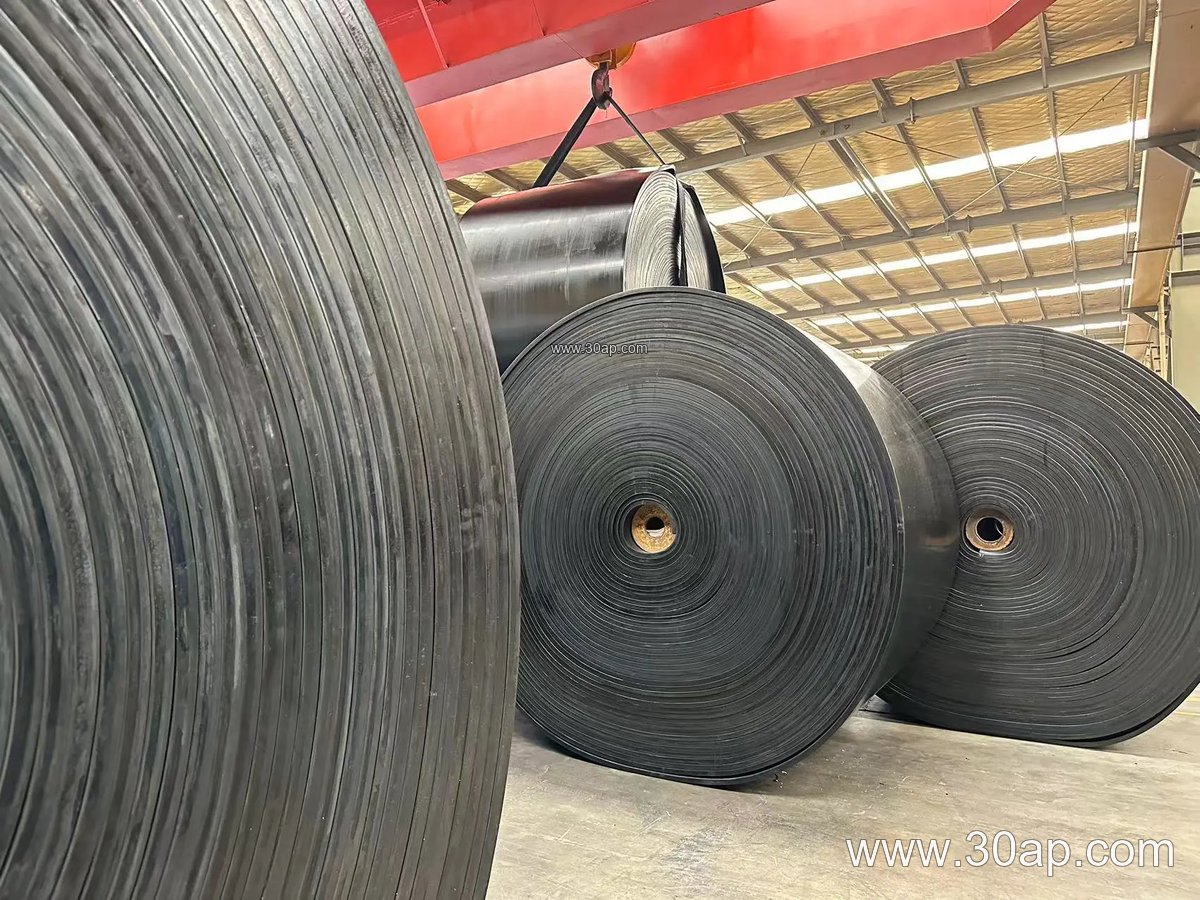
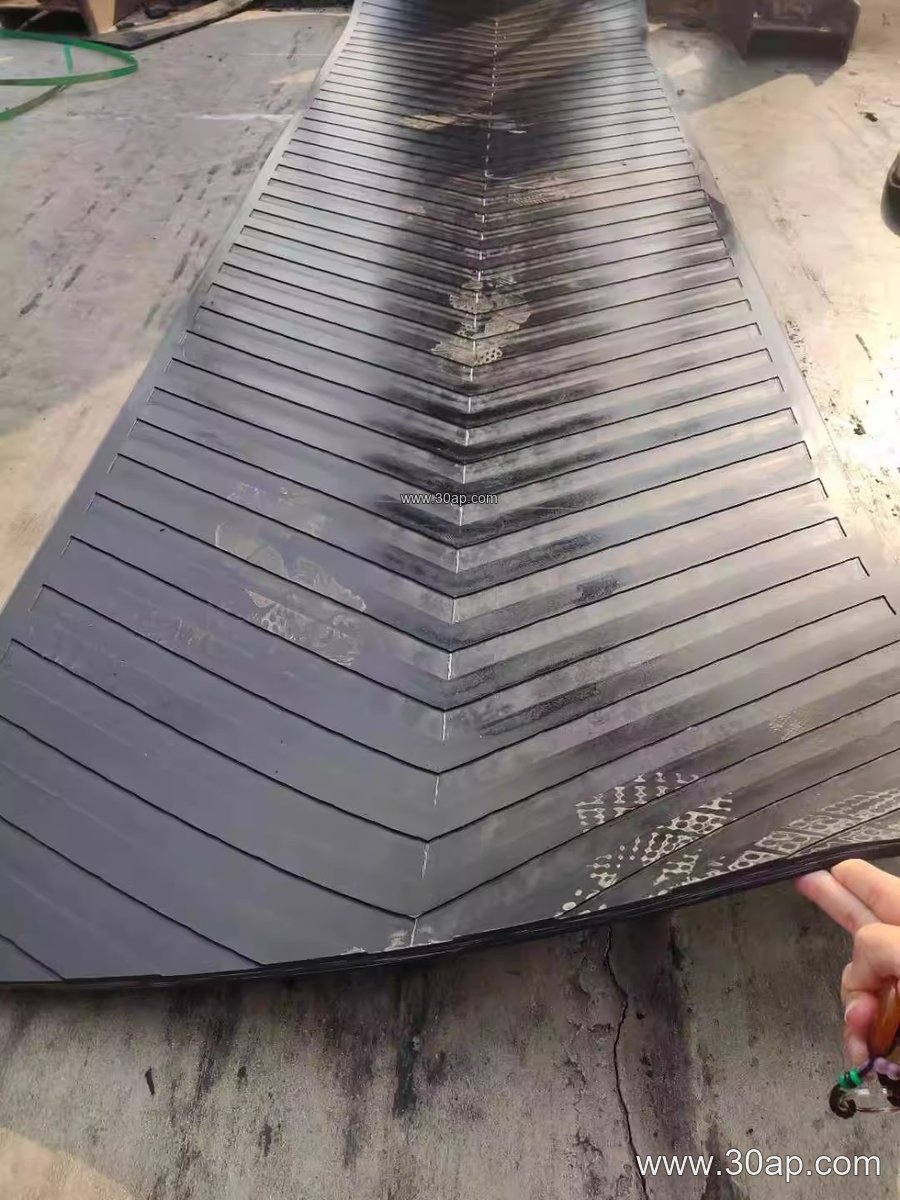
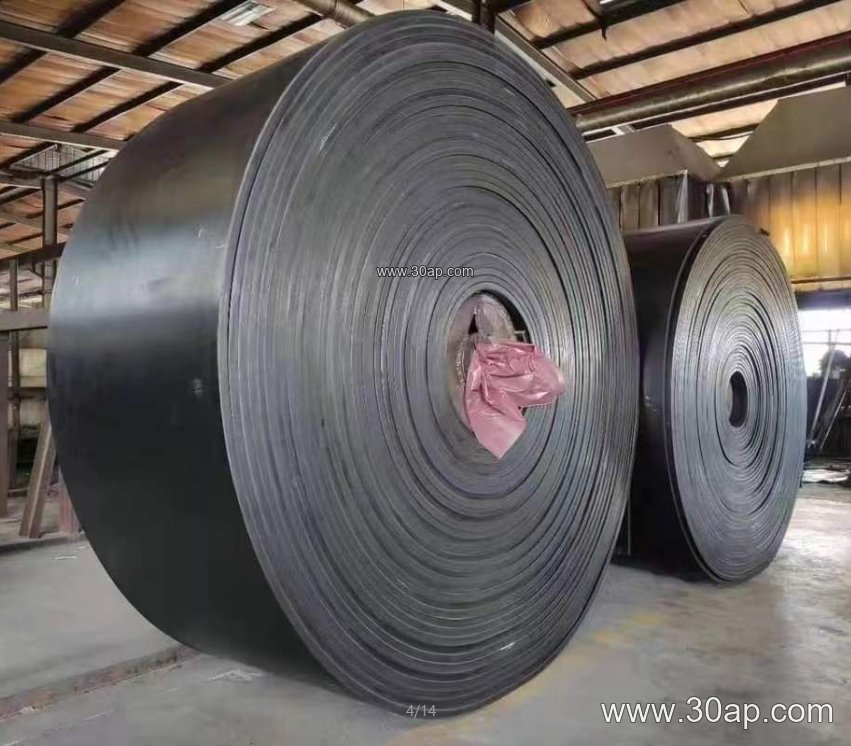
A rock conveyor belt typically uses a fabric core or steel cord carcass covered with abrasion-resistant rubber. The carcass provides tensile strength and maintains belt integrity under load, while the cover rubber protects against cutting, gouging, and abrasion. Common carcass types include EP conveyor belt (polyester-nylon) and NN conveyor belt (nylon-nylon), both available in multi-ply fabric core designs. For very high tension and long distances, steel cord conveyor belt is chosen. Cover compounds can be selected for specific conditions: abrasion resistant conveyor belt for sharp rock, heat resistant conveyor belt for hot clinker or sinter, oil resistant conveyor belt for oily ores, and flame retardant conveyor belt for underground coal mining. A rock conveyor belt may also feature chevron conveyor belt patterns or corrugated sidewall conveyor belt edges to prevent material rollback on inclines.
Typical Specifications
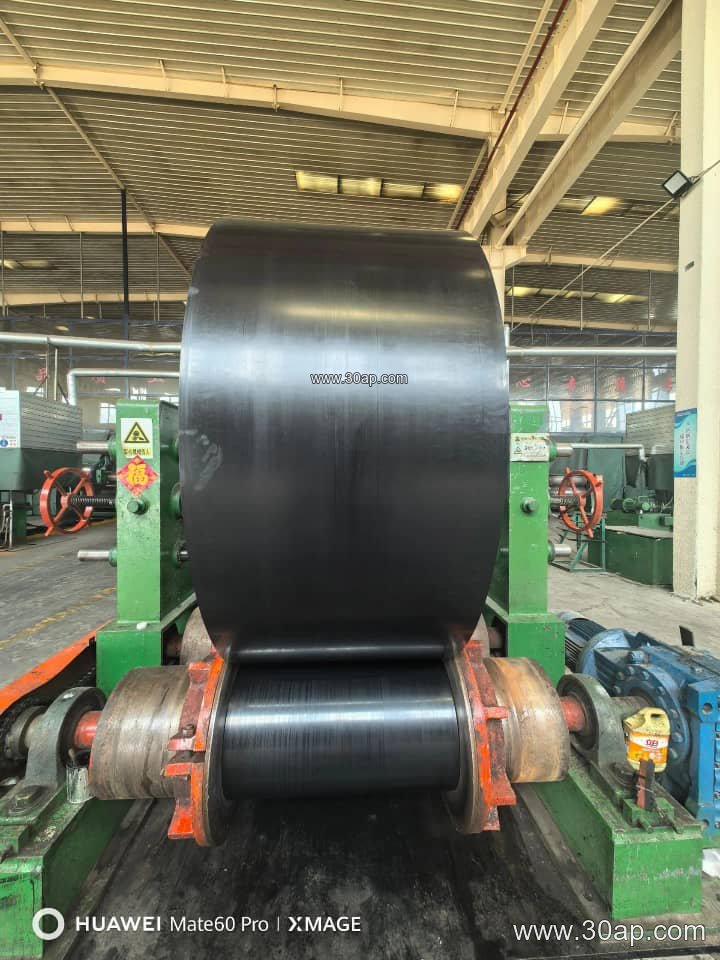
Rock conveyor belts are available in a range of strengths and dimensions to match the conveyor design. The table below lists common reference values; actual selection depends on the load, speed, and pulley arrangement. These are not universal specifications, and different manufacturers may offer variations.
| Parameter | Common Options |
|---|---|
| Belt width (B) | B500, B650, B800, B1000, B1200, B1400, B1600, B1800, B2000 |
| Fabric core strength (EP/NN) | EP200, EP315, EP400, EP500, EP630, EP800, EP1000, EP1250, EP1600, EP2000 |
| Steel cord strength (ST) | ST1000, ST1250, ST1600, ST2000, ST2500, ST3150 |
| Cover thickness (top + bottom) | 3+1.5 mm, 4+2 mm, 5+2 mm, 6+2 mm, 8+3 mm |
| Carcass plies | 2 to 6 plies (fabric core) |
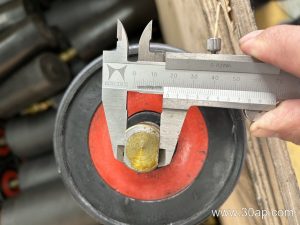
For example, a 1200mm wide conveyor belt with EP1000 carcass and 6+2 mm covers is a typical choice for primary crushing circuits, while a 1800mm wide EP1250 belt may be used in high-capacity quarry operations. The belt width must be matched to the conveyor frame and pulley dimensions, but there is no fixed rule that one belt width only fits one pulley diameter; the entire system is engineered together.
Where Rock Conveyor Belts Are Used
These belts are found in mines, quarries, cement plants, power plants, steel mills, and sand and gravel operations. In underground coal mining, flame retardant and anti-static properties are critical, and PVG conveyor belt or PVC conveyor belt may be used for reduced fire risk. Above ground, abrasion resistant conveyor belt is the workhorse for crusher discharge and screening plants. The same belt can handle iron ore, copper ore, gold ore, and aggregate. In cement plants, heat resistant conveyor belt carries clinker, while oil resistant conveyor belt may be needed for certain raw materials. Ports and ship loading facilities use wide conveyor belt (e.g., 2000mm or 2200mm) to move large tonnages. The rock conveyor belt is often the most wear-prone part of the system, so matching the cover compound to the material is essential.
Buyer Selection Checklist
- Define the material: lump size, sharpness, moisture, temperature, and oil content. This determines whether you need abrasion resistant, heat resistant, oil resistant, or flame retardant cover.
- Calculate the required belt strength based on the conveyor length, incline, and capacity. Use EP or NN fabric core for short to medium distances, and steel cord conveyor belt for high tension or long overland routes.
- Choose belt width according to the conveyor frame and material size. Common widths range from 500mm to 2000mm, with wider belts available for special applications.
- Consider environmental conditions: cold resistant conveyor belt for freezing climates, anti-static conveyor belt for explosive dust atmospheres, and acid resistant or chemical resistant conveyor belt for corrosive environments.
- Review the pulley and idler roller arrangement to ensure the belt can trough properly and handle impact at transfer points. Impact resistant conveyor belt with extra cover thickness may be needed at loading zones.
Maintenance and Longevity
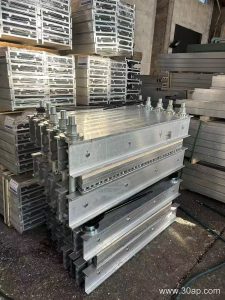
Regular inspection of the belt surface, edges, and splices helps prevent unexpected downtime. Keep idler rollers turning freely and check conveyor pulleys for material buildup. Avoid overloading the belt beyond its design capacity, and ensure the belt is tracked correctly to prevent edge damage. For high-abrasion rock, a thicker cover (such as 8+3 mm) can extend service life, but it must be balanced against flexibility and pulley diameter. Properly selected and maintained, a rock conveyor belt can deliver reliable performance in the harshest material handling environments.