What a Single Drive Pulley Does
A single drive pulley is the one powered drum that pulls the conveyor belt around the circuit. In a conveyor drive station, one pulley carries the motor and gearbox torque and transfers it to the belt through friction between the drum surface and the belt cover. This is different from a dual-drive arrangement, where two pulleys share the load. A single drive pulley is a practical choice for many medium-length conveyors in a quarry, a sand and gravel line, or a cement plant clinker transport route, provided the drive is properly matched to the belt tension and the load.
The same component is also called a single drum drive pulley or a head drive drum. It should not be confused with a tail pulley, a bend pulley, or a take-up pulley. Those are separate positions in the conveyor and are not interchangeable with the drive drum.
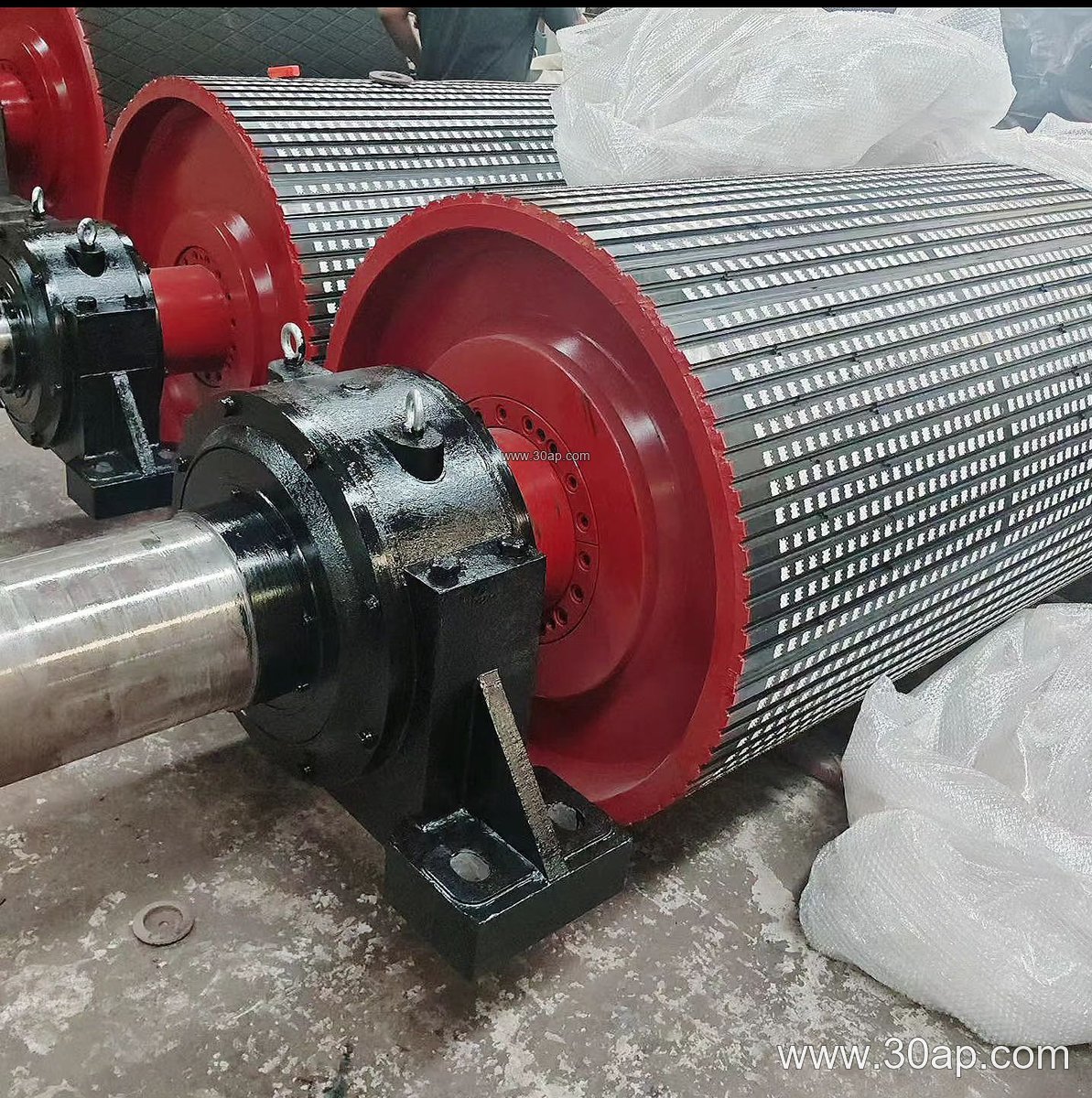
Construction and Surface Options
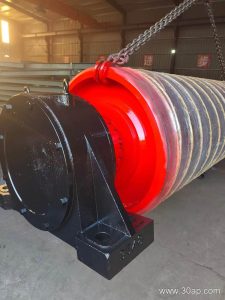
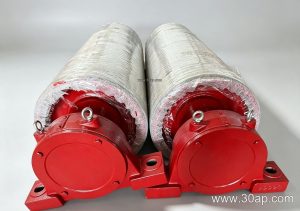
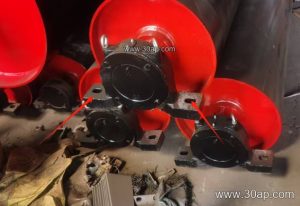
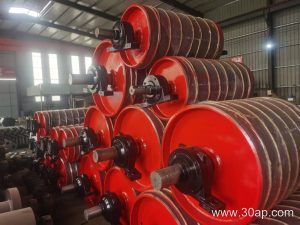
A typical single drive pulley consists of a cylindrical shell, two end discs, a shaft, and bearing housings mounted on a sturdy frame or conveyor bracket. The shell is usually machined and then covered with rubber or ceramic to raise friction and reduce belt slip. Common surface forms include plain, hot-vulcanized rubber, cold-bonded rubber, diamond grooving, herringbone grooving, and ceramic lagging. Lagging thickness is often 8, 10, 12, 15, or 20 mm, selected according to the duty.
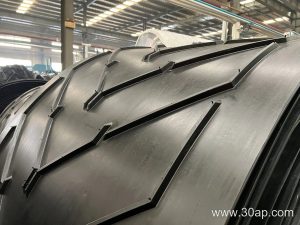
The drive drum must work with the belt it carries. A heavy-duty mining conveyor belt with a thick cover needs a robust shell and suitable lagging, while a lighter EP conveyor belt on a short aggregate line may be served by a smaller drum. Belt types such as abrasion resistant conveyor belt, flame retardant conveyor belt, and heat resistant conveyor belt each place different demands on the contact surface and on the drum’s heat tolerance.
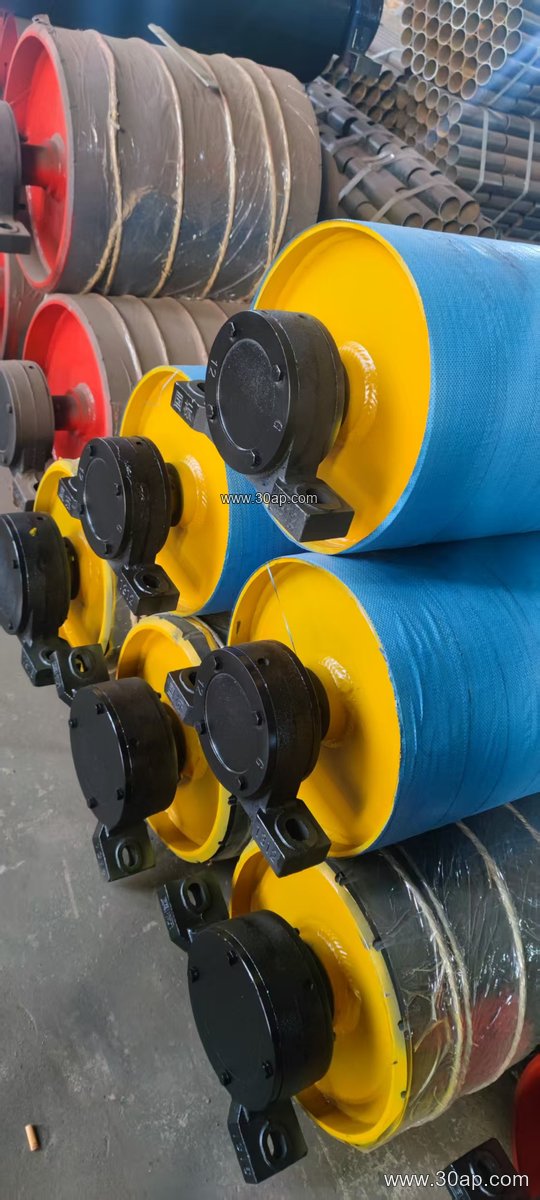
Sizing by Belt Width and Duty
Belt width and pulley diameter are related by design, not by a single fixed rule. A wider belt generally needs a wider drum face, and the drum face is usually a little wider than the belt. The table below shows common reference combinations; these are typical values, not universal requirements.
| Belt width | Typical drum face width | Example diameter range |
|---|---|---|
| B400 | about 500 mm | Ø200 to Ø315 mm |
| B650 | about 750 mm | Ø315 to Ø500 mm |
| B800 | about 950 mm | Ø400 to Ø630 mm |
| B1000 | about 1150 mm | Ø500 to Ø800 mm |
| B1200 | about 1400 mm | Ø630 to Ø1000 mm |
| B1400 | about 1600 mm | Ø800 to Ø1250 mm |
| B1600 | about 1800 mm | Ø1000 to Ø1400 mm |
| B1800 | about 2000 mm | Ø1250 to Ø1600 mm |
| B2000 | about 2200 mm | Ø1400 to Ø1800 mm |
A combination such as B800 × Ø500 or B1200 × Ø1000 is common in practice, but no belt width is restricted to one diameter. Shaft diameter is determined by torque and load, and common shaft sizes include Ø80, Ø100, Ø120, Ø140, Ø160, and Ø200 mm. A buyer should provide belt width, belt type, capacity, speed, and starting conditions so the drive pulley can be calculated correctly.
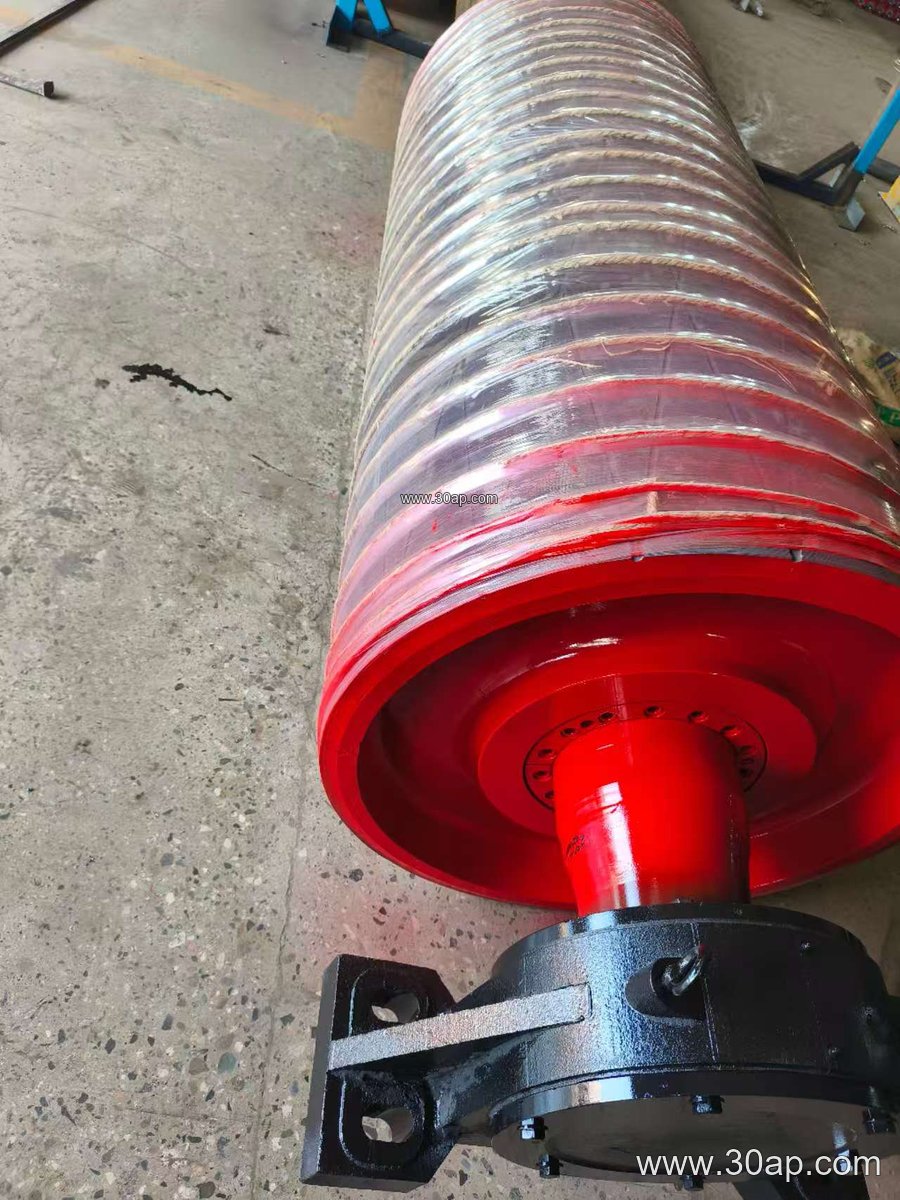
Where It Fits in the Plant
In a limestone quarry or a crushing and screening circuit, the single drive pulley often sits at the head of the main haulage conveyor, pulling a heavy-duty mining conveyor belt loaded with rock. In a coal washing plant or a power plant coal yard, a flame retardant conveyor belt may run on a drive drum with rubber lagging to meet fire safety needs. In a cement plant, a heat resistant conveyor belt carrying clinker calls for attention to drum surface and bearing temperature.
The drum also cooperates with the idler roller set, the conveyor bracket, and the belt training devices. Good alignment of the drive pulley with the tail pulley and the bend pulley keeps the belt centered and extends lagging life.
Buyer Checklist
- Confirm the belt width, belt type, and belt tension so the drum shell and shaft are sized correctly.
- Choose lagging according to slip risk, material, and environment; diamond or herringbone grooving helps in wet or dusty conditions.
- Check bearing type, lubrication method, and sealing for the site conditions.
- Verify the shaft diameter, keyway, and coupling fit against the gearbox output.
- Plan lifting points and access space for installation and later lagging replacement.
For more information on matching drums with belts and rollers, visit www.example.com/conveyor-pulley or review the belt and drum data at www.example.com/single-drive-pulley. A well-selected single drive pulley keeps a conveyor stable from the crusher discharge to the stockpile, whether the plant handles ore, aggregate, or clinker.