What a Fixed Conveyor Bracket Does
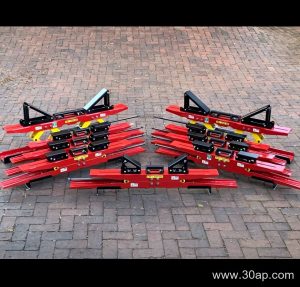
A fixed conveyor bracket is the stationary support that holds idler rollers in a set position along the conveyor frame. Unlike adjustable brackets that allow the trough angle to be changed on site, a fixed bracket locks the roller orientation once it is bolted or welded in place. This makes it a common choice for belt lines where the material profile and loading conditions stay consistent, such as a cement plant’s clinker transport or a power plant coal feed system. The bracket works together with the conveyor belt, idler roller, and conveyor pulley to keep the belt tracking smoothly and the load evenly distributed.
Construction and Materials
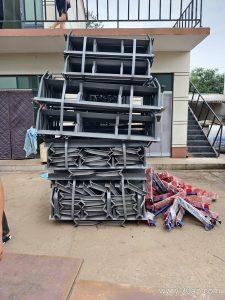
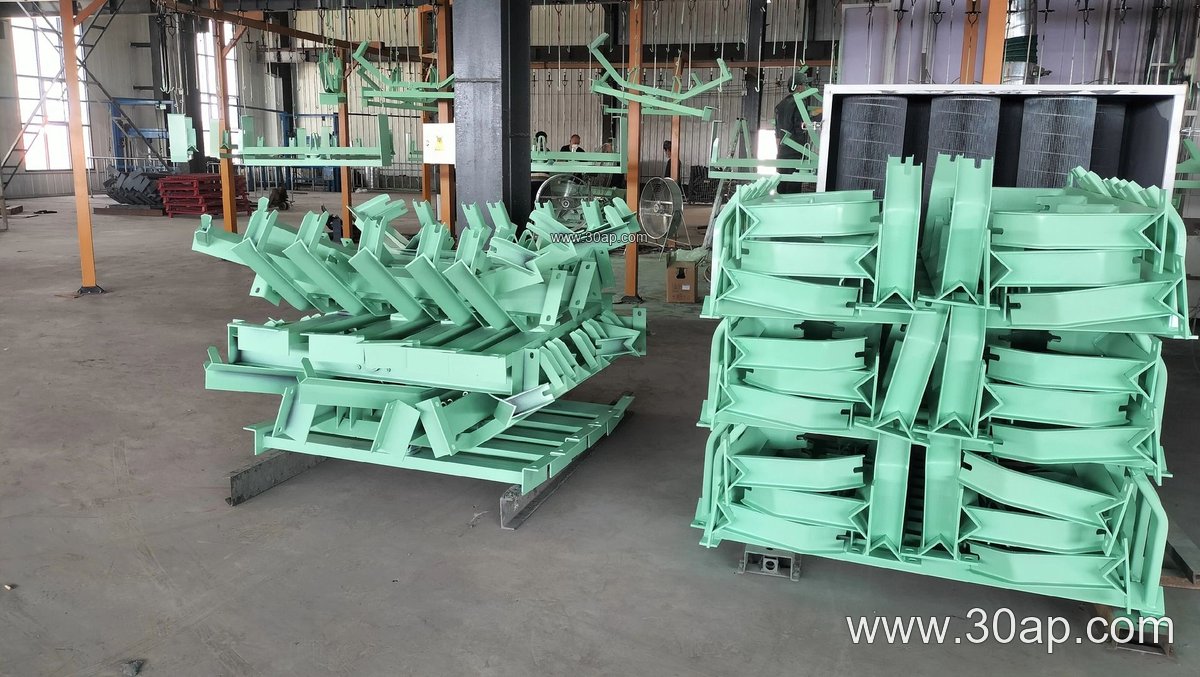
Most fixed brackets are fabricated from angle steel, channel steel, or folded steel plate. The material thickness and surface treatment depend on the duty level and the environment. In a quarry or aggregate line, brackets may be galvanized or painted to resist dust and moisture. In an underground coal mining conveyor system, flame retardant and anti-static properties of nearby components matter, though the bracket itself is typically selected for mechanical strength and corrosion resistance. The bracket geometry usually includes mounting holes that match the conveyor frame, and the crossbeam length varies with belt width and trough angle rather than being a single universal size.
Common Types and Positions
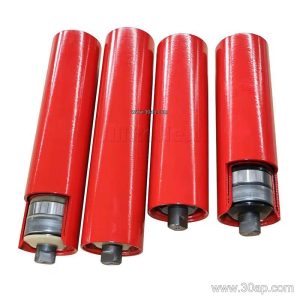
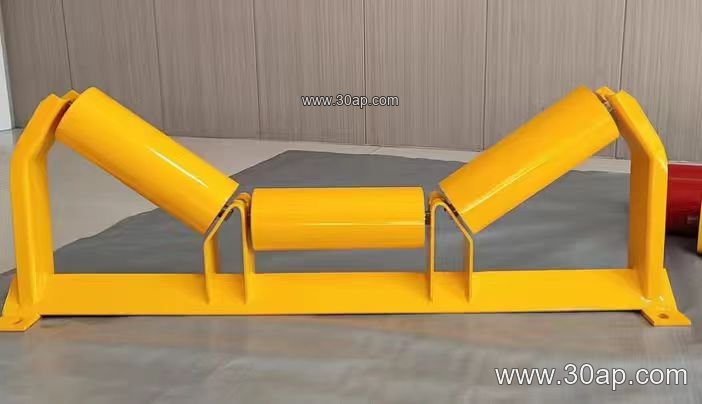
Fixed brackets appear in several positions along a conveyor. Troughing brackets support the carrying side and set the trough angle, while return brackets hold the belt on the return run. Transition brackets are placed near pulleys to guide the belt from a flat to a troughed profile. Impact brackets may be used under loading points to support buffer rollers. The table below lists typical bracket references; actual selection follows the conveyor design rather than a fixed rule.
| Bracket Position | Common Belt Width | Typical Trough Angle | Roller Diameter Reference |
|---|---|---|---|
| Troughing bracket | B500 to B2000 | 20°, 30°, 35°, 45° | Ø89, Ø108, Ø133, Ø159, Ø194 |
| Return bracket | B650 to B1800 | Flat or V-return | Ø89, Ø108, Ø133 |
| Transition bracket | B800 to B1600 | 5° to 20° | Ø108, Ø133, Ø159 |
These values are common references, not mandatory combinations. For example, a B800 belt may run with a 35° trough and Ø108 rollers in one plant, while another design uses a different angle or roller size based on load and speed. The bracket mounting hole spacing and crossbeam length are determined by the belt width and trough angle together.
Where Fixed Brackets Fit in Bulk Handling
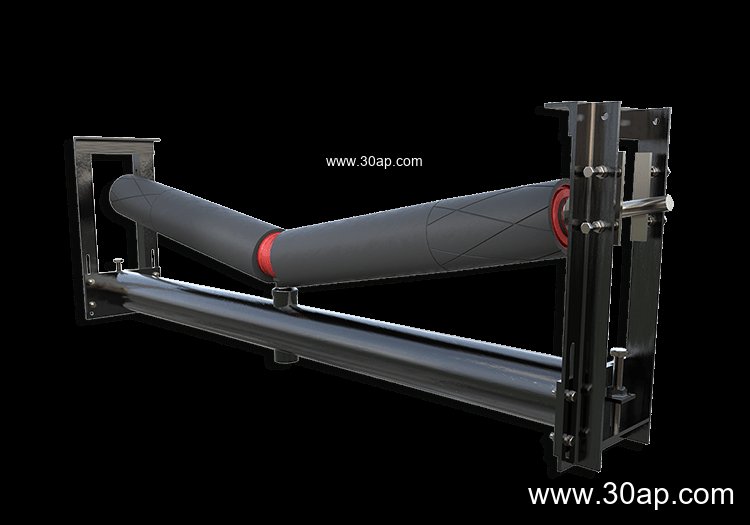
In a limestone mine or stone crushing line, fixed troughing brackets keep the conveyor belt in a stable profile as it carries heavy rock. In a cement plant, they support the belt through transfer points where dust and fines accumulate. Port conveyor systems use fixed brackets on long overland runs where consistent belt alignment reduces maintenance. The bracket does not act alone; it pairs with the idler roller, the conveyor pulley at the drive and tail, and the belt itself. A misaligned bracket can cause belt edge wear, so installation accuracy matters as much as the bracket’s steel grade.
Selection and Maintenance Notes
Buyers should confirm the belt width, trough angle, roller diameter, and frame hole pattern before ordering. A fixed bracket is not a substitute for an adjustable bracket when future angle changes are expected, and it is not interchangeable with a drive pulley or tail pulley. For abrasive duties such as iron ore or copper ore, heavier bracket sections may be specified. In cold climates, material choice should consider low-temperature toughness. Regular checks for loose bolts, bent crossbeams, and corrosion help prevent belt mistracking. When replacing a bracket, match the original mounting dimensions or verify the new part against the conveyor frame drawing.
Related belt specifications such as EP conveyor belt, steel cord conveyor belt, or flame retardant conveyor belt are selected separately from the bracket. The bracket’s job is mechanical support, while the belt handles the material. Keeping that distinction clear helps maintenance teams order the right part for each position on the line.