What a Heavy-Duty Conveyor Idler Actually Does
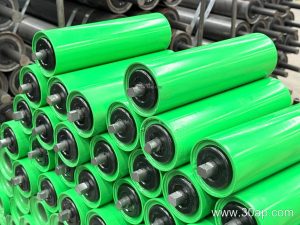
A heavy-duty conveyor idler is the rotating support that carries the loaded belt between the head and tail of a conveyor. In a quarry, a cement plant, or a power plant coal yard, the idler roller is the part that meets the material load, the belt speed, and the dust every hour of the shift. The frame and the conveyor pulley set the line, but the idlers decide how smoothly the belt runs and how long the whole system stays in service.
The duty rating is not a single number. It comes from wall thickness, bearing selection, seal design, and the way the roller is welded and balanced. A heavy-duty conveyor idler is built for wider belts, higher tensions, and abrasive bulk material, so the shell, shaft, and bearing housing are usually more robust than a light-duty roller used on a small package line.
How the Roller Is Built
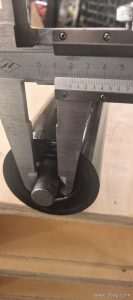
Most heavy-duty rollers use a steel tube shell with machined end caps and a through shaft. The bearing housing is pressed and welded into the tube end, and the shaft passes through both ends. Common bearing sizes include 6205, 6305, 6306, 6308, and 6310, but the bearing is chosen together with the shaft and load, not from belt width alone.
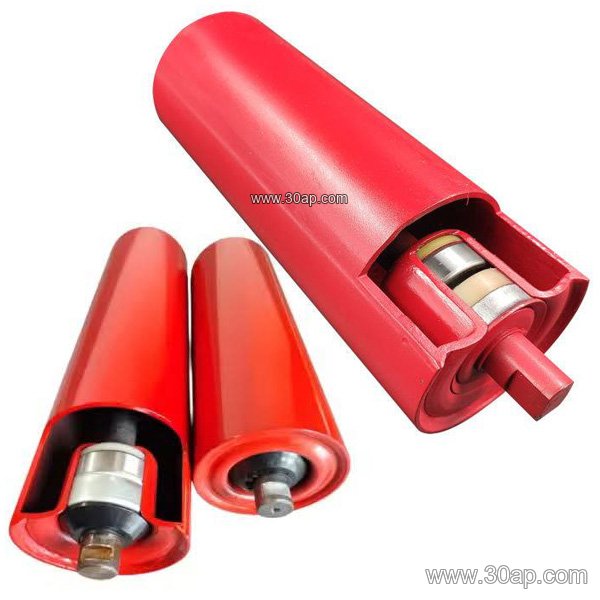
Seals matter as much as steel. In a coal mining conveyor or a limestone crushing circuit, fine dust and water spray attack the bearing cavity. A multi-stage labyrinth seal with a grease barrier is a common answer. Roller surface options include plain steel, nylon, ceramic, and rubber rings, and the choice depends on whether the concern is abrasion, material build-up, or impact.
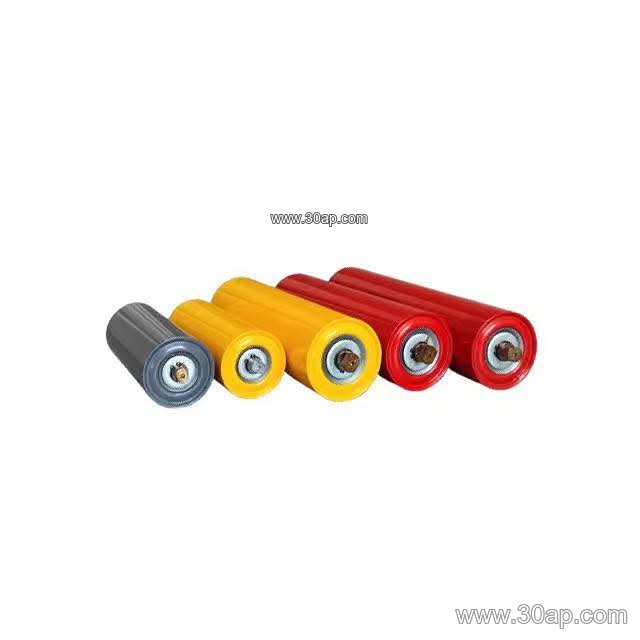
- Shell: steel tube, sometimes with a thicker wall for high load
- Bearing: deep groove ball bearing in a sealed housing
- Seal: labyrinth or contact seal with grease retention
- Surface: steel, nylon, ceramic, or rubber ring
- Shaft: through shaft with flattened ends for the conveyor bracket
Where It Fits on the Conveyor
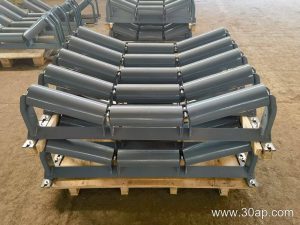
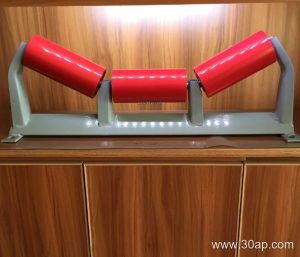
The carry side usually uses three-roll troughing sets to shape the belt into a trough. Common trough angles are 20, 30, 35, and 45 degrees, and the roll length changes with belt width and trough geometry. For example, a three-roll set on a B800 belt often uses rolls around 315 mm long, while a B1200 set may use rolls near 465 mm. These are typical examples, not fixed pairings, and the side rolls can differ from the centre roll.
On the return side, a flat return idler or a V-return roller supports the empty belt. At the load point, impact idlers with rubber rings absorb the drop from a crusher or a transfer chute. A self-aligning idler with a slight forward tilt of about 1.5 to 2 degrees helps keep the belt centred on long runs. Each of these is a different subtype, and none of them replaces a drive pulley or a bend pulley in the conveyor layout.
Applications Across Heavy Industry
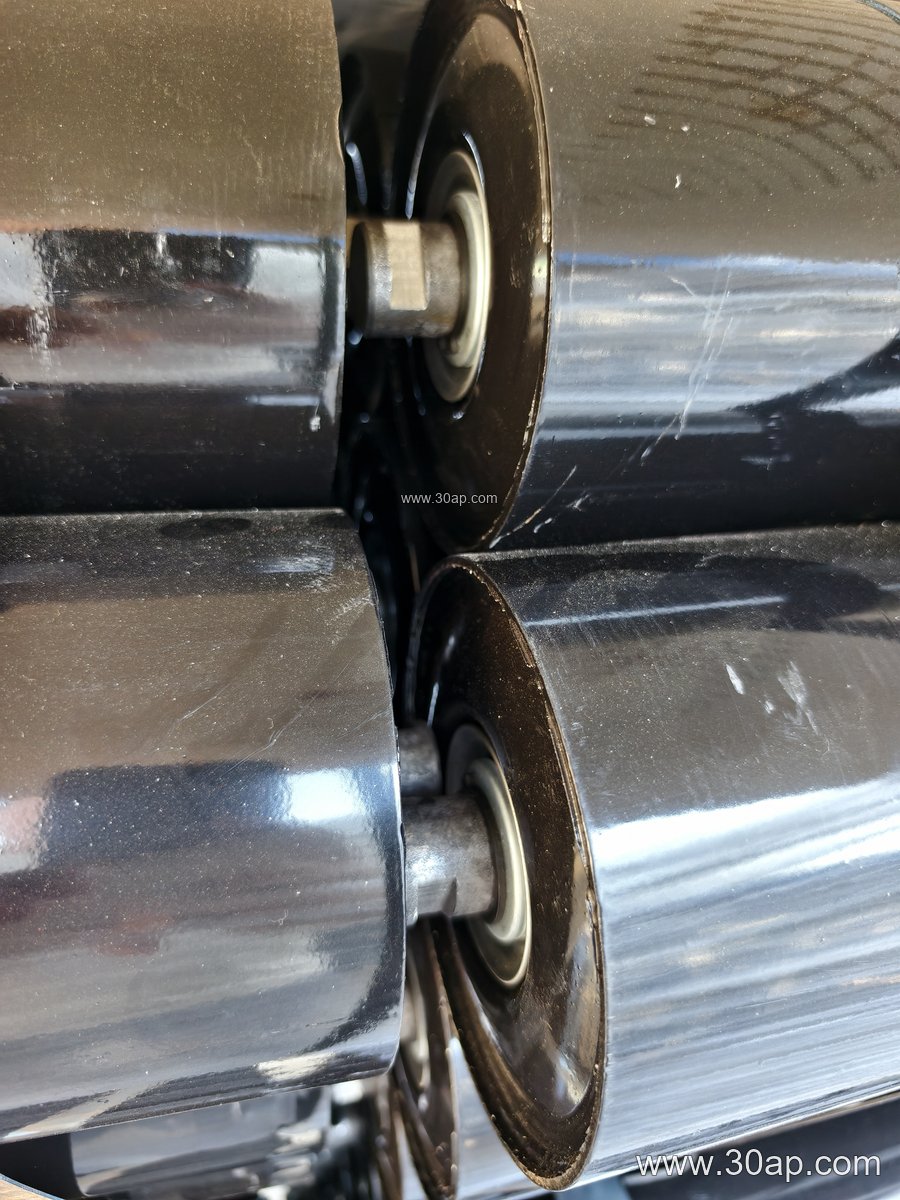
Heavy-duty idlers appear wherever a conveyor belt moves dense or abrasive material. In an iron ore or copper ore handling line, the belt may run at high tension with a steel cord conveyor belt, and the idlers must hold the line without excessive deflection. In a coal preparation plant, flame retardant conveyor belt and anti-static properties are part of the belt specification, while the idlers deal with coal dust and moisture.
In cement plants, limestone and clinker move on abrasion resistant conveyor belt, and the idlers near the crusher discharge see impact. In a power plant coal yard, long overland conveyors rely on aligned troughing sets to reduce belt wander. Ports and ship loading systems use wide belts, and a 1200mm or 1500mm wide conveyor belt needs idlers matched to the frame and load, not chosen by width alone.
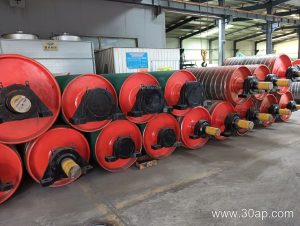
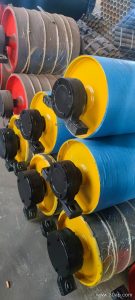
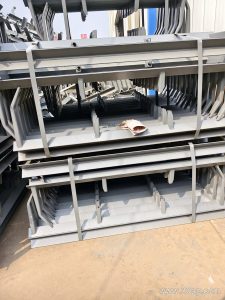
Related equipment such as the conveyor pulley, the conveyor bracket, and the belt itself all interact with the idler. A misaligned bracket or a worn pulley can shorten roller life even when the idler is correctly rated.
What a Buyer Should Check Before Ordering
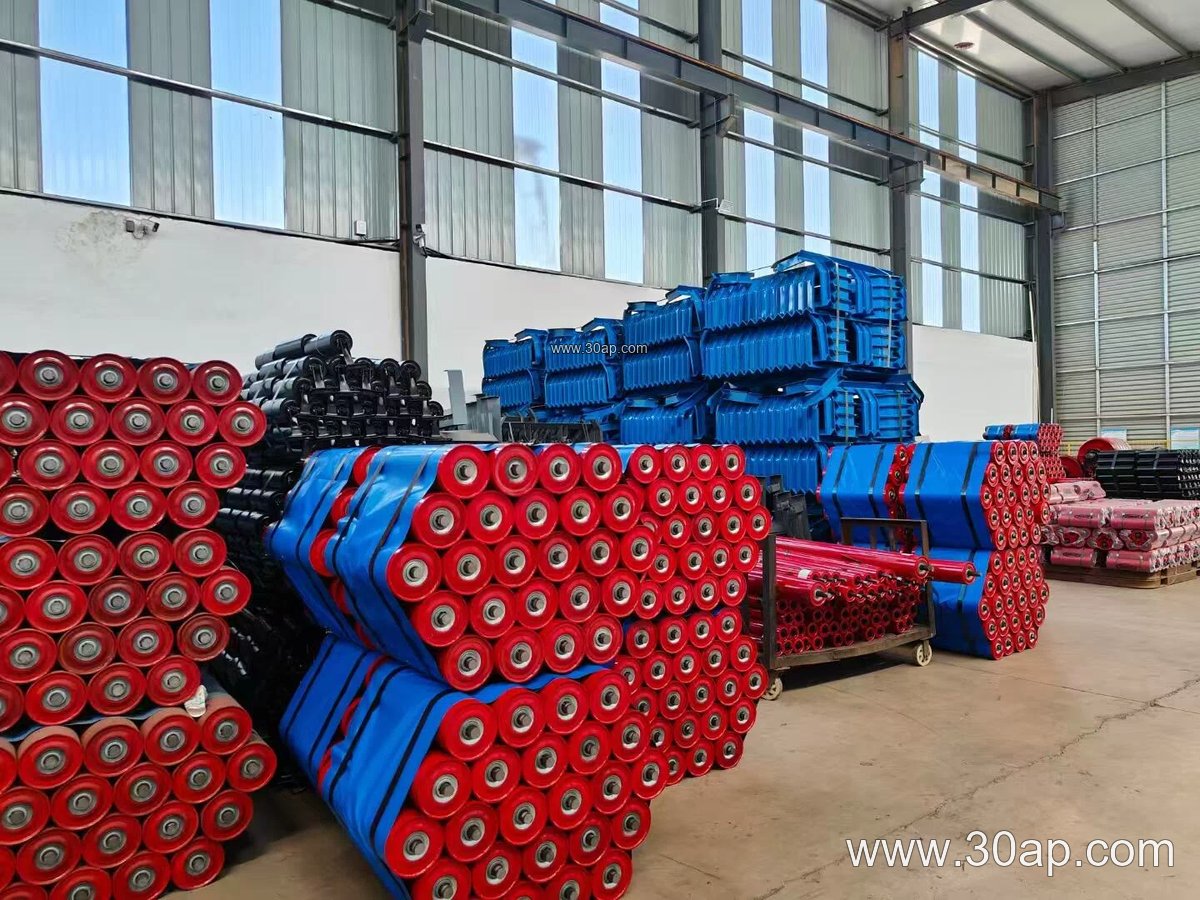
Start with the belt width, the material, the load per metre, and the belt speed. Then confirm the idler diameter, the roll length, the trough angle, and the bearing size. A common diameter range runs from Ø63 up to Ø219 mm, and larger diameters are used where load and speed are higher. Do not assume that one belt width matches one pulley diameter or one shaft size; those values come from the conveyor design.
Ask about seal type, shell thickness, and surface form. In a crushing or screening plant, rubber ring impact idlers at the load zone are often worth the extra cost. On a long overland run, self-aligning idlers reduce edge damage. For maintenance, keep spare rollers, brackets, and bearings on hand, and check alignment after any belt splice.
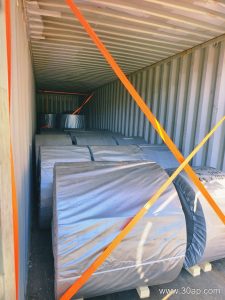
Finally, match the idler to the belt. A heavy-duty mining conveyor belt with a thick cover and high tension needs a roller that can carry the load without flexing. A pipe conveyor belt or a corrugated sidewall belt may need a different support arrangement, so the idler layout should follow the conveyor design rather than a generic list.