What Is an ST2500 Conveyor Belt
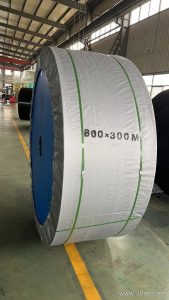
The ST2500 conveyor belt is a steel cord conveyor belt with a nominal tensile strength of 2500 N/mm per unit width. It belongs to the family of steel cord belts, where the load-bearing skeleton is made of high-carbon steel wires embedded in rubber. The designation ST stands for steel cord, and the number indicates the breaking strength of the belt carcass. In practical terms, an ST2500 belt is engineered for extremely demanding conveying duties where fabric belts such as EP or NN nylon belts would reach their limits. You will find this belt in open-pit mines, underground coal mines, cement plants, power stations, and large sand and gravel yards where high tonnage and long conveying distances are normal.
Construction and Key Components
A steel cord conveyor belt is built around a single layer of steel cords arranged longitudinally. These cords are sandwiched between top and bottom cover rubber compounds. The covers protect the cords from impact, abrasion, and environmental attack. For the ST2500 grade, the cover rubber is typically selected according to the application: wear-resistant for ore and rock, heat-resistant for clinker and sinter, oil-resistant for certain industrial feeds, or flame-retardant and anti-static for underground coal service.
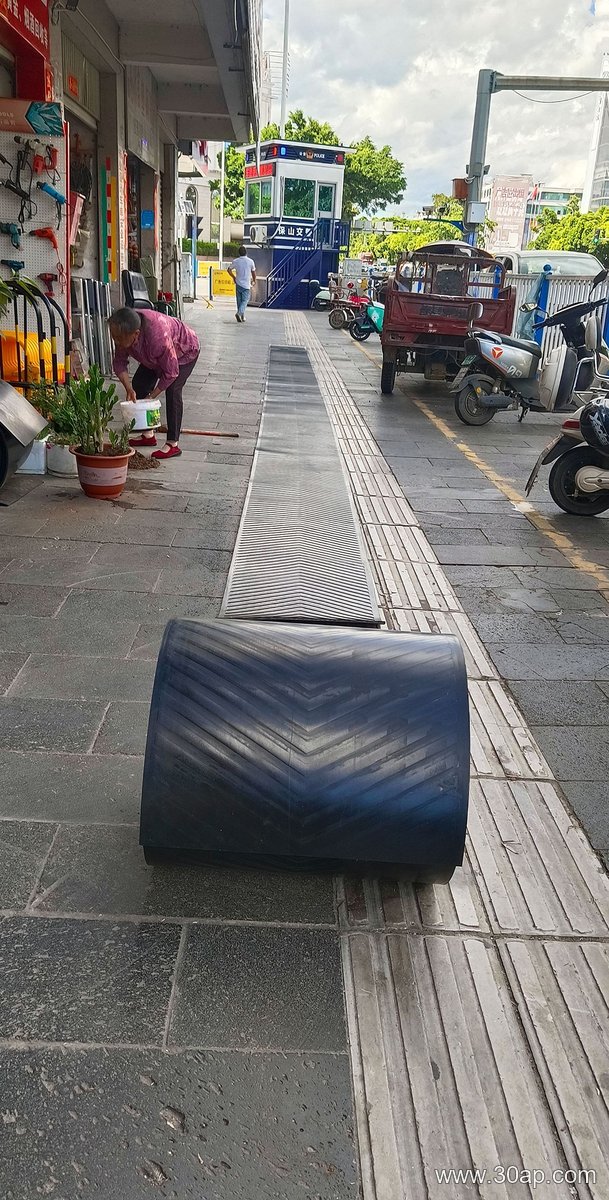
Cover thickness is often expressed as top cover plus bottom cover, for example 6+2 mm, 8+3 mm, or similar combinations. The steel cord layer itself is not measured in plies like fabric belts; instead, the cord diameter and pitch determine the belt’s strength and fatigue life. Belt widths for this class commonly range from B800 to B2000, with B1200, B1400, and B1600 being frequent choices in heavy-duty bulk handling. The correct width and strength combination is always matched to the conveyor design, not chosen in isolation.
Where ST2500 Belts Are Used
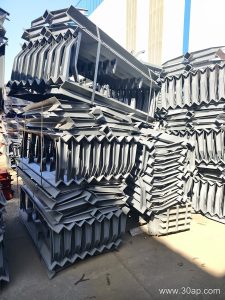
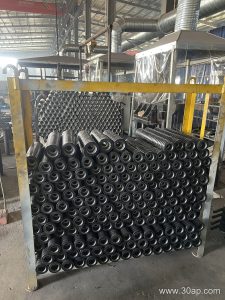
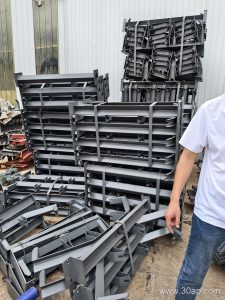
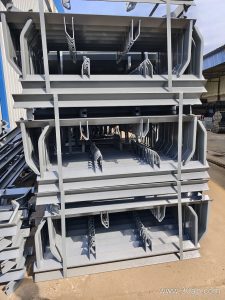
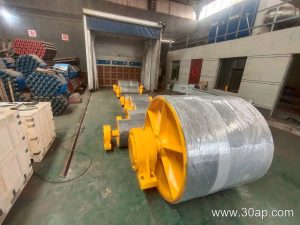
Steel cord belts are preferred when a single flight must cover a long distance or lift material to a significant height. A typical installation includes a drive pulley, a tail pulley, bend pulleys, and a series of idler rollers that support the belt along its path. The conveyor bracket and frame hold these components in alignment. The ST2500 grade appears in main haulage lines at mines, raw material transport in cement works, coal handling in power plants, and large-scale aggregate operations.
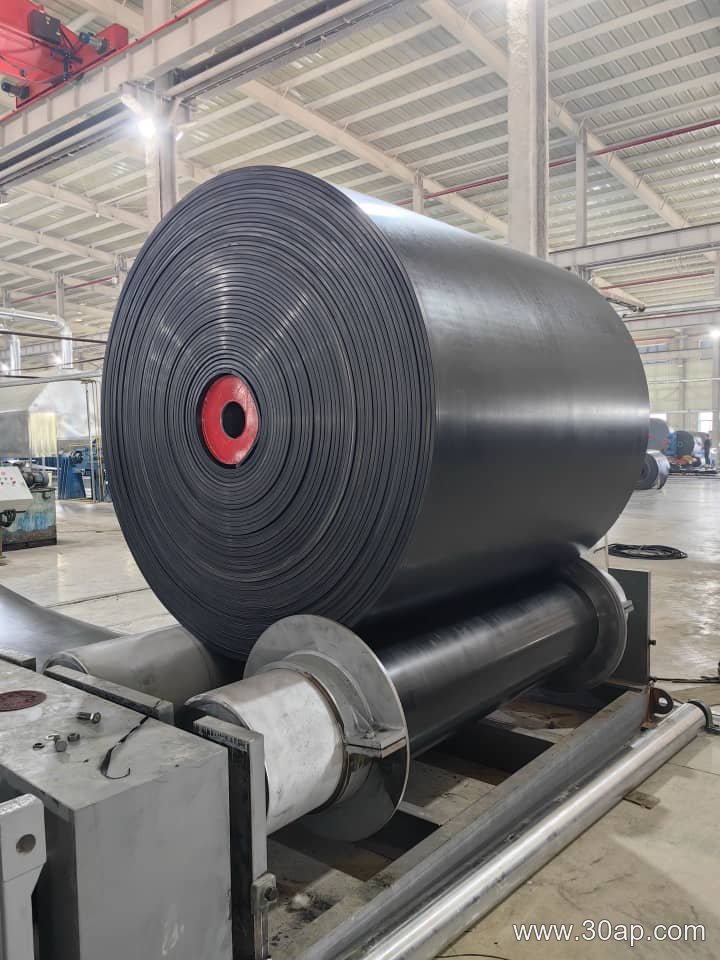
Because the belt carries the entire production flow, its reliability affects the whole plant. A failure can stop crushing, screening, or ship loading. This is why steel cord belts are inspected regularly for cord exposure, cover wear, edge damage, and splice condition. The splice, whether vulcanized or mechanical, is often the most critical point in the entire belt loop.
Specifications and Selection Factors
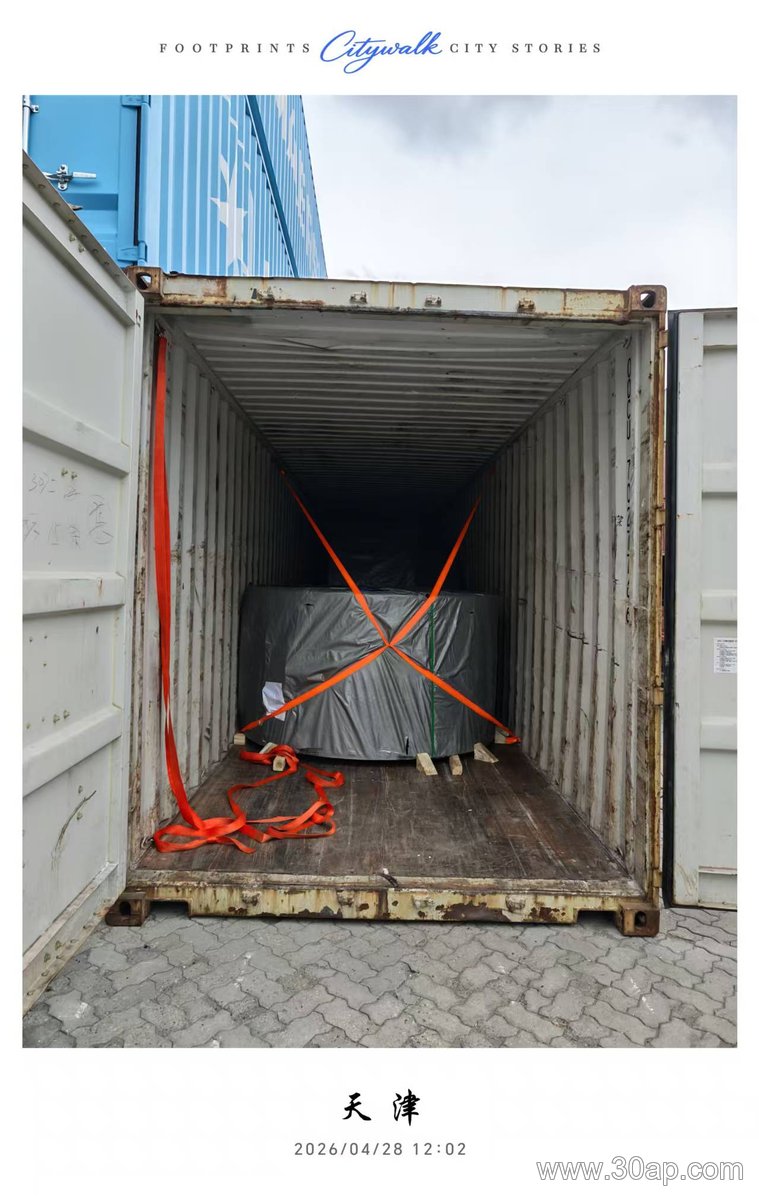
When specifying an ST2500 conveyor belt, buyers should confirm the belt width, cover thickness, cover grade, cord construction, and splice method. The table below shows common reference values, but actual supply depends on the manufacturer and the conveyor design.
| Parameter | Common Reference |
|---|---|
| Belt type | Steel cord conveyor belt (ST2500) |
| Nominal strength | 2500 N/mm |
| Belt width | B800, B1000, B1200, B1400, B1600, B1800, B2000 |
| Cover thickness | 6+2 mm, 8+3 mm, or as required |
| Cover grade | Wear-resistant, heat-resistant, flame-retardant, anti-static, oil-resistant, cold-resistant |
| Applications | Mines, coal, cement, power, sand and gravel |
Do not assume that one belt width automatically fixes the pulley diameter or shaft size. Those values come from the conveyor’s tension, speed, and pulley load calculations. A larger pulley may be needed for a narrower belt if the duty is severe, and vice versa.
Buyer Checklist and Maintenance Notes
Before ordering, gather the following information:
- Required belt strength and width
- Top and bottom cover thickness and rubber grade
- Maximum lump size and material temperature
- Conveyor length, incline, and capacity
- Pulley diameters and idler roller spacing
- Splice preference and available equipment
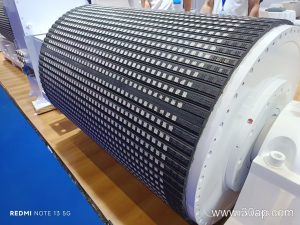
During operation, keep the belt centered, avoid overloading the edges, and maintain idler rollers so they turn freely. Worn rollers can damage the belt cover and increase power demand. Inspect bend pulleys and the drive pulley for rubber lagging wear. A well-maintained ST2500 belt can serve for many years in harsh mining, cement, or power plant conditions, but it must be matched correctly to the conveyor system from the start.