What a Conveyor Carrying Bracket Does
A conveyor carrying bracket is the structural support that holds the idler rollers in the correct position under the loaded side of a conveyor belt. On a troughing conveyor, this component is often called a troughing idler bracket or carrying idler frame, and it is the part that sets the trough angle and keeps the belt profile stable between the head and tail pulleys. Getting the bracket right matters because it directly affects belt tracking, roller life and the amount of spillage at transfer points in quarries, coal preparation plants and cement lines.
The bracket does not move material itself. It positions the idler roller so the conveyor belt forms a smooth trough, and it transfers the load from the rollers into the conveyor frame. A poorly aligned or undersized bracket shows up quickly as edge wear, belt wander and premature roller failure.
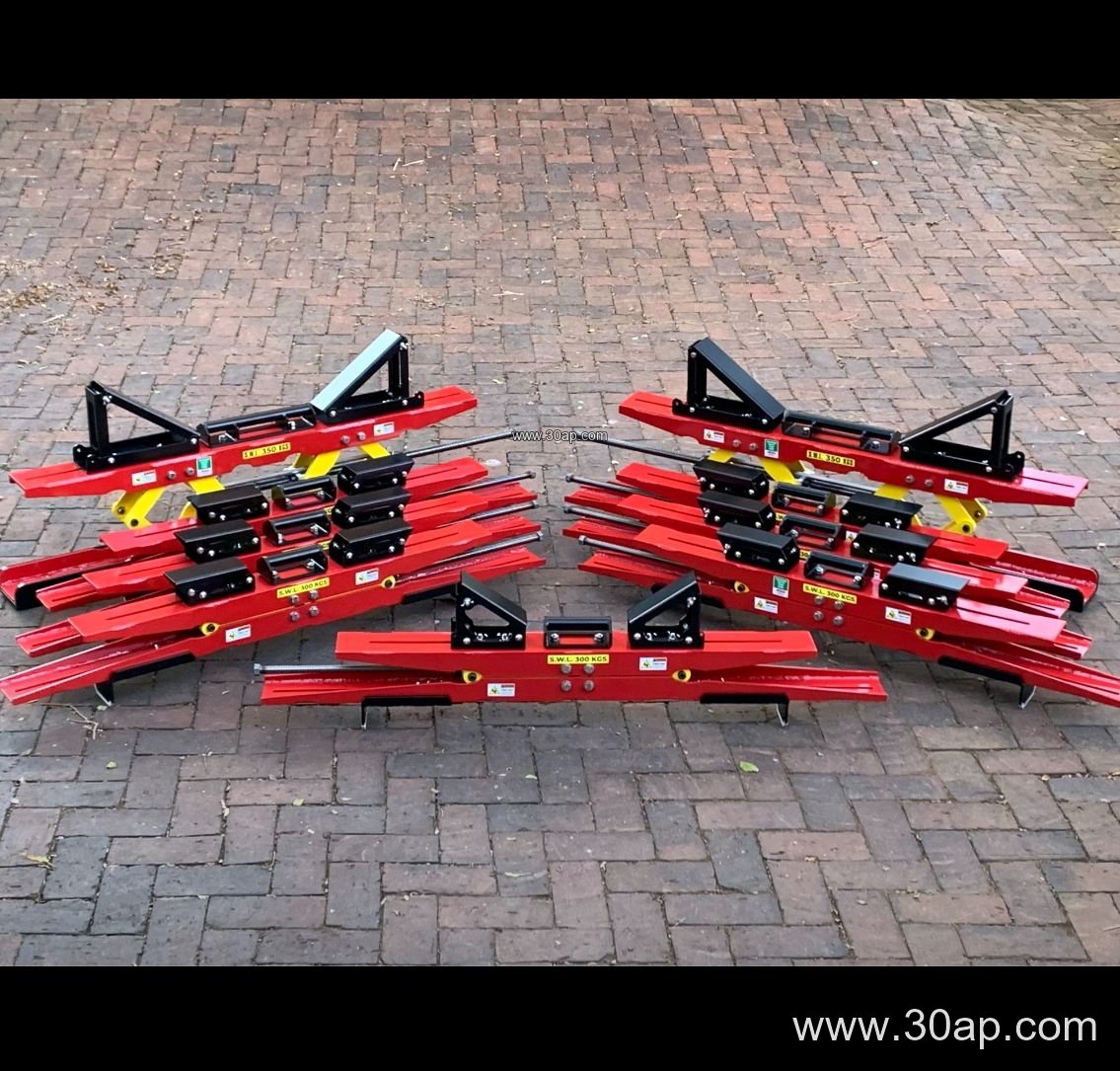
Construction and Mounting Positions
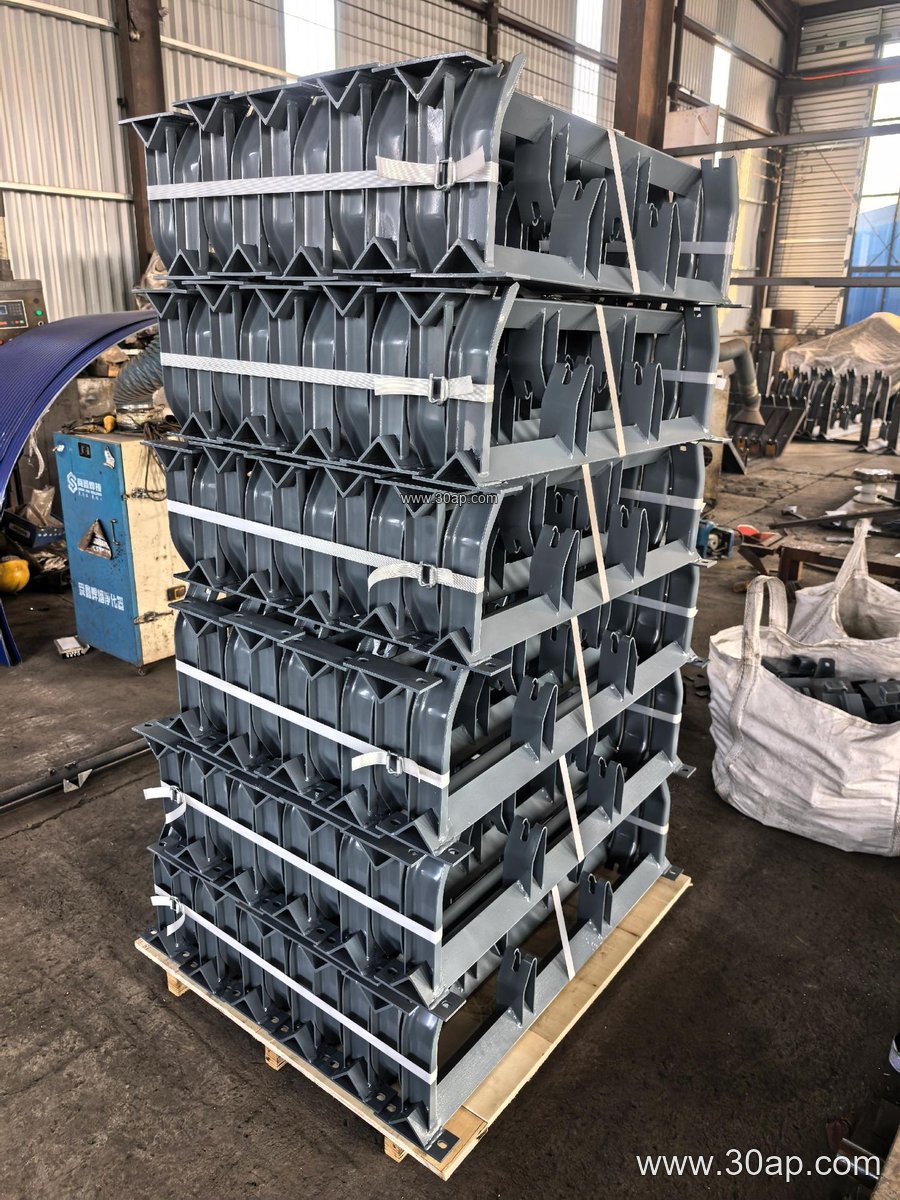
Most carrying brackets are fabricated from angle steel, channel steel or folded steel plate. The common forms include fixed troughing brackets, adjustable brackets, transition brackets, impact brackets under loading zones and V-shaped return brackets on the lower run. Adjustable designs allow the trough angle to be set between common values such as 20, 30, 35 and 45 degrees, which helps when a conveyor is reused or when material characteristics change.
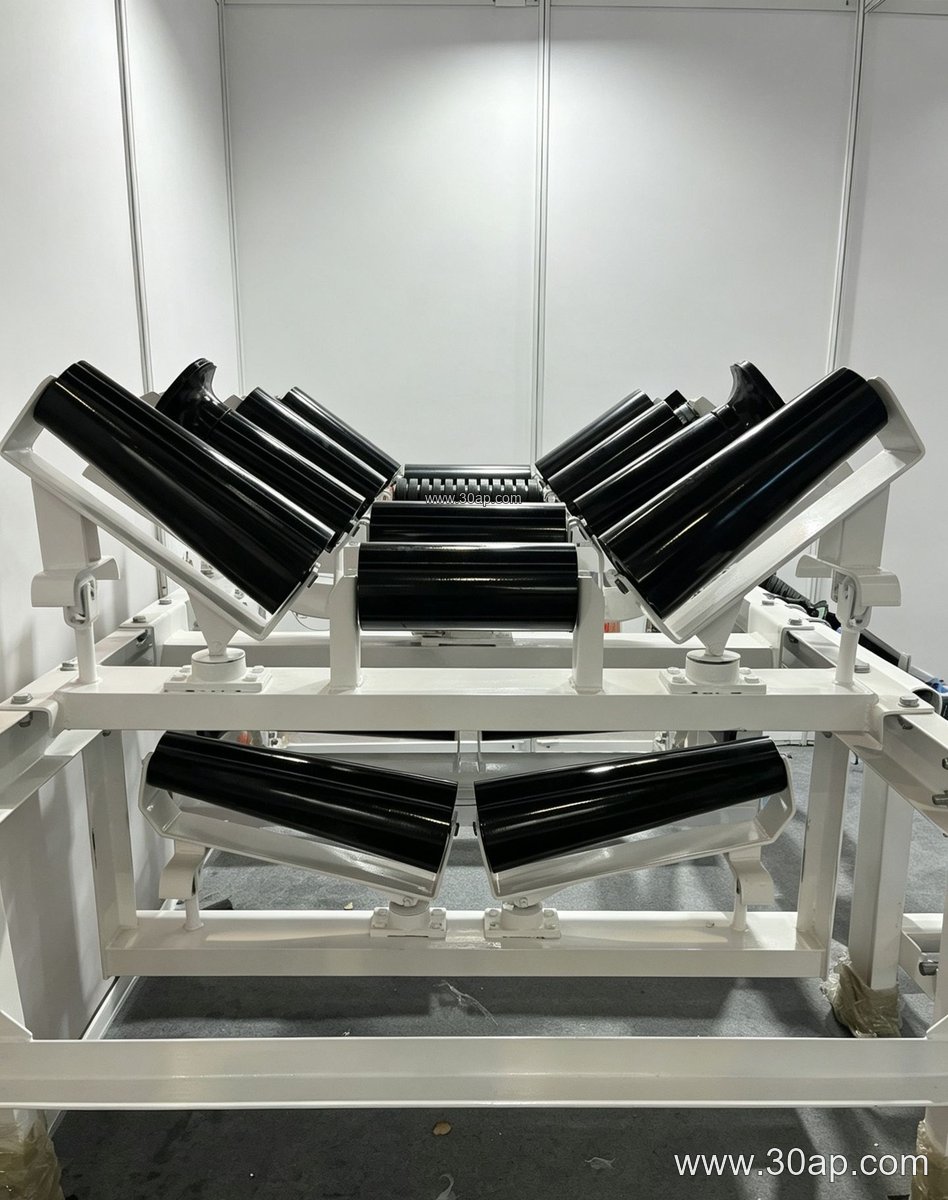
Forward-leaning brackets, usually set at about 1.5 to 2 degrees of lead, are used to encourage the belt to centre itself. Mounting hole spacing and crossbeam length are not universal; they follow the belt width, the trough angle and the roller diameter selected for the project, so a bracket drawing should always be matched to the actual idler frame.
Matching Belt Width, Trough Angle and Roller Diameter
Buyers frequently ask which bracket suits a given belt. The honest answer is that several combinations work, and the choice depends on load, speed and material lump size. Some typical reference combinations are shown below. These are common examples, not mandatory pairings.
- B650 with 30 degree trough and Ø89 rollers for light aggregate duty
- B800 with 35 degree trough and Ø108 rollers for general quarry conveying
- B1000 with 35 degree trough and Ø133 rollers for cement plant raw material lines
- B1200 with 45 degree trough and Ø133 or Ø159 rollers for high-capacity coal handling
- B1400 to B1800 with 35 to 45 degree troughs and Ø159 or Ø194 rollers for heavy iron ore and port systems
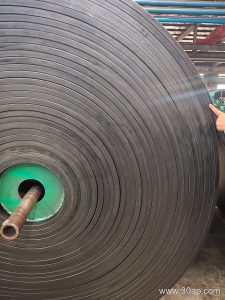
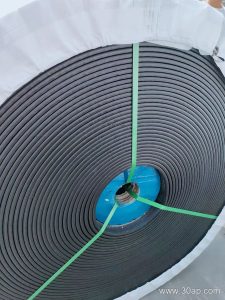
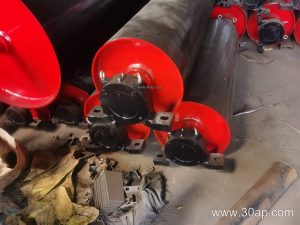
A wider belt is not tied to a single trough angle or roller size. The bracket, roller and belt should be selected together, and the conveyor pulley and idler roller supplier should confirm the frame dimensions before fabrication. Where a steel cord conveyor belt or a thick heavy-duty belt is used, the transition bracket spacing deserves extra attention so the belt is not over-stressed as it opens from the trough to the flat pulley.
Where These Brackets Are Used
Carrying brackets appear wherever bulk material travels on a troughed belt. In a limestone quarry they support crusher discharge belts; in a coal washing plant they carry feed to screens; in a power plant coal yard they sit under long overland runs; in a cement plant they handle clinker and raw meal. The same bracket family also serves sand and gravel lines, fertilizer handling and grain silos.
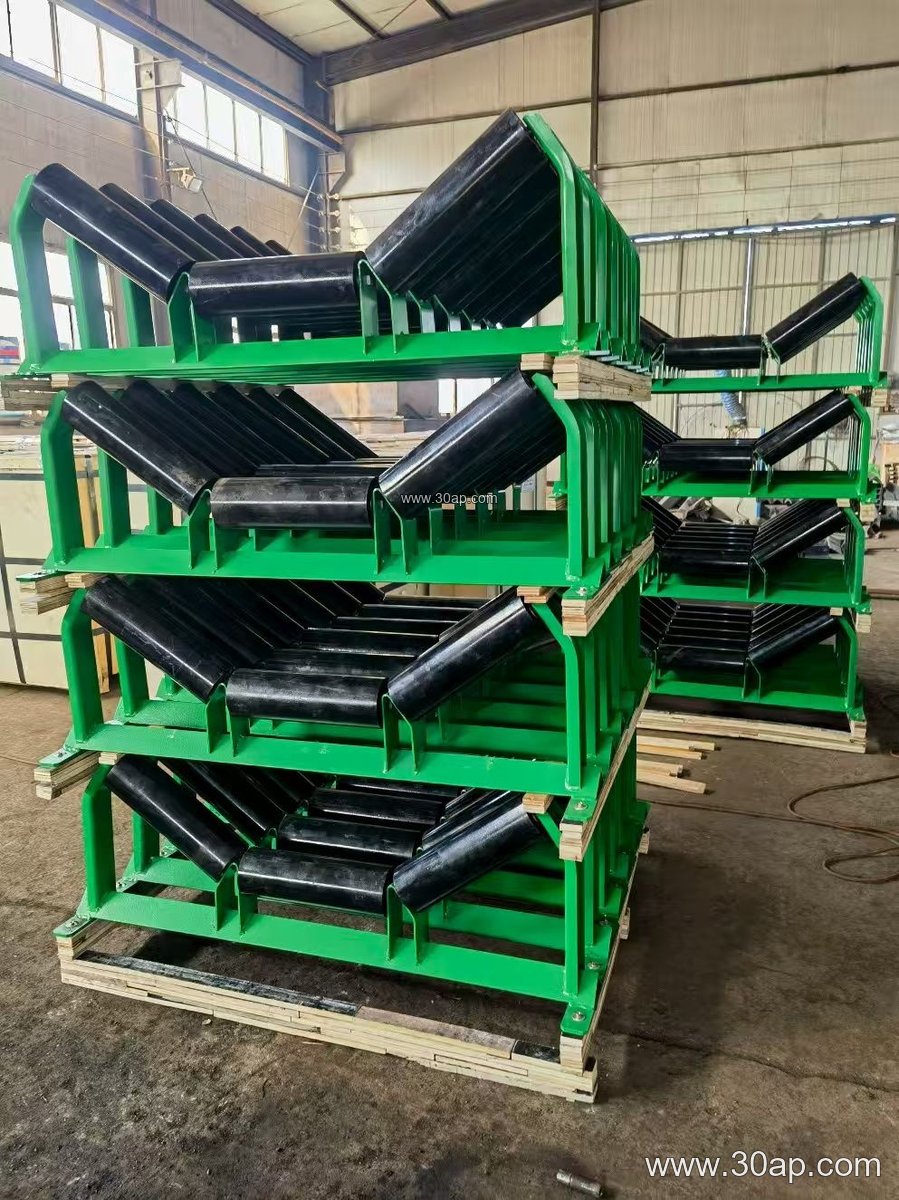
In dusty or wet conditions, brackets should drain freely and be galvanised or painted to resist corrosion. In loading zones, impact brackets with resilient rollers reduce shock on the frame. On the return side, V-return brackets keep the belt from sagging and help shed carryback.
Selection and Maintenance Notes
Check that the bracket height matches the roller diameter, that the trough angle suits the material’s angle of repose, and that the frame can accept the chosen idler roller bearing housing. During service, inspect for bent crossbeams, loose bolts and worn mounting slots. Replacing a single distorted bracket early is cheaper than replacing a section of conveyor belt later. For full system advice on belts, rollers, pulleys and frames, visit conveyoraccessories.com and review the bracket drawings against your actual conveyor layout.