What Is a Fabric Core Conveyor Belt
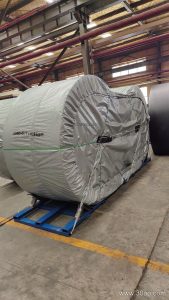
A fabric core conveyor belt is a rubber belt whose load-bearing skeleton is made from woven textile plies rather than steel cords. This construction gives the belt a balance of strength, flexibility, and resistance to repeated flexing around pulleys. In industrial plants, the fabric core conveyor belt is often the default choice for moving bulk materials over moderate to long distances, especially where a steel cord belt would be unnecessarily stiff or costly.
The same product is also called a textile conveyor belt or a fabric-reinforced belt. Among the common variants, EP conveyor belt (polyester fabric) and NN conveyor belt (nylon fabric) are the two main families. EP fabric offers low elongation and good dimensional stability, while NN fabric provides high elasticity and excellent resistance to impact. Both are widely used in mining, cement, power plants, and sand and gravel yards.
How the Belt Is Built
A typical fabric core conveyor belt consists of three main elements:
- Top and bottom cover rubber: protects the carcass from abrasion, moisture, and material impact. Common cover thicknesses include 3+1.5 mm, 4+2 mm, 5+2 mm, 6+2 mm, and 8+3 mm.
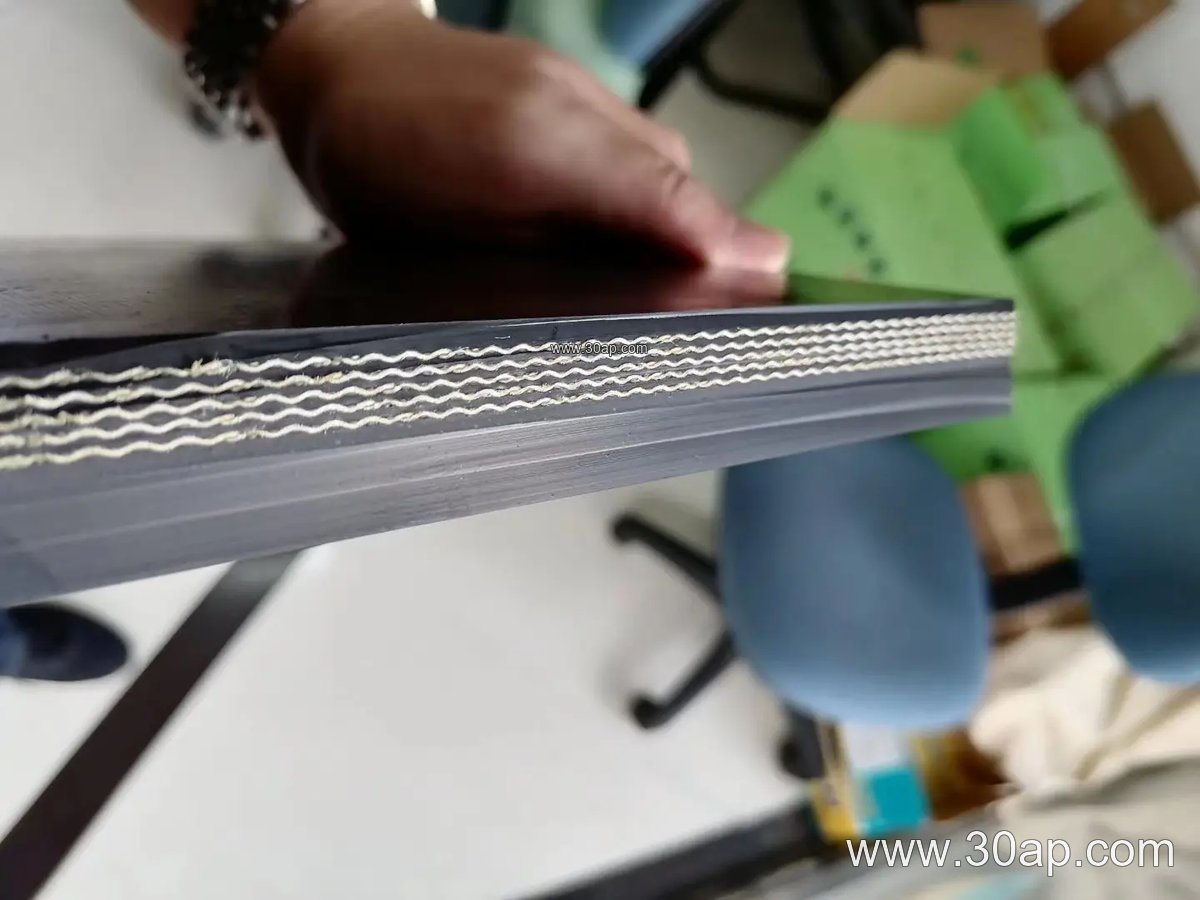
- Fabric plies: usually 2 to 6 layers of EP or NN fabric, bonded with rubber skim compound. Ply count and fabric type determine the belt’s tensile strength.
- Edge protection: cut edges or molded edges help resist fraying and moisture ingress.
The carcass is vulcanized into a single body under heat and pressure. The result is a belt that can flex repeatedly around drive pulleys, tail pulleys, and bend pulleys without delamination. It also tolerates the small misalignments that occur in real conveyor systems.
Common Specifications and Strength Grades
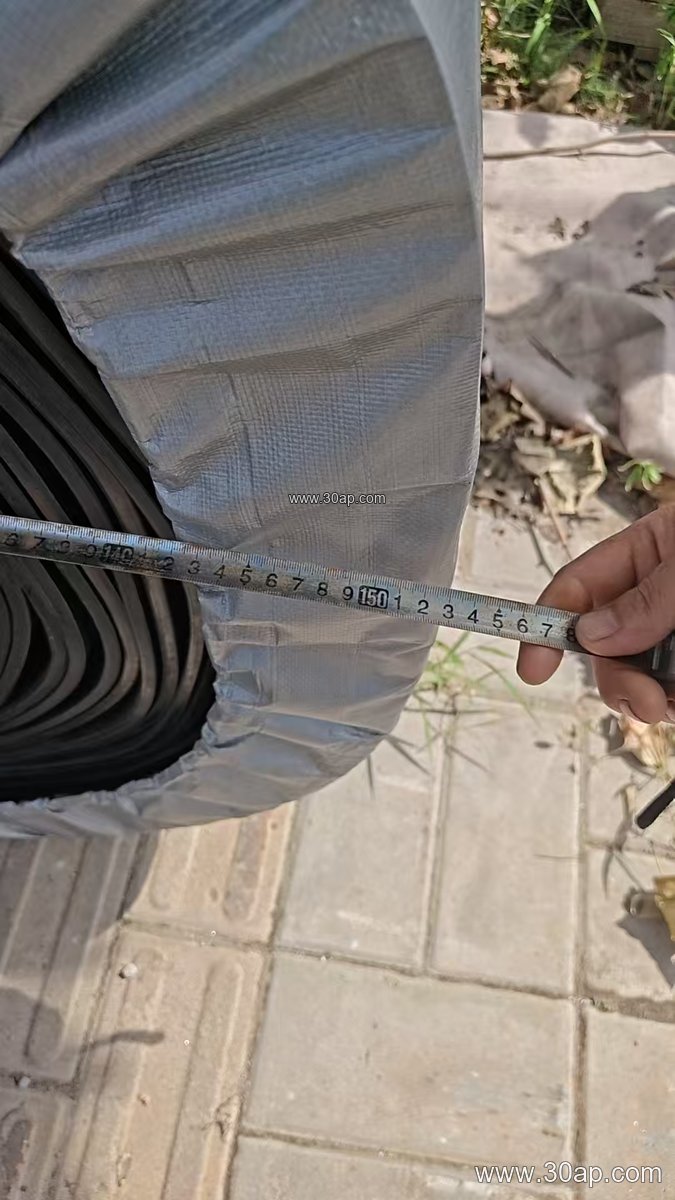
Fabric core conveyor belts are specified by fabric type, strength grade, width, and cover thickness. The table below shows typical reference values; actual supply depends on the manufacturer and the application.
| Parameter | Common Reference Values |
|---|---|
| Fabric type | EP (polyester), NN (nylon) |
| Strength grade | EP200, EP315, EP400, EP500, EP630, EP800, EP1000, EP1250, EP1600, EP2000; NN100 to NN400 |
| Belt width | B500, B650, B800, B1000, B1200, B1400, B1600, B1800, B2000 |
| Cover thickness | 3+1.5, 4+2, 5+2, 6+2, 8+3 mm |
| Number of plies | Usually 2 to 6 |
For example, an EP1000 belt with a width of 1200 mm and 6+2 mm covers might be used on a primary crusher discharge conveyor in a quarry, while an NN200 belt at 800 mm width could serve a cement plant clinker line. These are illustrative combinations, not fixed rules. Belt width and pulley diameter are selected together based on tension, load, and space, not by a simple one-to-one match.
Where Fabric Core Belts Are Used
These belts appear across many industries because they handle abrasive, wet, or hot materials without the stiffness of steel cord construction. Typical applications include:
- Mining and coal: underground mining conveyor belt and coal mining conveyor belt systems often use flame retardant and anti-static fabric belts for safety.
- Cement and aggregate: cement plant conveyor belts and quarry conveyor belts move limestone, clinker, and crushed stone.
- Power plants: coal handling and ash transport lines rely on abrasion resistant conveyor belts.
- Ports and bulk terminals: ship loading and stockyard conveyors use wide fabric belts for high-volume flow.
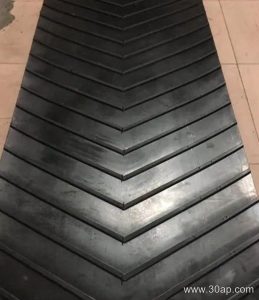
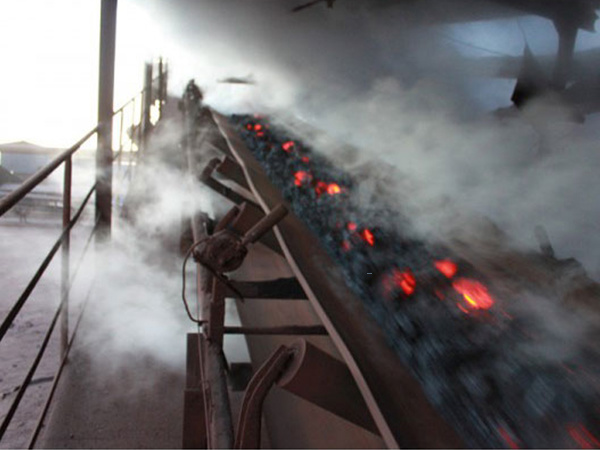
Specialty versions are chosen for difficult conditions: heat resistant conveyor belt for sinter or clinker, oil resistant conveyor belt for oily scrap or grain, cold resistant conveyor belt for freezing climates, and chevron conveyor belt or corrugated sidewall conveyor belt for steep inclines. A pipe conveyor belt may be used where dust control and route flexibility matter, but it is a distinct design and not a substitute for a standard fabric core belt.
Selection and Maintenance Notes for Buyers
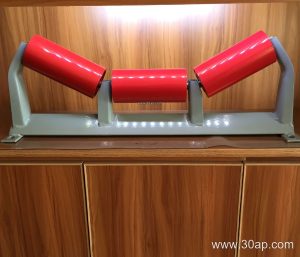
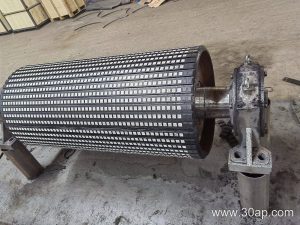
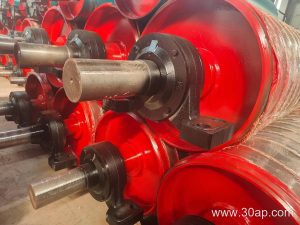
When specifying a fabric core conveyor belt, start with the material type, lump size, and operating temperature. Then confirm the required tensile strength, belt width, and cover grade. For abrasive rock, a high abrasion resistant cover is usually worth the extra cost. For underground coal, flame retardant and anti-static properties are essential. Check that the conveyor pulley diameters, idler roller spacing, and conveyor bracket layout suit the belt’s flexibility and ply count.
During operation, keep the belt tracking straight and avoid material buildup on the tail pulley and bend pulleys. Inspect splice joints and edges regularly. A well-matched fabric core belt, combined with proper idler roller and conveyor pulley maintenance, can deliver long service life in demanding bulk material handling environments.