What a 1500mm Conveyor Belt Actually Means
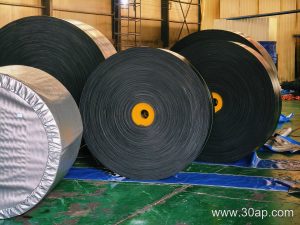
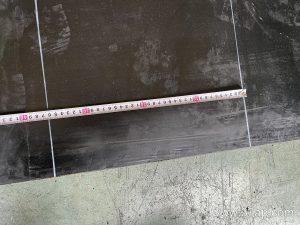
A 1500mm conveyor belt is a wide-format belt with a nominal width of 1500 millimetres. It sits between the common B1400 and B1600 sizes and is often chosen when a single stream must carry a high volume without making the conveyor structure excessively wide. This width is a practical option for primary and secondary haulage, where lump size, tonnage and belt speed all interact.
Width alone does not define the belt. A buyer should also specify the carcass type, tensile strength, cover grade and cover thickness. For example, an EP conveyor belt with EP630 or EP800 strength is a frequent choice for general bulk handling, while a steel cord belt may be needed for very long overland flights. The 1500mm figure is simply the starting point for matching the belt to the idler roller, conveyor pulley and conveyor bracket that support it.
How the Belt Is Built
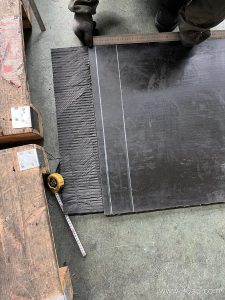
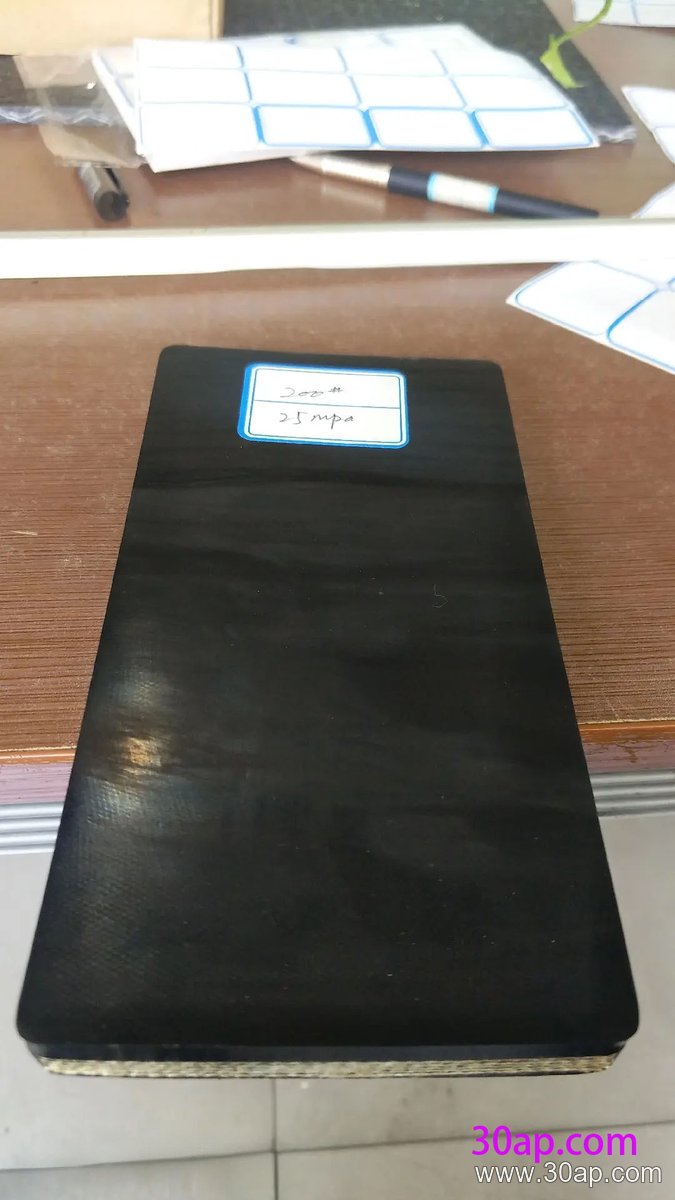
Most 1500mm wide belts are built around a fabric or steel cord carcass. EP (polyester warp, nylon weft) and NN nylon are common fabric cores. The carcass provides tensile strength and resistance to impact, while the rubber covers protect the load-carrying side and the pulley side. Typical cover thicknesses include 4+2 mm, 5+2 mm, 6+2 mm and 8+3 mm. The first number is the top cover, the second is the bottom cover.
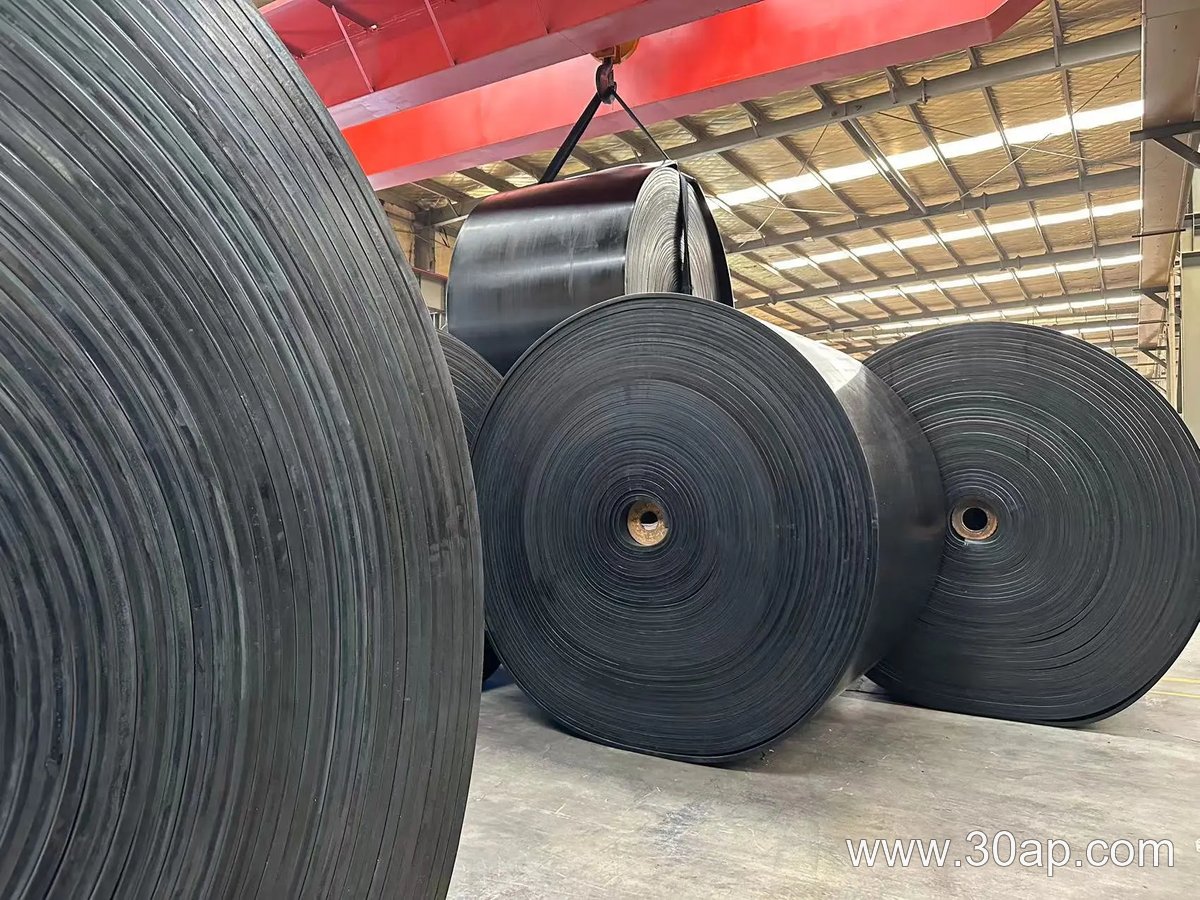
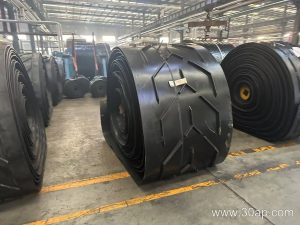
For a 1500mm belt, the carcass may have two to six plies depending on the duty. A heavy-duty mining conveyor belt used in primary crushing circuits often carries a thicker top cover and a stronger carcass to survive sharp rock and repeated impact. In dusty or explosive atmospheres, an anti-static conveyor belt is selected to dissipate static charge and reduce ignition risk. Where the conveyor climbs a steep incline, a patterned or chevron surface can help hold the material.
Where 1500mm Belts Are Used
This width appears in many bulk material handling systems. Common applications include coal preparation plants, iron ore stockyards, cement clinker lines, port loading terminals and large quarries. A 1500mm belt can also be found in aggregate washing plants and in some fertilizer or grain terminals where high capacity is required.
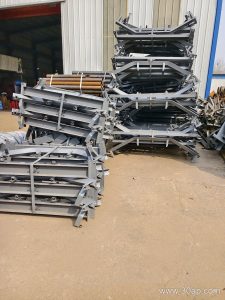
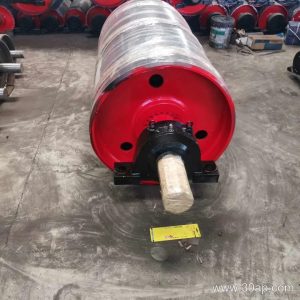
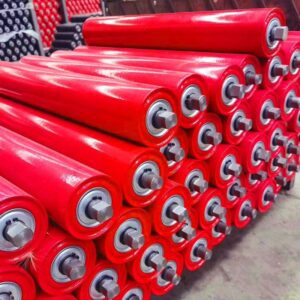
The belt works with a set of supporting components. Troughed idler rollers form the belt into a trough, return rollers support the empty side, and a conveyor pulley drives or redirects the belt. A conveyor bracket holds the idlers at the correct angle. For a 1500mm belt, the trough angle is often 30 or 35 degrees, though 45 degrees is used where the material must be contained more tightly. The pulley diameter is not fixed by the belt width; it is chosen from the required tension, belt stiffness and shaft load. A common combination might be B1200 × Ø1000, but a 1500mm belt could run with a Ø800, Ø1000 or Ø1250 pulley depending on the drive design.
Choosing the Right Belt for the Duty
Start with the material. Is it abrasive, hot, oily or fine? A耐磨 (wear-resistant) cover suits sharp aggregate. A heat-resistant belt is needed for clinker or sinter. An oil-resistant grade helps in recycling or metal processing. If the conveyor operates outdoors in a cold climate, a耐寒 (cold-resistant) compound may be specified.
Next, calculate the required tensile strength. The belt must carry its own weight plus the material load, and it must handle starting and stopping tensions. A simple check for power demand can be written as P = (qb + qm) x g x L / 2, where qb and qm are belt and material mass per metre, g is gravity and L is length. The result is only a first estimate; the final drive and belt class are set by the conveyor designer.
For high-tension applications such as long overland conveyors or steep lifts, the ST3150 conveyor belt is used in heavy mining and long-distance haulage. Its steel cord carcass provides very high tensile strength with low stretch, which is important when the take-up travel is limited.
What Buyers Should Check
- Width and edge condition: Confirm the belt is a true 1500mm and that the edges are straight and sealed. A poorly cut edge can fray and cause mistracking.
- Carcass type and strength: EP, NN or steel cord. For a 1500mm belt, EP500 to EP1000 and steel cord classes are common, but the final choice depends on the duty.
- Cover grade and thickness: Match the cover to the material. A 5+2 mm cover is a general-purpose option, while 8+3 mm is used in severe abrasion.
- Pulley and idler compatibility: The conveyor pulley diameter, idler roller diameter and conveyor bracket spacing must suit the belt tension and trough shape. Do not assume one belt width matches one pulley diameter.
- Splice method: Vulcanized splices are preferred for high-tension belts. Mechanical fasteners may be used for lower-duty or temporary repairs.
- Environmental factors: Temperature, dust, oil and static electricity all influence the rubber compound and the need for an anti-static or flame-resistant grade.
Installation and Maintenance Notes
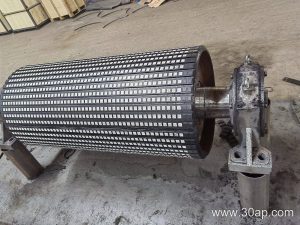
Correct alignment is critical for a 1500mm belt. The idlers and pulleys should be square to the conveyor centreline, and the take-up should have enough travel to compensate for belt stretch. During operation, inspect the belt surface for cuts, gouges and cover wear. Check the idler rollers for seizure and the pulley lagging for wear. A rubber-lagged pulley improves grip and reduces slip, especially in wet conditions. If the belt mistracks, look first at the loading point, the idler alignment and the pulley level.
Store spare belts in a dry, shaded place. Avoid tight coils that can crease the carcass. When joining a new 1500mm belt to an existing one, match the carcass type, strength and cover thickness as closely as possible. A mismatch can cause uneven stretch and premature splice failure.
Summary of Practical Options
A 1500mm conveyor belt is a versatile width for medium to high capacity systems. Common configurations include EP or NN fabric carcass with EP400 to EP1000 strength, or steel cord for longer flights. Cover thicknesses from 4+2 mm to 8+3 mm cover most duties. The belt works with troughed idler rollers, return rollers, a drive or tail pulley, and adjustable brackets. For dusty or hazardous areas, specify an anti-static grade. For steep inclines, consider a patterned surface. The final selection should always be based on the actual load, speed, pulley diameter and environmental conditions, not on width alone.