What a Wear-Resistant Mining Idler Does on the Line
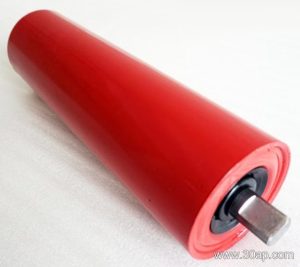
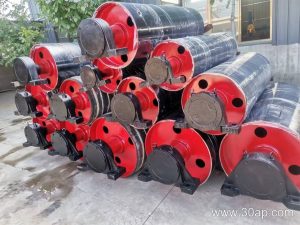
A wear-resistant mining idler is the load-bearing roller that keeps a conveyor belt moving through abrasive, dusty, and often wet conditions. In a quarry, coal washing plant, or ore handling circuit, the idler roller supports the belt and the material on it while allowing the belt to travel with minimal friction. Because the roller shell and bearings face constant contact with grit and fines, wear resistance is not a cosmetic feature; it directly affects how long the roller turns freely before the shell wears thin or the seal fails.
The same product is also described as an abrasion-resistant conveyor idler, which is the accurate equivalent name for this roller type. It differs from a standard duty roller mainly in shell material, seal design, and bearing protection, not in its basic role under the belt.
Construction Details That Matter
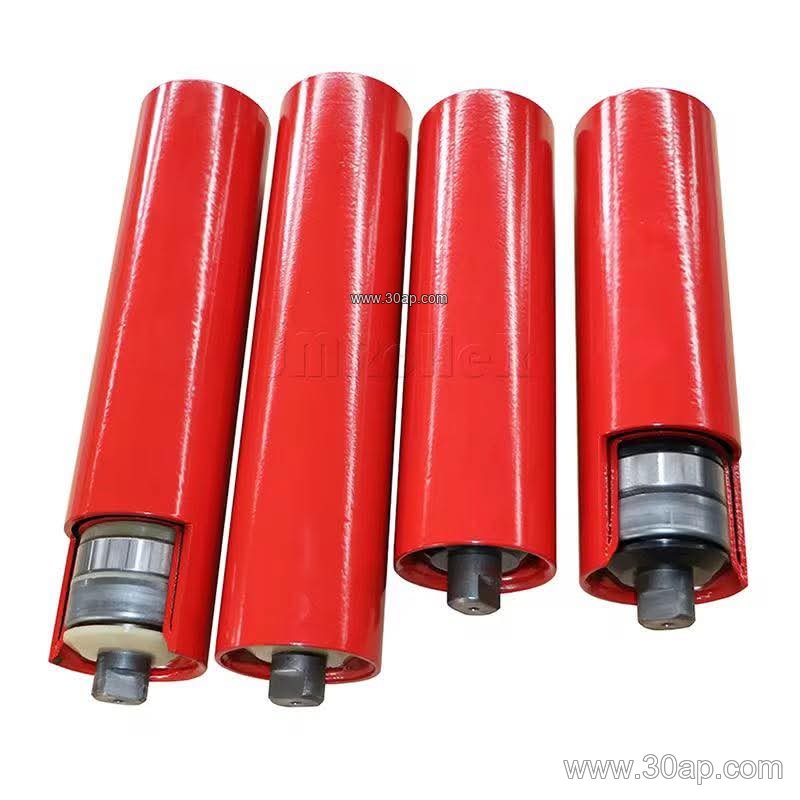
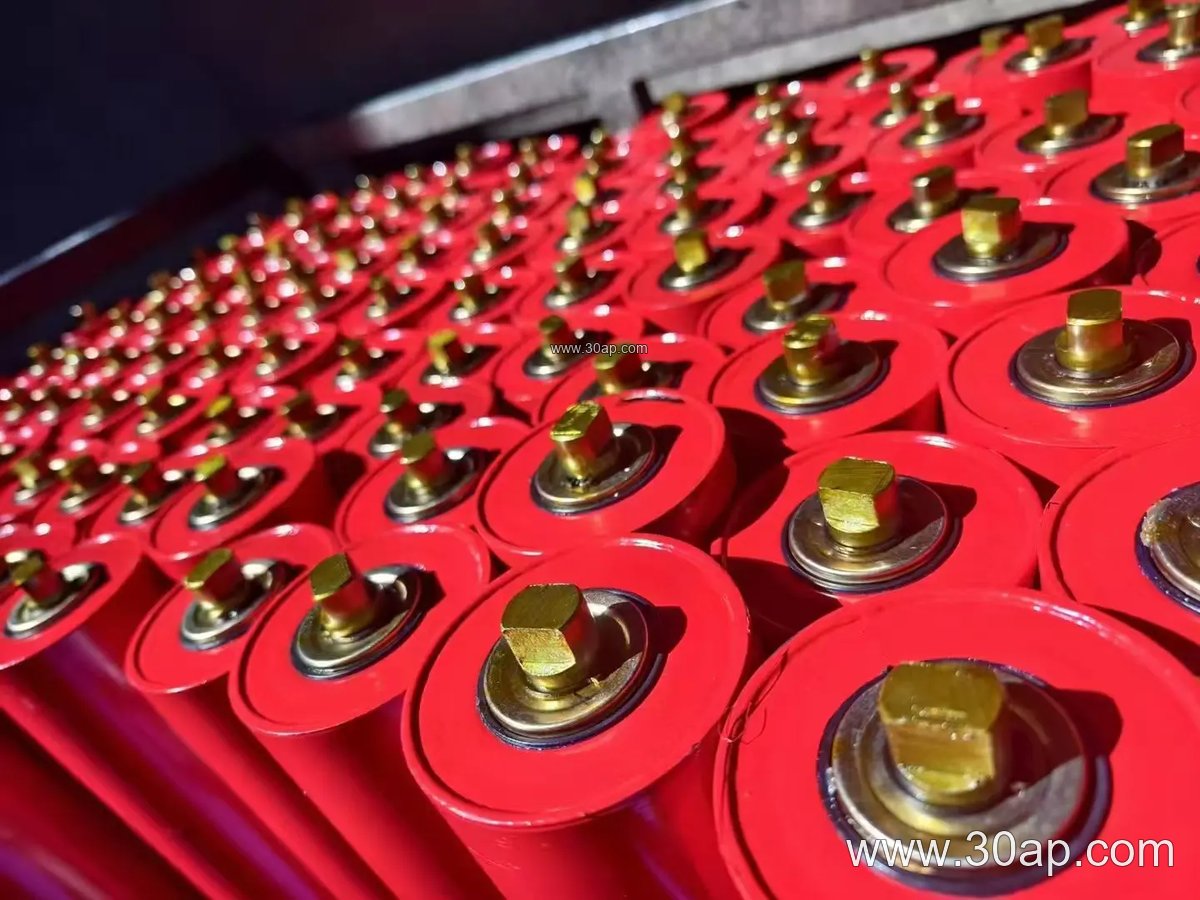
Most wear-resistant rollers use a steel tube shell, with options such as nylon, ceramic, or rubber rings on the surface when sliding abrasion or impact is severe. The shaft, bearing housing, and labyrinth seal are designed to keep fine dust out. Common bearing sizes include 6204, 6205, 6305, 6306, 6308, and 6310, and the correct bearing is matched to the roller diameter and load rather than to belt width alone.
Roller diameters commonly range from Ø63 to Ø219 mm, and the choice depends on belt speed, load, and the frame space available. A larger diameter generally improves rotation and reduces belt stress, but it must fit the existing conveyor bracket and support structure. Shell thickness, weld quality, and seal arrangement are the details a buyer should inspect closely, because these determine whether the roller survives a dusty coal preparation plant or a wet sand and gravel line.
Where These Idlers Are Used
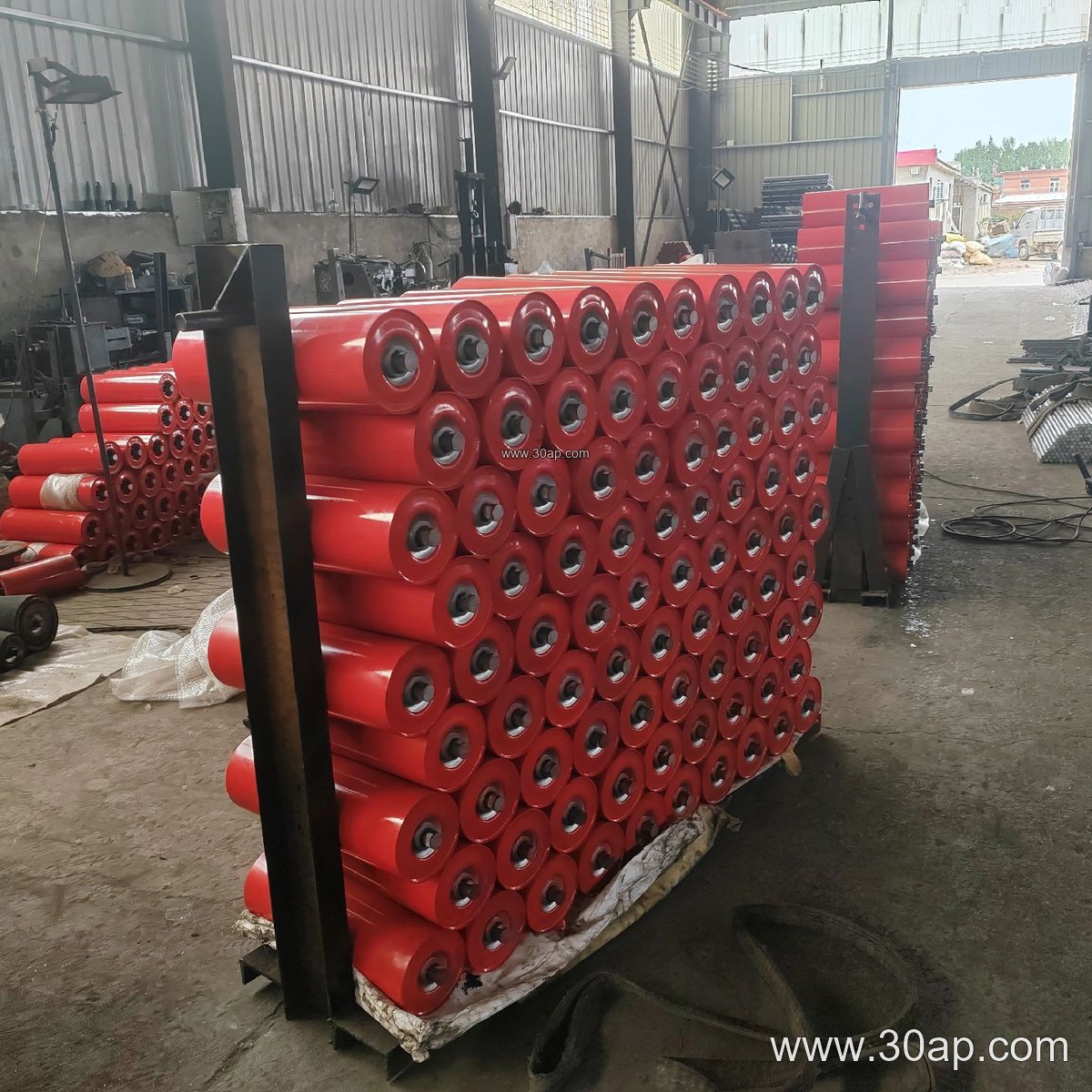
Wear-resistant idlers appear in primary crushing circuits, transfer points, and long overland lines handling abrasive bulk material. In an iron ore or copper ore operation, the roller under the loading zone may be a buffer type or rubber-ring type to absorb impact, while the carrying run uses three-roll troughing sets. In a coal mining conveyor belt system, flame retardant and anti-static properties are often required for the belt itself, and the idler must be selected to suit the same environment.
Other common locations include cement plants handling clinker dust, power plant coal yards, and port bulk terminals. The conveyor belt in these sites may be an EP conveyor belt or a steel cord conveyor belt, and the idler diameter and roll length should follow the belt width and trough angle rather than a single fixed rule. A 1200mm wide conveyor belt does not automatically dictate one pulley diameter or one shaft size, and the same principle applies to idler selection.
Common Sizes and Reference Data
The table below gives typical reference values, not universal specifications. Final dimensions should be confirmed against the conveyor design, belt width, trough angle, and support frame.
| Parameter | Common Reference Range | Notes |
|---|---|---|
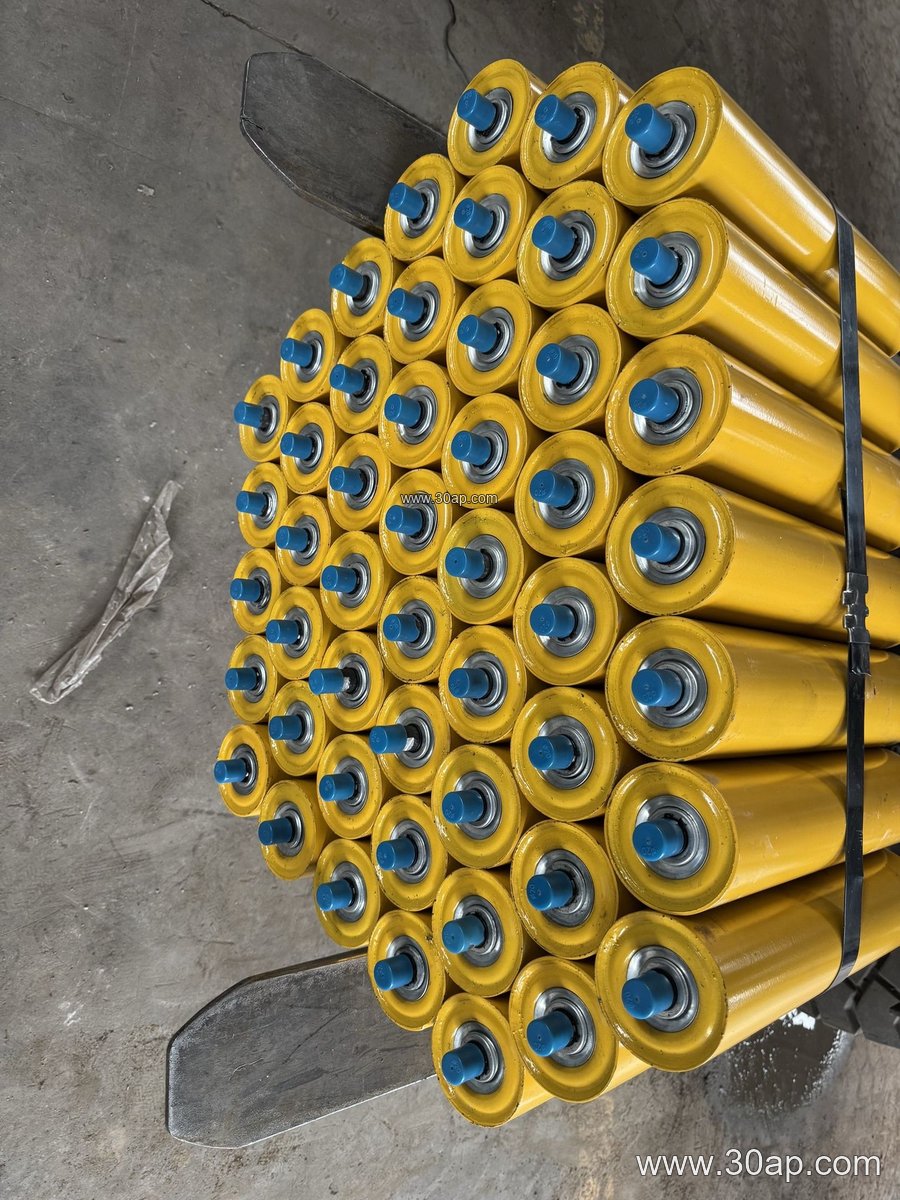
| Roller diameter | Ø63, Ø76, Ø89, Ø102, Ø108, Ø127, Ø133, Ø159, Ø178, Ø194, Ø219 mm | Selected by load, speed, and frame space |
| Belt width | B400 to B2400 | Roll length changes with width and trough form |
| Trough angle | 20°, 30°, 35°, 45° | Affects material containment and side roll length |
| Roll surface | Steel tube, nylon, ceramic, rubber ring | Rubber ring helps with impact and slip |
| Bearing | 6204, 6205, 6305, 6306, 6308, 6310 | Matched to roller size and duty |
| Roller length example | B500 about 200 mm; B800 about 315 mm; B1200 about 465 mm; B1600 about 600 mm | Three-roll troughing example only; side and center rolls may differ |
In a three-roll troughing set, the center roll and side rolls can have different lengths, and the roll length is usually determined by belt width and trough angle together. A B1000 conveyor may use a center roll around 380 mm in a common arrangement, but this is an example rather than a fixed pairing.
Selecting the Right Roller for the Duty
Start with the material being carried. Sharp rock, sinter, and clinker demand a shell that resists cutting and abrasion, while wet coal fines call for a seal that keeps moisture and dust away from the bearing. Impact zones at crusher discharge often benefit from buffer rollers or rubber-ring rollers, while the return run may use a V-type return roller to help center the belt. Troughing idlers on the carrying side should match the trough angle used by the conveyor frame.
Check the conveyor bracket and frame dimensions before ordering. The idler must fit the existing mounting slots and sit at the correct height so the belt is supported without pinching. When the belt is a heavy-duty mining conveyor belt or a high abrasion resistant conveyor belt, the roller load increases, so bearing capacity and shell thickness deserve more attention. Buyers should also confirm the shaft end form, since a roller that fits one frame may not fit another.
Maintenance and Buyer Checklist
- Inspect rollers for seized bearings, flat spots, and shell wear during routine belt inspections.
- Keep the seal area clean; dust ingress is a leading cause of premature idler failure.
- Replace worn rollers in sets where alignment matters, especially in the troughing run.
- Confirm roller diameter, roll length, shaft end, and bearing size against the conveyor drawing.
- Match the roller duty to the belt type and material, whether the line handles ore, aggregate, or coal.
For abrasive operations, a wear-resistant mining idler is a small component with a large effect on uptime. Choosing the right shell, seal, and bearing for the site conditions keeps the conveyor belt running smoothly and reduces unplanned stops in quarries, coal preparation plants, and mineral processing lines.