What a Conveyor Idler Bracket Does
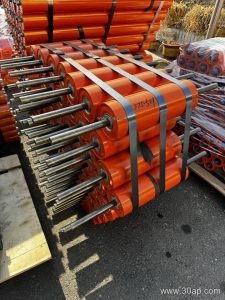
A conveyor idler bracket is the support frame that holds idler rollers in the correct position under and along a conveyor belt. It carries the weight of the belt, the material load, and the rollers themselves, and it fixes the trough angle that shapes the belt into a carrying profile. In a quarry, a coal washing plant, or a power plant coal yard, these brackets are the quiet structural parts that keep the whole line tracking properly.
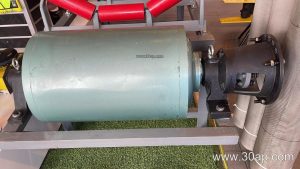
The bracket is often called an idler frame or roller support bracket, and the two names describe the same component. It should not be confused with a conveyor pulley. Drive pulleys, tail pulleys, and bend pulleys transmit motion and change belt direction, while the bracket only holds idlers in place.
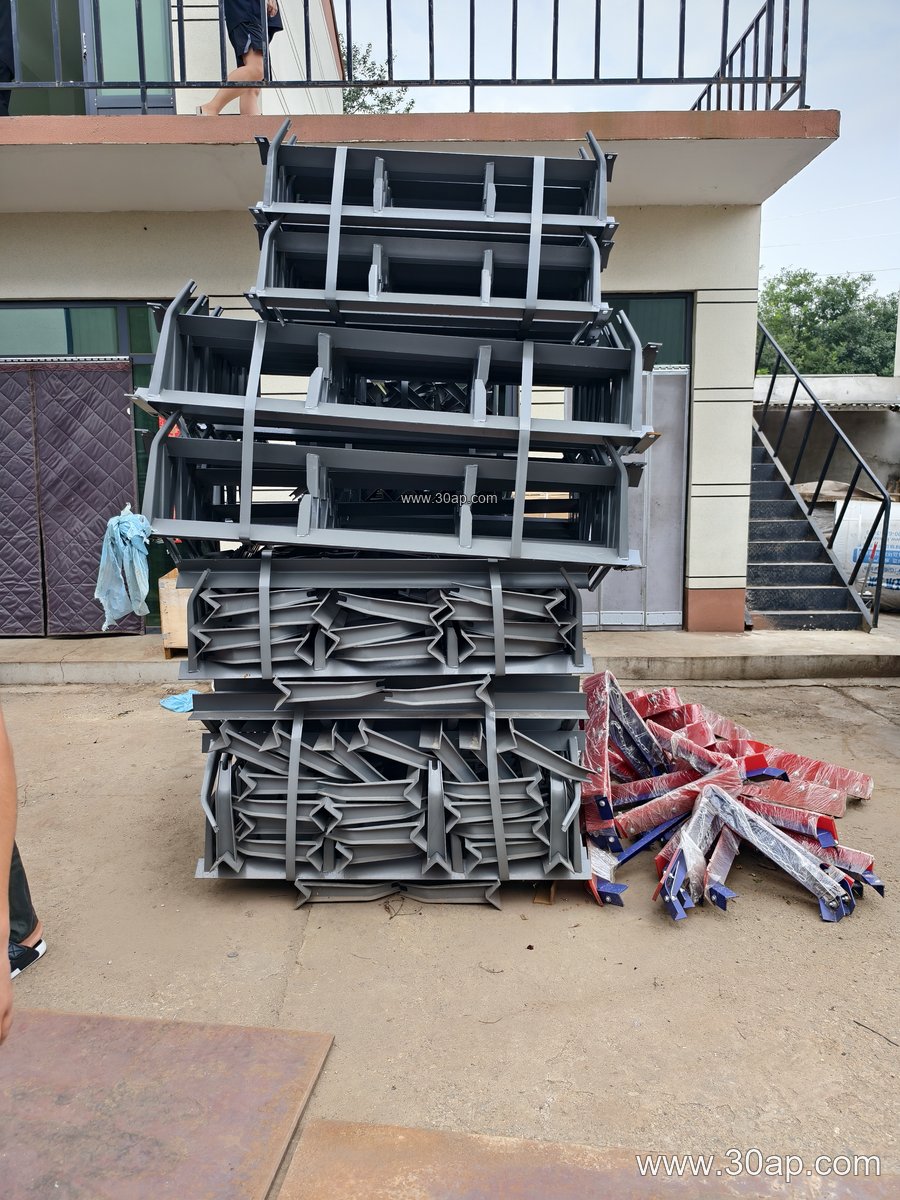
How the Bracket Is Built
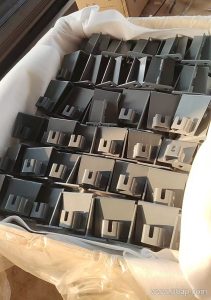
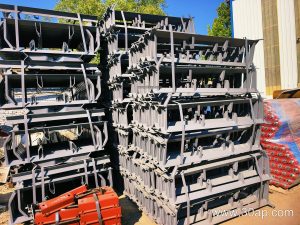
Most brackets are fabricated from angle steel, channel steel, or folded steel plate. A carrying bracket usually has a horizontal base beam with two inclined arms, and the angle between the arms sets the trough angle. Return brackets are flatter, and some use a V shape to center the belt on the return run.
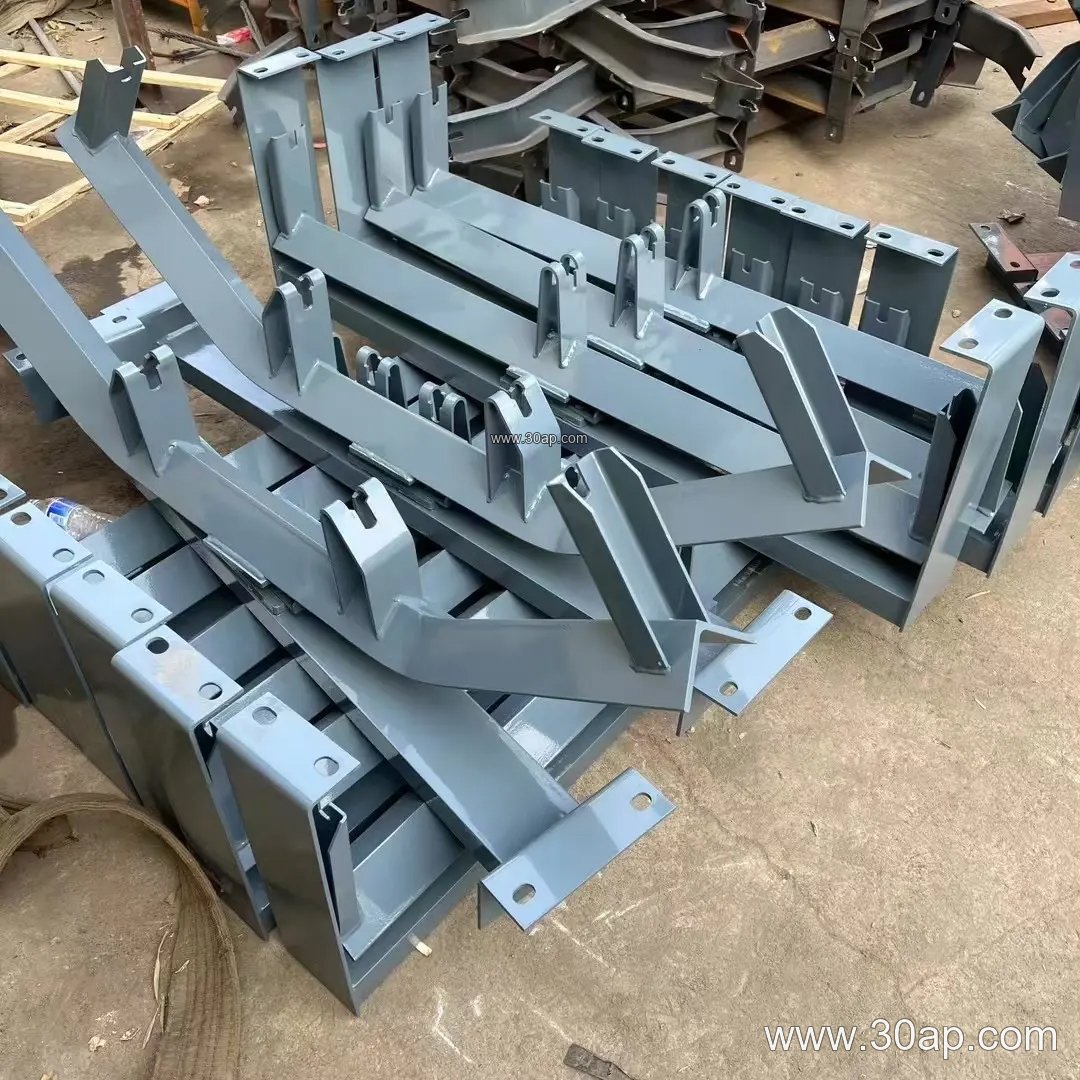
- Troughing bracket for the carrying side, with fixed or adjustable arms
- Transition bracket near pulleys, where the belt changes from flat to troughed
- Return bracket or V-return bracket for the empty side of the belt
- Impact bracket with cushioning support under a loading point
- Self-aligning bracket that helps correct belt drift
Common trough angles are 20, 30, 35, and 45 degrees. Adjustable brackets allow the angle to be set within that range during installation. Forward-tilted brackets, usually around 1.5 to 2 degrees, are used to encourage belt tracking.
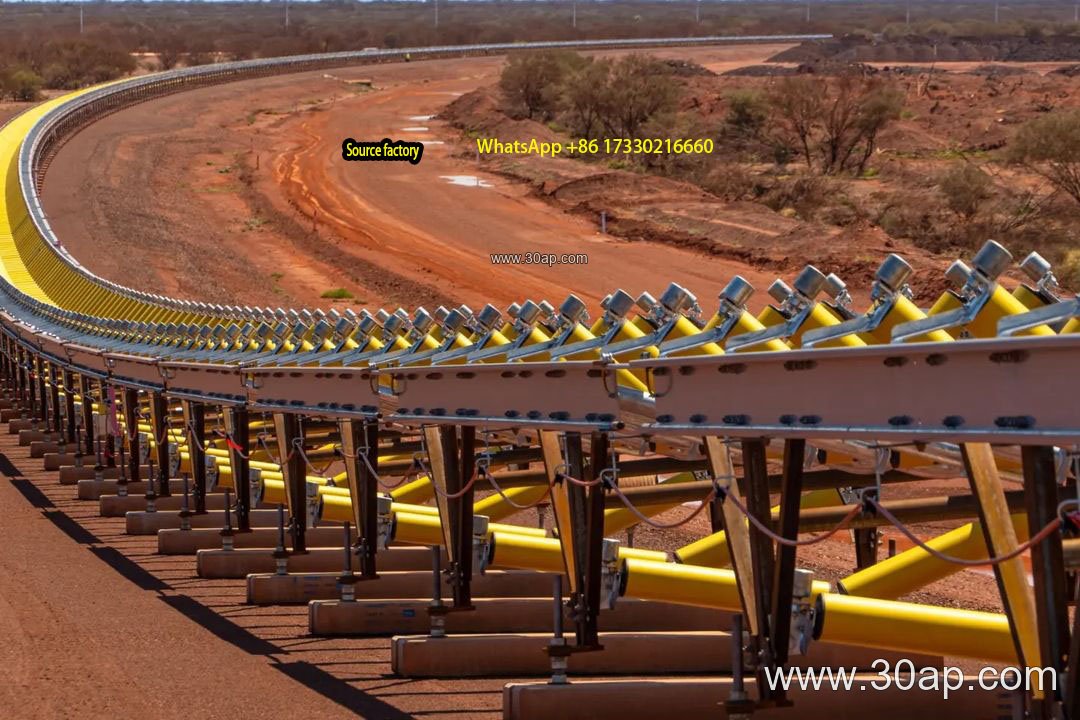
Matching Brackets to Belt Width and Roller Diameter
Bracket length and mounting hole spacing follow the belt width, while the roller seat follows the roller diameter. Common belt widths run from B500 to B2200, and common roller diameters include Ø89, Ø108, Ø133, Ø159, and Ø194. These are reference ranges, not fixed pairings. A B800 belt may be designed with 30 or 35 degrees and Ø108 rollers, and a B1200 line may use 45 degrees with Ø133 rollers depending on load and material.
| Reference item | Common range |
|---|---|
| Belt width | B500, B650, B800, B1000, B1200, B1400, B1600, B1800, B2000, B2200 |
| Trough angle | 20°, 30°, 35°, 45° |
| Roller diameter | Ø89, Ø108, Ø133, Ø159, Ø194 |
| Material | Angle steel, channel steel, folded plate |
Always confirm frame length and hole spacing with the actual conveyor design. Do not assume that one belt width matches only one trough angle or one roller size.
Where These Frames Are Used
You will find idler brackets on almost any bulk handling line. In a crushing and screening plant, impact brackets sit below the crusher discharge to absorb shock. In a cement plant, troughing brackets carry clinker and raw meal along long inclined galleries. In a tunnel spoil line, compact brackets fit tight structures. The frame also works together with the belt itself, so a heavy-duty mining conveyor belt or an abrasion resistant conveyor belt running over well-aligned brackets wears more evenly.
Bracket condition affects the belt more than many operators expect. A bent arm or a loose bolt changes the roller height and can cause edge damage on an EP conveyor belt or a steel cord conveyor belt. During maintenance, check for corrosion, deformed seats, and missing pins before replacing rollers.
Buyer Checklist
- Confirm belt width, trough angle, and roller diameter before ordering.
- State whether the bracket is fixed or adjustable.
- Specify carrying, return, transition, impact, or self-aligning duty.
- Ask for the mounting hole spacing and beam length drawing.
- Match the finish and material to the site conditions, such as dusty or wet service.
For a complete conveyor package, brackets are usually ordered together with idler rollers, the conveyor pulley set, and the belt. A supplier who can review the whole assembly helps avoid mismatches between frame, roller, and belt. Visit https://www.jsruifeng.com/conveyor-idler-bracket for product details and https://www.jsruifeng.com/conveyor-bracket for related frame options.