What a Heavy-Duty Steel Conveyor Bracket Does on the Line
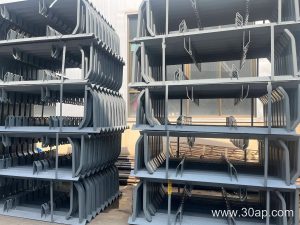
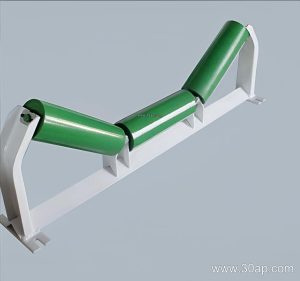
A heavy-duty steel conveyor bracket is the structural support that holds the idler roller in place and keeps the conveyor belt tracking along the desired trough profile. In a limestone quarry or a crushing and screening plant, the bracket carries the repeated load of stone, absorbs impact at transfer points, and maintains alignment through long runs. It is a small component in the overall conveyor, yet its stiffness and dimensional accuracy directly affect belt life, roller wear, and downtime.
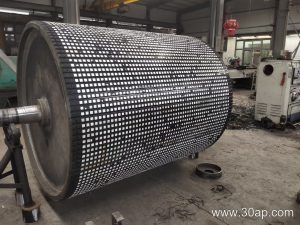
The bracket is not a pulley. A drive pulley, tail pulley, and bend pulley each have a different role at the ends and corners of the conveyor, while the heavy-duty steel conveyor bracket works along the carrying and return sides of the structure. It also differs from a conveyor bracket used on light-duty package lines, because the heavy-duty version is built for abrasive bulk material and continuous shock loading.
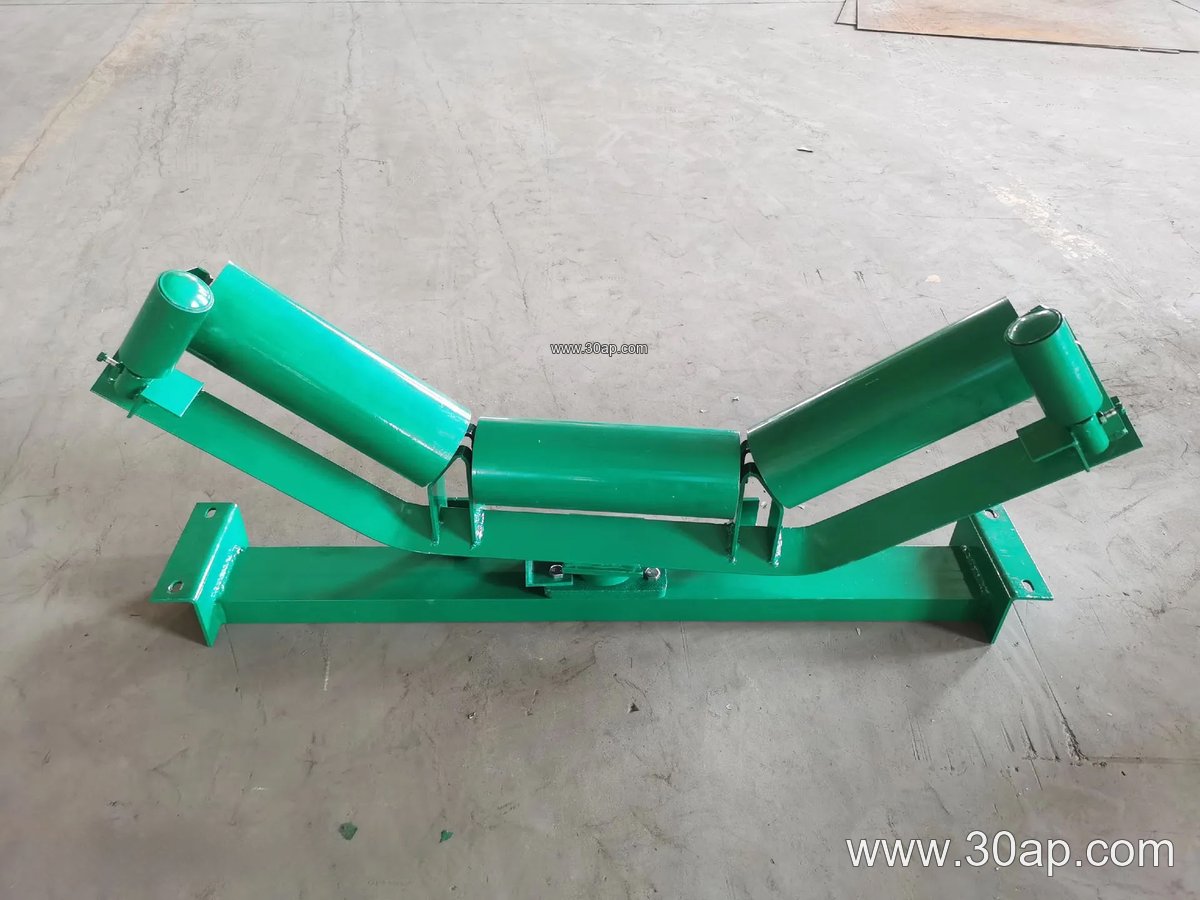
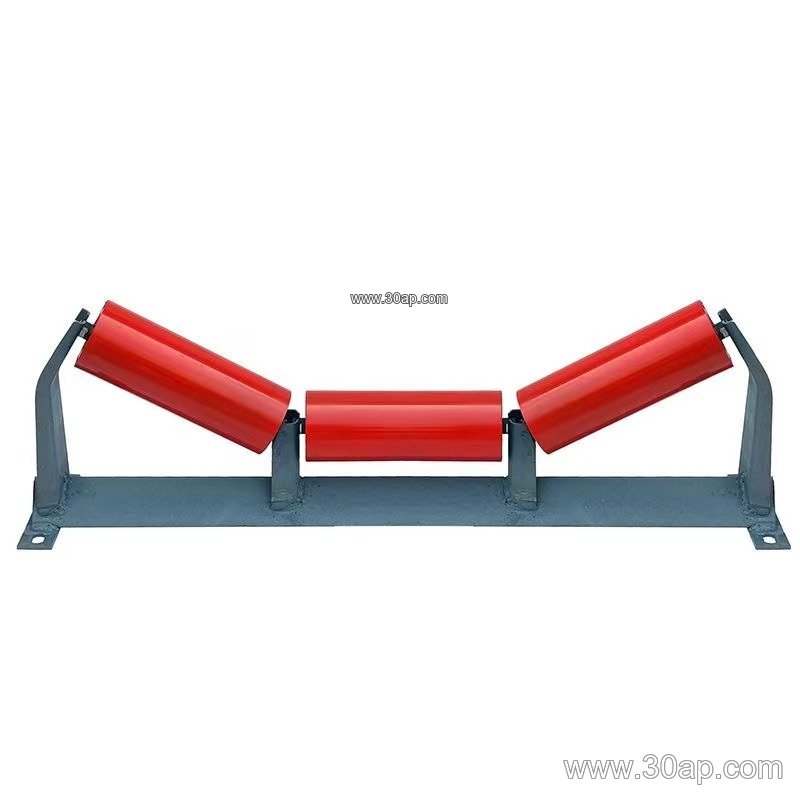
Construction and Common Configurations
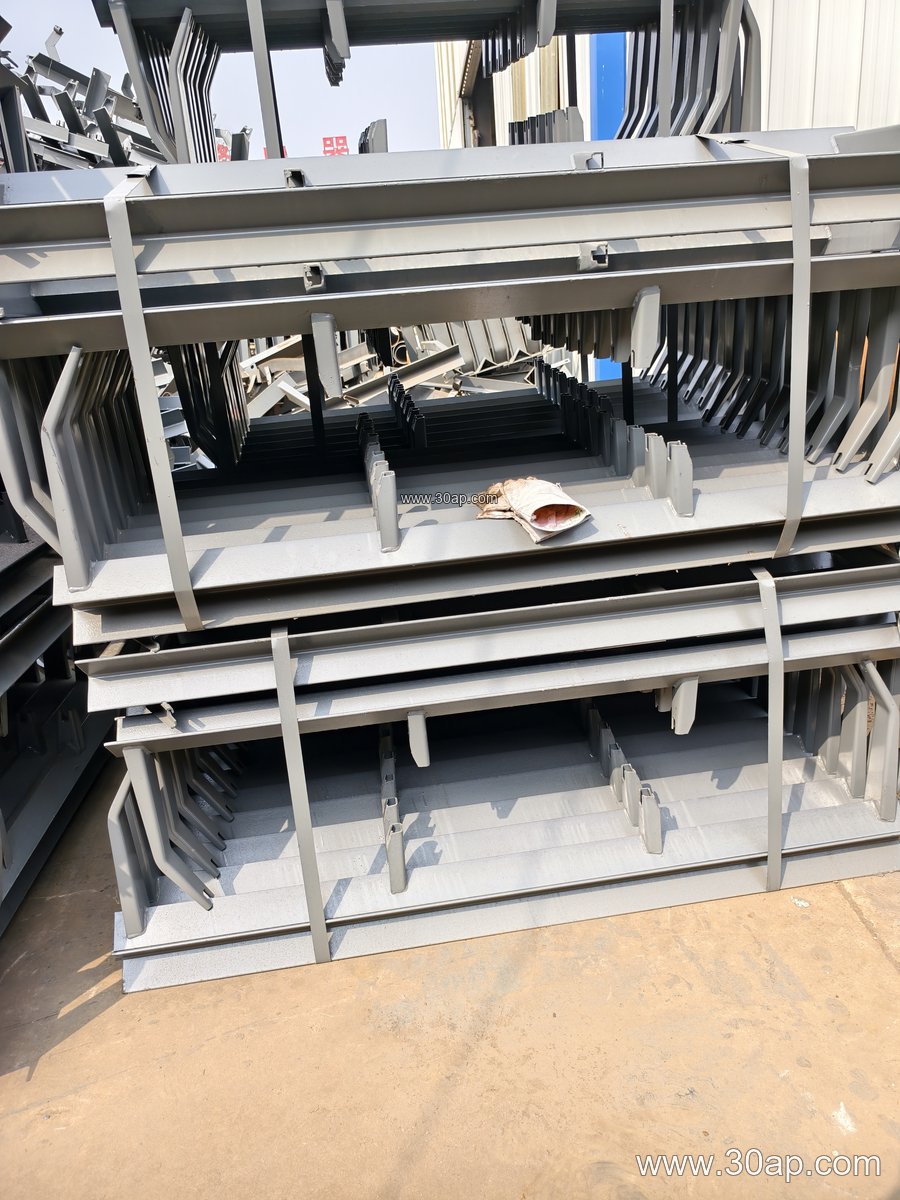
Most heavy-duty steel conveyor brackets are fabricated from angle steel, channel steel, or folded steel plate. The frame is welded or bolted, then drilled to match the mounting hole spacing of the idler roller. Because the bracket sits in a dusty, vibrating environment, stiffening ribs and generous section thickness are common. Surface treatment is usually selected according to the site, with painted or galvanized finishes used in cement plants, power plant coal handling, and port terminals.
Bracket types follow the position and function on the conveyor. Troughing brackets support the upper carrying side, transition brackets ease the belt from flat to troughed, and return brackets or V-return brackets carry the empty side. Impact brackets are placed under loading points, while self-aligning and forward-leaning brackets help control belt wander. Adjustable brackets allow the trough angle to be changed on site. The table below lists typical reference values, not fixed supply commitments.
| Parameter | Common reference values |
|---|---|
| Bracket type | Troughing, transition, return, V-return, impact, self-aligning, forward-leaning, adjustable |
| Material | Angle steel, channel steel, folded steel plate |
| Belt width B | B500, B650, B800, B1000, B1200, B1400, B1600, B1800, B2000 |
| Trough angle | 20°, 30°, 35°, 45°; adjustable brackets can move between these angles |
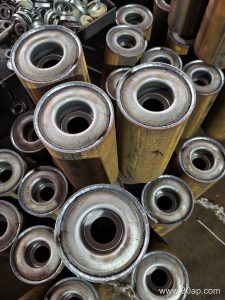
| Idler diameter | Ø89, Ø108, Ø133, Ø159, Ø194 |
Typical combinations such as B800 with 35° and Ø108, or B1200 with 45° and Ø133, appear in many designs, but belt width does not dictate a single trough angle or roller diameter. The final match depends on belt stiffness, capacity, material lump size, and the conveyor profile. Mounting hole spacing and crossbeam length change with belt width and trough angle, so they should be confirmed from the drawing rather than assumed.
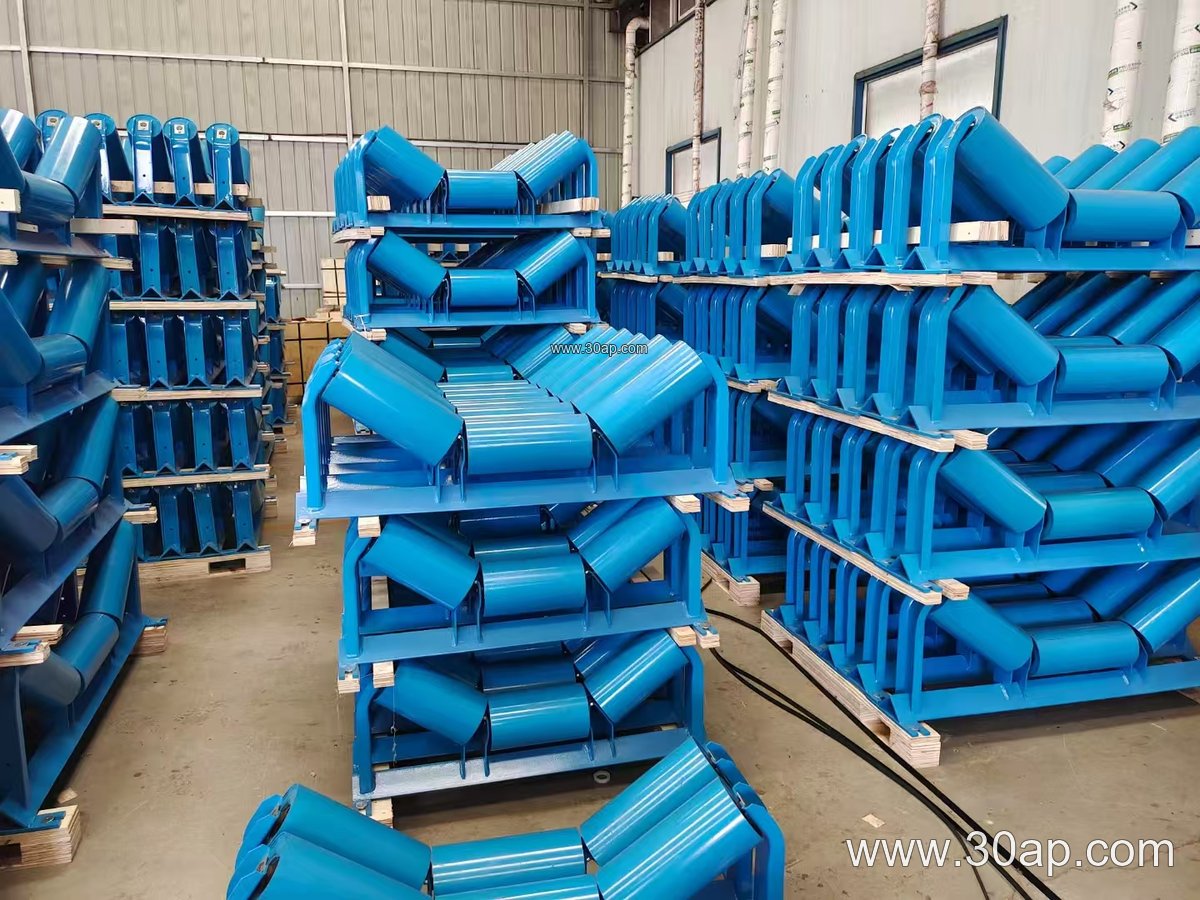
Where the Bracket Fits in Bulk Handling
In a coal washing plant, heavy-duty steel conveyor brackets support the rollers beneath a flame retardant conveyor belt and help keep the belt centered through wet, sticky conditions. In an iron ore or copper ore terminal, the same bracket design must resist abrasion and impact from large lumps. Cement plants use them on clinker and raw meal lines, while power plant coal handling systems rely on stable bracket geometry to reduce spillage. A quarry conveyor belt or crusher conveyor belt often runs over impact brackets at the loading zone, where a heavy-duty steel conveyor bracket protects both the roller and the belt.
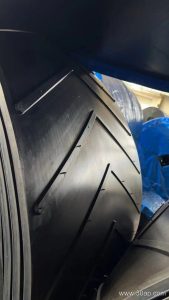
Selection should also consider the belt type. An EP conveyor belt or a steel cord conveyor belt has different flexibility and tracking behavior, and a fabric core conveyor belt may need a gentler transition. Where heat is present, a heat resistant conveyor belt works with brackets that allow thermal movement. In cold climates, a cold resistant conveyor belt and appropriately specified steel brackets reduce cracking risk. For dusty or potentially explosive atmospheres, an anti-static conveyor belt is often paired with grounded, well-aligned frames.
Buyer Checklist Before Ordering
- Confirm the bracket type by position: carrying, return, impact, transition, or self-aligning.
- Match belt width, trough angle, and idler roller diameter as a set, not as isolated figures.
- Check mounting hole spacing and crossbeam length against the actual conveyor drawing.
- Specify material thickness and surface finish for the site conditions.
- Decide whether fixed or adjustable brackets suit the maintenance plan.
- Review compatibility with the conveyor belt, pulley, and frame before shipment.
For anyone sourcing conveyor components, the practical approach is to treat the heavy-duty steel conveyor bracket as part of a system. A well-matched bracket keeps the idler roller square, extends belt service life, and reduces the cost of repeated adjustment. More component references are available at brconveyorbelt.com for conveyor belt and bracket planning.