What a Return Idler Bracket Does
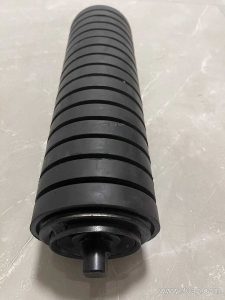
A return idler bracket is the support component that holds the return-side idlers beneath the conveyor belt. On a belt conveyor, the carrying run is supported by troughing idlers on top, while the empty returning belt is held up by return idlers. The bracket is the interface between those idlers and the conveyor frame. In practice, the return idler bracket, also called a return roller bracket or lower bracket, carries the weight of the belt and any clinging material, keeps the return run aligned, and allows the idler to rotate freely without shifting sideways.
In a quarry, a cement plant, or a power plant coal yard, this small part is easy to overlook, yet a loose or misaligned return bracket can cause belt edge wear, tracking problems, and premature idler failure. It is a simple product with a clear job: hold the return idler in the right position, at the right height, for the life of the conveyor.
Construction and Common Forms
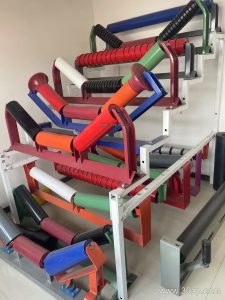
Most return idler brackets are fabricated from angle steel, channel steel, or bent steel plate. The bracket usually includes a mounting face that bolts to the conveyor stringer, a cradle or slot that receives the idler shaft, and a set of holes or notches that set the idler position. Common configurations include a flat return bracket for a single horizontal return idler, a V-return bracket that supports two idlers set at an angle to help center the belt, and adjustable brackets that allow the return idler height or angle to be tuned during installation.
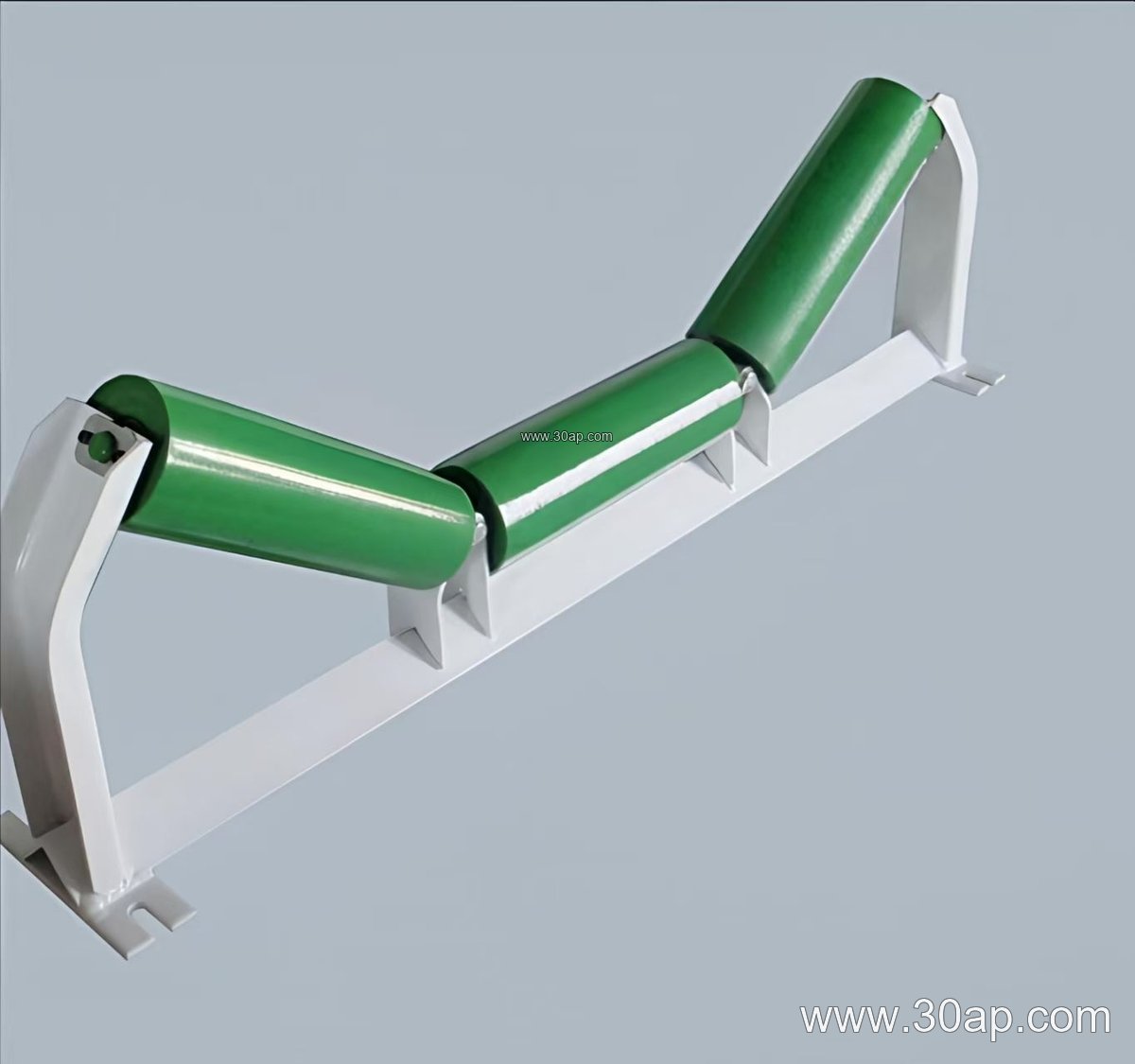
Fabrication details matter more than appearance. Weld quality, hole spacing, and the flatness of the mounting surface affect how well the idler sits and how evenly the belt is supported. A bracket that is twisted or drilled off-center will push the return idler out of line, and the belt will respond by wandering.
Where It Fits on the Conveyor
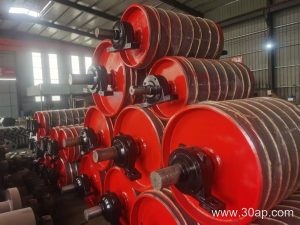
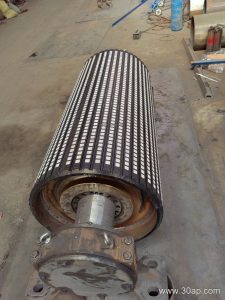
The return idler bracket sits on the return strand, usually spaced at regular intervals along the conveyor. It works together with the conveyor belt, the conveyor pulley at the head and tail, and the idler roller set on the carrying side. In a crushing and screening line, return brackets are often exposed to dust and fine spillage, so self-cleaning shapes and generous clearances help. In a port or ship loading system, long conveyors may use many return brackets, and consistent alignment across the whole run reduces belt tracking corrections.
Return brackets are not interchangeable with troughing brackets or impact brackets. A troughing bracket supports three idlers at a trough angle and sits on the carrying side, while an impact bracket is designed for loading points. The return bracket belongs to the empty run and should be selected for that duty.
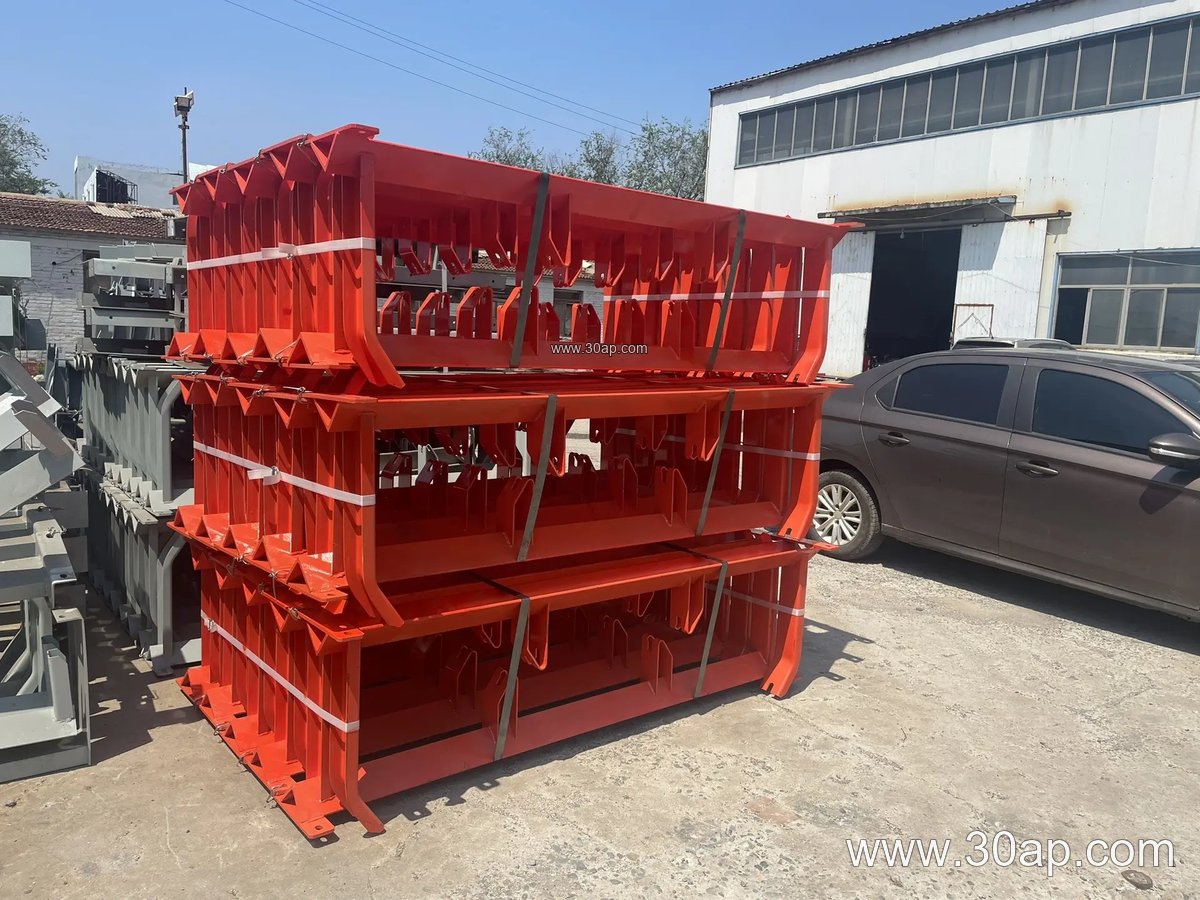
Sizing Notes for Buyers
Belt width, return idler diameter, and frame spacing all influence the bracket choice. The table below shows common reference combinations; these are examples, not fixed rules, and the final selection should follow the conveyor design.
| Belt Width | Typical Return Idler Diameter | Common Bracket Form |
|---|---|---|
| B500 | Ø89 | Flat or V-return |
| B650 | Ø89 / Ø108 | Flat or V-return |
| B800 | Ø108 / Ø133 | Flat, V-return, adjustable |
| B1000 | Ø108 / Ø133 | Flat, V-return, adjustable |
| B1200 | Ø133 / Ø159 | V-return, adjustable |
| B1400 | Ø133 / Ø159 | V-return, adjustable |
| B1600 | Ø159 / Ø194 | Heavy V-return, adjustable |
| B1800 | Ø159 / Ø194 | Heavy V-return, adjustable |
| B2000 and above | Ø194 | Heavy-duty fabricated bracket |
Installation hole spacing and crossbeam length are usually determined by belt width, bracket type, and frame design, so buyers should confirm dimensions against the conveyor drawing rather than assume a standard. A 1200mm wide conveyor belt may use more than one bracket style depending on the frame and the return idler arrangement.
Selection and Maintenance Tips
- Match the bracket to the return idler shaft size and the frame hole pattern.
- Choose adjustable brackets where field alignment may be needed, especially on long conveyors.
- Use V-return brackets on belts prone to mistracking, and flat brackets where simplicity is preferred.
- Check bolt torque and bracket squareness during installation; a small offset becomes belt wander over distance.
- Inspect for corrosion and bent ears, particularly in washdown or coastal environments.
For abrasive duties such as iron ore or limestone, the return bracket should be robust enough to survive dust and occasional spillage. It also pairs with the right conveyor belt grade, whether an abrasion resistant conveyor belt, a heat resistant conveyor belt near hot material, or a flame retardant conveyor belt in coal handling. A well-matched return idler bracket keeps the return run stable, protects the belt, and supports the overall reliability of the conveyor system.