What Is an NN400 Conveyor Belt
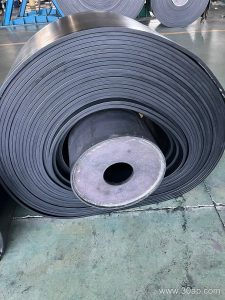
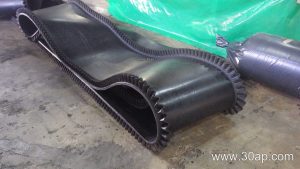
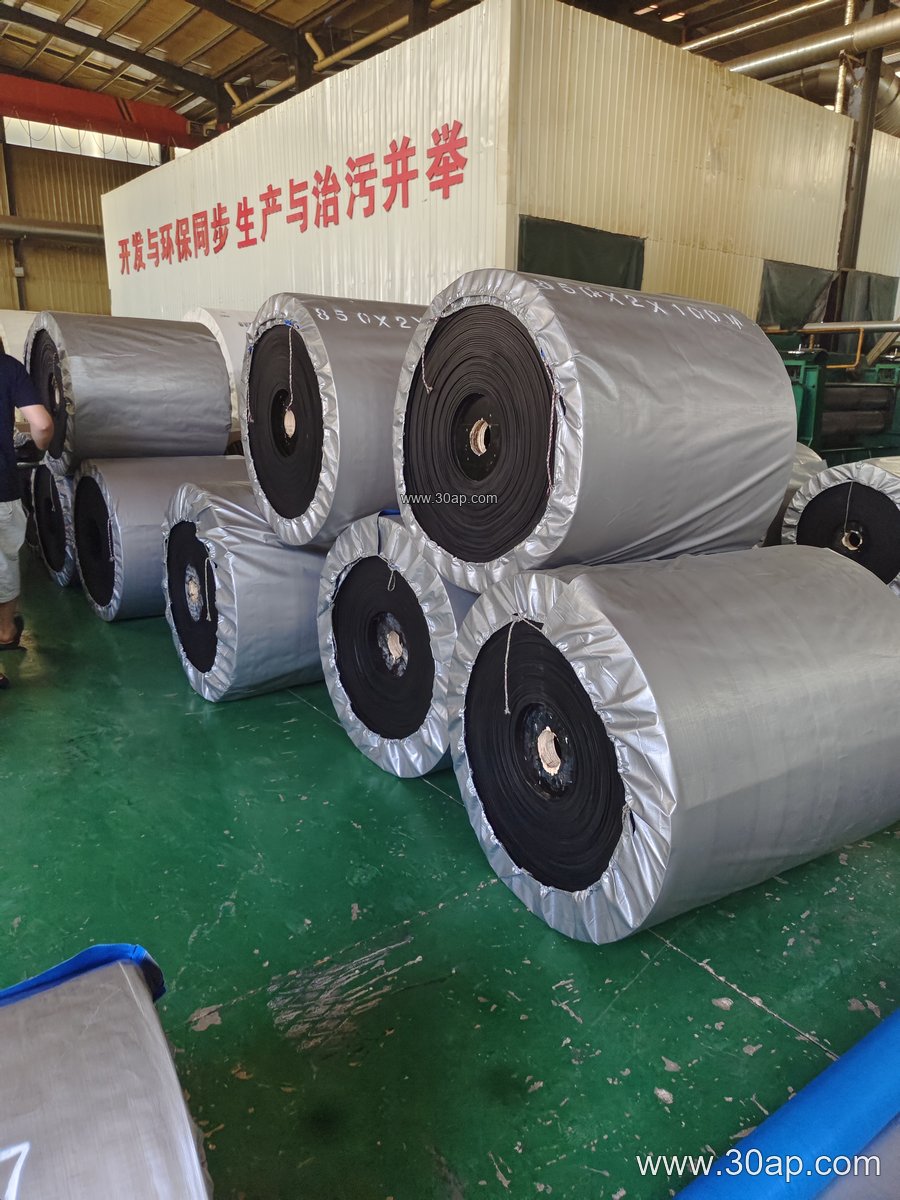
The NN400 Conveyor Belt is a heavy-duty fabric core belt built with nylon (NN) canvas plies. The “400” refers to the nominal tensile strength per ply, typically 400 N/mm. This belt is part of the broader NN Conveyor Belt family, which is known for high strength, low elongation, and excellent resistance to impact and fatigue. Unlike a Steel Cord Conveyor Belt, which uses steel wires for extremely long runs and high tension, the NN400 relies on multi-ply nylon fabric to handle demanding loads while maintaining flexibility. It is a common choice for bulk material handling in mining, cement, power plants, and quarry operations where a robust yet cost-effective solution is needed.
Construction and Key Components
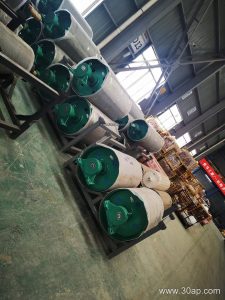
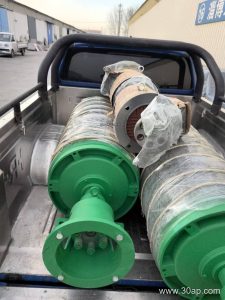
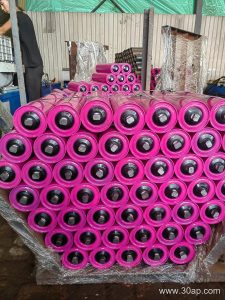
An NN400 belt is constructed from multiple layers of nylon fabric, usually 2 to 6 plies, bonded with rubber. The cover rubber grades vary by application: abrasion-resistant, heat-resistant, oil-resistant, flame-retardant, or anti-static. The belt edge can be cut or molded. The fabric core provides high strength-to-weight ratio and absorbs impact energy, making it suitable for primary and secondary crushing circuits. For comparison, an EP Conveyor Belt (polyester-nylon) offers lower elongation but slightly less impact resistance; the NN type excels in heavy shock loading. The belt works in harmony with conveyor pulleys (drive, tail, and bend pulleys) and idler rollers to form a complete conveyor system. Proper alignment and tension are critical for long service life.
Typical Applications and Industries
NN400 is frequently used in abrasive and high-impact environments. Common industries include:
- Mining and quarrying: transporting ore, rock, and overburden.
- Cement plants: feeding clinker and raw materials.
- Power plants: coal handling.
- Sand and aggregate plants: moving crushed stone and sand.
- Ports and ship loaders: bulk cargo transfer.
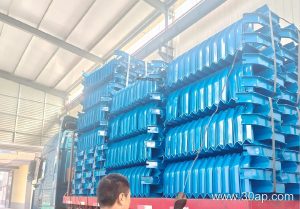
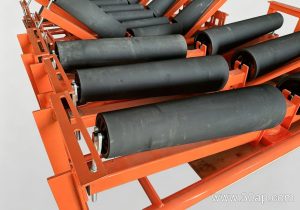
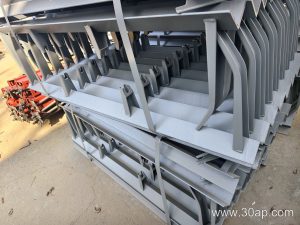
In these settings, the belt often runs alongside conveyor brackets that support idler rollers, ensuring smooth operation. For underground coal mining, a flame-retardant version may be specified, but the NN400 itself is not inherently flame retardant unless specially compounded.
Available Specifications and Sizes
NN400 belts are available in a range of widths and cover thicknesses to suit different conveyor designs. The table below lists common reference values; actual supply depends on the manufacturer and application requirements.
| Parameter | Common Options |
|---|---|
| Belt width | 500, 650, 800, 1000, 1200, 1400, 1600, 1800, 2000 mm |
| Number of plies | 2 to 6 |
| Cover thickness (top + bottom) | 3+1.5, 4+2, 5+2, 6+2, 8+3 mm |
| Strength per ply | 400 N/mm |
These values are typical and should be confirmed with the belt supplier based on the conveyor’s tension, load, and pulley diameters. Note that belt width does not dictate a single pulley diameter; the drive, tail, and bend pulleys are sized according to tension and space, and are not interchangeable.
Selection and Maintenance Tips
When choosing an NN400 Conveyor Belt, consider the material being conveyed, lump size, loading impact, and environmental conditions. For high abrasion, select a belt with a thicker top cover; for oily materials, an oil-resistant grade is advisable. Ensure the conveyor pulleys and idler rollers are properly aligned and maintained to prevent edge damage and premature wear. Regular inspection of splices and cover condition helps avoid unexpected downtime. While an NN400 belt is robust, it may not be the best fit for extremely long overland conveyors where a Steel Cord Conveyor Belt would offer lower elongation and higher tension capacity. For most plant and in-pit conveyors, however, the NN400 provides a reliable balance of strength and flexibility.
For more information on conveyor belts, idler rollers, and pulleys, visit our website at beltconveyorparts.com. We also supply related components such as conveyor brackets and idler rollers to complete your system.