What a Carrying Idler Does on a Conveyor
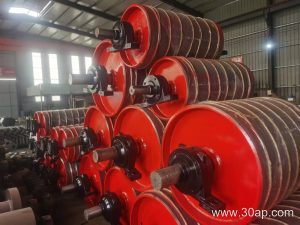
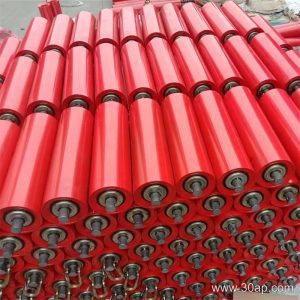
A conveyor belt carrying idler is the roller assembly that supports the loaded side of the belt and shapes it into a trough so bulk material stays centered. In everyday plant language it is often called a carrying roller or upper idler, and it sits between the loading point and the discharge pulley. Without these rollers, a loaded belt would sag, spill material and wear quickly. The carrying idler is not a drive pulley, tail pulley or bend pulley; those parts transmit or redirect belt tension, while the carrying idler only supports and guides the belt.
Construction and Common Forms
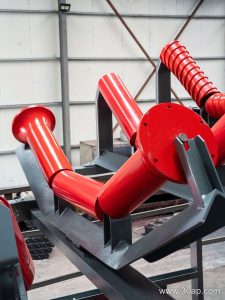
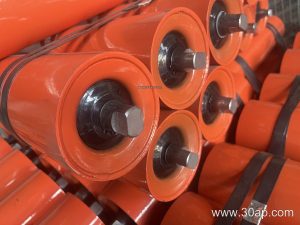
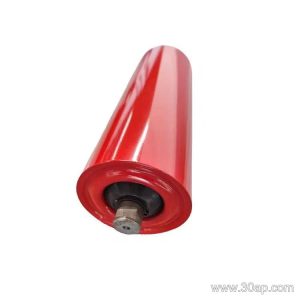
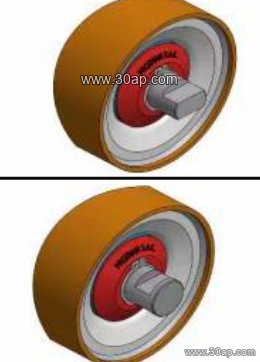
Most carrying idlers share a simple build: a steel tube shell, a shaft, bearing housings and seals at each end. The shell may be plain steel, nylon-coated, ceramic-covered or fitted with rubber rings for impact zones. Bearing sizes such as 6204, 6205, 6305, 6306, 6308 and 6310 appear across different roller diameters, and the correct match depends on load and speed rather than on belt width alone.
Carrying idlers are usually arranged in sets. A single-roller set suits narrow belts, while two-roll and three-roll troughing sets are common on wider belts. Common roll diameters include Ø63, Ø76, Ø89, Ø102, Ø108, Ø127, Ø133, Ø159, Ø178, Ø194 and Ø219 mm. Trough angles of 20, 30, 35 and 45 degrees are typical, and a small forward tilt of about 1.5 to 2 degrees is sometimes used to help self-align the belt.
| Belt width | Typical three-roll idler length (example) |
|---|---|
| B500 | about 200 mm |
| B650 | about 250 mm |
| B800 | about 315 mm |
| B1000 | about 380 mm |
| B1200 | about 465 mm |
| B1400 | about 530 mm |
| B1600 | about 600 mm |
| B1800 | about 670 mm |
| B2000 | about 750 mm |
These figures are common examples only. Side rolls and center rolls can differ, and final lengths are set by belt width, trough angle and idler set design.
Where Carrying Idlers Are Used
You will find carrying idlers in almost any plant that moves bulk material. In a limestone quarry or aggregate line they support belts after the crusher, where lump size and dust are heavy. In a coal washing plant or power station coal yard they keep the belt tracking through long horizontal runs. Other common settings include cement plants, iron ore and copper ore handling, port ship loading, steel plants and tunnel spoil removal.
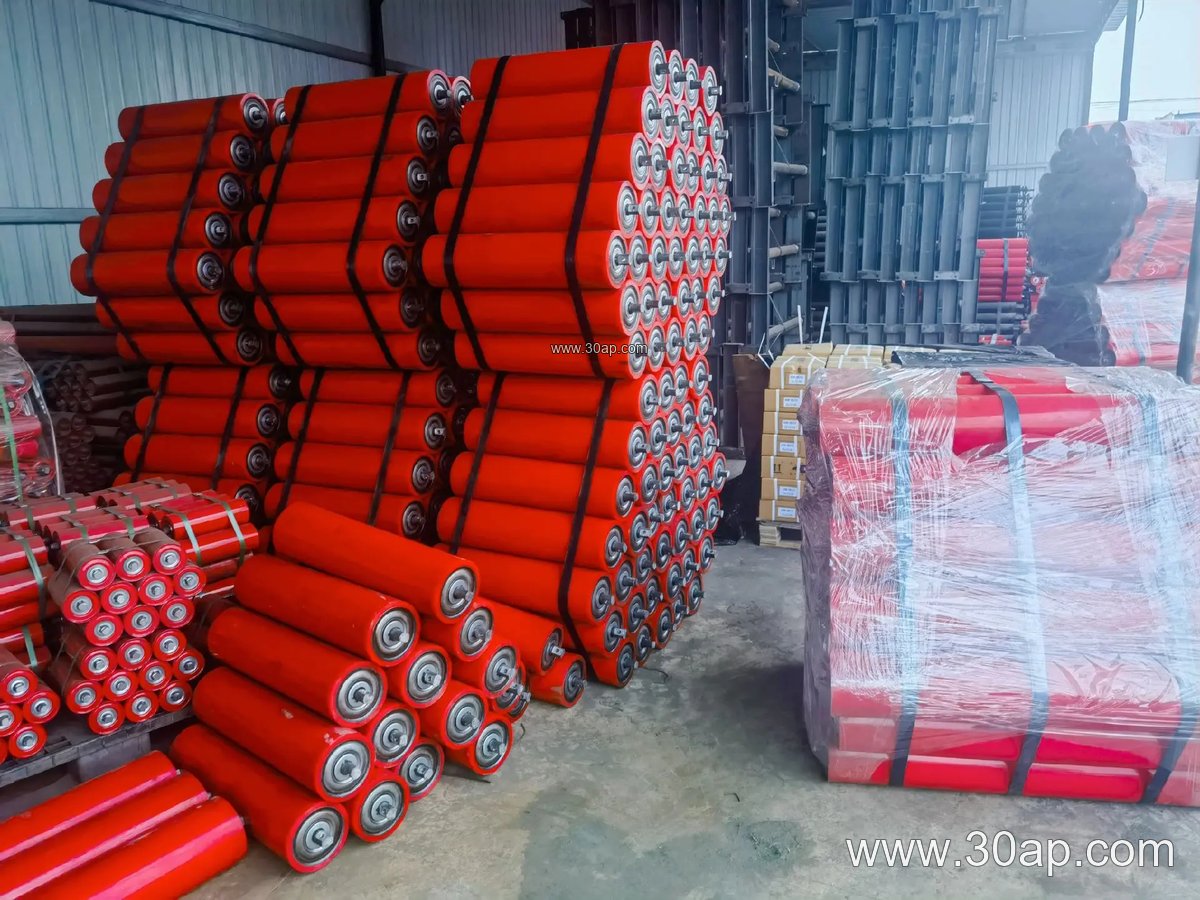
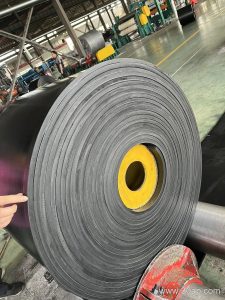
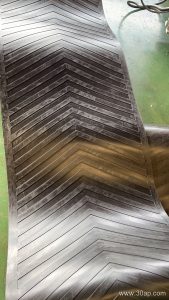
The belt itself matters too. A heavy-duty mining conveyor belt, an abrasion resistant conveyor belt or a heat resistant conveyor belt all place different demands on the roller surface and bearings. Where fines are wet and sticky, a rubber disc or spiral roller can reduce build-up compared with a plain steel shell.
Selection Points for Buyers
- Match roll diameter and bearing class to the actual load, belt speed and material weight.
- Choose the trough angle to suit belt width and material flow; 35 degrees is common, but 20 or 45 degrees may fit better.
- Use impact or rubber-ring idlers under transfer chutes where falling material hits the belt.
- Specify sealed bearings and suitable surface treatment for dusty or wet conditions.
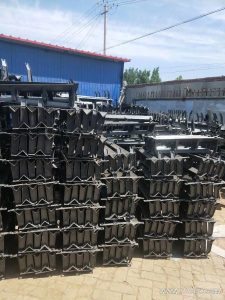
- Check that the idler frame fits the existing conveyor bracket and stringer spacing.
For a quick reference, a plant manager may compare a 1200mm wide conveyor belt line with a 1500mm wide conveyor belt line and find that the idler set, not just the belt, must change. The carrying idler should be selected as part of the whole conveyor, alongside the conveyor pulley and conveyor bracket.
Maintenance and Long-Term Care
Inspect carrying idlers for seized bearings, worn shells, missing rubber rings and material build-up. A roller that stops turning will flat-spot the belt and can damage a fabric core conveyor belt or a steel cord conveyor belt. Keep the trough alignment straight, replace damaged rollers in sets where possible, and check that the belt does not rub on the frame. Regular attention to these points keeps a quarry conveyor belt or a cement plant belt running smoothly and reduces unplanned downtime.