What an Anti-Slip Ceramic Lagged Pulley Does
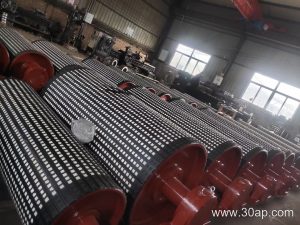
An anti-slip ceramic lagged pulley is a conveyor pulley whose shell is covered with a rubber lagging in which hard ceramic tiles are embedded. The ceramic pieces sit slightly proud of the rubber surface, so they bite into the underside of the conveyor belt instead of letting it slide. In a head drive position, this is often the difference between a belt that tracks steadily under load and one that slips, smears and overheats. The same ceramic lagging is also used on bend and tension pulleys where wrap angle is limited and traction is at a premium. It is not a substitute for a drive pulley, a tail pulley or a bend pulley by name; it is a surface treatment applied to whichever pulley the duty calls for.
How the Ceramic Lagging Is Built
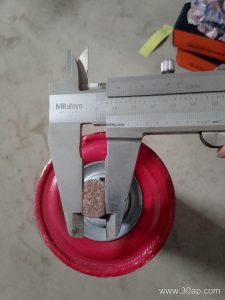
The construction is straightforward but the details matter. A rubber layer, commonly 8 mm to 20 mm thick, is bonded to the pulley shell. Ceramic tiles, usually square or rectangular with a raised profile, are vulcanized into that rubber so that only their tips protrude. The rubber provides flexibility and grip on the belt, while the ceramic provides wear resistance and a positive mechanical key. The tiles are arranged in a pattern, often with grooves between rows to let water, fines and slurry escape. Without those drainage channels, a wet pulley in a wash plant or a tunnel face can hydroplane even with ceramic present.
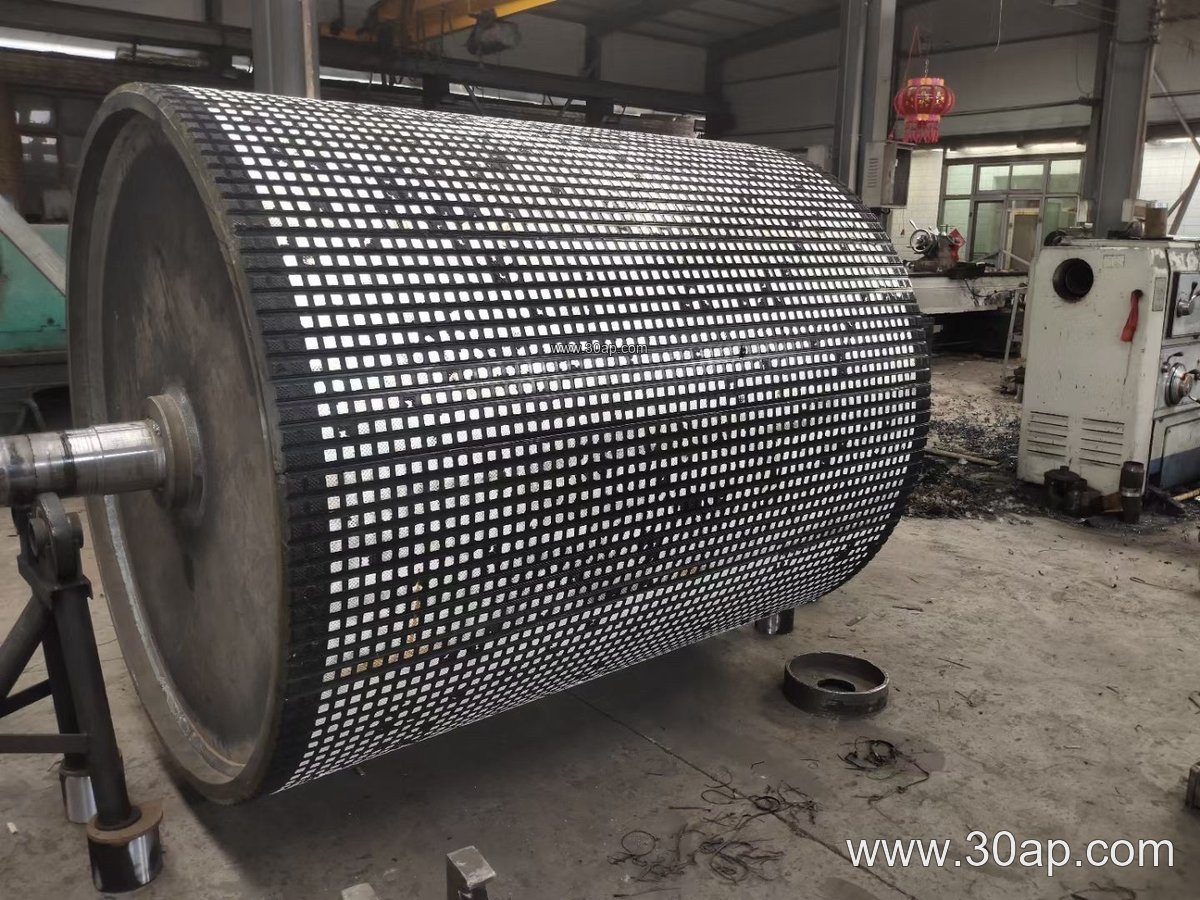
Two bonding routes are common: hot vulcanized lagging, which is cured onto the shell for maximum adhesion, and cold bonded lagging, which is applied on site. Hot vulcanized ceramic lagging generally lasts longer in continuous duty, while cold bonded versions suit retrofits where removing the pulley is impractical.
Where It Earns Its Place
Ceramic lagging shows up wherever the belt carries abrasive, wet or heavy material and the pulley must keep a firm grip. Typical settings include:
- Copper and iron ore concentrators, where slurry and fines coat the belt underside
- Coal preparation plants and power station coal handling, where dust and moisture reduce friction
- Limestone quarries and aggregate crushing circuits, where sharp rock dust polishes plain rubber
- Cement plant clinker and raw meal conveyors, often paired with a heat resistant conveyor belt
- Port bulk terminals and ship loading systems handling abrasive cargoes
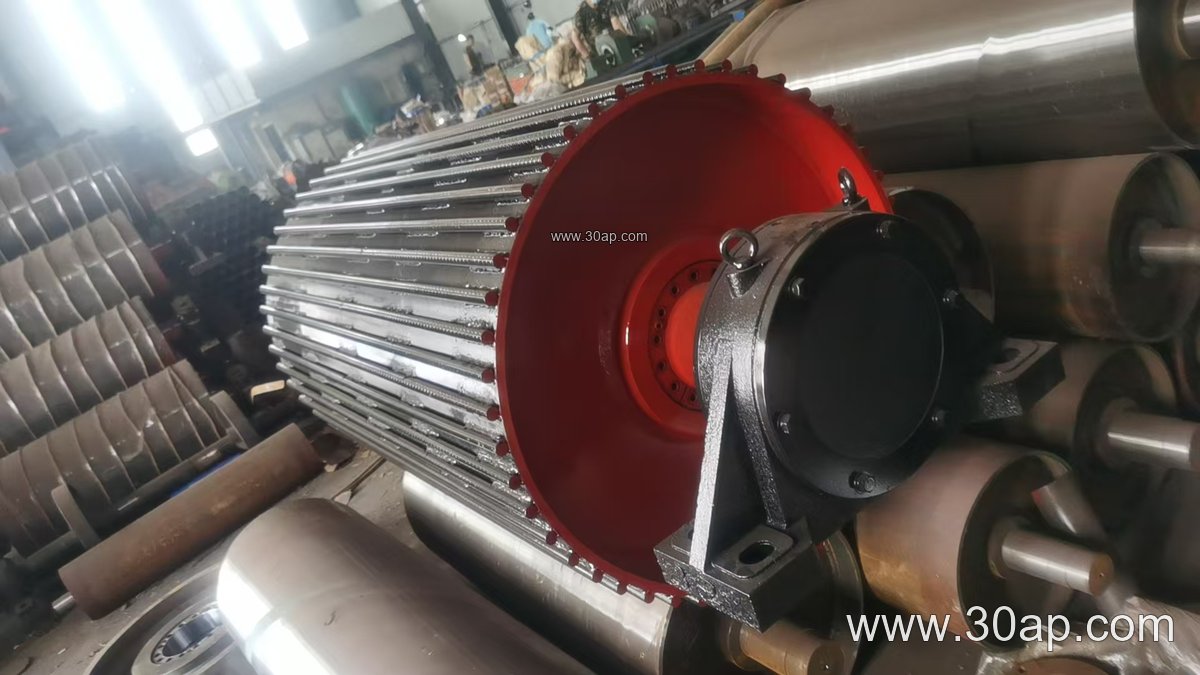
The pulley works alongside the conveyor belt, the idler roller sets and the conveyor bracket that holds the assembly in line. A ceramic lagged head pulley paired with a well-tracked abrasion resistant conveyor belt is a common combination in crushing and screening plants, and the same approach is used on tension pulleys in long overland lines.
Common Dimensions and Combinations
Buyers usually specify the pulley by belt width, shell diameter, face width, shaft diameter and lagging thickness. The table below gives reference values that appear in general engineering practice; they are starting points for discussion, not fixed rules. A given belt width can work with several pulley diameters depending on torque, belt tension and wrap angle.
| Parameter | Common reference range |
|---|---|
| Belt width (B) | B400, B500, B650, B800, B1000, B1200, B1400, B1600, B1800, B2000 |
| Pulley diameter | Ø200, Ø250, Ø315, Ø400, Ø500, Ø630, Ø800, Ø1000, Ø1250 |
| Face width (approx.) | B400 about 500 mm; B800 about 950 mm; B1200 about 1400 mm; B1600 about 1800 mm |
| Lagging thickness | 8, 10, 12, 15, 20 mm |
| Shaft diameter | Ø50 to Ø200, sized by torque and load |
Examples such as B800 × Ø500 or B1200 × Ø1000 are frequently quoted, but the shaft diameter should always be calculated from the actual torque and bearing load rather than taken from the belt width alone. A heavy-duty mining conveyor belt running at high tension may need a larger shaft than a lightly loaded quarry line of the same width.
Selection and Maintenance Notes
When specifying an anti-slip ceramic lagged pulley, confirm the duty position first. Drive pulleys need the highest traction and usually the thickest lagging; bend pulleys can use a thinner layer. Check that the ceramic pattern suits the belt: aggressive tiles can accelerate wear on a thin fabric core conveyor belt, while a steel cord conveyor belt generally tolerates a more pronounced profile. In food or clean-room settings, ceramic lagging is rarely the right choice, and a smooth or food grade conveyor belt compatible surface is preferred.
Maintenance is mostly inspection. Look for missing or cracked tiles, rubber undercutting at the tile edges, and build-up of sticky material in the grooves. Replace lagging when tile loss exceeds a small fraction of the surface, because bare rubber patches slip first and spread. Keep the belt cleaner and the pulley scraper working; ceramic grip cannot compensate for a belt underside packed with wet fines.
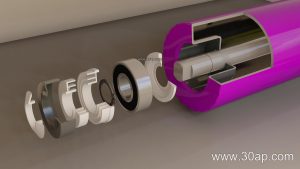
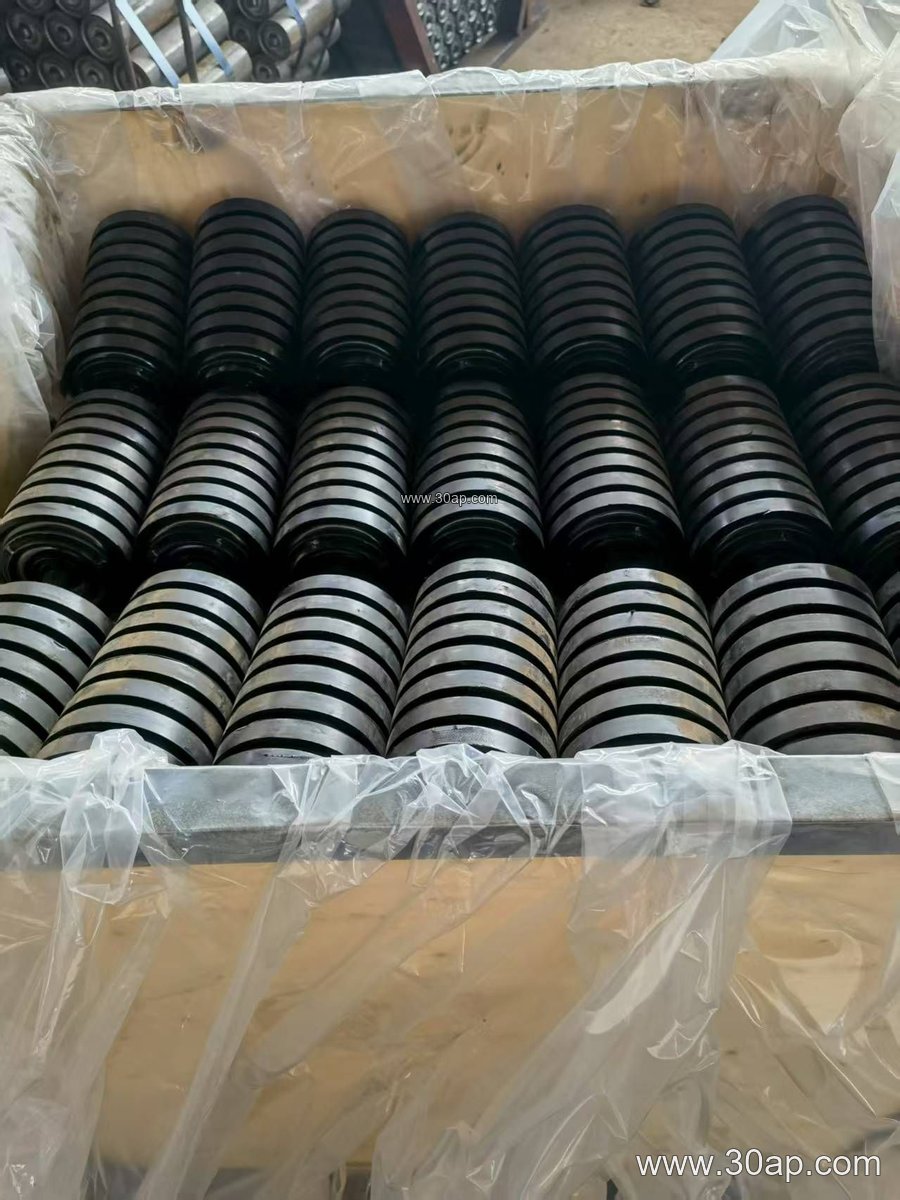
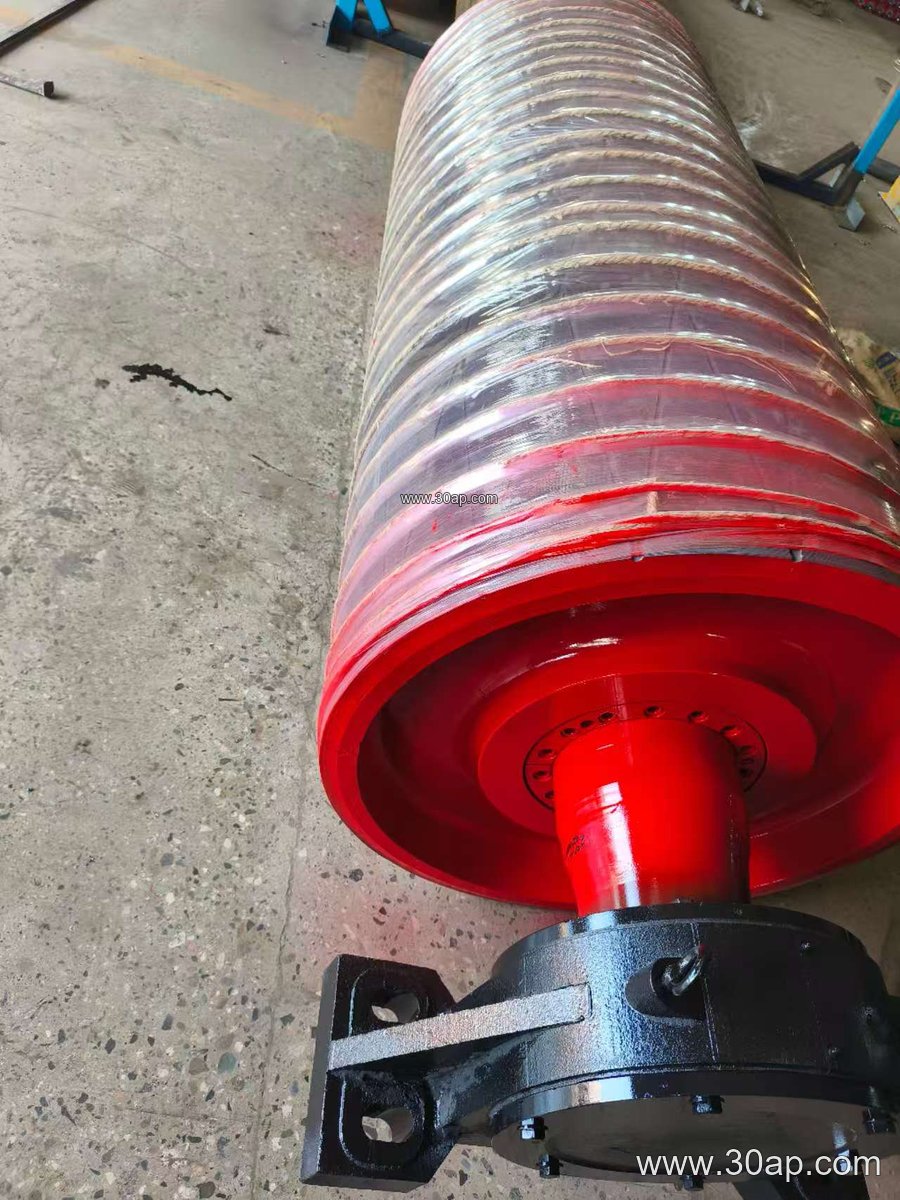
For a full conveyor pulley assembly, pair the lagged shell with correctly sized bearings, a suitable shaft and a rigid conveyor bracket. Matching the pulley to the belt, the idler roller spacing and the load profile is what keeps an anti-slip ceramic lagged pulley doing its job season after season.