What a Conveyor Side Guide Roller Does
A conveyor side guide roller is a small but critical component mounted along the edges of a conveyor belt to keep it centered and prevent misalignment. Often referred to as a side guide roller, this idler-style roller is positioned vertically or at a slight angle near the belt edges, especially on the carrying side where material loading can cause the belt to drift. In industries such as mining, coal preparation, cement plants, and power plant coal handling, a well-placed side guide roller reduces edge damage and spillage, extending the life of the conveyor belt and adjacent components.
Unlike a standard idler roller that supports the belt from below, the side guide roller operates at the belt edge, applying gentle lateral force to correct tracking deviations. It is frequently used in conjunction with self-aligning idler sets but serves a distinct purpose by addressing localized edge wander before it escalates into full belt misalignment.
Construction and Key Features
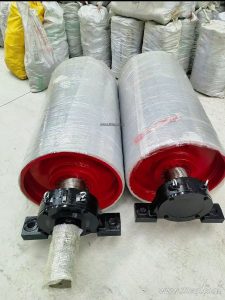
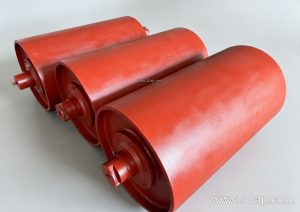
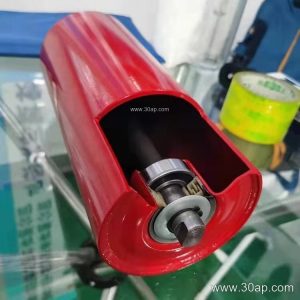
Most conveyor side guide rollers share a similar build with standard idlers: a steel tube shell, bearing housings, and a shaft. However, their compact size and edge-focused function call for specific design considerations:
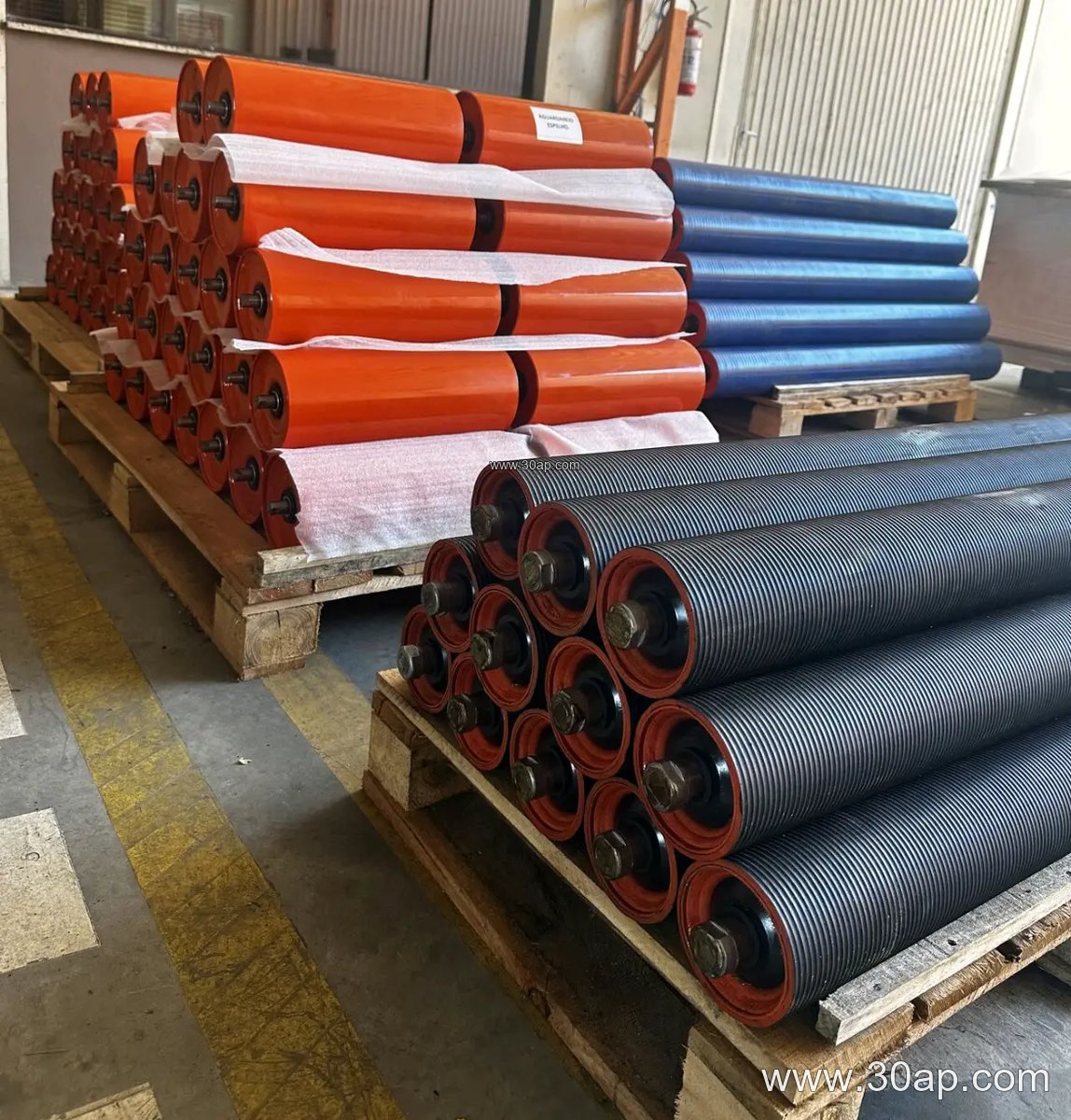
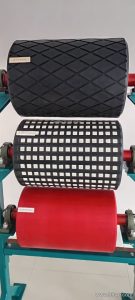
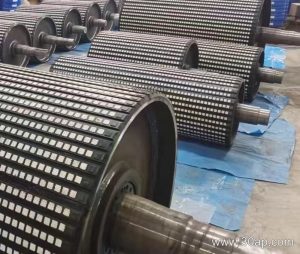
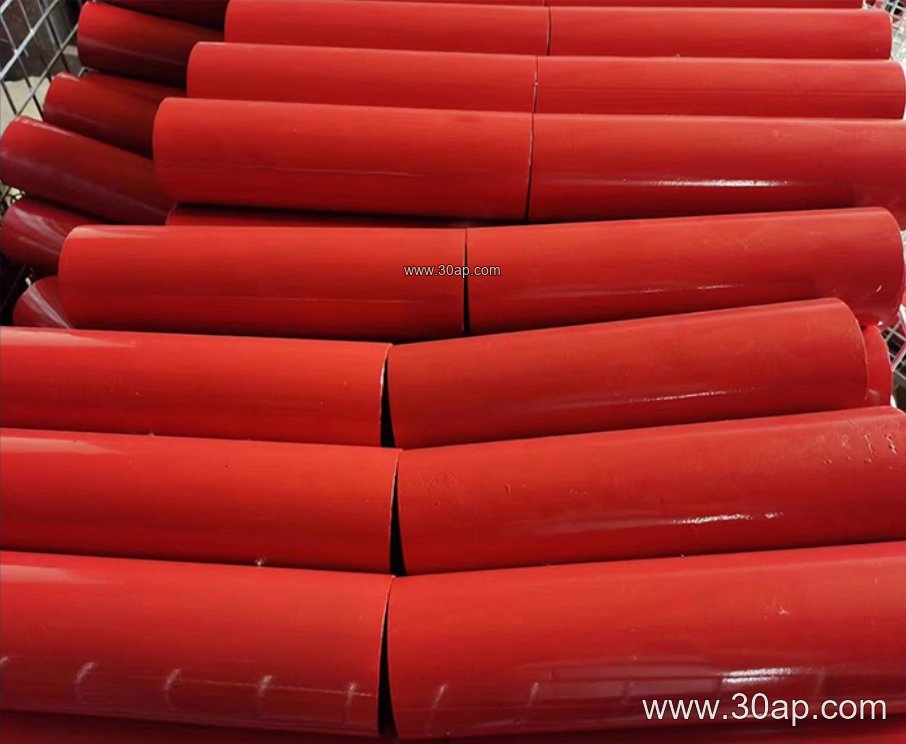
- Roller surface options: Plain steel, nylon, or rubber-covered shells. Rubber lagging can improve grip and reduce belt edge wear, making these rollers suitable for abrasive environments like quarry or aggregate lines.
- Bearing selection: Common bearing numbers include 6204, 6205, 6305, and 6306, chosen according to radial load and speed. The bearing is sealed to keep out dust and water, which is vital in coal mining or cement plants where fine particles are prevalent.
- Mounting: Typically fixed to a conveyor bracket or a dedicated support frame. The bracket allows for adjustment of the roller’s position relative to the belt edge.
- Shaft and diameter: Shaft diameter and roller diameter are determined by the conveyor design and load, not by belt width alone. Common roller diameters for side guide rollers range from Ø63 mm to Ø133 mm, though larger sizes may be used on very wide belts.
For example, a side guide roller on a B800 belt might use a Ø89 mm shell with a 20 mm shaft, while a B1400 belt could employ a Ø108 mm or Ø133 mm roller with a heavier shaft. These are design choices, not fixed rules.
Where It Is Used
Side guide rollers appear in a wide range of bulk material handling systems. In coal mining and coal preparation plants, they help keep the belt centered on the head and tail sections, especially where loading is off-center. In cement plants and limestone quarries, they protect the belt edges from rubbing against chute walls or structural supports. Power plant coal conveying systems also rely on side guide rollers to maintain belt alignment through transfer points.
Other applications include:
- Port ship loading and unloading conveyors
- Iron ore and copper ore handling in mining operations
- Sand and gravel aggregate lines
- Fertilizer and grain handling facilities
They are often used together with conveyor pulleys, troughing idlers, and return rollers to form a complete belt guidance system. The side guide roller is particularly useful where a conveyor belt is prone to edge damage due to frequent starts, uneven loading, or curved sections.
Selection and Sizing Guidelines
Choosing the right conveyor side guide roller involves more than matching a size to the belt width. Consider the following factors:
- Belt width and speed: Wider belts and higher speeds generally require larger roller diameters and stronger bearing arrangements. Table 1 lists typical roller diameter ranges for common belt widths, but these are indicative and should be confirmed with the conveyor designer.
- Material being conveyed: Abrasive materials like ore or clinker may call for rubber-covered or nylon rollers to reduce wear. In food or grain handling, smooth steel or food-grade nylon may be preferred.
- Environmental conditions: Dust, moisture, and temperature extremes affect bearing seals and lubrication. In underground mining or wash plants, enhanced sealing is advisable.
- Mounting arrangement: The bracket design and adjustment range must allow correct positioning of the roller against the belt edge without excessive pressure.
Table 1: Typical side guide roller diameter ranges by belt width (for reference only)
| Belt Width | Common Roller Diameter Range |
|---|---|
| B500–B800 | Ø63–Ø89 mm |
| B1000–B1200 | Ø89–Ø108 mm |
| B1400–B1600 | Ø108–Ø133 mm |
| B1800–B2000 | Ø133–Ø159 mm |
Note that roller length is not directly tied to belt width; the side guide roller is usually short and its length is determined by the mounting position and the belt edge contact area.
Maintenance and Troubleshooting
Regular inspection of side guide rollers helps prevent belt tracking problems. Check for:
- Free rotation – a seized roller will rub and wear the belt edge quickly.
- Bearing noise or play – indicates seal failure or wear, common in dusty coal or cement environments.
- Surface condition – worn or damaged rubber lagging reduces effectiveness.
- Alignment – the roller should contact the belt edge evenly without excessive force.
Replacing a worn side guide roller is straightforward, but ensure the new unit matches the original specifications or is upgraded for the specific application. Always refer to the conveyor manufacturer’s recommendations for belt tracking adjustments.
For more information on conveyor components and belt selection, visit our conveyor side guide roller page or explore related products like the EP conveyor belt and fabric core conveyor belt used in these systems.