What the Discharge-End Pulley Does
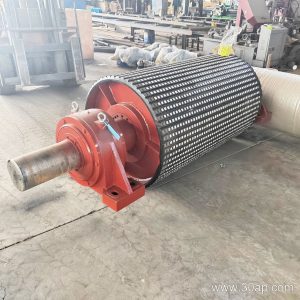
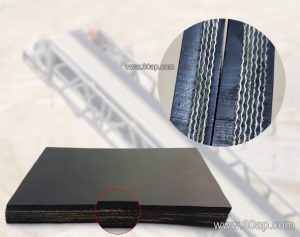
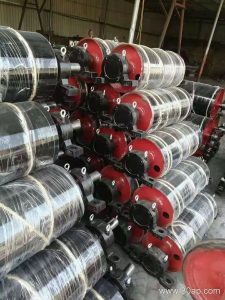
The discharge-end pulley, also called the head pulley or delivery pulley, is the terminal drum at the discharge point of a belt conveyor. It rotates with the conveyor belt and redirects it from the carrying run into the return run while throwing material off the belt into a chute, stockpile or transfer point. Because it sits at the material release point, its diameter, face width and surface condition directly influence belt tracking, discharge trajectory and wear life. In quarry and aggregate lines it often works alongside a heavy-duty conveyor belt that carries abrasive rock, while in coal handling the same drum may be paired with a flame retardant belt for safety.
Construction and Surface Options
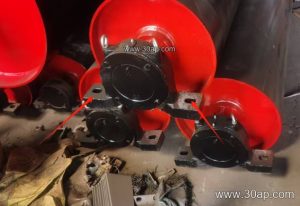
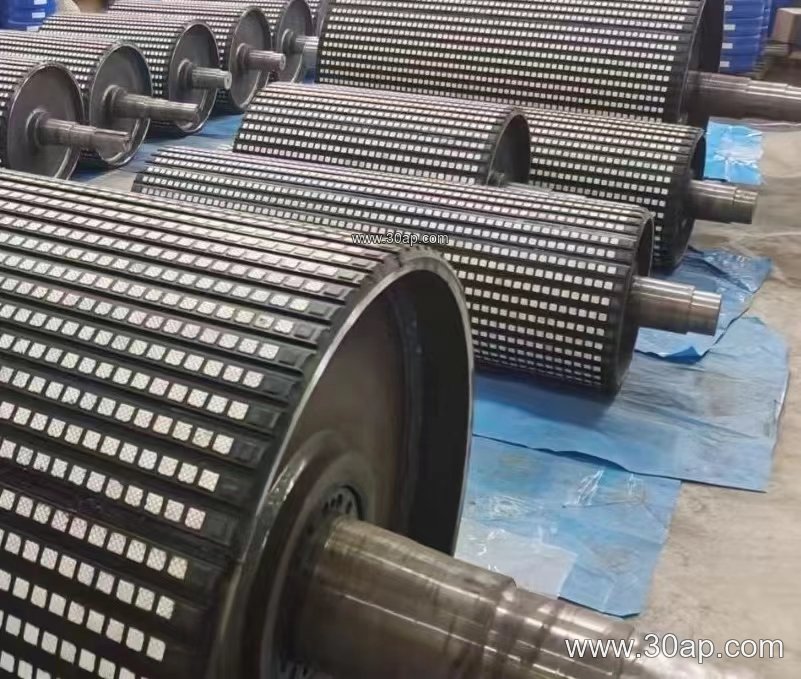
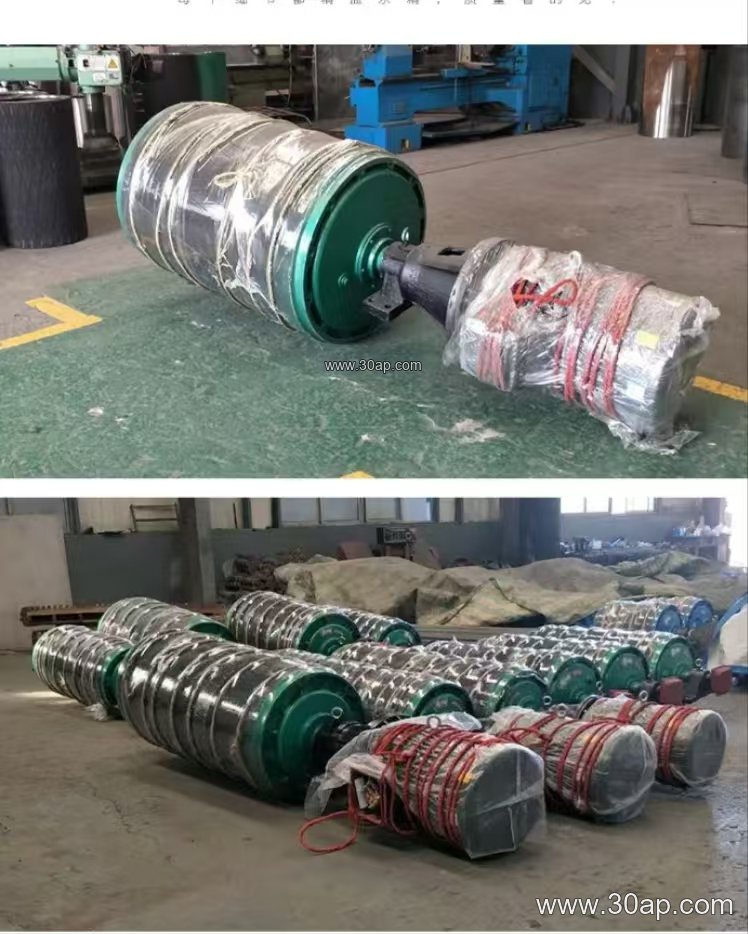
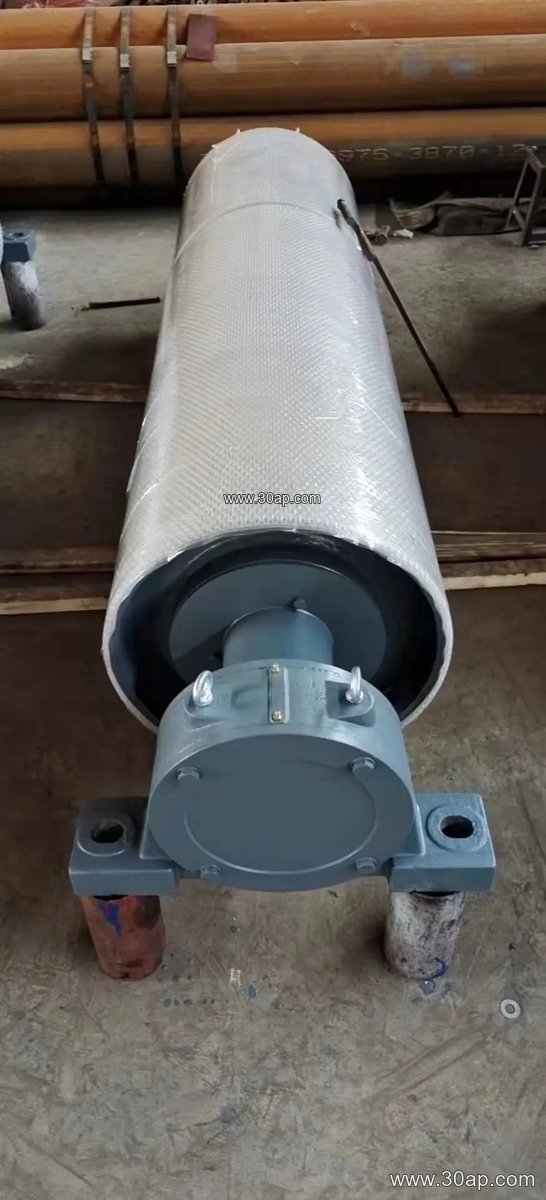
A typical discharge-end pulley is built from a steel shell, end discs, a shaft and hub assembly, with bearing housings mounted on a frame or conveyor bracket. The shell is usually machined for balance and then covered with a lagging selected for grip and wear resistance. Common surface forms include plain steel, hot-vulcanized rubber, cold-bonded rubber, diamond grooved lagging, herringbone lagging and ceramic lagging. Lagging thickness is often 8, 10, 12, 15 or 20 mm depending on duty. The shaft diameter is determined by torque and load, not by belt width alone, so a B800 drum and a B1200 drum can both use different shaft sizes according to the drive arrangement.
Where It Is Used
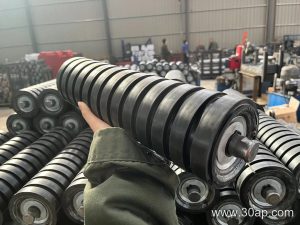
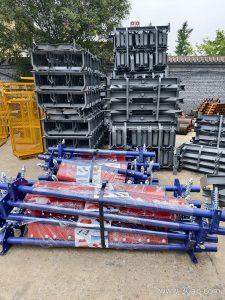
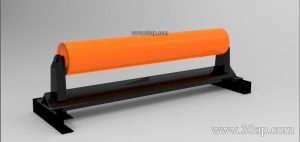
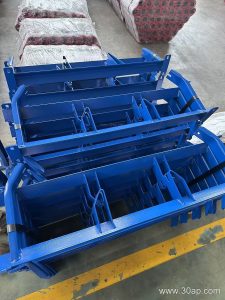
Discharge-end pulleys appear in limestone mines, iron ore concentrators, coal preparation plants, cement clinker lines, power plant coal yards and port bulk terminals. In a crushing and screening circuit, the discharge pulley at the end of a crusher conveyor belt releases stone onto a stockpile or the next screen. In a cement plant, a discharge drum may handle hot clinker with a heat resistant belt, while a coal yard may use a fire resistant belt on the same type of pulley. The drum also works with idler roller sets and conveyor brackets to keep the belt aligned before and after the discharge point.
Common Size References
The following values are reference data, not fixed combinations. Final sizes are set by conveyor design.
| Belt width | Typical pulley face width | Common diameter range |
|---|---|---|
| B500 | about 600 mm | Ø250 to Ø400 |
| B650 | about 750 mm | Ø315 to Ø500 |
| B800 | about 950 mm | Ø400 to Ø630 |
| B1000 | about 1150 mm | Ø500 to Ø800 |
| B1200 | about 1400 mm | Ø630 to Ø1000 |
| B1400 | about 1600 mm | Ø800 to Ø1250 |
| B1600 | about 1800 mm | Ø1000 to Ø1400 |
Shaft diameters commonly range from Ø50 to Ø200, with larger sizes used for high-tension drives. A B1200 × Ø1000 discharge pulley and a B800 × Ø500 tail pulley are both realistic examples, but they are not interchangeable because the duties differ.
Buyer Checklist
- Confirm the belt width, belt type and maximum belt tension so the drum shell and shaft can be sized correctly.
- Match the lagging to the material: diamond or ceramic lagging for wet, abrasive ore; plain or rubber lagging for cleaner service.
- Check the discharge chute geometry so the belt leaving the pulley does not rub or mis-track.
- Verify bearing type, housing position and whether the pulley is mounted on a conveyor bracket or a separate frame.
- Consider the belt construction in the rest of the line, such as EP or steel cord belt, because stiffness affects the minimum pulley diameter.
Maintenance Notes
Inspect lagging wear at each shutdown, especially in quarry and mining duty where rock impacts the drum face. Keep the discharge area clear so material does not build up against the pulley. Check bearing temperature and shaft alignment, and retighten or replace lagging before the belt starts slipping. A well-matched discharge-end pulley protects the belt and keeps the discharge point productive.