What a Tail Drive Pulley Does
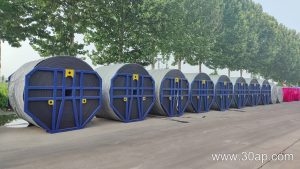
A tail drive pulley is a conveyor pulley mounted at the tail end of a belt conveyor that also serves as the drive point. Unlike a conventional head drive arrangement, the motor and gearbox are located at the rear of the conveyor, pulling the belt from the return side. This configuration is common in space-restricted quarry and aggregate processing lines where the head end must remain clear for discharge. The tail drive pulley is therefore both a drive component and a direction-changing element, working in tandem with the conveyor belt to move material through crushing, screening, and stockpiling circuits.
Construction and Surface Options
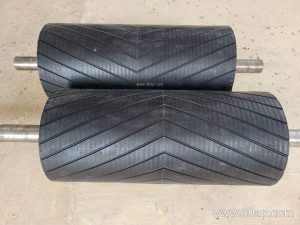
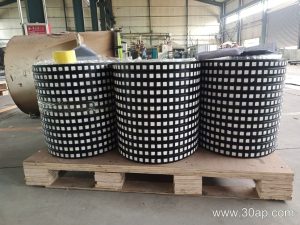
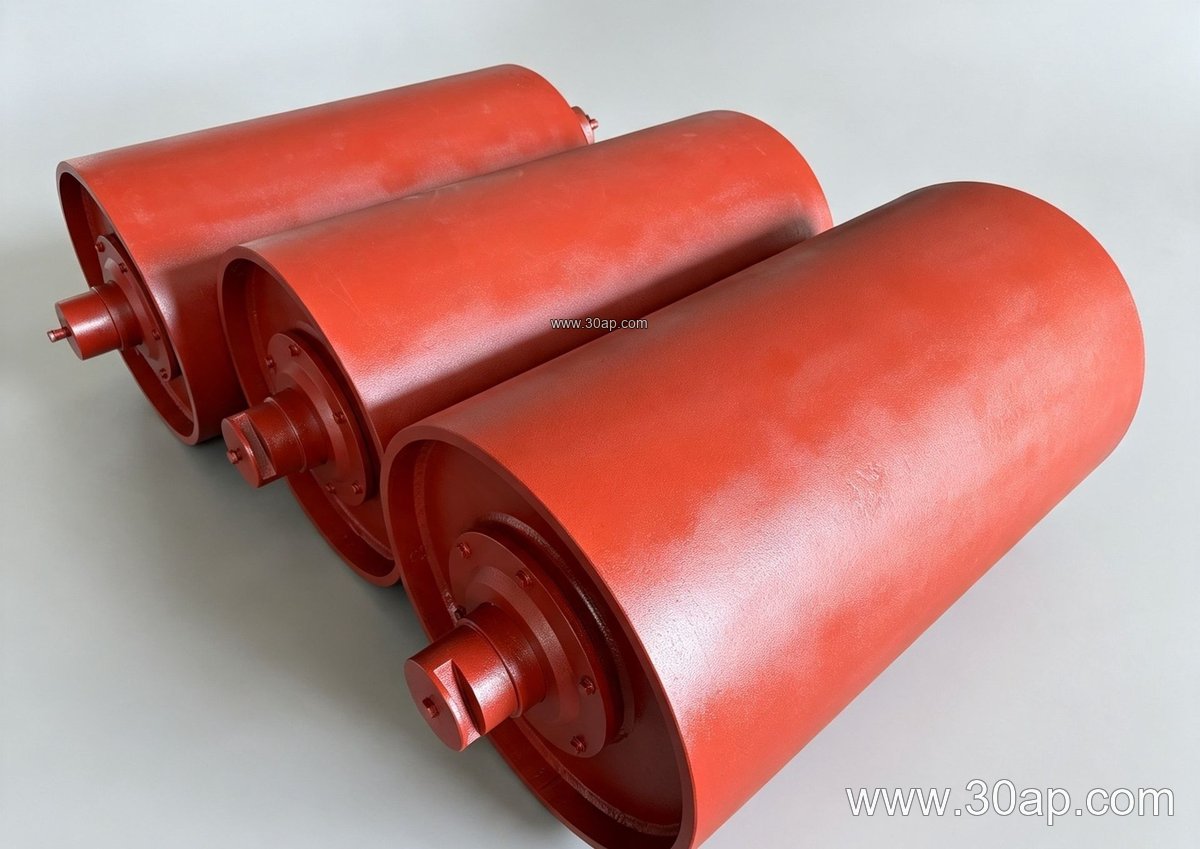
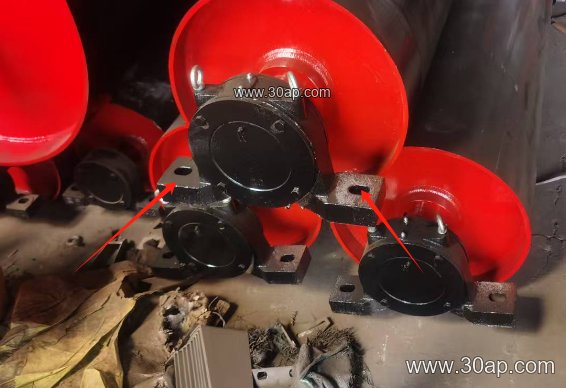
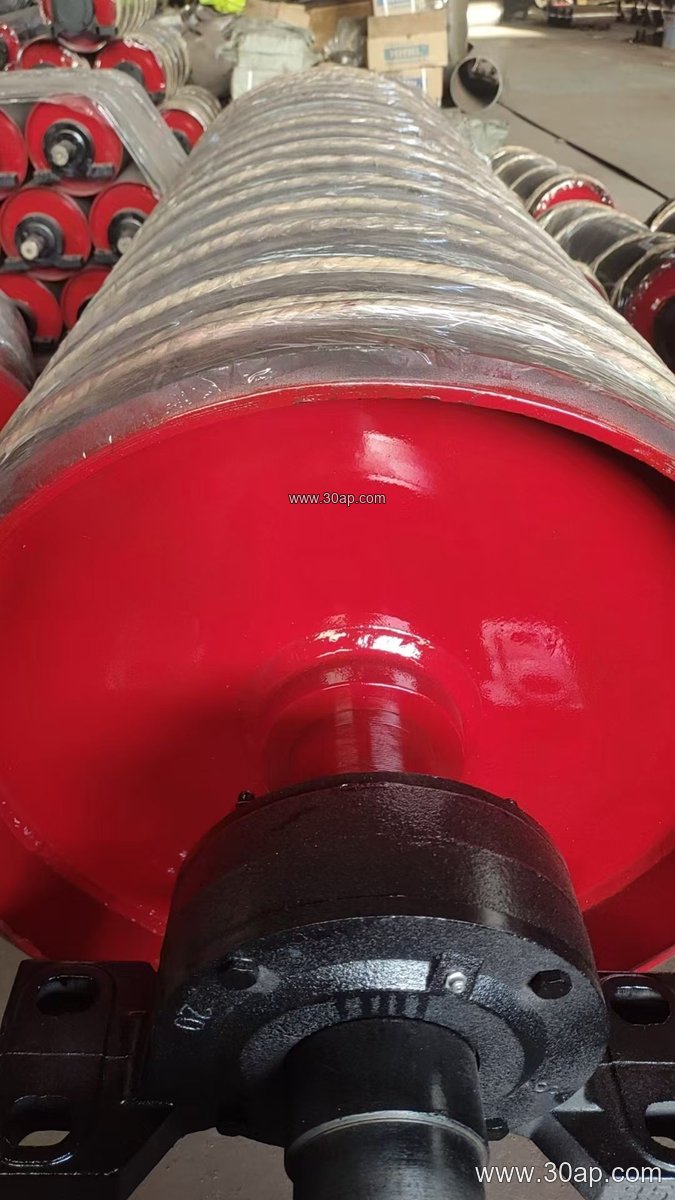
These pulleys are built around a heavy-duty shaft, hub, and shell assembly. The shell is typically machined to accept lagging, which improves traction between the pulley and the belt. Common surface forms include plain, cast rubber, cold-bonded rubber, hot-vulcanized rubber, diamond lagging, herringbone lagging, and ceramic lagging. Lagging thickness often ranges from 8 mm to 20 mm depending on the required grip and abrasion conditions. For dusty aggregate operations, diamond or herringbone rubber lagging helps shed fines and maintain friction. Shaft diameters are not tied to belt width alone; they are selected by torque and load calculations, with common sizes including Ø50, Ø80, Ø120, Ø160, and Ø200 mm.
Where It Fits in the Flow
In a sand and gravel plant, a tail drive pulley might be installed on a short transfer conveyor beneath a screen, where the drive must sit low and out of the way. In a limestone quarry, it can be found on a conveyor feeding a primary crusher, pulling a heavy-duty mining conveyor belt loaded with run-of-mine rock. The tail drive arrangement is also useful in tunnel mucking and underground mining conveyor systems where the head area is congested. Because the pulley sits at the belt’s return point, it must handle both the driving torque and the tension from the take-up system.
Matching the Pulley to the Belt
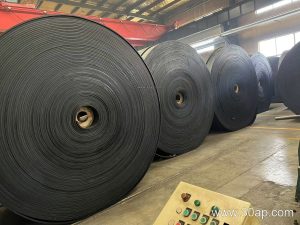
Belt width and pulley face width are closely related, but the pulley diameter should be chosen based on belt tension, speed, and the minimum bend radius recommended for the belt construction. For example, a B800 conveyor belt often pairs with a pulley face around 950 mm, and a B1200 belt with a face around 1400 mm. Diameters such as Ø500, Ø630, Ø800, and Ø1000 mm are common in aggregate duty, but a single belt width can work with more than one diameter. The belt itself may be an EP conveyor belt, NN conveyor belt, or steel cord conveyor belt, each with different flexibility and tension requirements. A fabric core conveyor belt generally tolerates a smaller pulley diameter than a steel cord belt of similar strength.
Buyer Checklist
- Confirm the actual belt width and the required pulley face width, allowing for belt tracking.
- Specify lagging type and thickness for the site conditions—abrasion, oil, or heat.
- Provide the belt’s minimum pulley diameter requirement from the belt manufacturer.
- State the shaft diameter based on torque calculations, not just belt width.
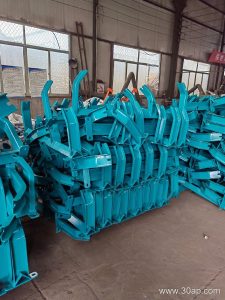
- Check compatibility with conveyor brackets and idler roller frames at the tail station.
- Consider the take-up method and whether the pulley will also act as a tension pulley.
Maintenance and Long-Term Reliability
Tail drive pulleys are exposed to dust, water, and material buildup. Regular inspection of lagging wear, shaft seals, and bearing condition helps prevent belt slippage and tracking problems. In cement plants and power plant coal handling, a worn lagging surface can reduce drive efficiency and stress the conveyor belt. Keeping the pulley clean and aligned with the conveyor frame extends both pulley and belt life.
Related Equipment and Selection Notes
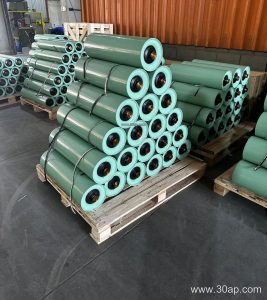
A tail drive pulley does not work alone. It relies on properly sized conveyor pulleys at the head and take-up, as well as conveyor idler rollers that support the belt along its run. When specifying a tail drive pulley, buyers should also review the belt’s tensile strength and construction, since an EP200 or EP300 belt may require a different pulley diameter than a heavier EP500 or ST1600 belt. For abrasive quarry conveyor belts, ceramic lagging can be a practical choice, while heat resistant conveyor belts in cement kiln areas may need heat-tolerant lagging. Always confirm dimensions and load ratings with the pulley manufacturer before ordering.