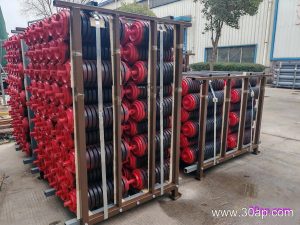
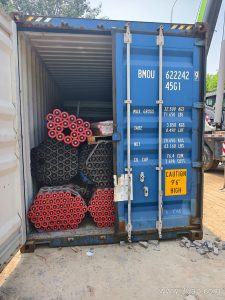
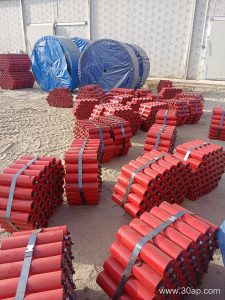
What a Guide Pulley Does on a Conveyor
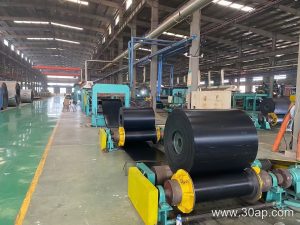
A guide pulley is a small-diameter roller mounted at strategic points along a conveyor to keep the belt running true, control edge position, and prevent mistracking. Unlike drive, tail, or bend pulleys, which transmit power or change the belt’s direction, the guide pulley (often called a belt guide roller or aligning roller) works as a correction device. It is common in aggregate plants, coal handling systems, and cement kilns where belt alignment directly affects spillage and downtime. The guide pulley is frequently used together with a conveyor belt, idler roller, and conveyor bracket to form a stable belt path.
Construction and Common Configurations
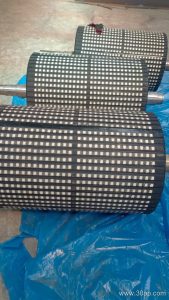
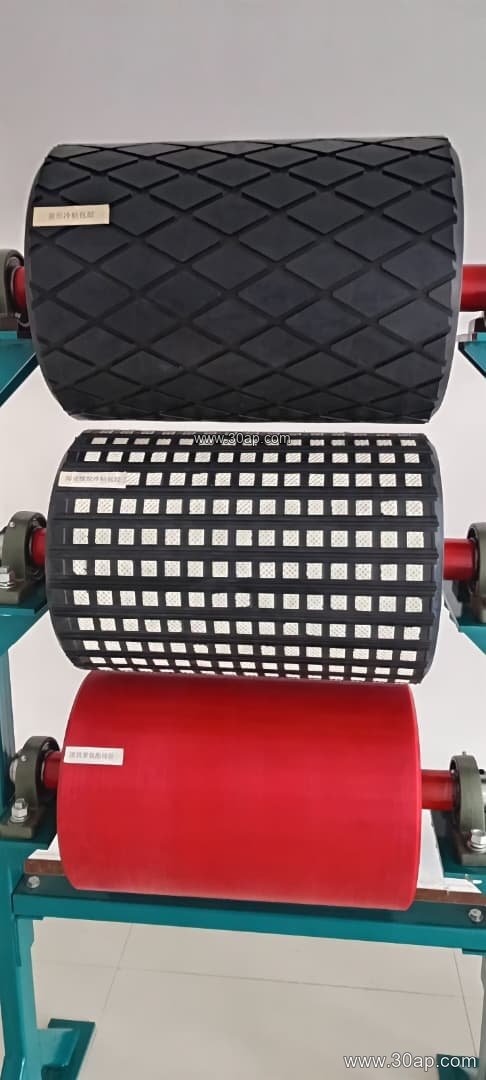
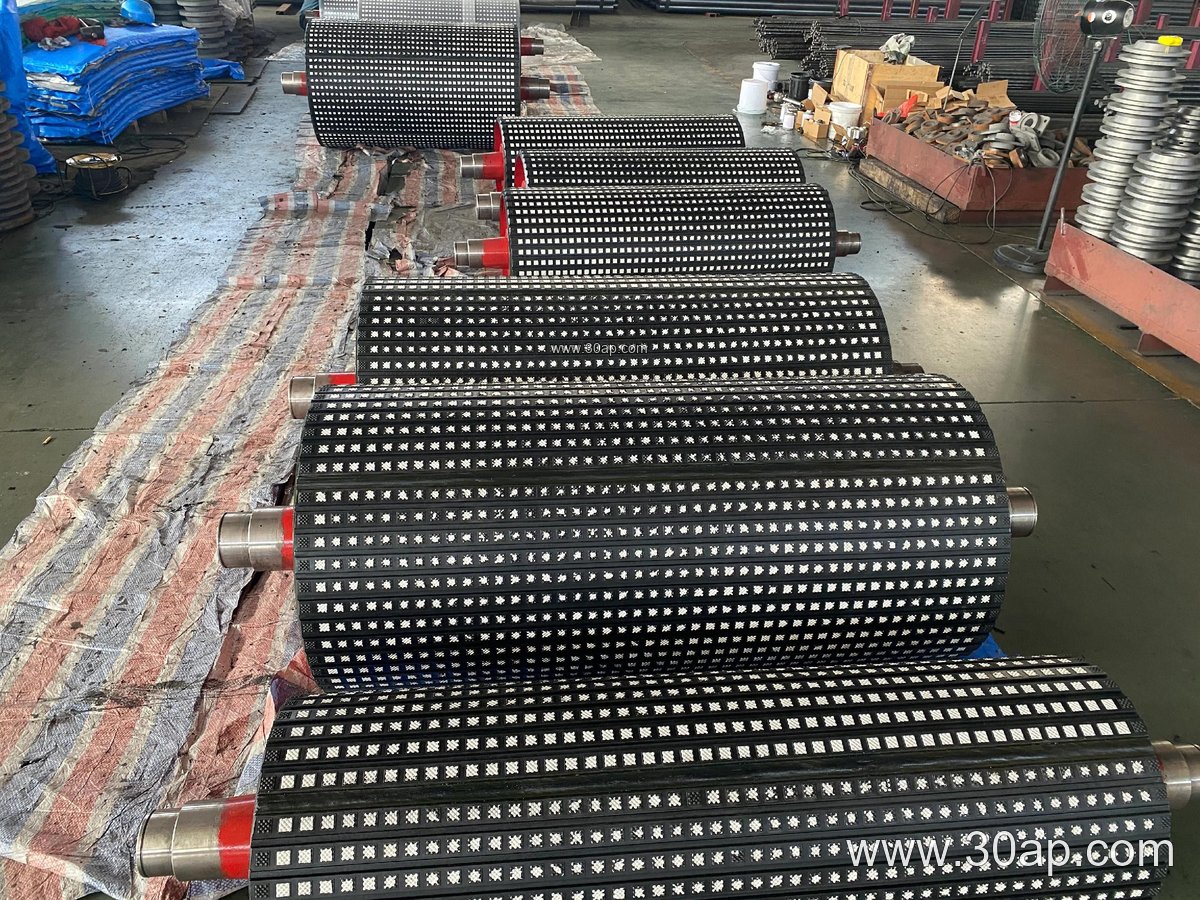
Most guide pulleys share a simple build: a steel tube shell, welded end discs, a through shaft, and bearing housings. The shell may be plain steel or covered with rubber lagging for grip and wear protection. For dusty or wet conditions, sealed bearings and protective end caps help extend service life. Typical surface options include plain, diamond-grooved rubber, and ceramic lagging, with lagging thicknesses commonly 8, 10, 12, 15, or 20 mm. Shaft diameters are usually sized by torque and load rather than belt width alone; common shaft sizes range from Ø50 to Ø200 mm. The table below lists reference combinations that illustrate typical guide pulley dimensions—these are examples, not fixed rules.
| Reference | Belt Width (mm) | Pulley Diameter (mm) | Face Width (mm) | Typical Shaft (mm) |
|---|---|---|---|---|
| GP-1 | B500 | Ø200 | 600 | Ø60 |
| GP-2 | B650 | Ø250 | 750 | Ø70 |
| GP-3 | B800 | Ø315 | 950 | Ø80 |
| GP-4 | B1000 | Ø400 | 1150 | Ø100 |
| GP-5 | B1200 | Ø500 | 1400 | Ø120 |
| GP-6 | B1400 | Ø630 | 1600 | Ø140 |
| GP-7 | B1600 | Ø800 | 1800 | Ø160 |
These values should be confirmed against actual conveyor design, belt tension, and available space. A guide pulley is not a substitute for a drive pulley or a bend pulley; each has a distinct role in the conveyor system.
Where Guide Pulleys Are Used
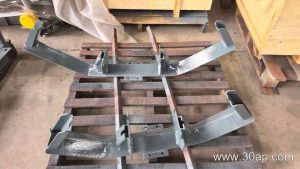
In a quarry or sand and gravel line, a guide pulley is often placed just before the head pulley to center the belt as it discharges. In coal mining and underground mining conveyors, guide pulleys help keep flame retardant conveyor belts from rubbing against structure. Cement plants and power plant coal yards use them on long overland conveyors where wind and off-center loading cause mistracking. The guide pulley also works alongside conveyor brackets and idler rollers to maintain proper belt support. Other industries such as steel plants, port bulk terminals, and fertilizer handling also rely on guide pulleys for belt training.
Selection and Maintenance Tips
Buyers should match the guide pulley to belt width, belt speed, and the expected side load. Face width is normally wider than the belt—for example, a B800 belt typically uses a pulley face around 950 mm, while a B1400 belt may use about 1600 mm. Do not assume one belt width matches only one pulley diameter; multiple combinations are possible. Lagging choice matters: rubber lagging improves friction and sheds material, while ceramic lagging suits high-abrasion service. Regular inspection of bearing play, lagging wear, and mounting bolts prevents unexpected belt damage. For conveyors carrying abrasive ore or heavy bulk material, a guide pulley with reinforced bearings and wear-resistant lagging is often preferred. Keep spare guide pulleys on hand for critical circuits to reduce downtime.
For related conveyor components such as conveyor pulleys, conveyor belts, and idler rollers, consult your conveyor designer to ensure the guide pulley fits the overall system.