Introduction to Conveyor Bracket Construction Subtypes
A conveyor bracket is a critical structural support element designed to secure idler roller assemblies and maintain precise belt alignment across heavy industrial bulk handling systems. While casual observers may view it as a simple bent steel plate, a properly engineered conveyor bracket must withstand continuous dynamic loads, heavy impact forces from falling aggregates, and intense vibration. In harsh operating environments such as a dusty quarry, these components face severe environmental challenges where mineral dust penetrates every structural joint, making the choice of construction subtype vital for long-term reliability.
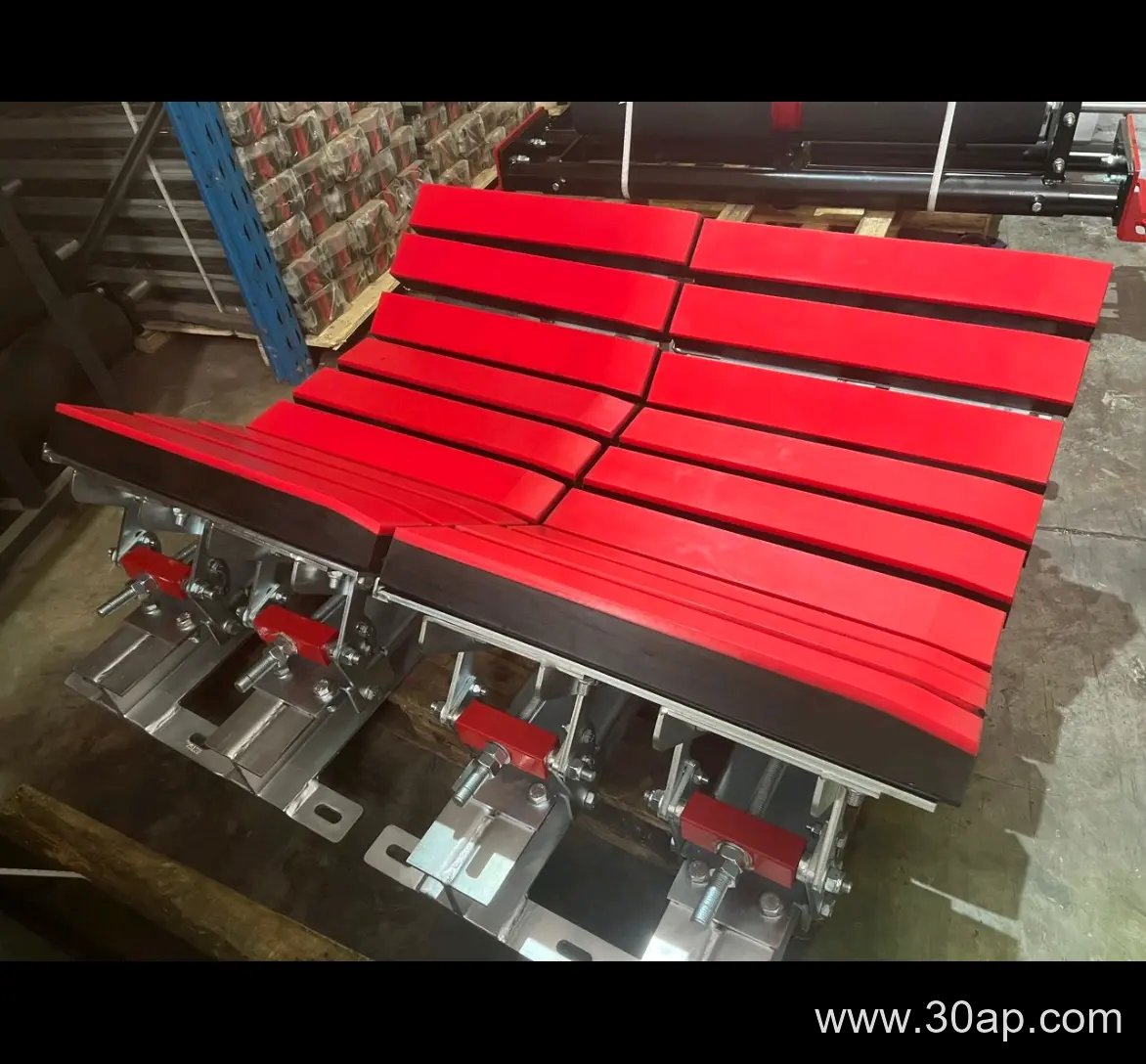
Welded Versus Pressed Conveyor Bracket Designs
Understanding the fundamental construction methods helps engineers select the correct hardware for specific load profiles. The market generally divides these components into two primary manufacturing subtypes based on how their structural shape is achieved.
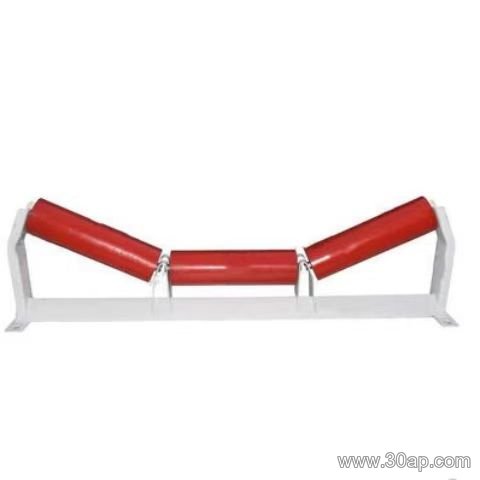
- Welded conveyor bracket variants: Constructed from heavy steel plates joined by continuous structural welds, these units offer high rigidity and excellent resistance to severe bending moments. They are commonly deployed at high-capacity transfer points where massive shock loads occur.
- Pressed or stamped conveyor bracket variants: Formed from sheet metal using heavy press brakes or hydraulic stamping dies, these components provide a uniform profile with optimized weight ratios. They are frequently utilized along long, overland stringer runs where dead weight reduction is a priority.
Structural Features and Geometric Design
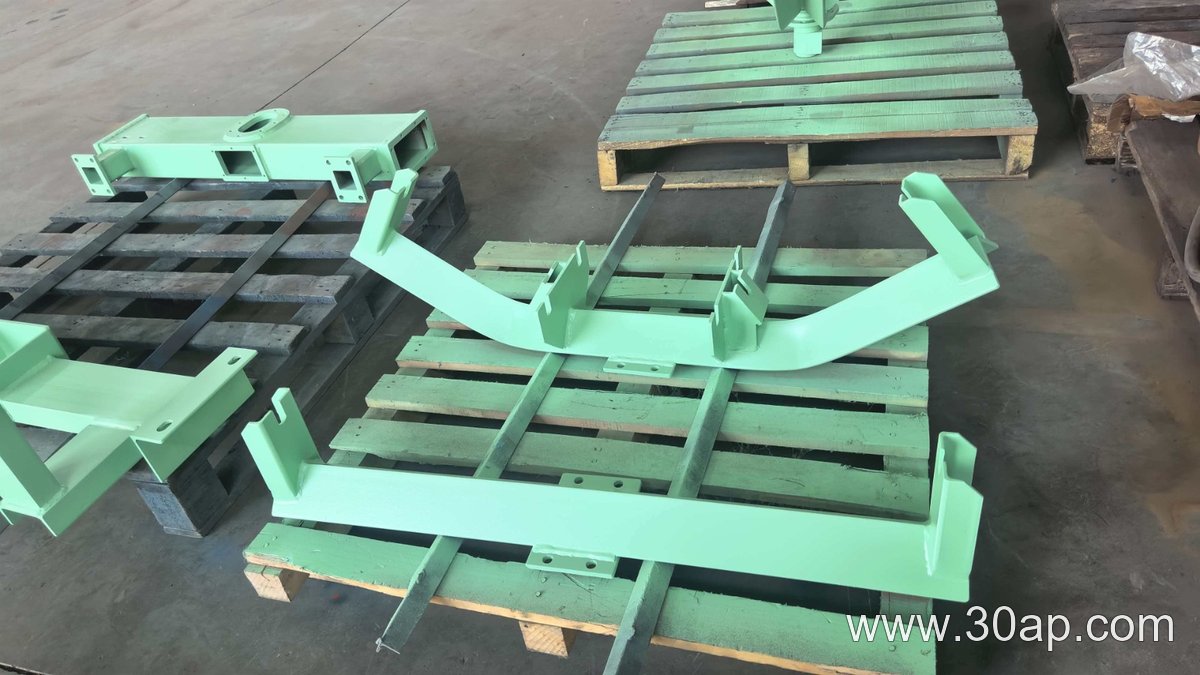
The mechanical performance of any conveyor bracket relies heavily on its geometric features, including gusset placement, mounting slot configurations, and material thickness. Designers incorporate strategic stiffening ribs to increase the section modulus, preventing the framework from twisting when eccentric belt forces pull sideways on the idler rollers. In a dusty quarry environment, where airborne silica and stone particles coat every surface, open geometries and self-draining angles are essential. These features prevent abrasive material from pooling around bolt holes and crevice joints, which would otherwise accelerate localized wear and structural corrosion.
Primary Industrial Uses and Operational Applications
Conveyor brackets find application across a wide spectrum of material handling infrastructure, adapting to different duty classes depending on their deployment zone.
- Primary crushing and screening lines: Heavy-duty units absorb intense shock and vibration generated as raw quarried rock drops directly onto the belt.
- Overland conveyor galleries: Medium-duty configurations support thousands of continuous idler sets over long distances, balancing structural stiffness with thermal expansion flexibility.
- Stacker and reclaimer booms: Specialized articulated subtypes accommodate rotational forces and changing angular loads while keeping the belt securely tracked.
Summary of Selection Considerations
Choosing the correct conveyor bracket requires careful evaluation of the operating duty cycle, environmental exposure, and structural loading parameters. By matching the construction subtype—whether welded plate or pressed steel—to the specific demands of the material handling path, engineers ensure structural integrity, minimize unexpected downtime, and extend the operational lifespan of the entire conveying system.