Understanding the EP Fabric Core Conveyor Belt
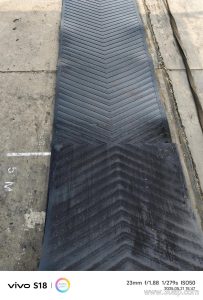
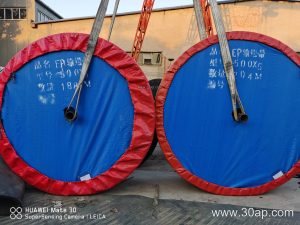
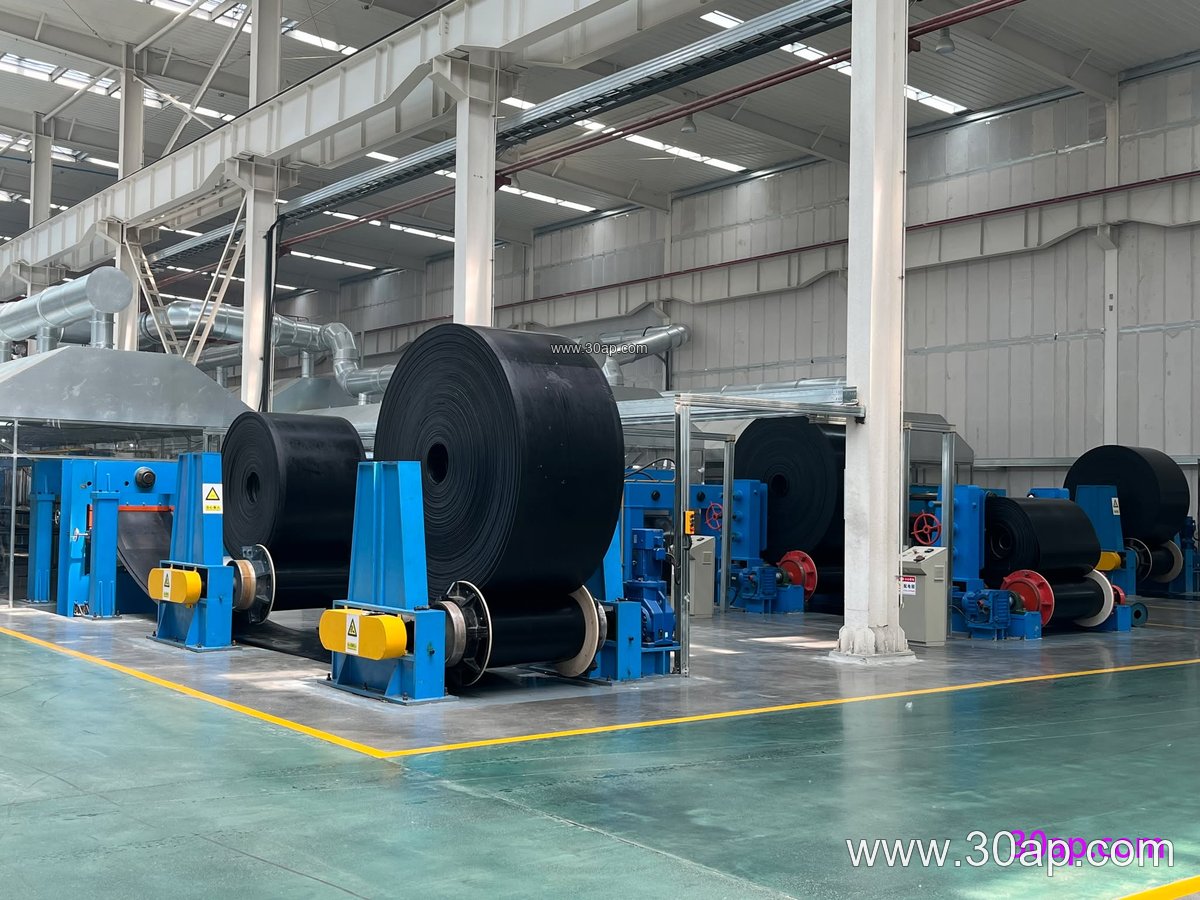
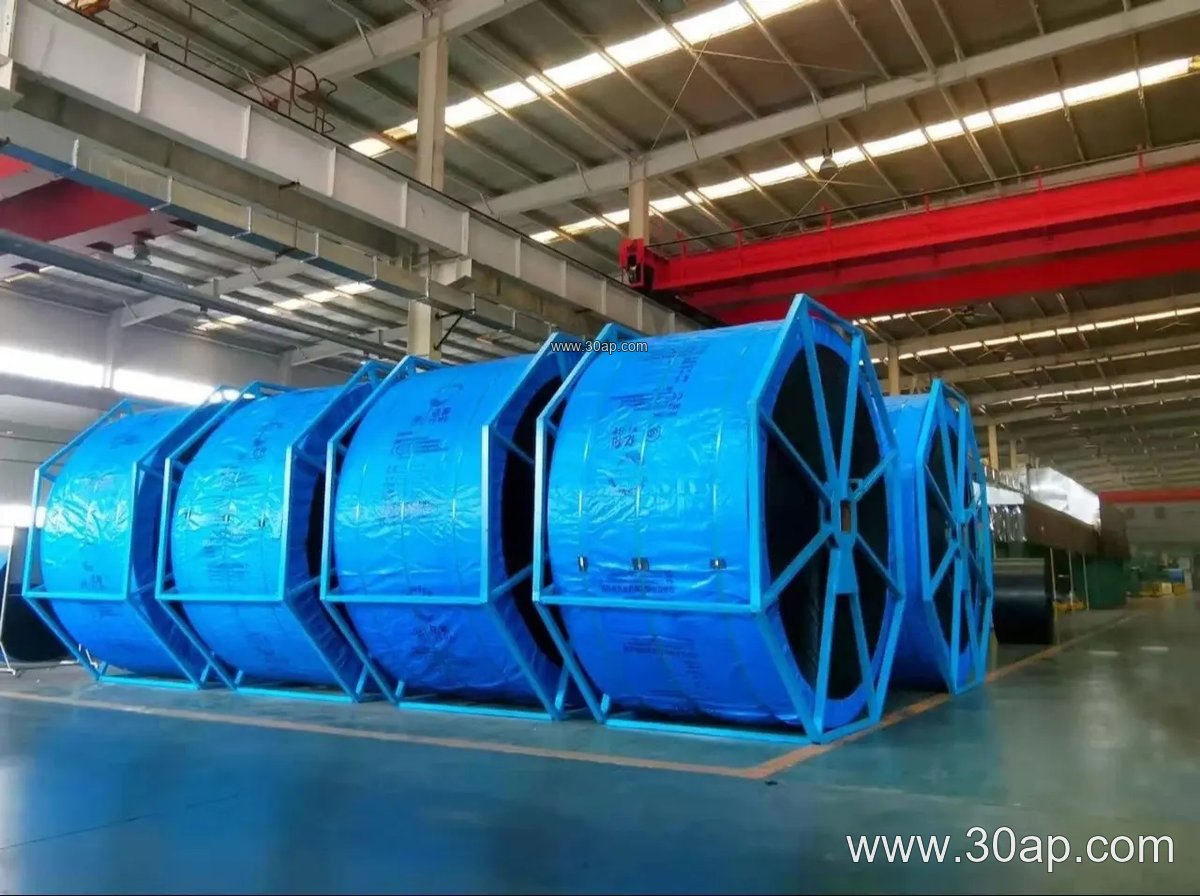
The EP Fabric Core Conveyor Belt is a heavy-duty rubber conveyor belt built around a skeleton of polyester and nylon (EP) fabric plies. This construction gives the belt excellent tensile strength, low elongation, and good resistance to impact and fatigue, making it a dependable choice for moving bulk materials in mines, cement plants, power stations, quarries, and ports. Often referred to simply as an EP conveyor belt or EP rubber conveyor belt, it is one of the most widely used fabric core belts in industrial conveying systems.
Construction and Key Components
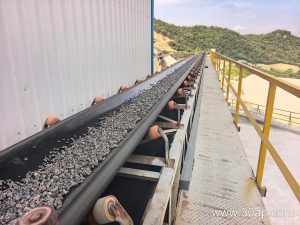
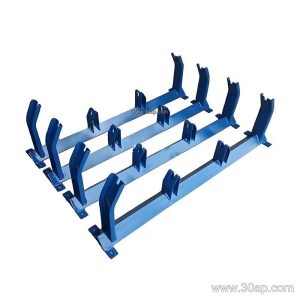
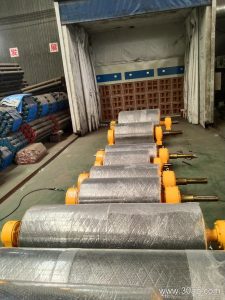
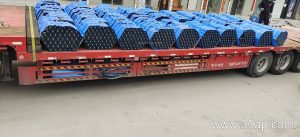
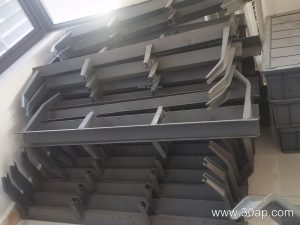
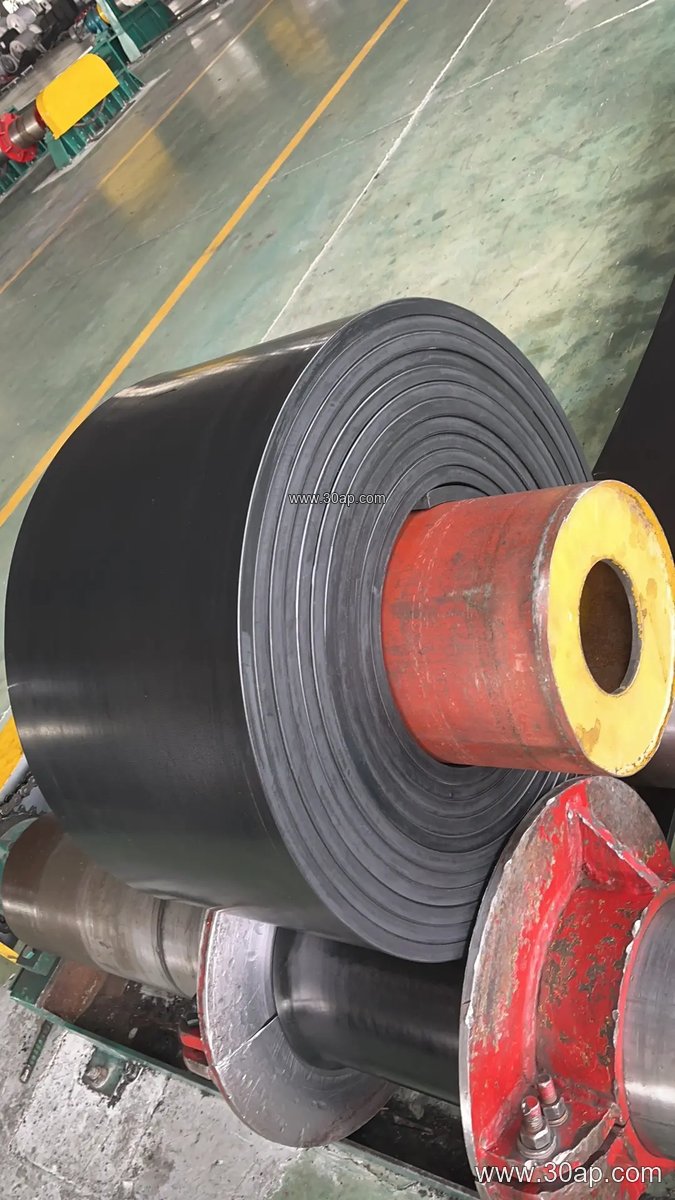
An EP fabric core belt consists of multiple layers of EP fabric, typically 2 to 6 plies, bonded together with rubber. The fabric provides the belt’s strength and dimensional stability, while the rubber covers protect the carcass from abrasion, moisture, and chemical attack. The top and bottom cover thicknesses are selected according to the duty: common combinations include 3+1.5 mm, 4+2 mm, 5+2 mm, 6+2 mm, and 8+3 mm. The belt edges are usually protected to prevent ply separation and edge wear. The finished belt runs over conveyor pulleys, supported by idler rollers and conveyor brackets along the carrying and return sides.
Where the EP Belt Performs Well
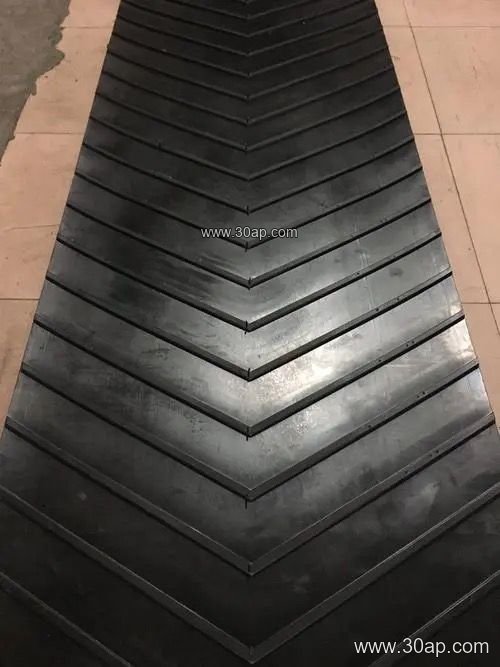
Because of its balanced strength and flexibility, the EP fabric core conveyor belt is found in a wide range of industries. In mining and coal preparation, it handles ore, coal, and waste rock. In cement plants, it conveys clinker, limestone, and raw meal. Power plants use it for coal and ash handling, while quarries and sand making plants rely on it for crushed stone and aggregate. The belt also appears in steel plants, ports for ship loading, recycling facilities, and construction material yards. For applications requiring additional protection, variants such as flame retardant, heat resistant, oil resistant, and abrasion resistant conveyor belts are available within the EP family.
Common Specifications and Strength Grades
EP belts are classified by tensile strength per unit width, typically ranging from EP200 to EP2000. The table below lists some common strength grades and typical belt widths; actual dimensions should always be confirmed with the manufacturer or design requirements.
| Strength Grade | Typical Belt Width (mm) | Common Cover Thickness (mm) | Typical Ply Range |
|---|---|---|---|
| EP200 | 500, 650, 800 | 3+1.5, 4+2 | 2–3 |
| EP400 | 800, 1000, 1200 | 4+2, 5+2 | 3–4 |
| EP630 | 1000, 1200, 1400 | 5+2, 6+2 | 4–5 |
| EP1000 | 1200, 1400, 1600 | 6+2, 8+3 | 4–6 |
| EP1250 | 1400, 1600, 1800 | 6+2, 8+3 | 5–6 |
| EP1600 | 1600, 1800, 2000 | 8+3 | 5–6 |
Note that these values are indicative and not a fixed matching rule; belt width and pulley diameter are selected independently based on conveyor design, and shaft diameters are determined by the pulley manufacturer.
Selection and Maintenance Tips
When choosing an EP fabric core conveyor belt, consider the material being conveyed, lump size, operating temperature, and any special hazards. For underground coal mining, a flame retardant and anti-static belt is often required. For hot materials such as cement clinker, a heat resistant grade is necessary. Abrasive ores call for high abrasion resistant covers. The belt should be matched to the conveyor pulley diameters and idler roller spacing to avoid excessive stress. Regular inspection of the belt surface, edges, and splices helps prevent unexpected downtime. Proper tensioning and alignment also extend belt life.
Related Equipment and Alternatives
An EP belt does not work alone; it interacts with conveyor pulleys, idler rollers, and conveyor brackets that support the entire system. In some heavy-duty or long-distance applications, a steel cord conveyor belt may offer higher strength, while NN conveyor belts (nylon-nylon) provide good flexibility for certain impact conditions. However, the EP fabric core belt remains a versatile and cost-effective solution for most bulk material handling needs in mining, cement, power, and quarry operations.