What a Custom Conveyor Bracket Does on the Line
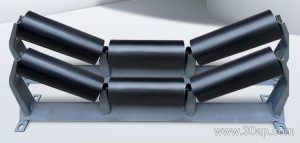
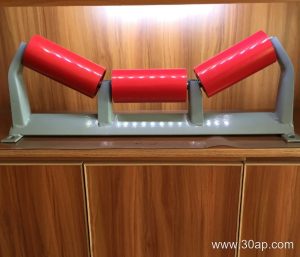
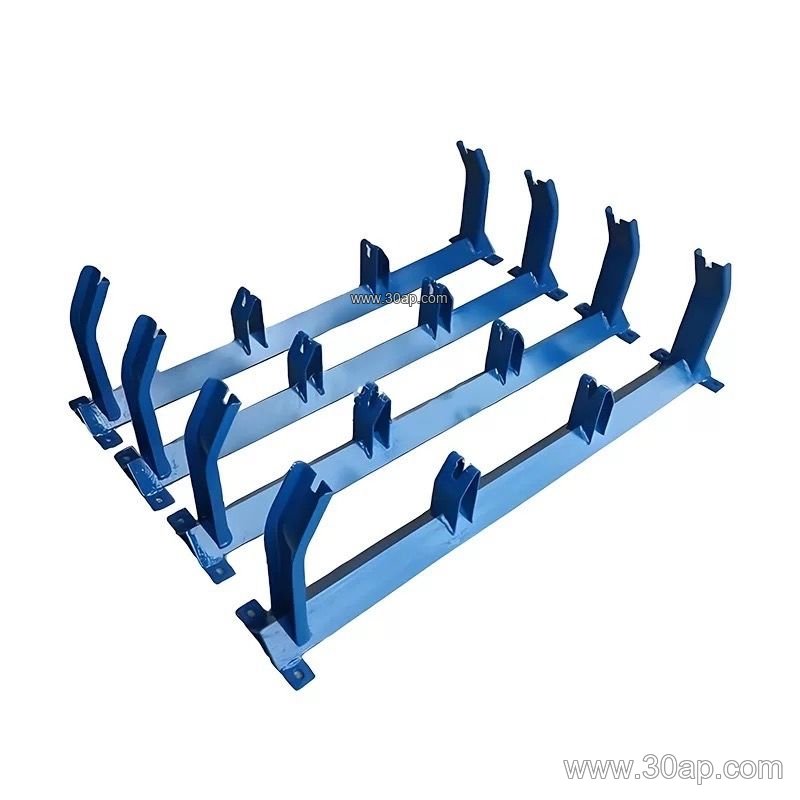
A conveyor bracket is the steel interface between the idler roller and the conveyor frame. It holds each roller at the correct height, spacing and trough angle so the belt keeps its shape under load. When a standard bracket cannot follow the frame geometry, the pulley layout or the material flow, a custom conveyor bracket is made to the actual installation drawing instead of forcing the structure to fit a catalogue part.
This is a fabricated component, not a stock accessory. It is built for one position on one conveyor, which is why the drawing matters more than the model number.
How the Bracket Is Built
Most brackets are cut and formed from angle steel, channel steel or folded steel plate, then drilled for the roller shaft and bolted or welded to the frame. A typical fabrication sequence looks like this:
- Confirm the frame beam spacing and the mounting hole pattern
- Set the trough angle and the roller shaft diameter
- Cut, bend and drill the steel, then finish with coating or paint
- Trial-fit the idler roller before dispatch
Because the hole spacing and crossbeam length change with belt width and trough angle, a custom bracket should always be confirmed against a measured drawing. Two conveyors with the same belt width can still need different brackets if their frames were built by different workshops.
Common Forms and Where They Sit
The bracket family covers several positions along the conveyor. Carrying-side trough brackets support three rollers in a trough shape; return brackets hold the belt on the way back; transition and impact brackets sit near loading points where the belt needs extra support.
| Bracket form | Typical position | Notes |
|---|---|---|
| Trough bracket | Carrying side | Sets 20, 30, 35 or 45 degree trough angle |
| Transition bracket | Near head and tail pulleys | Guides the belt from flat to troughed |
| Return bracket | Return strand | Flat or V-shaped support |
| Impact bracket | Below loading chute | Reinforced for falling material |
| Adjustable bracket | Any trough position | Angle can be changed on site |
An adjustable design is useful where the material changes seasonally or where the belt has to be re-tensioned after settling. A fixed bracket is simpler and stiffer, and it is often the better choice on a long, stable run.
Reading the Size Combination
Bracket drawings are usually described by belt width, trough angle and roller diameter together, for example B800 with 35 degrees and Ø108 rollers, or B1200 with 45 degrees and Ø133. These are common combinations, not fixed rules. A wider belt does not automatically mean a larger trough angle, and no single roller diameter is tied to one belt width.
| Belt width | Common trough angle | Common roller diameter |
|---|---|---|
| B500 / B650 | 20 to 30 degrees | Ø89 |
| B800 / B1000 | 30 to 35 degrees | Ø108 / Ø133 |
| B1200 / B1400 | 35 to 45 degrees | Ø133 / Ø159 |
| B1600 to B2200 | 35 to 45 degrees | Ø159 / Ø194 |
Forward-leaning brackets, often set at about 1.5 to 2 degrees, are used to help the belt self-centre. They are a separate design choice and should not be confused with adjustable trough brackets.
Where These Brackets Are Used
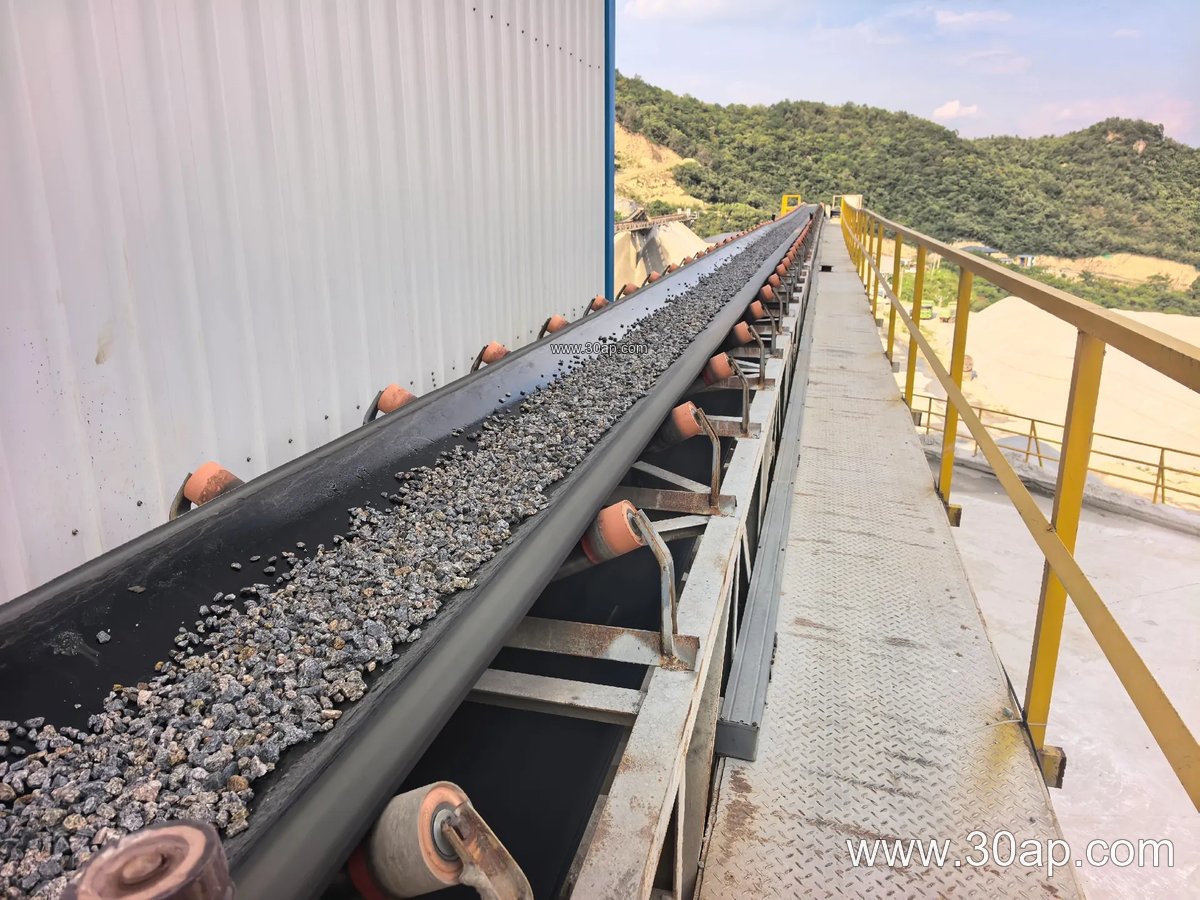
Custom brackets appear wherever the frame is non-standard. In a limestone quarry, a transfer point may need a reinforced bracket to survive lump impact. In a coal handling plant or a power station coal yard, flame retardant conveyor belt and anti-static conveyor belt are common, and the brackets must suit the same dusty, enclosed environment. A cement plant typically runs abrasive material, so heavy-duty brackets paired with an abrasion resistant conveyor belt reduce wear at the loading zone.
In sand and aggregate lines, a crusher conveyor belt often works with impact brackets directly under the chute. Port and ship loading systems use wide belts, sometimes 1800 mm or 2000 mm, and the brackets there are long and must be checked for deflection. In a steel plant or sinter plant, heat resistant conveyor belt may be used, and the bracket steel near hot material should be specified with that in mind.
For more on matching brackets with rollers and belting, see conveyor bracket and conveyor pulley references.
Buyer Checklist Before Ordering
- Measure the actual frame beam spacing, not the nominal belt width alone
- Confirm the roller shaft diameter and the mounting hole pattern
- State the required trough angle and whether it must be adjustable
- Describe the material and the loading method, since impact affects steel thickness
- Ask for a trial fit or a dimensioned drawing before mass production
A well-made custom conveyor bracket is a small part with a large effect: it keeps the idler roller aligned, protects the belt edge and holds the trough profile steady over years of service. Get the drawing right, and the rest of the conveyor runs quieter.